Reports of the expansion of broker networks, weak oversight, and the continuation of corruption in the oil and petrochemical industry have highlighted the gap between anti-corruption slogans and actual implementation.
Decline of Governance Standards
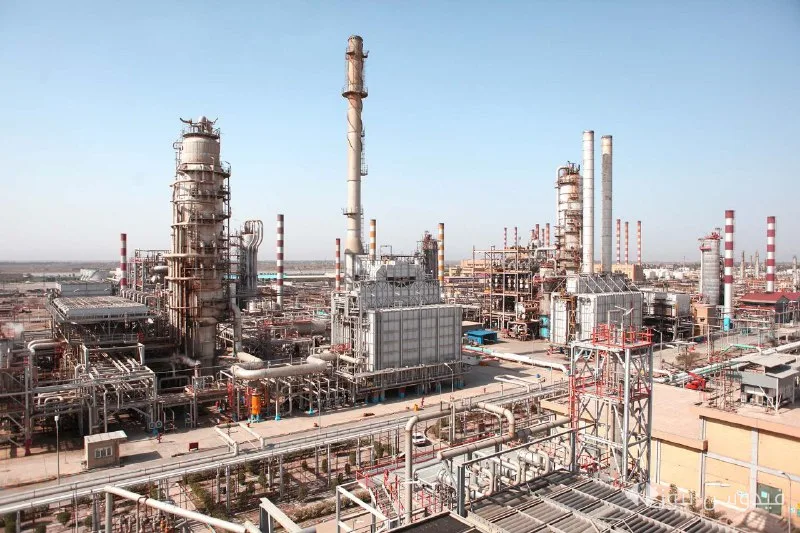
In recent months, multiple pieces of evidence and reports indicate that Iran's oil and petrochemical industry is more than ever exposed to informal networks of power and interests. Analysts believe that this strategic sector of the country's economy, instead of being managed structurally and programmatically, is facing the influence of intermediaries, rent-seeking networks, and opaque decision-making; a trend that results in decreased productivity, increased hidden costs, and weakened public trust.
The fourteenth government, which came to power with the slogan of combating corruption, has so far failed to present a different image from the approaches of previous administrations. Critics say the connection between quasi-governmental structures, dependent economic institutions, and some executive managers has created a cycle in which the line between fighting corruption and reproducing it has blurred.
Economic Islands and Future Concerns
Meanwhile, some experts speak of the formation of "economic islands" in oil holdings, banks, and related ministries; entities where the transfer of managers and the division of benefits are sometimes based on non-specialized considerations. At the same time, the increasing willingness of some managers and stakeholders to transfer capital or exit the country has intensified concerns about the future of this industry.
Despite the frequent exposure of corruption cases, the response of oversight, security, and judicial bodies is not seen by critics as decisive and deterrent. In such circumstances, many believe that the era when Iran's oil industry symbolized stability, managerial order, and developmental opportunities has come to an end, and without structural reforms, returning to that state will be difficult.