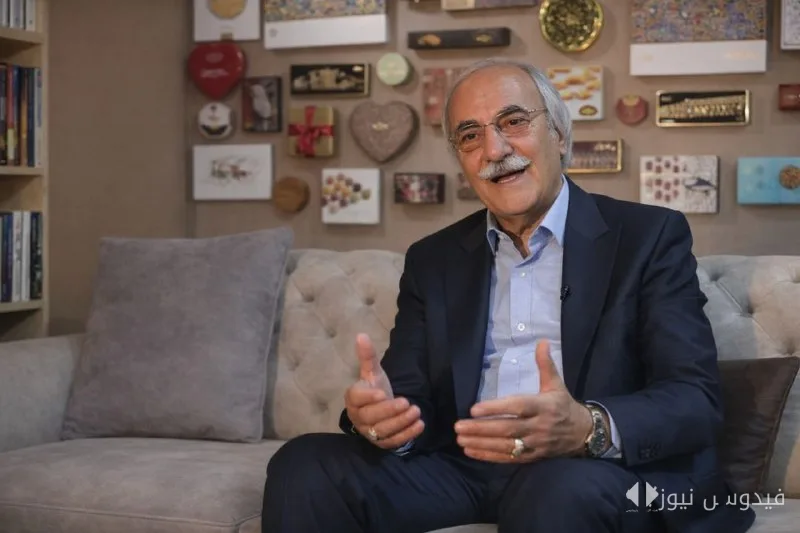
The continued detention and seizure of assets of Mohammad Saadi Nia, a well-known Iranian entrepreneur, occurs while the security and judicial apparatus of the Islamic Republic has previously stated explicitly that his arrest is due to his support for popular protests and solidarity with the protesting community. This situation, more than being the result of a clear legal process, is a product of the structural stubbornness of a system that refuses to accept its responsibility regarding the events and conditions of today's country.
Baseless Accusations and Distortion of Reality
Saadi Nia and individuals like him are facing vague and baseless accusations not due to the commission of a specific crime, but because of their "pain" and standing alongside the people. The seizure of these individuals' assets is an attempt to distort reality; as if they are being blamed for a situation that is itself a product of structural corruption, inefficiency, and the performance of extensive supervisory, economic, and security apparatuses. This is a truth that both the community and the authorities are aware of.
Victimization and Denial of Responsibility
However, the prevailing logic is clear: Saadi Nia must be sacrificed so that others learn a lesson and remain silent. This is a simple formula that has been repeated many times. The Islamic Republic neither accepts responsibility for the people's protests nor for the suppression, and is not even willing to acknowledge that in any scenario—even assuming official claims about foreign interventions—the ultimate responsibility lies with the ruling power.
The greater pain lies in the fact that instead of apologizing to the community, discussions arise about increasing punishments. Media threats, mockery of victims, and then the judiciary's emphasis on harsher actions all align with a single approach: denial of responsibility and shifting the costs to citizens who have honorably borne the burdens of the government; a government that, with the first shot fired at the people, should have stood alongside the protesters, not paved the way for slaughter and suppression.