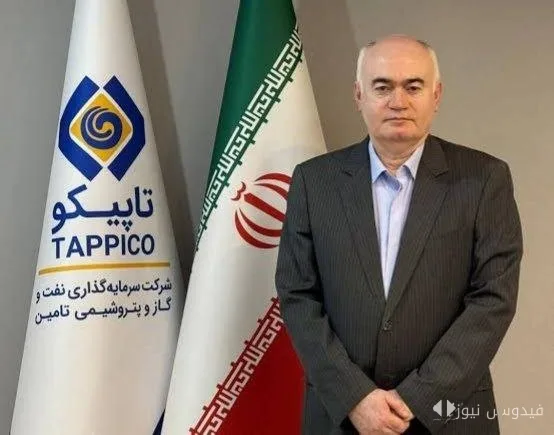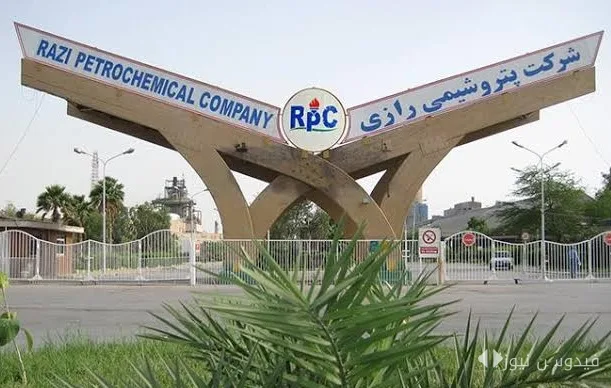
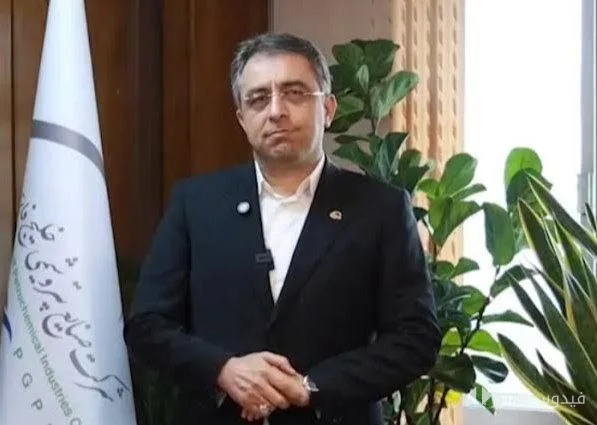
Following the dismissal of Mahmoud Amin Nejad, the former CEO of Bid Boland Gas Refinery and Deputy for Planning and Business Development of the Persian Gulf Petrochemical Industries Group, new dimensions of his financial allegations have come to public attention. This case is tied to a complex network of familial and administrative connections that have developed over the years.
Billion-Toman Bribes and Suspicious Connections
According to available documents, Amin Nejad has fallen into the trap of suspicious financial interactions with contractors due to his familial ties with the representative of the Urmia parliamentary period and proximity to certain political figures. Reports indicate that he received approximately 100 billion tomans from Nikaan Tak Iranians as a bribe. Additionally, an apartment unit has been illegally granted to him as a gift.
Furthermore, a cash bribe of one and a half million dollars from the CEO of the Sareh and Jahaan Pars consortium has also been allocated to him, which is claimed to have been delivered at the residence of the CEO of Jahaan Pars. These figures reveal new dimensions of financial corruption in oil and gas projects.
The Role of Intermediaries in Financial Corruption
In this case, the role of intermediaries is also very significant. A person named Sharafati, who was transferred from Tabriz Petrochemical to Bid Boland Gas Refinery, is recognized as Amin Nejad's main broker with contractors. Additionally, a person named Akbar Taji has collaborated in the process of receiving and transferring foreign currency amounts to Amin Nejad.
The publication of this information, coinciding with Amin Nejad's dismissal, has raised serious questions about the oversight mechanisms in large oil and gas projects and the way managers interact with contractors. This case highlights the structural challenges in managing the country's oil and gas resources.
Mahmoud Amin Nejad, a chemical engineering graduate, has been working as the CEO and Vice Chairman of the Board of Bid Boland Gas Refinery of the Persian Gulf since 2016, and his managerial background in various petrochemicals indicates his high influence in this industry.