Systematic Corruption in Flour Distribution and Bread Baking in Khuzestan
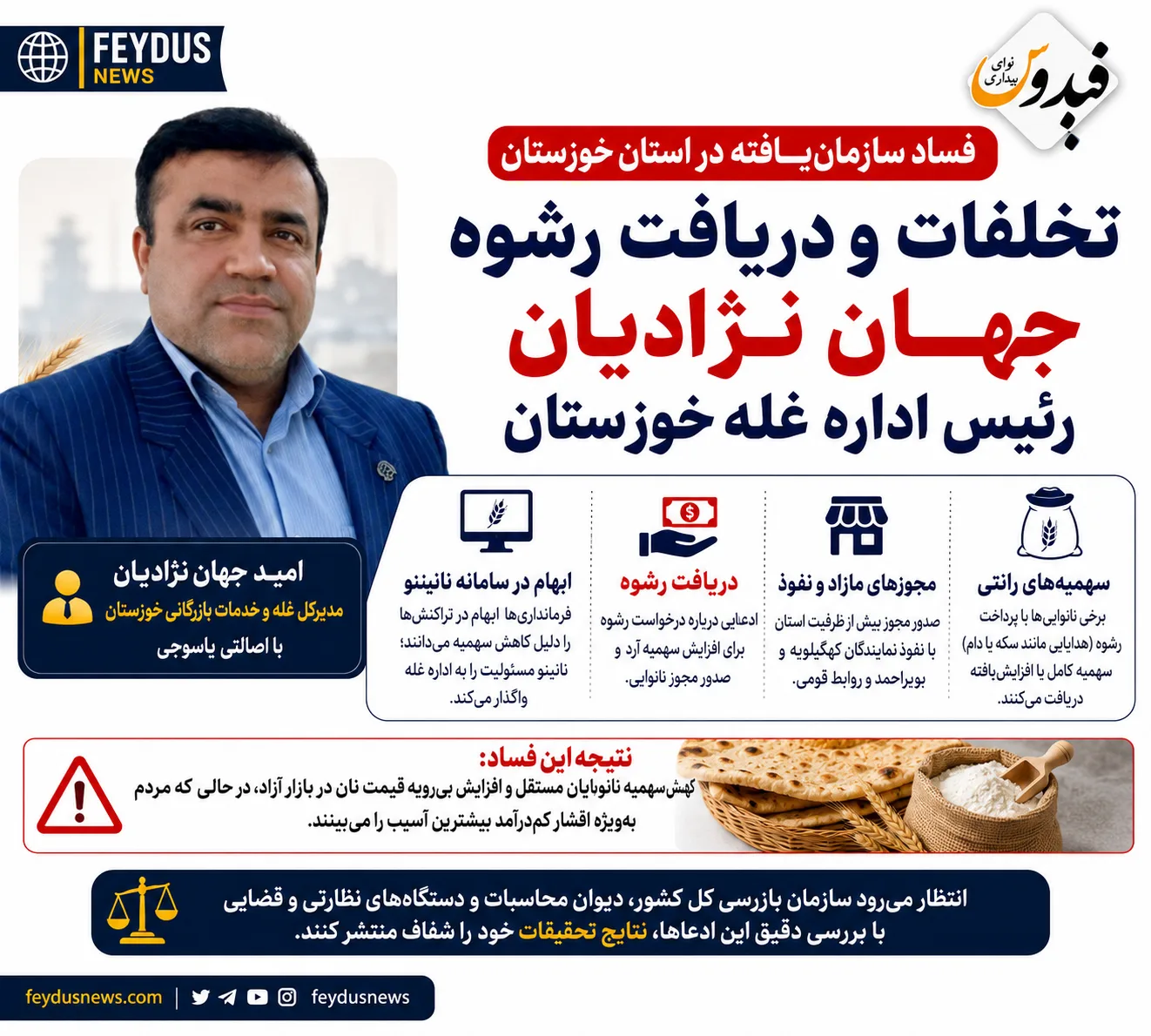
Reports from some bakers in Khuzestan province indicate widespread problems in the allocation of flour quotas and the operation of the "Nanino" system. According to these bakers, these issues have led to a reduction in quotas for many bakeries and created ambiguity in the flour distribution mechanism.
Performance of the "Nanino" System and Reduction of Flour Quotas
According to available information, the "Nanino" system was supposed to determine each bakery's flour quota based on actual baking and recorded transactions to make the flour distribution process more transparent and fair. However, some bakers claim that in recent months they have faced reductions or stoppages in their flour quotas.
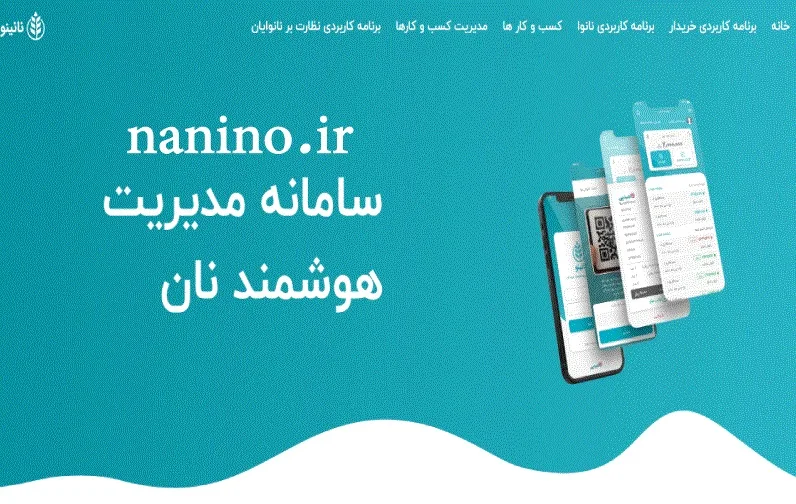
According to these individuals, when following up on the issue, local authorities cite ambiguity in the "Nanino" system transactions as the reason for the quota reduction, while the system officials attribute responsibility to the provincial Grain and Commerce Department. This discrepancy in responses, according to protesters, has led to confusion among bakers.
Allegations of Misconduct and Bribery
Some sources have claimed that in the process of increasing flour quotas or issuing bakery licenses, misconduct such as bribery and influence-peddling occurs. It is also alleged that the number of bakery licenses in some areas has increased beyond the province's actual capacity, and part of the government flour quota is given to units that sell bread at market prices instead of the government rate.

The Role of Khuzestan's Director of Grain and Commerce in Bread Corruption
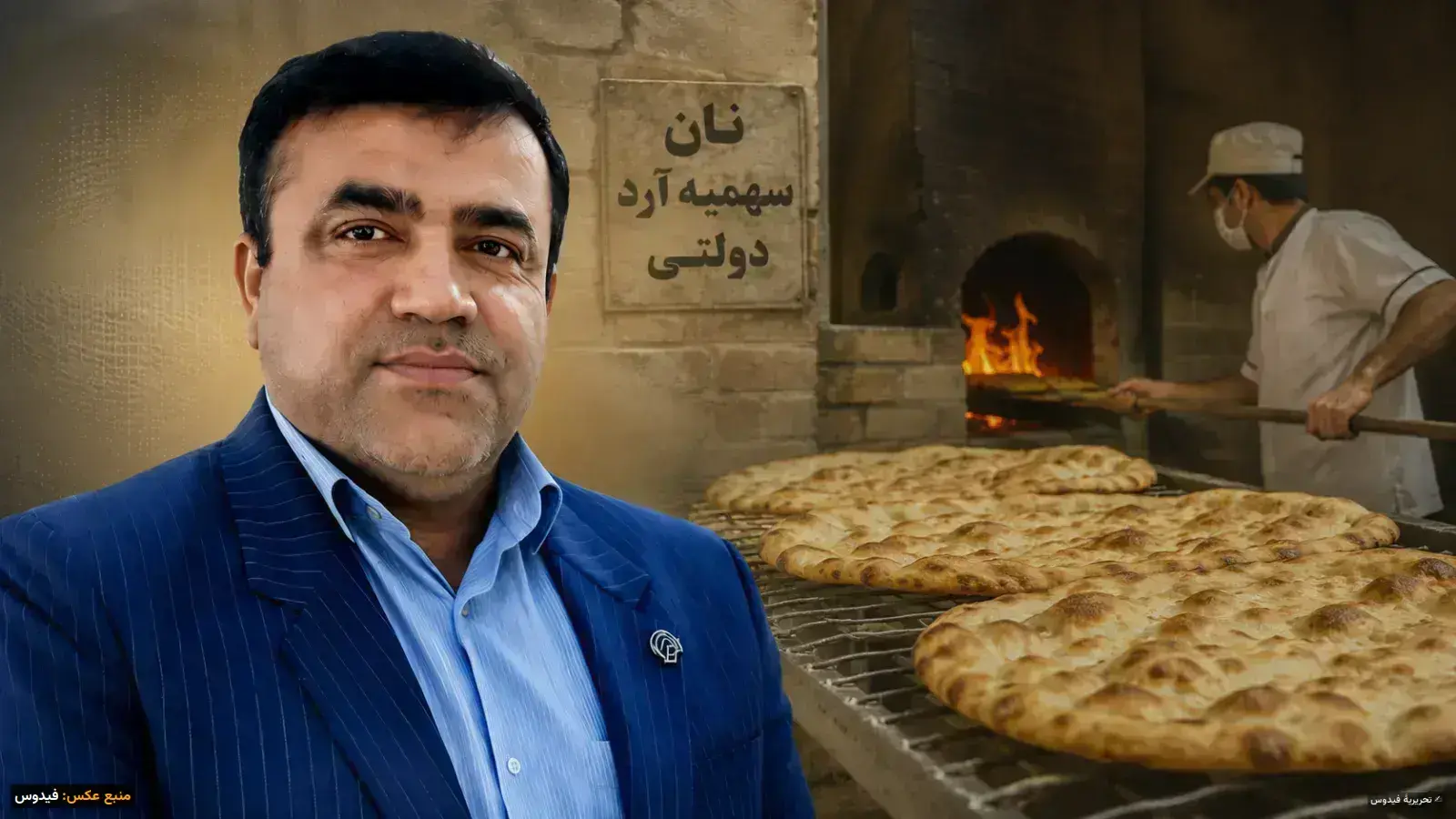
In this report, the name Omid Jahan Nezhadian, Director of Grain and Commerce in Khuzestan, originally from Yasuj, and some representatives from Kohgiluyeh and Boyer-Ahmad in Parliament have been mentioned, with allegations of their involvement in issuing excess licenses and allocating flour quotas. It is said that some bakeries have managed to receive additional quotas by offering gifts such as coins or livestock.
Granting Licenses Beyond Capacity and the Flour Distribution Crisis
Granting bakery establishment licenses beyond capacity in the province through the entry of non-local individuals recommended based on ethnic relations with Jahan Nezhadian is one of the main factors in the government flour distribution crisis in Khuzestan. Some protesting bakers have said that while favored bakery units receive full or increased quotas by bribing Jahan Nezhadian, the quotas of others have been reduced to the point where continuing economic activity has become difficult for them.
The Impact of Corruption on Household Livelihoods
This issue could indicate the emergence of corruption in one of the most critical sectors of essential goods supply for the people; a matter that directly affects household livelihoods, especially for low-income groups. Given the importance of the issue, it is expected that the National Inspection Organization, the Court of Audit, and supervisory and judicial bodies will thoroughly investigate these claims and transparently publish their findings.