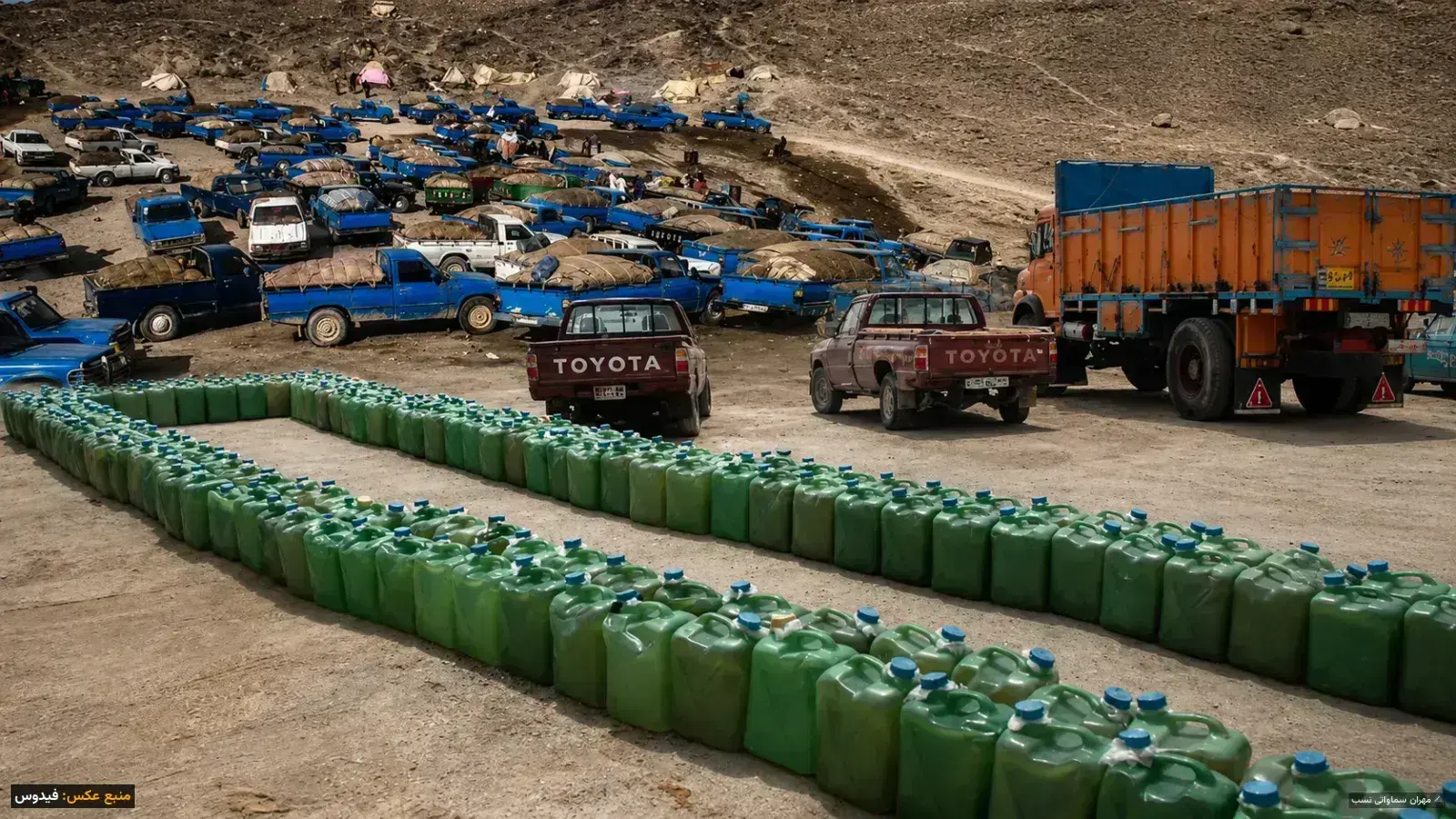
An examination of the fuel allocation mechanism in the country shows that part of the smuggling of oil products is not through traditional and illegal routes, but through the misuse of official processes and legal systems; a process that, in the event of weak oversight or potential collusion, can facilitate the exit of a significant volume of subsidized fuel from the real consumption cycle.
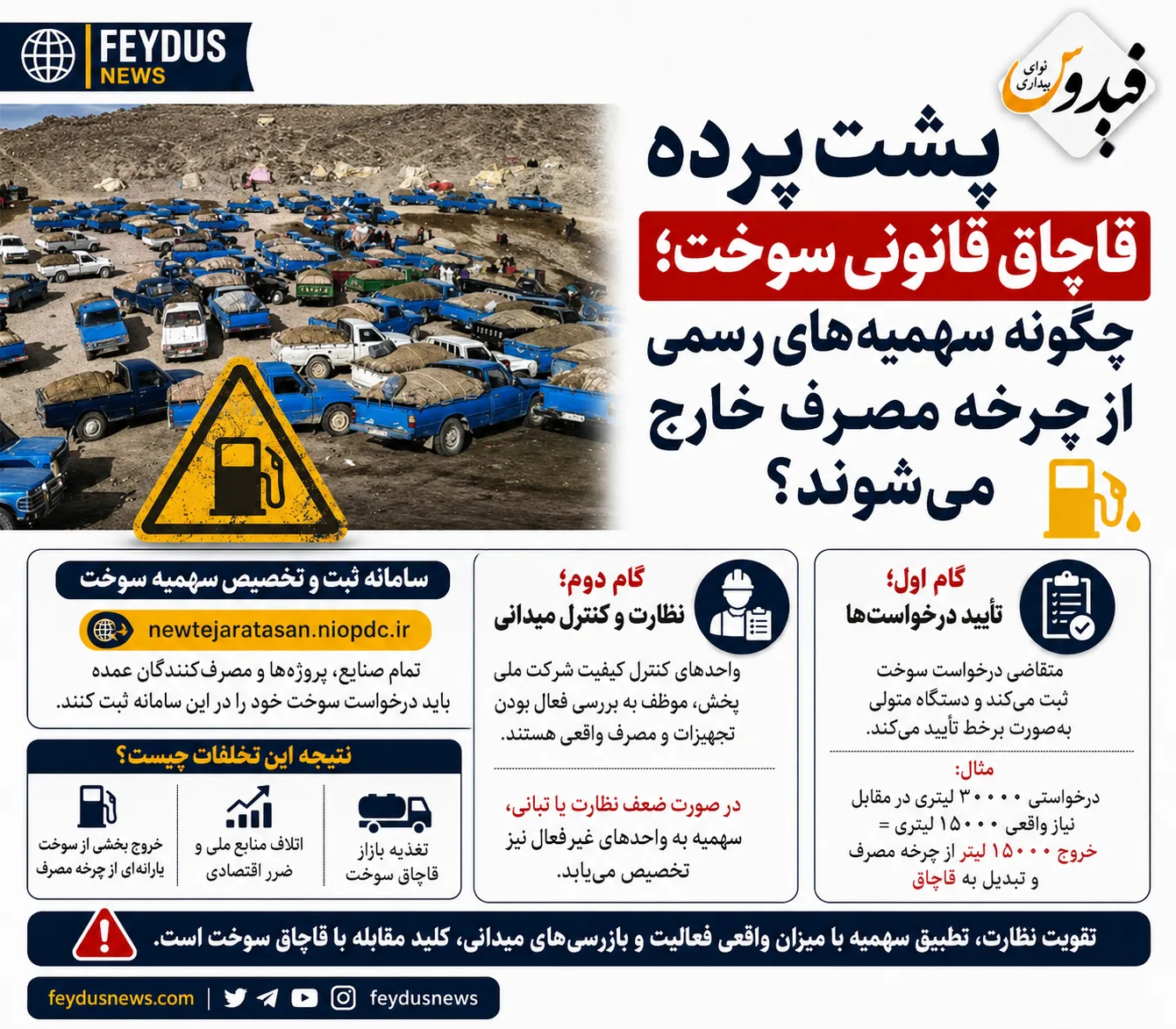
The Behind-the-Scenes of Legal Fuel Smuggling in the Oil Products Distribution System
One of the most important platforms for registering and allocating fuel quotas is the system https://newtejaratasan.niopdc.ir belonging to the National Iranian Oil Products Distribution Company. All factories, industrial units, companies, construction projects, machinery owners, agricultural wells, vessels, and other major fuel consumers must register their requests through this system to receive quotas.
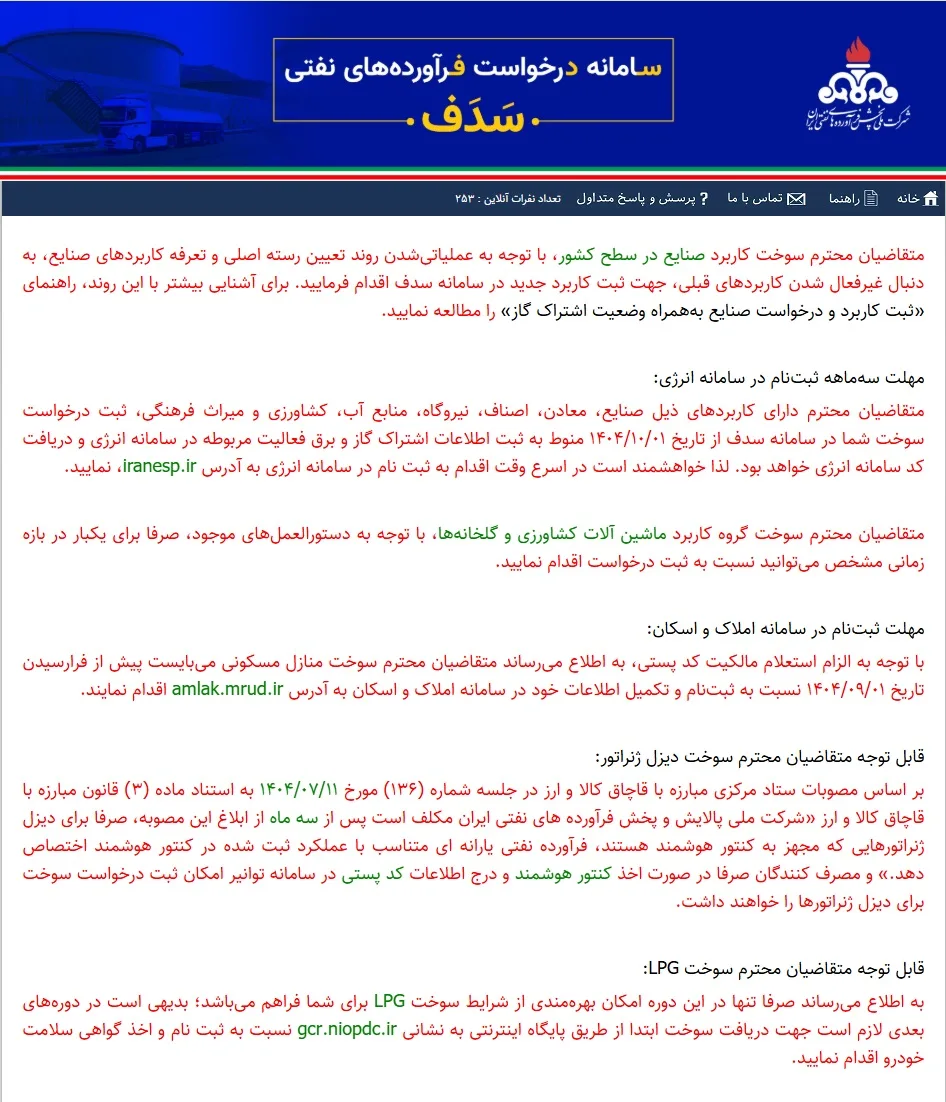
After registering the request, the required amount of fuel must be reviewed and approved online by the responsible body of each sector. For example, fuel requests for vessels are approved by the Ports Organization, asphalt factories by the General Directorate of Roads, production units by the Ministry of Industry, Mine and Trade, and agricultural wells by the Ministry of Agriculture.
According to informed sources, the first vulnerable point in this process is the stage of request approval. For instance, an industrial unit operating at only 50% capacity should request fuel in proportion to its production level. If the capacity of this unit's tanks is 30,000 liters but it actually only needs 15,000 liters of fuel, approving the full 30,000-liter quota can facilitate the exit of 15,000 liters of surplus fuel from the real consumption cycle.
Experts believe that in the absence of effective oversight or in the event of collusion between the applicant and the approver, this discrepancy between actual consumption and allocated quota can become one of the routes for fuel smuggling; an issue that, given the high number of daily requests, could have significant economic impacts if repeated.
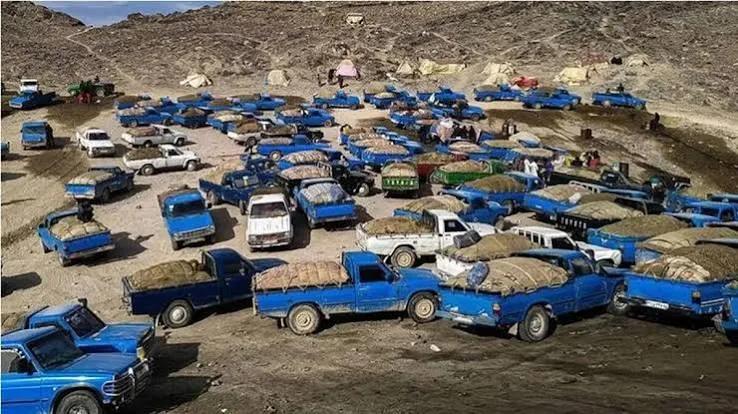
Another stage that experts believe requires more precise oversight is the process of controlling and verifying fuel-consuming equipment. According to existing procedures, the quality control and industrial services units of the National Iranian Oil Products Distribution Company in the provinces are obliged to periodically check and report on the activity of fuel-consuming equipment and machinery. In the event of weak oversight or approval of inactive equipment, it is also possible to allocate quotas to consumers without actual activity.
Informed sources also say this is only one of the possible methods of fuel exiting the official cycle, and in some construction projects and contracting activities, there are more complex and seemingly legal methods for obtaining and transferring fuel that require investigation by oversight bodies and clarification by responsible agencies.
Given the significant price difference of fuel within the country and neighboring countries, experts believe that strengthening oversight of the request approval process, aligning quotas with actual production and activity levels, and conducting continuous field inspections can play an important role in preventing the waste of national resources and reducing fuel smuggling.