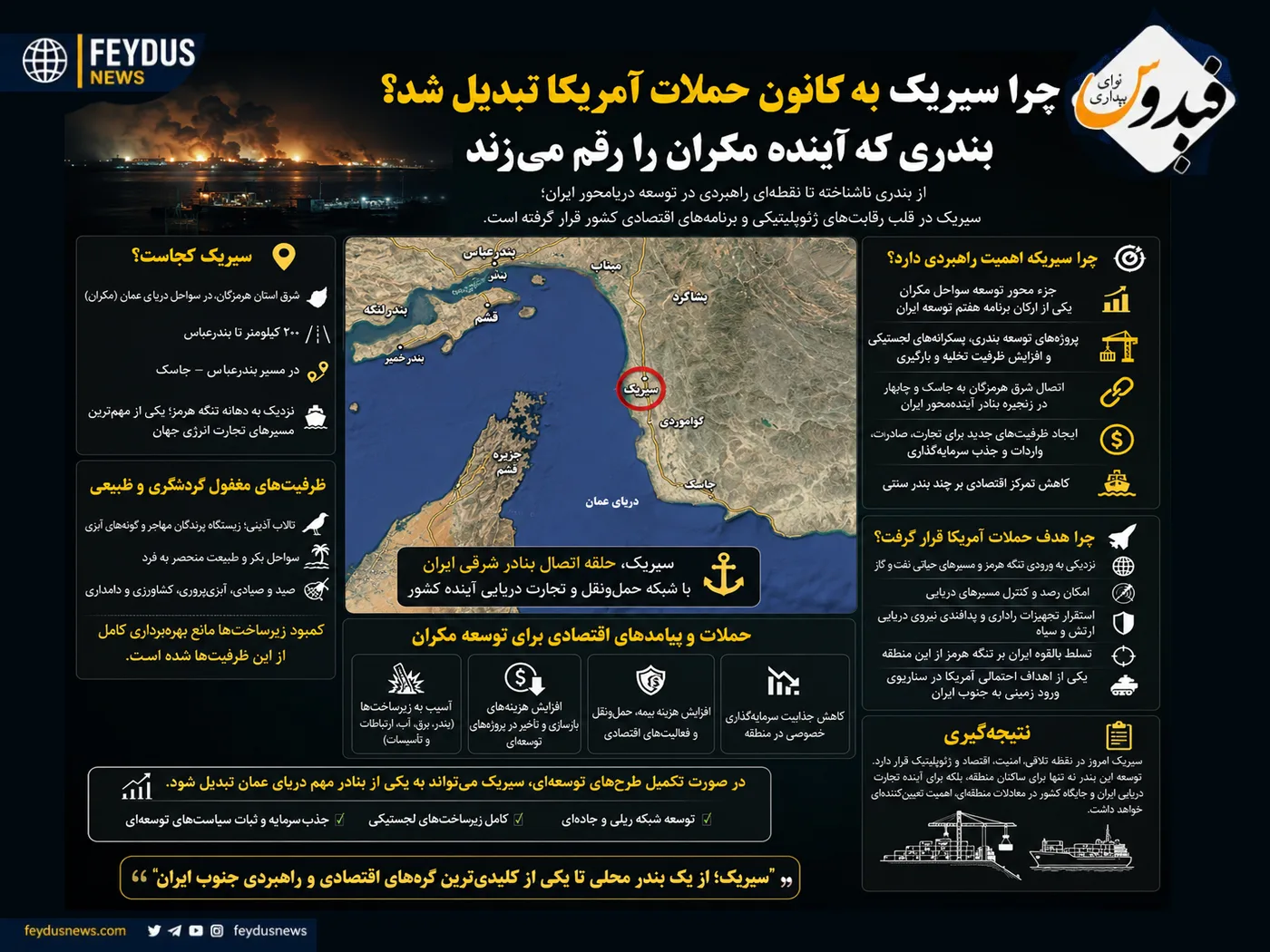
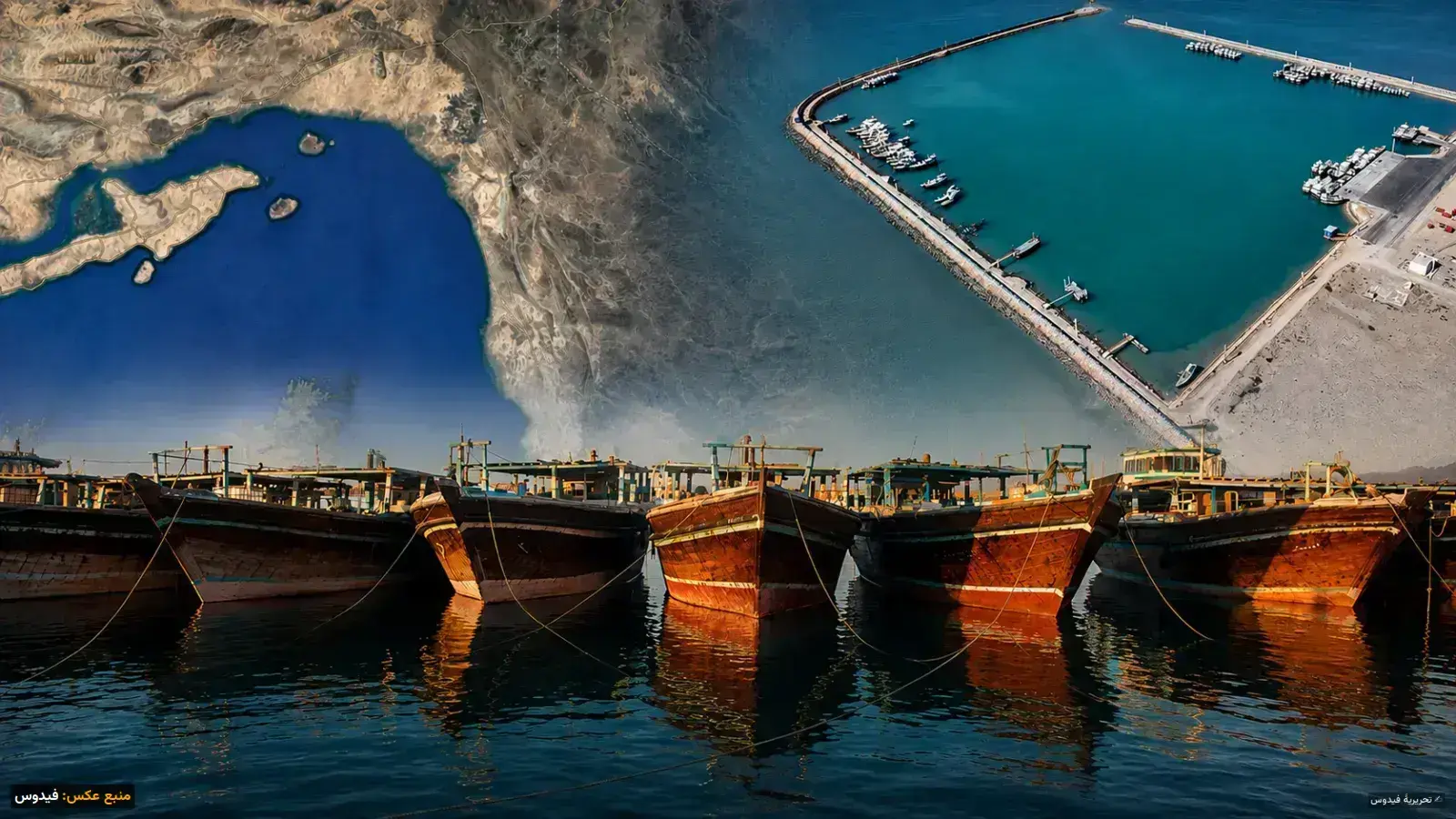
In recent years, the name Sirik was only seen in local reports, fisheries news, or Makran coastal development programs, but the recent wave of US airstrikes has turned this port into one of the most frequently mentioned names in the media. This change is not just a military event; it has drawn renewed attention to the economic, strategic, and geopolitical significance of a region that has become one of the main pillars of Iran's maritime development program in recent years.
Sirik; From an Unknown Port to a Geopolitical Hotspot
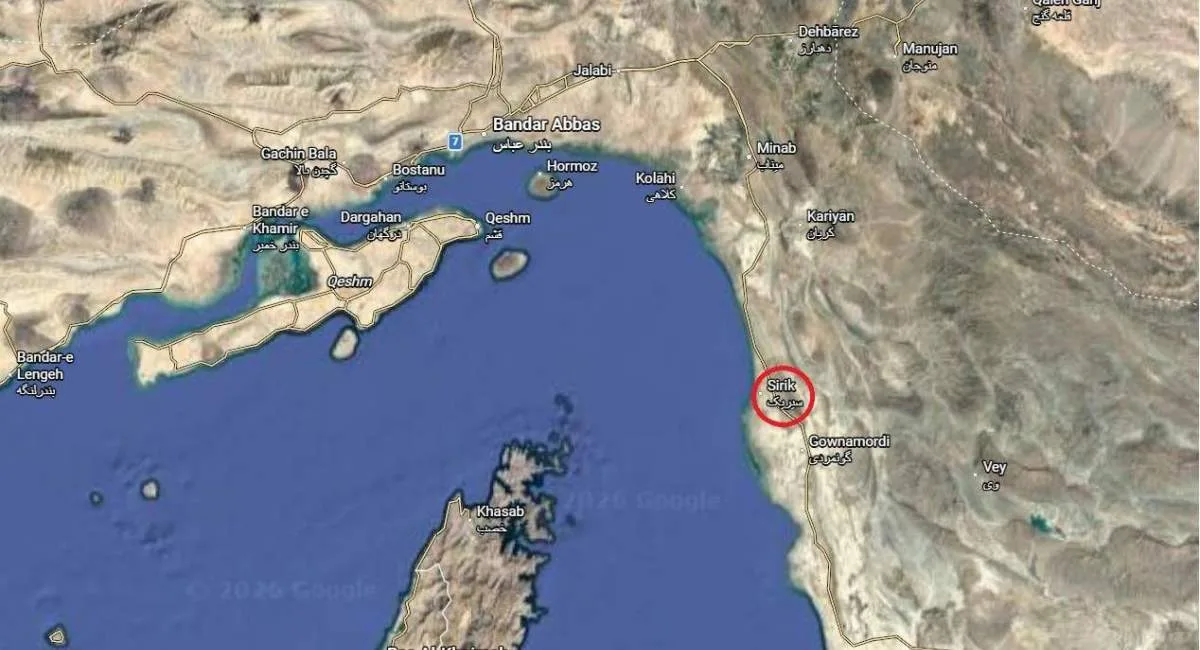
Sirik is located in eastern Hormozgan, along
the shores of the Sea of Oman, between Bandar Abbas and Jask. Its proximity to the mouth of the Strait of Hormuz and its location on the path of Makran coastal development have made this port one of the key links in
Iran's maritime transportation network.
In addition to its geographical location, Sirik
also possesses significant natural capacities. The Azini Wetland, pristine beaches, fishing activities, and aquaculture are among the most important features of this region, although the lack of transportation infrastructure and tourism services has so far hindered full utilization of these capacities.
Why is this Port Strategically Important for Iran?
The importance of Sirik is not limited to its natural features. This port is considered one of the key points in the Makran development strategy; a program aimed at expanding maritime trade, developing southern ports, attracting investment, and reducing the concentration of economic activities in a few traditional ports of the country.
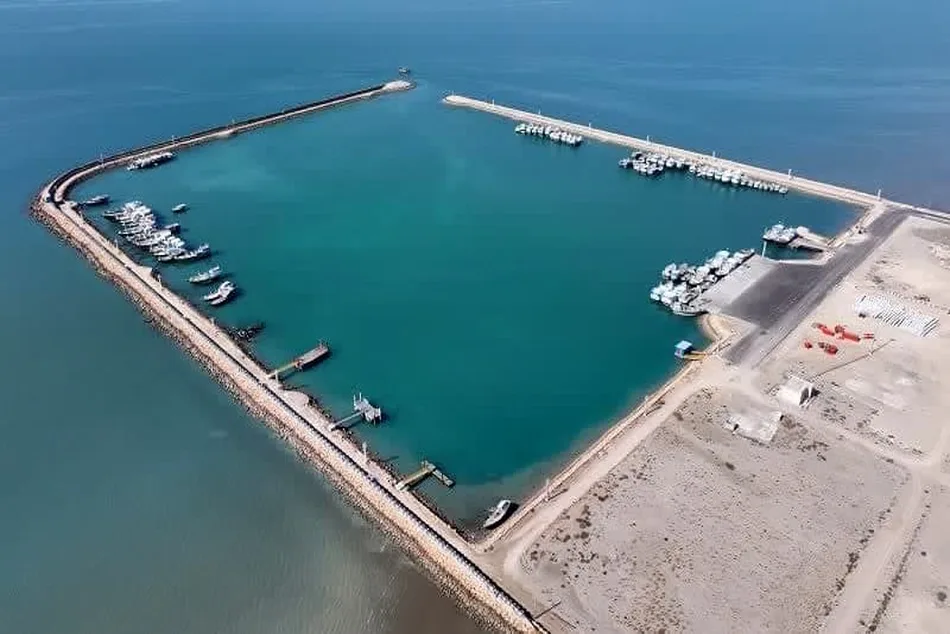
In recent years, various projects have been initiated to develop port infrastructure, create logistical hinterlands, and increase unloading and loading capacity in this region. Some officials have also introduced Sirik as one of the supporting ports for Makran development. Within this framework, this port could become part of a chain that connects Bandar Abbas, Jask, and Chabahar into a unified logistical network in the future.
In addition to this economic capacity,
the military position of Sirik also holds special importance. Proximity to the entrance of the Strait of Hormuz, the ability to monitor maritime routes, and the deployment of defensive equipment have made this area significant in military calculations. Some analysts link the focus of US attacks on this region to these strategic features, although there are different narratives about the exact objectives of these attacks.
Attacks and Economic Consequences for Makran Development
Damage to Sirik's infrastructure, regardless of its military dimensions, can also impact the region's economic development process. Destruction of water, electricity, communication networks, and port facilities, in addition to increasing reconstruction costs, may delay the implementation of development projects and reduce the attractiveness of private investment. Additionally, the increase in insurance, transportation, and economic activity costs are other consequences that experts have warned about.
On the other hand, some analysts believe that if development plans are completed, Sirik could become one of the important ports of the Sea of Oman in the future. However, achieving such a status will depend on factors like the development of rail and road networks, completion of logistical infrastructure, attracting investment, and stability in development policies.
Today, Sirik is no longer just a local port; it is a point where security considerations, economic development plans, and geopolitical competitions are intertwined. The fate of this port after the end of military tensions will not only be crucial for its residents but also for the future of the Makran coastal development strategy and Iran's role in regional maritime trade.