
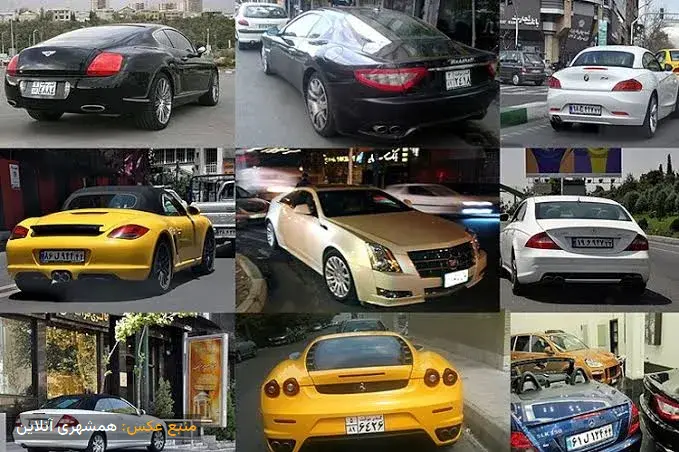
Reports suggest that one of the oil sales traders, who has not yet returned about $350 million from oil sales to the country, is negotiating to settle this debt by transferring thousands of imported luxury cars.
According to published information, instead of repaying the claims in cash, this person is supposed to transfer between 8,000 to 10,000 luxury cars owned by him to a collection of holdings and large companies. In this scenario, these companies will sell the cars and transfer the proceeds to the Ministry of Oil. This mechanism raises questions and ambiguities about its implementation and the extent of public interest it ensures.
Country's Economic Priorities
The first ambiguity relates to how this trader benefits from the settlement process. According to reports, he has benefited from holding the proceeds of oil sales in recent months and now intends to transfer his imported cars as part of this agreement instead of making a cash payment. Critics of this method believe that if the car pricing is such that it preserves commercial profit for its owner, in practice, the debtor will benefit not only from the foreign exchange resources over the past period but also from the sale of his assets; a subject that could be a matter of discussion and review.
The second question relates to the country's economic priorities. In a situation where Iran's economy faces challenges such as inflation, reduced purchasing power, and the need to supply certain essential goods, the question arises as to why luxury cars have been considered as a settlement tool if a barter method is chosen. Some experts believe that in such conditions, using essential goods, necessary production equipment, or strategic items could have brought more appropriate economic and social effects.
Decision-Making and Supervision Process
The third ambiguity also relates to the decision-making process. It is still unclear who, which institutions, or agencies have led the negotiations related to this mechanism, what the legal and economic basis of this decision was, and what supervisory mechanism has been considered for valuing the cars and ensuring the complete return of the Ministry of Oil's claims.
If these reports are accurate, the Ministry of Oil and other responsible institutions must provide clear explanations, detailing this agreement, the asset valuation method, the process of selecting buyers, and how public interests are ensured to resolve the existing ambiguities.