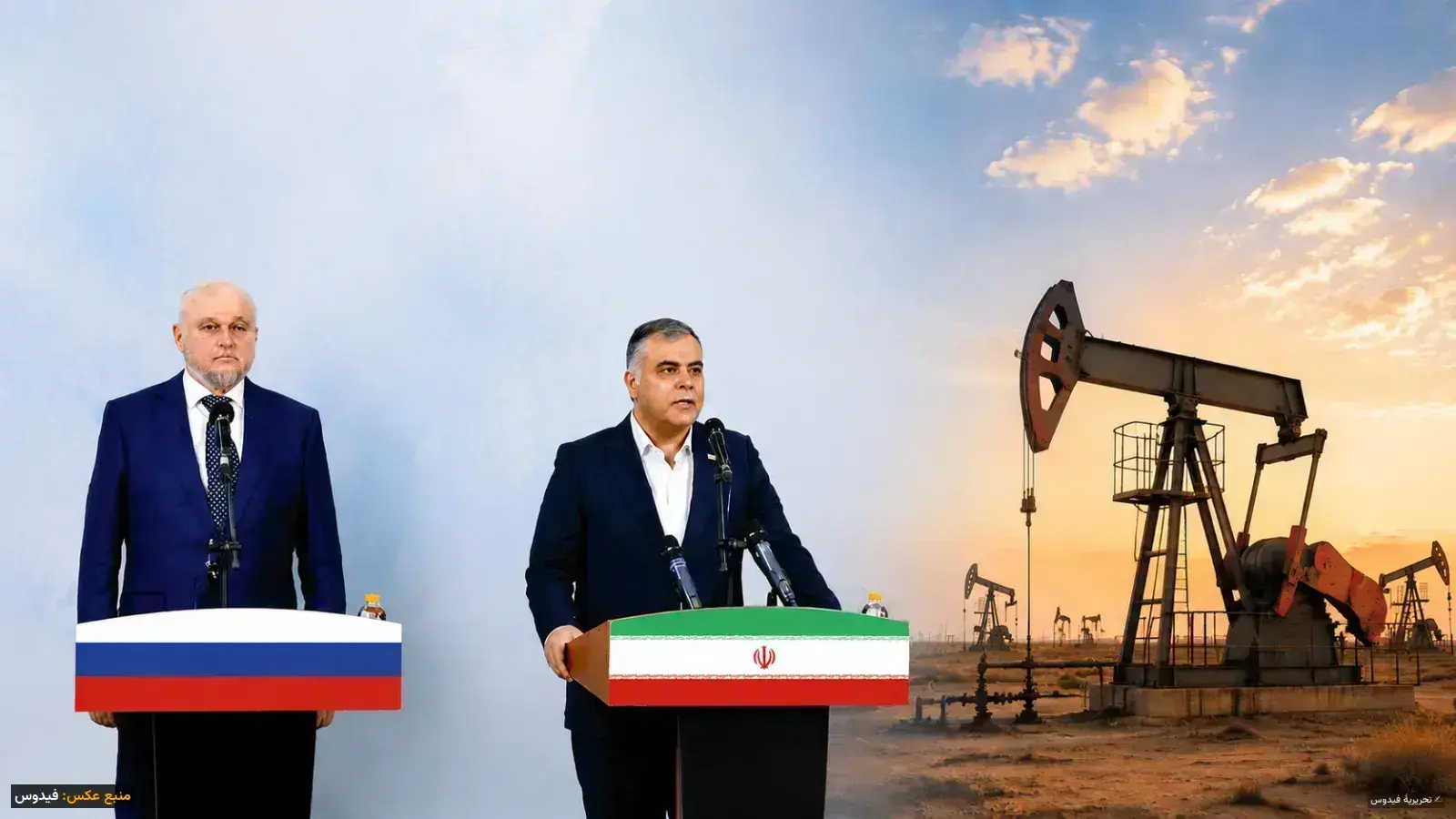
Reports and claims from some sources point to violations and ambiguities in the process of implementing development contracts for certain oil fields between Iran and Russian companies. According to critics, this issue could be one of the most significant cases to be examined in the energy contract sector.
Activities of Russian Companies in Khuzestan Oil Fields
According to these claims, Russian companies are currently active in two oil fields located in Khuzestan province. These fields, according to the mentioned sources, have been the site of a series of financial and operational disputes and ambiguities in recent years.
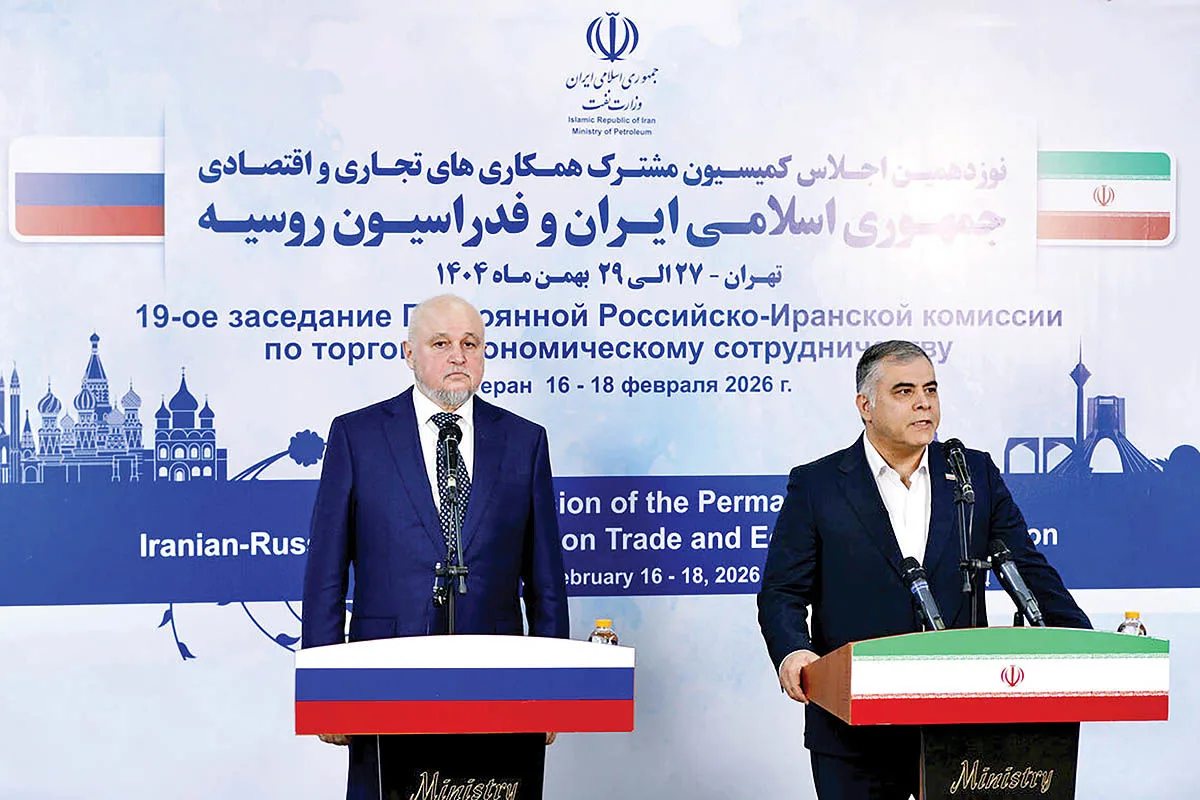
Initial Goals and Operational Problems
Critics say the initial goal of handing over these projects was to attract investment, transfer technology, and increase oil production capacity. However, in practice, not only has there been no significant investment from the foreign side, but a major portion of the project execution costs have been covered by domestic financial resources and revenue from oil production. According to these sources, Russian companies, after receiving revenues from oil sales, take their share and then pay Iranian contractors' claims with delays and in a limited manner.
Cooperation with Iranian Contractors
In another part of these claims, the manner of cooperation with Iranian contractors has also been criticized. According to these reports, domestic companies active in these projects have been divided into two groups. The first group consists of specialized companies with execution experience that are only employed in the initial stages of the project for the transfer of technical knowledge and experience, but thereafter face long delays in receiving claims and financial problems, effectively being sidelined from further cooperation.
The Role of Intermediary Companies
Conversely, the mentioned sources claim that the second group consists of companies with more limited technical capabilities. However, due to behind-the-scenes connections and partnerships with certain parties related to the Russian side, they manage to maintain a continuous presence in the projects. According to these sources, the gradual elimination of main contractors through financial pressures and delays in claim payments has paved the way for the activities of these intermediary companies.
The Role of "Simba" Company
These reports also mention a company named "Simba," said to be established in Khuzestan and Mahshahr. According to these claims, a significant portion of the managers and key personnel of this company are Russian nationals, and this entity acts as an intermediary for participation in various oil projects.
Structure of Russian Companies and the Role of Intermediaries
These sources believe that the structure of the main Russian companies is such that direct participation in certain economic partnerships is not possible. Therefore, the "Simba" company is defined as an intermediary link to be directly or indirectly involved in various contracts and benefit from the financial interests of the projects.