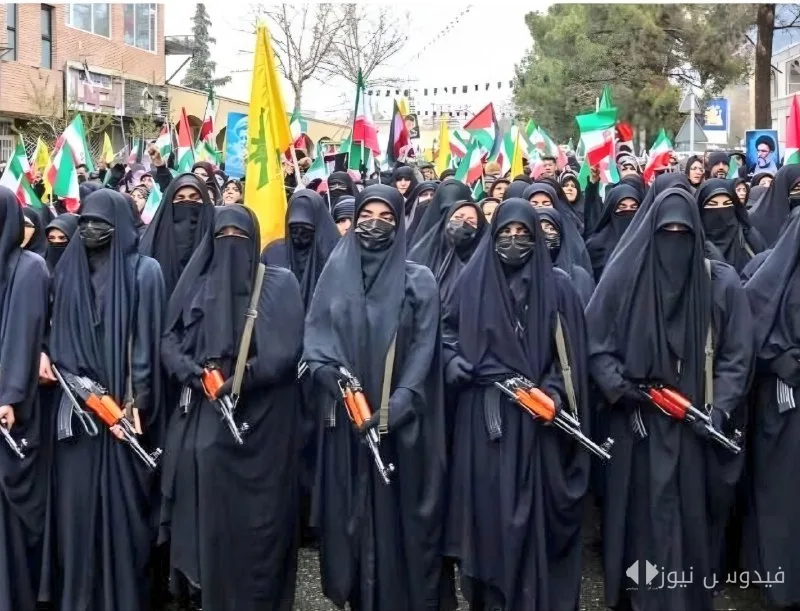
In the discussion of Iran's political future, analysts emphasize the importance of the potential consequences of urban violence. In the current tense atmosphere and simultaneously with the intensification of crises, the issue of transitioning from the current political system has become one of the hottest topics of the day.
The Dangers of Violence on the Path to Transition
The end of the Islamic Republic, as a historical necessity, is raised by many critics and opponents of the government. However, there is a significant danger in this path that must be taken into account. According to existing analyses, violence in such scenarios may quickly spiral out of control and lead to conflicts between government forces, armed groups, and even local networks. This is a path that not only fails to accelerate change but may also make the transition process more costly.
Therefore, for the forces opposing the Islamic Republic, a realistic understanding of this danger is crucial. Moving beyond the Islamic Republic is a goal that a large part of Iranian society contemplates, but a precise analysis of social and political realities and avoiding scenarios that could lead to civil war with an uncertain fate is part of a responsible outlook for transitioning from the current situation with minimal human cost.
A change whose ultimate goal is to create conditions for freedom, stability, and reconstruction of Iran requires prudence and a departure from violence. Is a peaceful transition achievable?