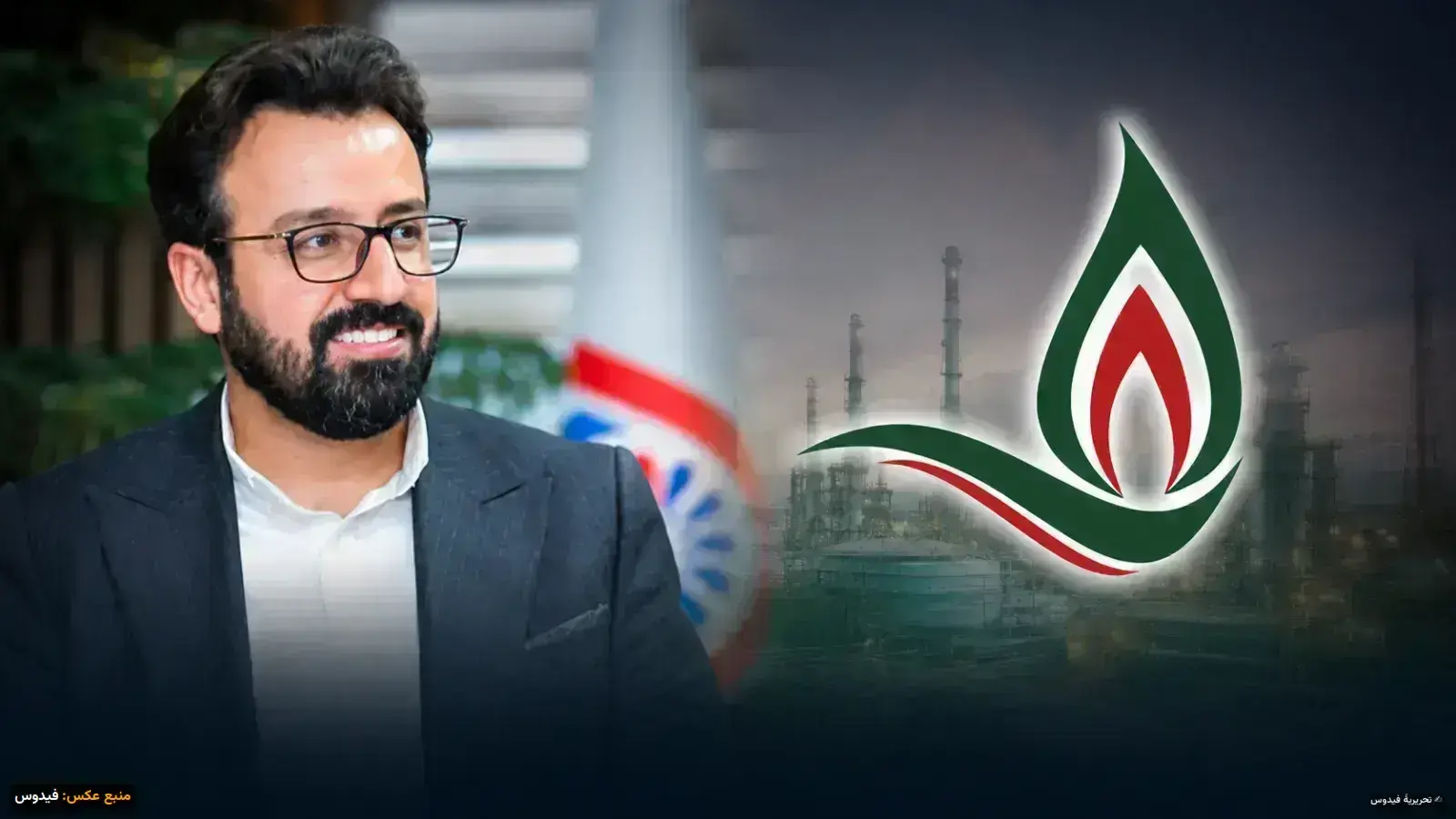
While it was expected that, given the numerous controversies and ambiguities surrounding the management performance of PetroKangan Refinery, the board of directors of this company would adopt a stricter approach in the area of oversight and control of the CEO's performance, the latest recorded changes in the company's management structure indicate an increase in the powers of Seyed Javad Fallahian, CEO of PetroKangan Refinery; an action that raises serious questions about the board's approach to the company's situation.
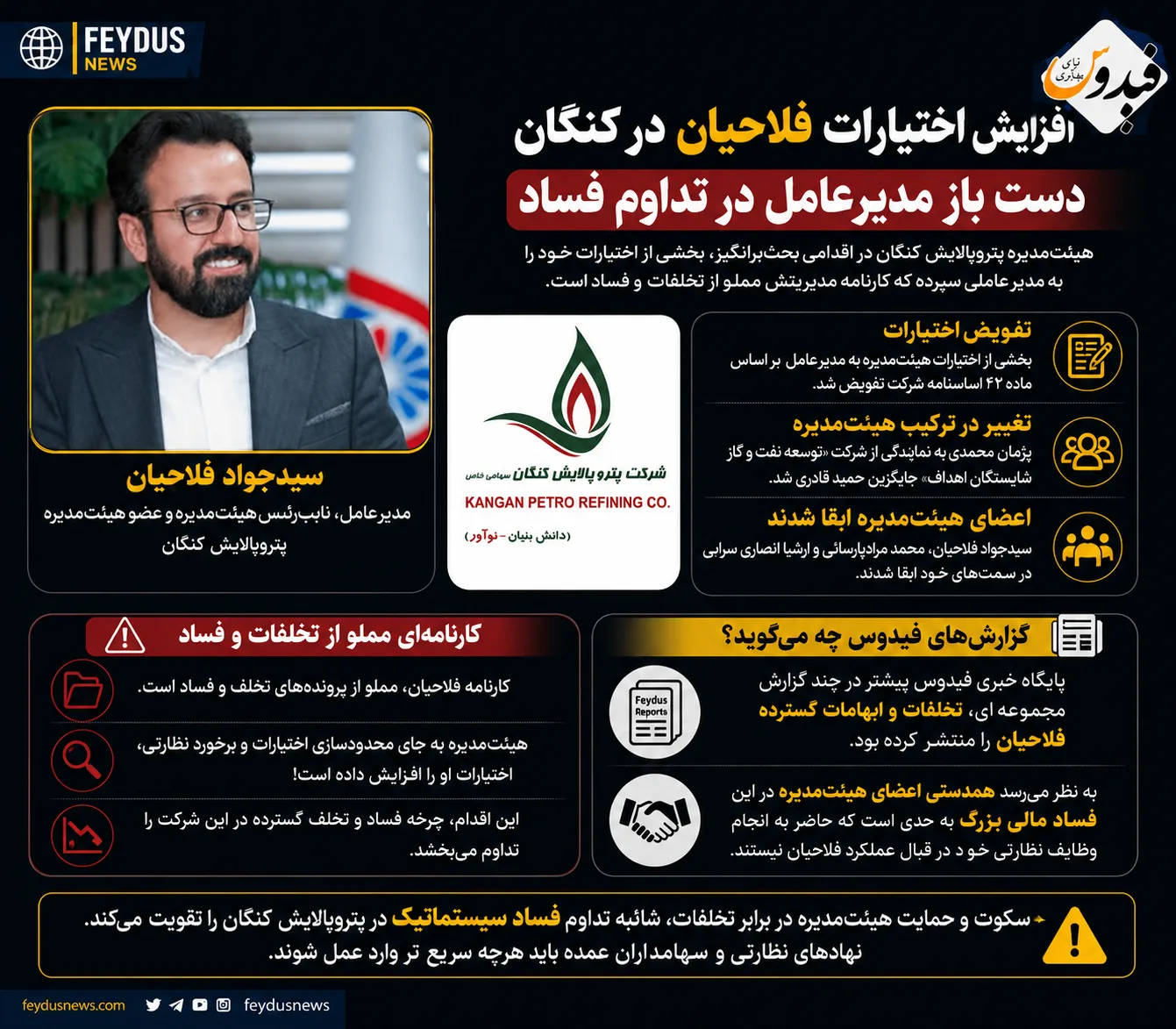
According to the latest announcement registered in the Companies Registration Office, the composition of the board of directors of PetroKangan Refinery has undergone changes. According to these changes, Pejman Mohammadi, representing the company "Tose'e Naft va Gaz Shayestegan Ahdaf", has replaced Hamid Qaderi on the board. Also, Seyed Javad Fallahian, representing the company "Sabajam Kangan Oil and Gas Industrial Complex", has retained the positions of CEO, vice-chairman of the board, and board member. Mohammad Morad Parsaei and Arshia Ansari Sarabi have also been retained in their positions.
Delegation of Board Powers to the Corrupt CEO
A noteworthy point in these changes is the delegation of part of the board's powers to the CEO based on Article 42 of the company's articles of association; a decision that effectively increases Fallahian's executive powers.
This increase in powers has occurred under conditions where Seyed Javad Fallahian's record, according to critics, is full of cases of misconduct, mismanagement, and financial ambiguities, and it was expected that the board would, instead of expanding the CEO's powers, take action to examine these ambiguities and deal with potential misconduct by imposing stricter oversight and limiting his powers. However, the recent decision of the board has strengthened the suspicion that not only is there no will to combat corruption and potential misconduct in this company, but the groundwork for the continuation of this trend has also been laid.
Feydus News Agency had previously published a series of reports on the misconduct and ambiguities attributed to Seyed Javad Fallahian and warned about the management trend in PetroKangan Refinery. Despite the publication of these reports, not only has no effective action been observed from the board to clarify or respond to these matters, but now with the increase in the CEO's powers, criticisms of the board's performance have entered a new phase.
During his management of Padjam Company, Fallahian also inflicted significant losses on the company with heavy accumulated losses, and one of the instances was the suspicious purchase of 500 tons of oil for 10 million euros on his order, which the publication of documents showed definite corruption centered around Fallahian.
In this case, Fallahian was never questioned for this strange invoicing where the price of each ton of oil was priced several times the real price of 20,000 euros, and instead, with his appointment as CEO of PetroKangan Refinery, it seemed he received a reward for his ongoing corruption.
Some observers believe that the continued support for the CEO, despite the publication of numerous reports on misconduct and financial ambiguities, raises the question of whether the board members are still fulfilling their legal and oversight duties. From the perspective of these critics, the board's continuous silence and support for Fallahian could create the suspicion that the level of alignment and cooperation among board members with the current trend is such that there is no will to perform oversight duties and prevent potential misconduct in the company.
In such conditions, it is expected that regulatory bodies and major shareholders will address this issue, examine the reasons for the increase in the CEO's powers, and also address the ambiguities and reports published about the management performance of PetroKangan Refinery to prevent any continuation of misconduct or potential mismanagement.