Recent Attacks and Their Impact on Southern Iran
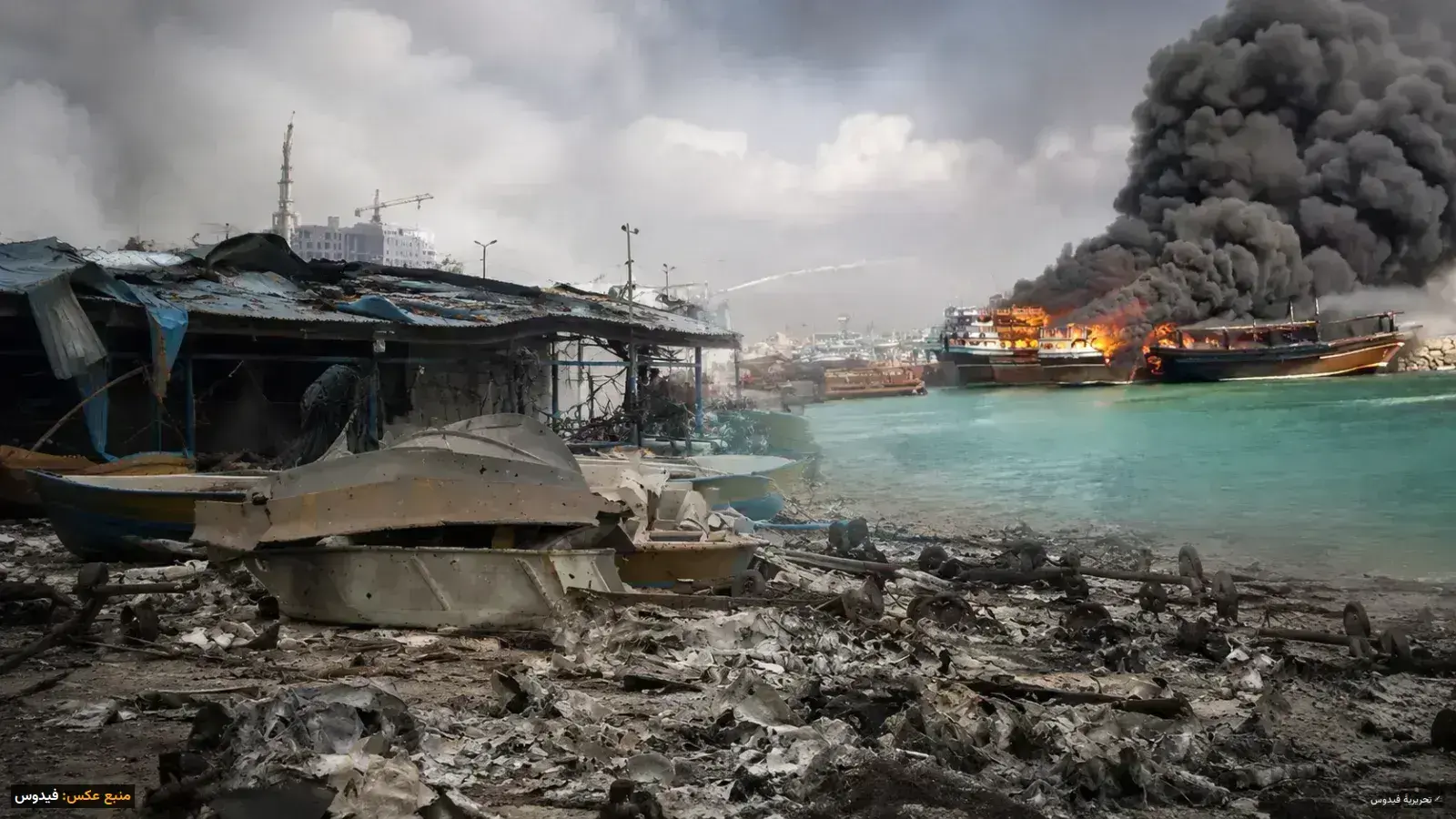
The recent wave of U.S. attacks on Iran, targeting the southern provinces and the coastal strip of the country, has left silent victims. These attacks have particularly affected boatmen, fishermen, and dhow owners whose livelihoods were tied to the sea.
Destruction of Docks and Loss of Dhows
The widespread destruction of civilian docks and the loss of numerous dhows and fishing boats have resulted in nothing but the devastation of the economy and livelihoods of a large portion of southern households. Families who had no other source of income than these limited catches are now facing a serious livelihood crisis.
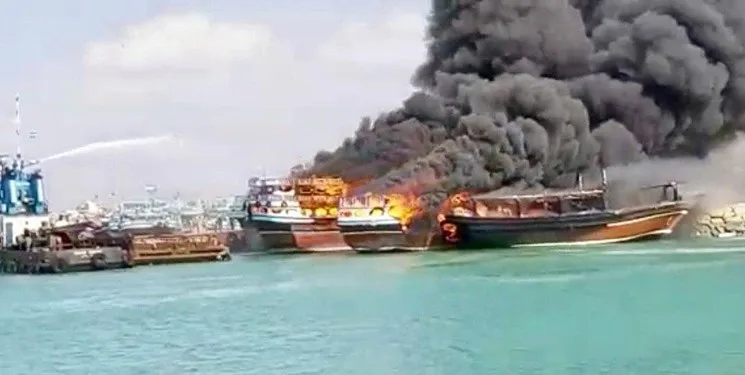
The published images from Hormozgan, Bushehr, and Khuzestan each represent a wound on the body of Iran. In such circumstances, the boasting of some officials and parliament members, along with the loud support of national TV for the continuation of the war, seems to occur without understanding the critical situation of the southern citizens. People living under the rain of bombs and missiles, even the words used to describe this war have changed, and the efforts of some government-affiliated bodies to replace the word "missile" with "projectile" or "bomb" create the impression that the goal is to downplay the real pressure on these people.
Irreparable Damage to the Fishing Sector
The extent of the damage to Iran's fishing sector is so vast that local sources warn that even if the war ends, it will take years to recover. Promises of compensation also do not create much hope. The experience of those who lost their homes and lives in previous wars and are still waiting for these promises to be fulfilled leaves no bright outlook for compensating today's losses.
Halting of Fishing and Maritime Activities
In the southern coastal cities, from Chabahar and Qeshm to Bushehr and the entire Iranian coastline, which includes several provinces, fishing and maritime activities have practically stopped. The few economic activities that only covered minimal living expenses have been wiped out by the new wave of conflicts.
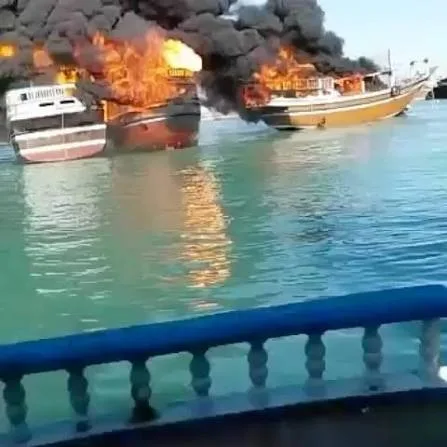
Local sources say that the burning of dhows and boats is not just the burning of a few vessels; what is destroyed in each wave of bombing is the lives of thousands of families whose livelihoods depended on these small dhows and boats. The south is under fire; yet those who boast about war and shout against agreements and negotiations do not even dare to be present in these bombed areas.
Silence in the Face of the Livelihood Crisis
Representatives and those with platforms who chant "Long live the war" have no answer but silence to the fundamental question of who is going to provide for the livelihoods of people whose homes and sources of income have been destroyed. Corruption, rent-seeking, and a rentier economy that for years has deprived the southern people of their fair share of resources and opportunities seem to be insufficient even for those benefiting from sanctions and war; as the result of this trend appears to be nothing but further destruction of the lives of southern people.
The Bitter Tale of the South
These days, the story of the south is a mix of fire and heat; bombs and the burning sun, poverty and despair, and watching the burning of what had become a small capital for continuing life through years of hardship and toil. The south is the heart of Iran and today it is burning. People whose livelihoods are on the brink of destruction have yet to receive a clear response from the authorities. It seems their only share is suffering, wounds, and waiting; people who have been the guardians of Iran's borders, but their share from these years has been nothing but blood and grief.
Increasing Damages and Lack of Solutions
Meanwhile, daily news only tells of the continuous increase in damages, without offering a clear solution for their compensation. Rebuilding the docks will take years, and a fleet of boats and dhows, many of which, even if war damage compensation funds are established, will likely remain without support and compensation.