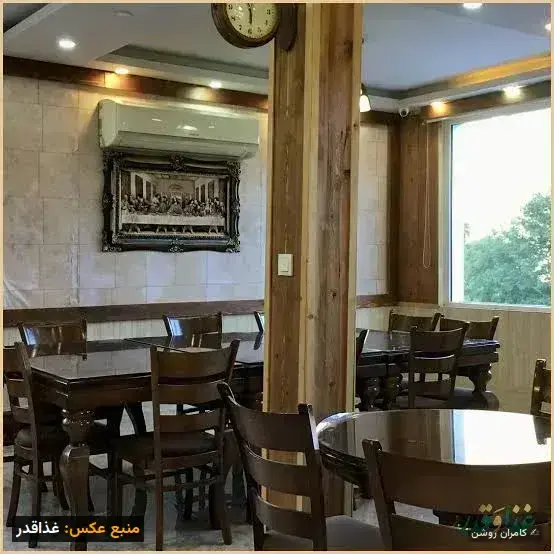
Inflation and economic pressure have unprecedentedly affected the restaurant industry in Iran. The continuous rise in the prices of raw materials and the decrease in people's purchasing power have fundamentally changed the dynamics of this market. Many long-standing restaurants have been forced to close, and those still operating have turned to removing expensive dishes and offering economic menus. This situation has caused industry players to see the food sector under the simultaneous pressure of rising costs and declining demand.
The Recession That Started in the Kitchen
Restaurant owners believe that economic pressure has affected this industry in two ways. On one hand, the rapid increase in the prices of meat, chicken, oil, and other raw materials has raised the cost of each meal. On the other hand, the reduced financial capability of households has led many people to remove dining out from their list of essential expenses or significantly reduce its frequency.
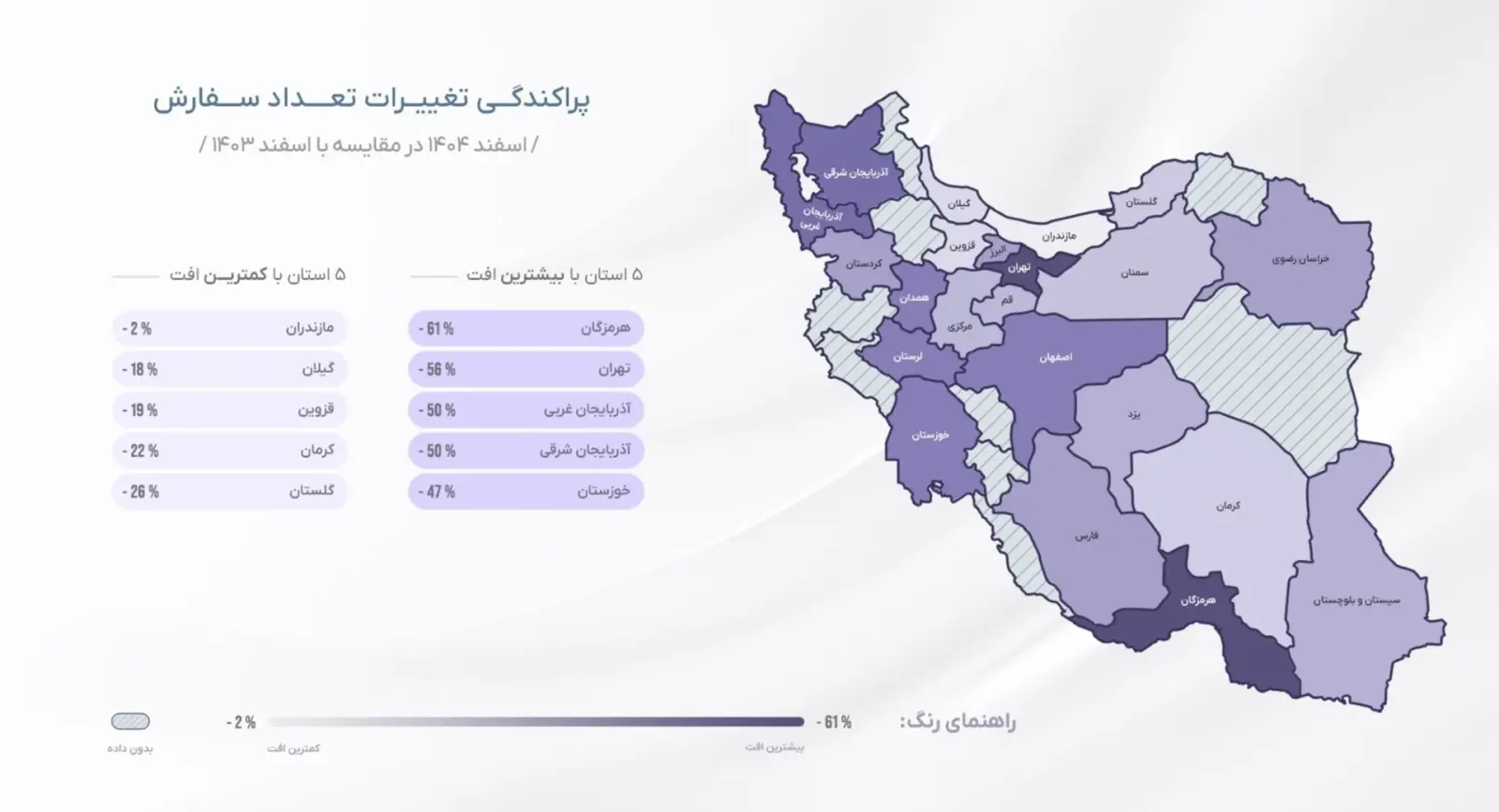
Statistics show that food orders have decreased in various provinces across the country. Hormozgan has recorded the highest decline with a 61% drop, and Tehran, with a 56% decrease, is among the affected provinces. Official data from the Iranian Statistics Center reports a sharp increase in the prices of restaurant consumables, with oil, sauces, and a significant rise in the prices of various meats and protein products, dramatically increasing food production costs.
Economic Menus; A Strategy for Survival
One of the most significant changes in the food market is the shrinking of restaurant menus and the increase in the share of cheaper foods. Competition, which a few years ago was based on quality and variety, is now more focused on price. Offering economic meals, small portions, half portions, student meals, and wraps has become one of the most common strategies for restaurants to retain customers. These changes are more than just a marketing strategy; they are the result of economic compulsion and the continuous increase in production costs.
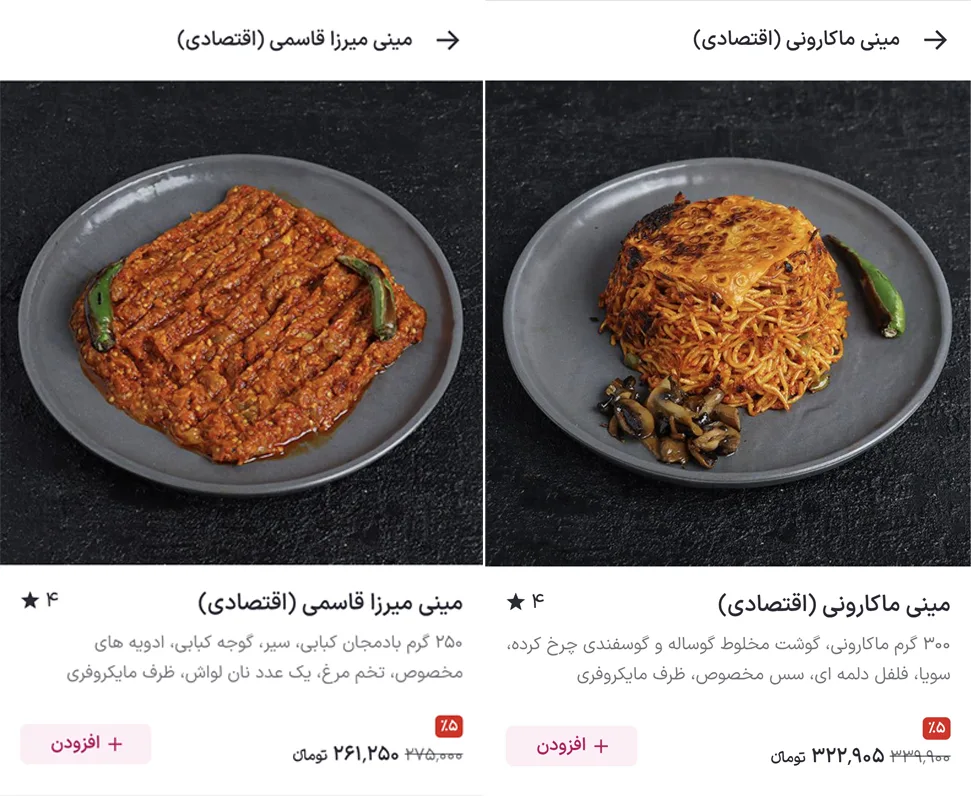
Experts warn that if the trend of rising costs and decreasing purchasing power continues, more restaurants will exit the market, and economic menus will become the dominant feature of the food industry. Thus, inflation has not only increased food prices but also noticeably changed the way restaurants operate and the consumption patterns of Iranian households.