South Under Fire; When War Targets Daily Life
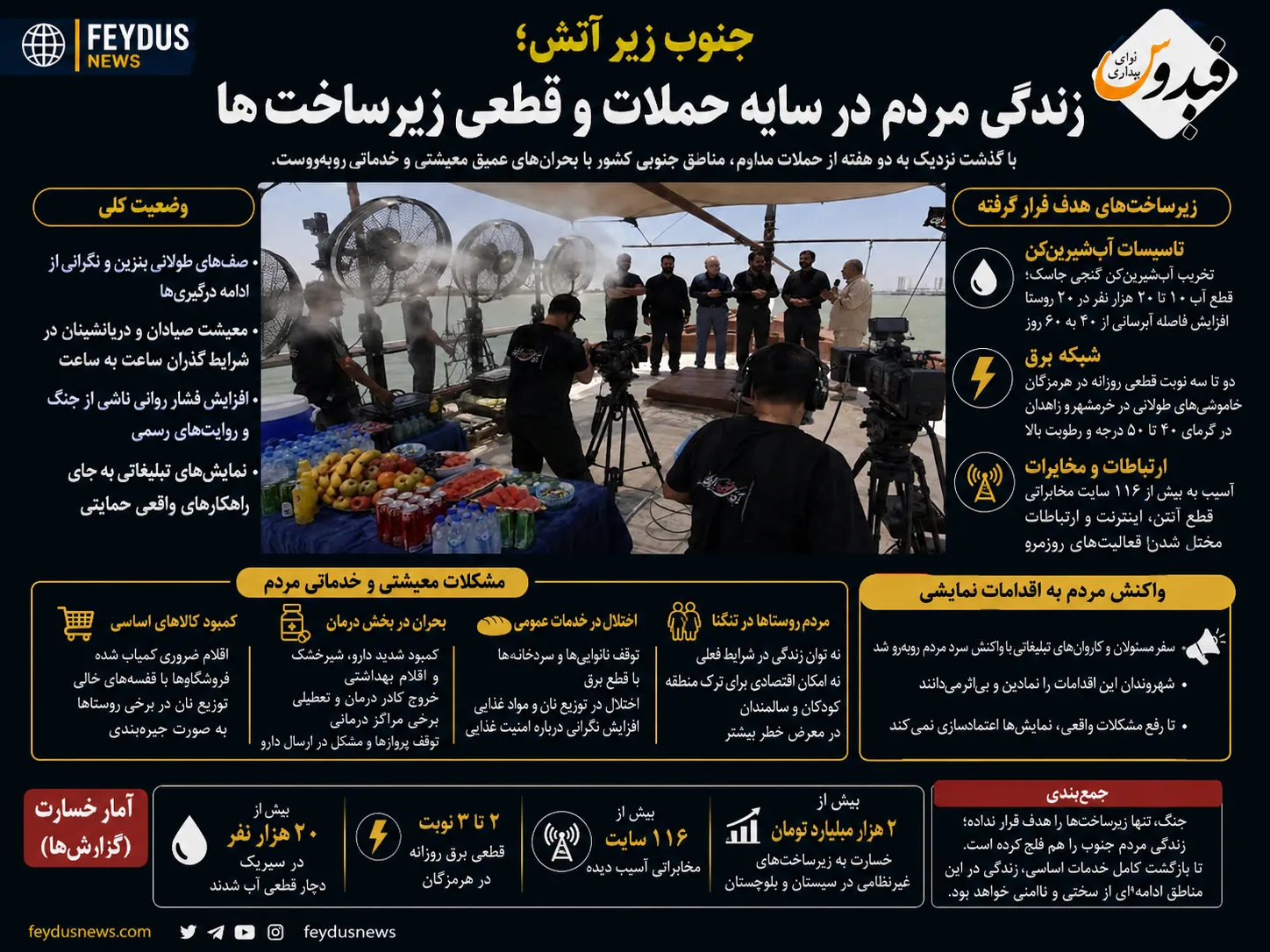
Ongoing military conflicts in the southern regions of Iran have confronted the residents of Hormozgan, Bushehr, Khuzestan, and Sistan and Baluchestan provinces with new crises. Nearly two weeks into the continuous attacks, many families say their resilience against the consequences of war has significantly diminished. Alongside direct damages, the psychological atmosphere resulting from the continuation of attacks and official narratives about the necessity of continued resistance have imposed additional pressure on the people of these areas.
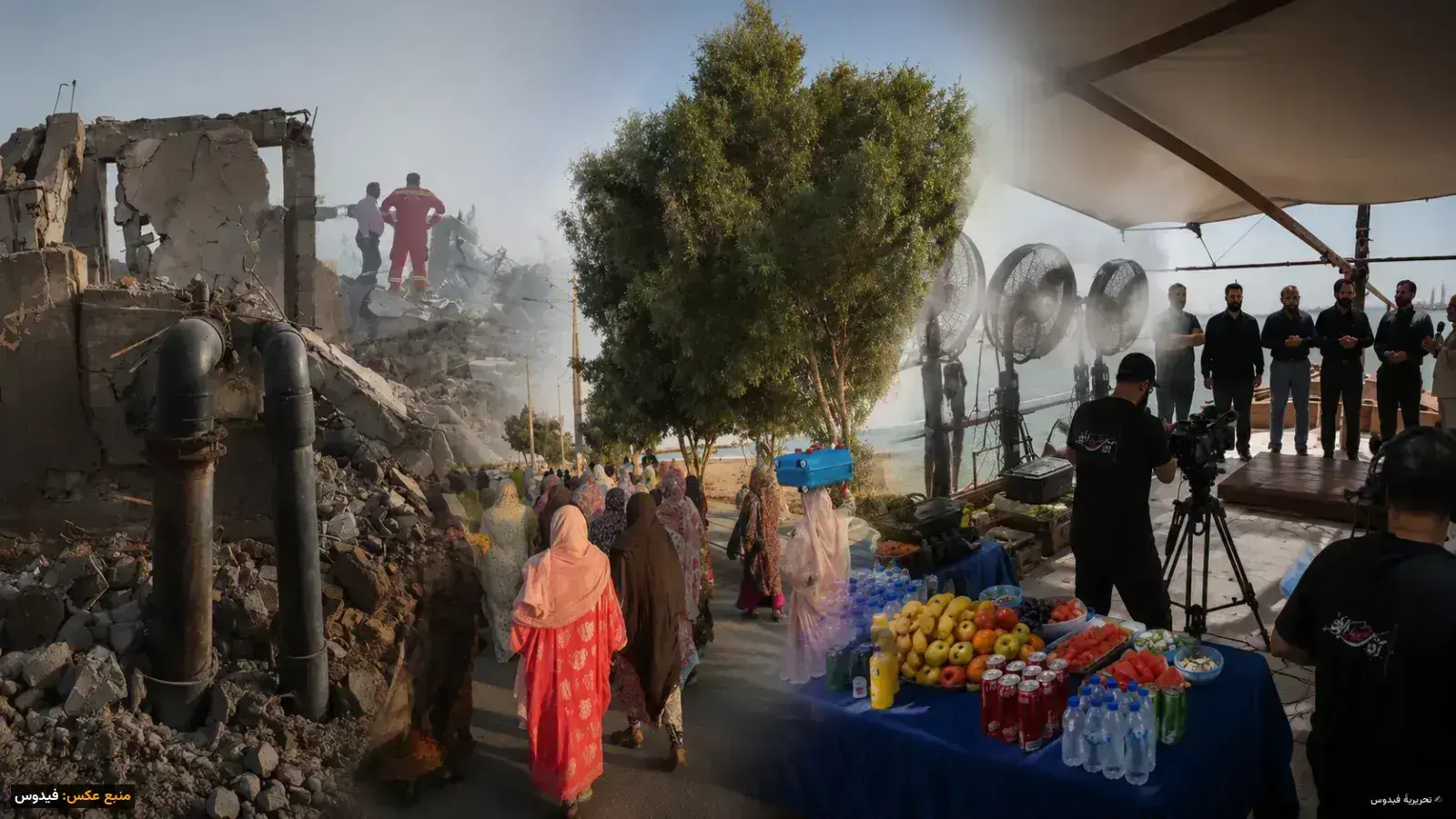
The signs of this situation are clearly visible in daily life; from long queues at fuel stations to the concerns of families whose income depends on fishing and maritime activities. Many of these households have even lost the ability to store essential items, and their lives have been limited to meeting daily needs. In such conditions, some citizens believe that symbolic actions by officials, including provincial trips and cultural and media programs, have not been able to address the real problems of the people.
Damaged Infrastructure and Disruption in Vital Services
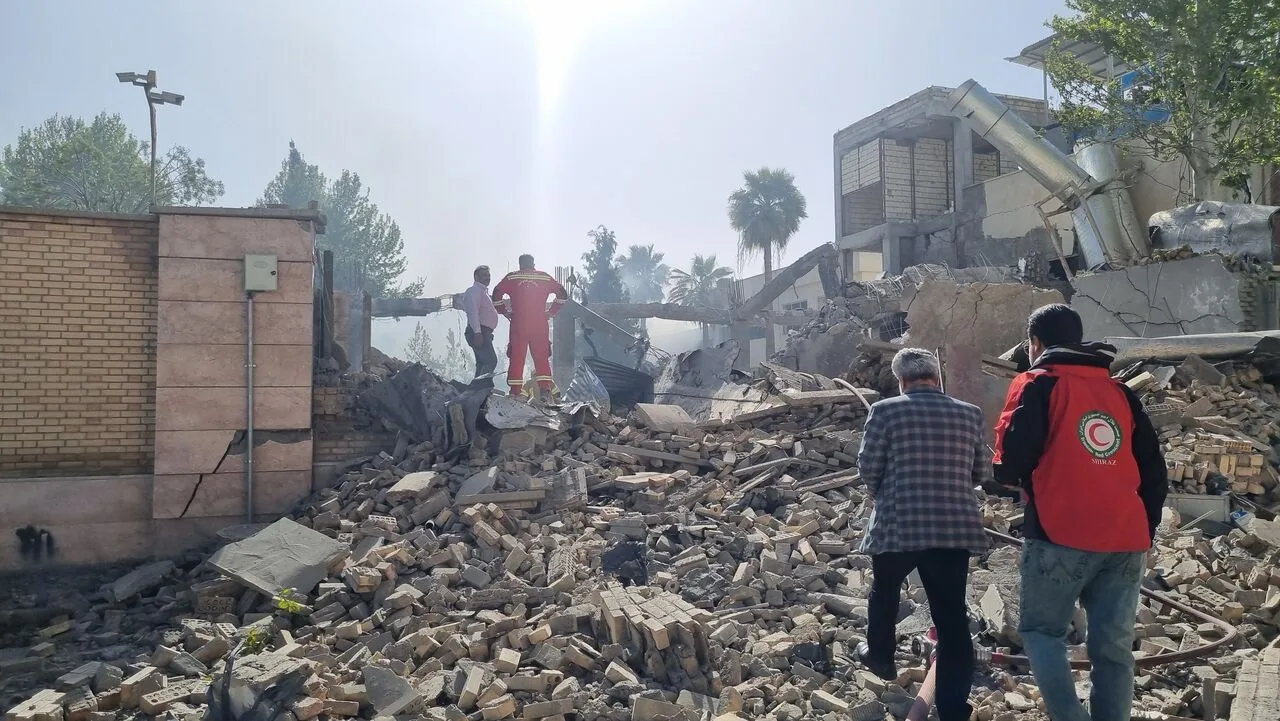
Attacks on some civilian facilities, including desalination plants, power grids, communication routes, and telecommunications equipment, have seriously disrupted essential services. In Hormozgan, damage to the desalination plant in the village of Ganji in western Jask has led to the cutoff or limitation of access to drinking water for thousands of people in dozens of villages, and prior to that, the destruction of water reservoirs in Sirik had confronted a significant population with water shortages. At the same time, the increased time intervals for water supply to some villages have raised concerns about the continuation of this situation.
Frequent power outages have also doubled the problems in the intense heat of the south. The blackouts, in addition to disabling cooling systems, have disrupted the supply of water, telephone, and internet communications, creating additional risks especially for children, the elderly, and patients. There have also been reports of damage to dozens of telecommunications sites and extensive damage to civilian infrastructure, which has directly affected service delivery.
Citizens' Narratives; Shortage of Goods and Medical Services
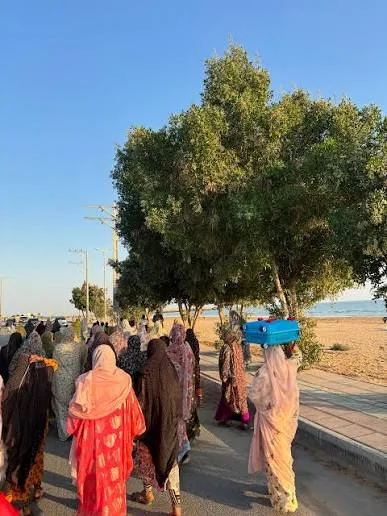
Field reports and narratives from some residents of the southern regions present a different picture of the current conditions. According to them, shortages of essential items, disruptions in bread distribution, reduced store activities, and difficulties in transporting goods have seriously challenged daily life. Some also report bread rationing in some villages and reduced access to food supplies.
In the healthcare sector, shortages of medicine, baby formula, and hygiene items, along with the reduced presence of some medical staff and limited transportation routes, have made the provision of medical services difficult. Residents of some areas, including Qeshm, say the closure of some pharmacies and restrictions on drug delivery have reduced patients' access to healthcare services. This is while some official statements indicate adequate drug supply in these areas; a point that, according to some citizens, does not align with field realities.
The Gap Between Official Narratives and People's Experience
As problems intensify, the presence of some officials and media groups in the southern regions has met with mixed reactions. Some citizens view these visits as more symbolic actions and believe that until issues like water and power outages, goods shortages, and disruptions in medical services are resolved, such programs will not have a tangible impact on their situation.
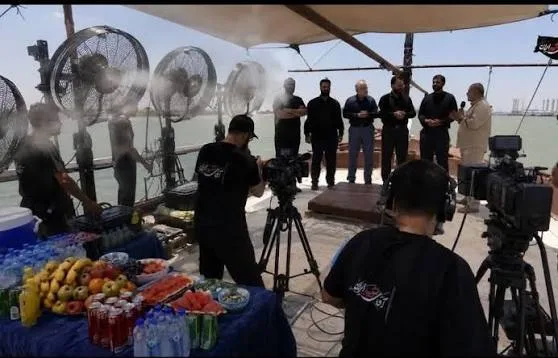
Overall, the continuation of conflicts, in addition to infrastructural damages, has highlighted the gap between official narratives and the daily experiences of some residents of the southern regions. Although the government has announced the start of damage assessment and planning for infrastructure reconstruction, until the full restoration of essential services, a significant portion of citizens will continue to struggle with the livelihood and service challenges caused by the war.