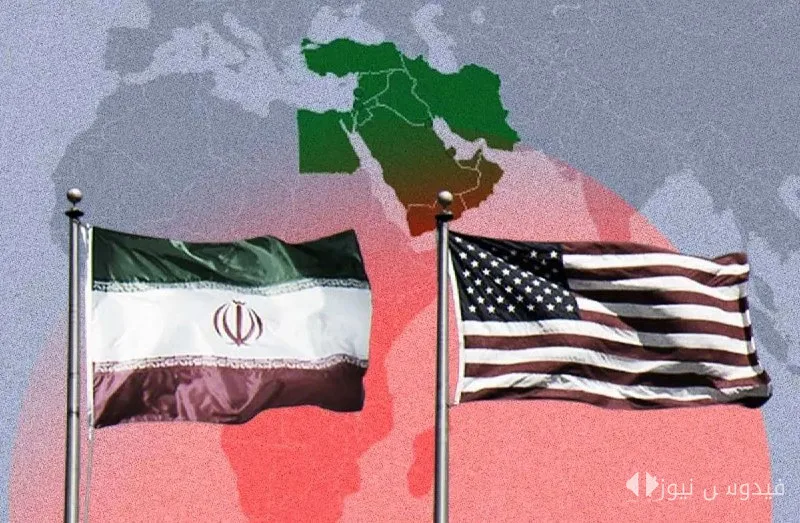
As tensions between the Islamic Republic and the United States enter a new phase, the threatening tone of Tehran's officials, alongside Washington's military movements in the region, has once again fueled speculation about the scenarios ahead for Iran. Donald Trump, the President of the United States, is pursuing a broad deployment of military forces and equipment in the Middle East without emotional reactions; a strategy that observers believe is more a part of a maximum pressure strategy to compel Tehran to retreat than a precursor to an all-out war.
Major and Decisive Deals
However, many observers believe that the determining factor will not be Iran's internal capabilities, but the quality and extent of Russia and China's dealings with the West. In this context, some analysts discuss the connection of these developments with larger equations such as the Abraham Accords, the role of Israel, and the mediation of actors like Qatar, Saudi Arabia, and Turkey; a collection that some have dubbed the 'new century deal.'
In such an atmosphere, the upcoming weeks and the final days of Bahman are considered a sensitive and decisive period, not only for the Islamic Republic but also for the balance of power in the Middle East; a period whose consequences could influence the political and security equations of the region for years to come.