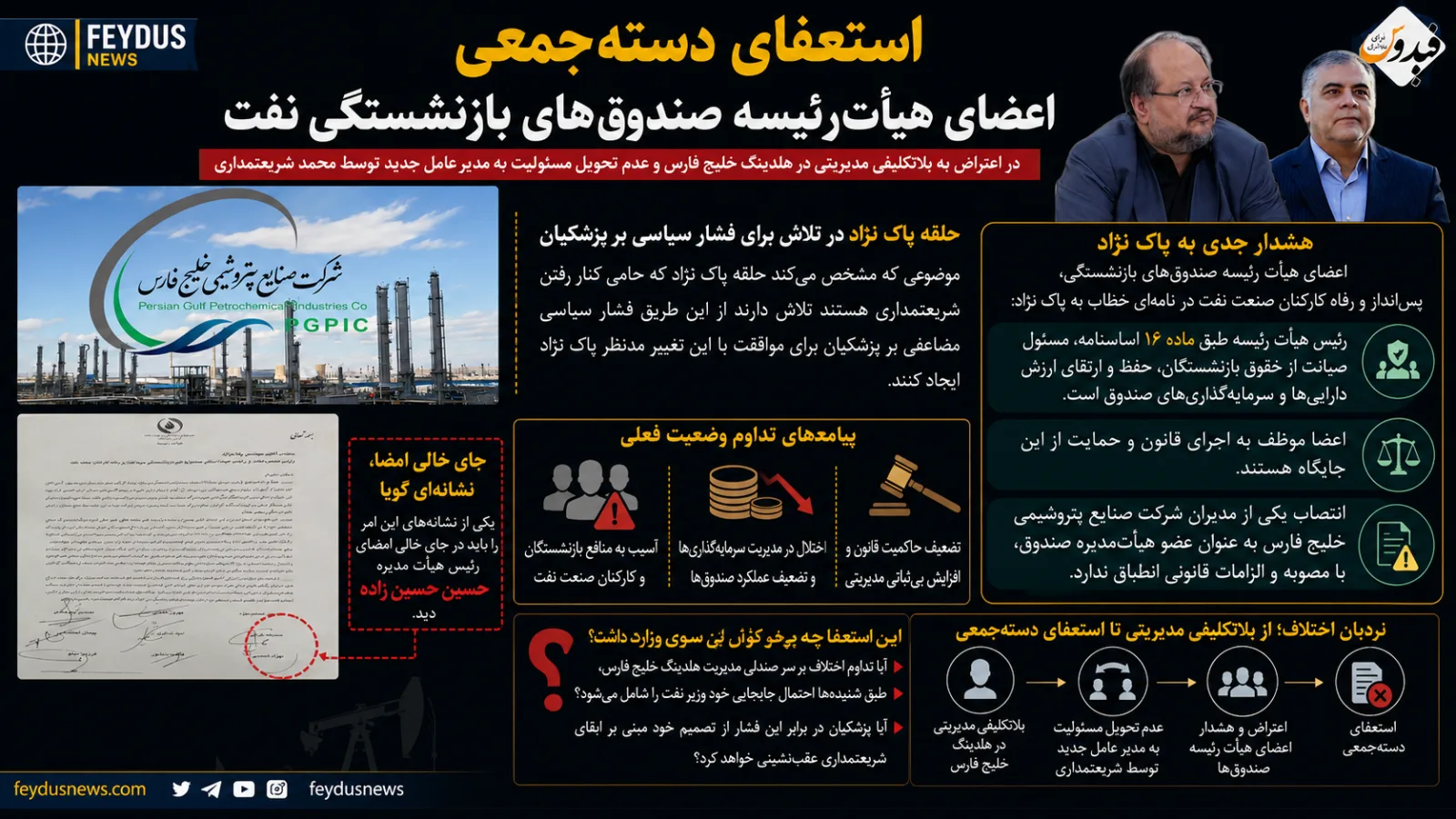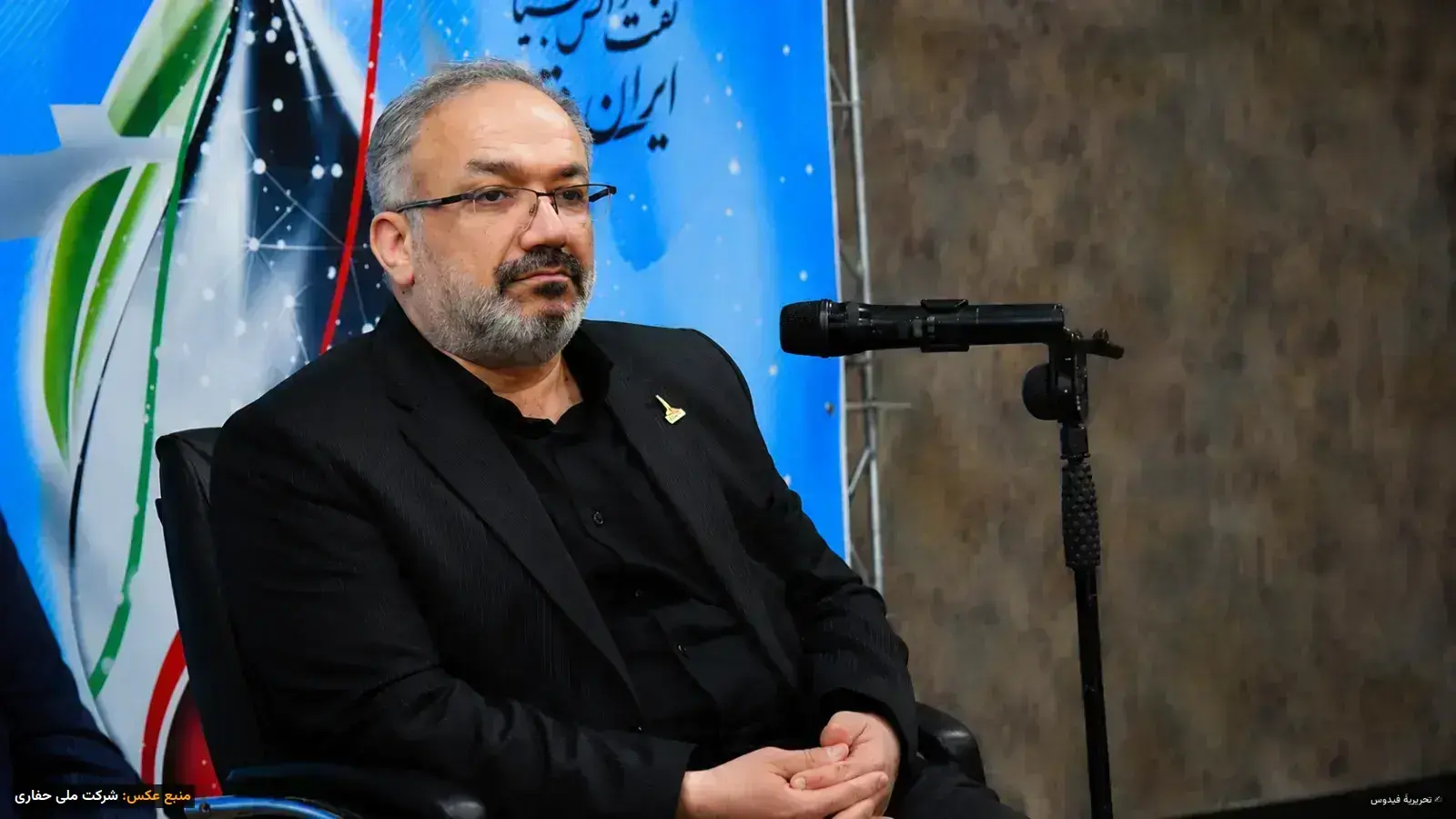
Following management uncertainty in the Persian Gulf Holding and the failure to hand over responsibilities to the new CEO by Mohammad Shariatmadari, members of the board of trustees of the oil pension funds collectively resigned. This action indicates the effort of the Paknejad circle to exert political pressure on Pezeshkian to agree with their desired change.
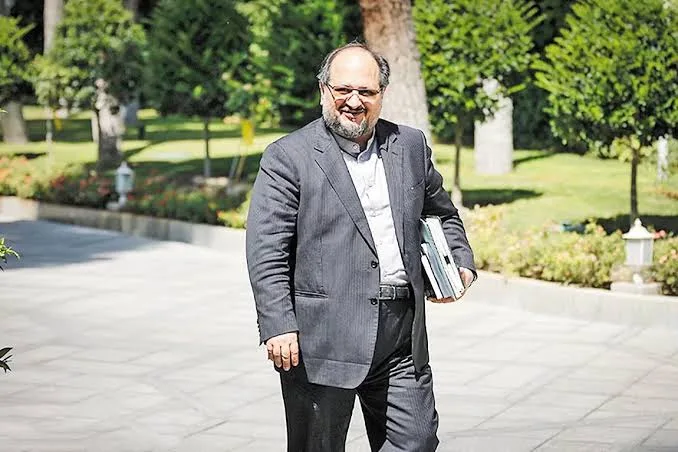
In recent weeks, the issue of retaining or dismissing Shariatmadari has become a point of contention among corruption rings over the control of the management seat of the Persian Gulf Holding, with evidence pointing to a deep rift between the Minister of Oil and Masoud Pezeshkian. Speculations suggest threats of resignation by the Minister of Oil and, on the other hand, warnings from Shariatmadari's supporters about Pezeshkian accepting this resignation.
This confrontation, regardless of which side holds the upper hand, has created a crisis in decision-making in the country's most important energy holding, and reports indicate that the struggle over lobbying for management seats in the holding's subsidiaries has intensified.
Signs of Political Pressure
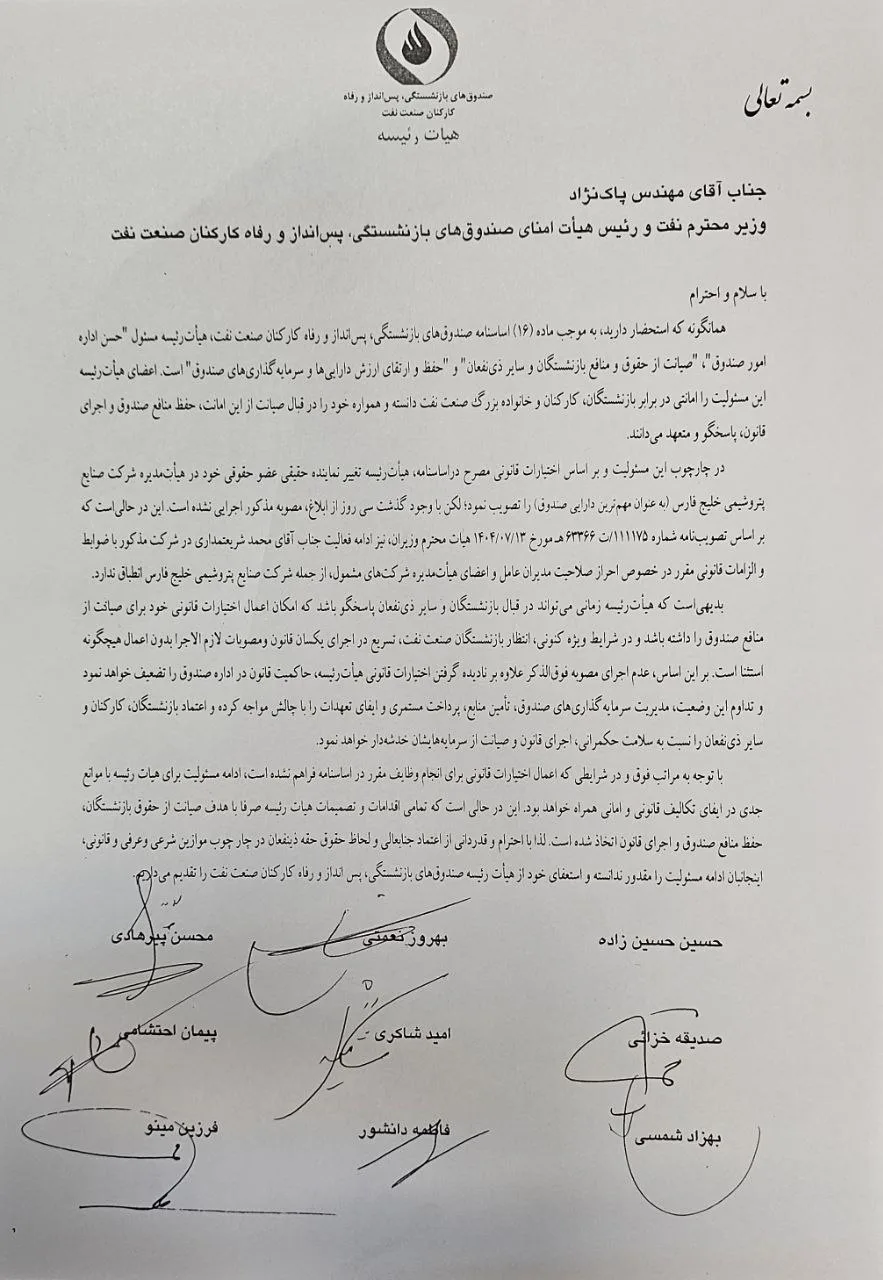
One sign of this political pressure is the absence of the signature of Hossein Hosseinzadeh, the chairman of the board, on the resignation letter. Members of the board of trustees of the pension, savings, and welfare funds of the oil industry employees have warned Paknejad in a letter about exercising the legal powers of the chairman of the board of trustees.
In this letter, citing Article 16 of the fund's statutes, it is emphasized that the chairman of the board is responsible for safeguarding the rights of retirees, maintaining and enhancing the value of the fund's assets and investments, and members are obliged to enforce the law and support this position. The authors of the letter also pointed to the appointment of one of the managers of the Persian Gulf Petrochemical Industries Company as a member of the board of trustees, claiming that this appointment does not comply with the resolutions and legal requirements.
Management Consequences
The letter states that the continuation of this situation could lead to the weakening of the rule of law, disruption in the management of the fund's investments, and harm to the interests of retirees and oil industry employees. This letter was published amid ongoing disputes over the management status of the Persian Gulf Holding and the continued presence of Mohammad Shariatmadari, despite demands for his resignation.
The Future of Shariatmadari and Paknejad's Management
It remains to be seen what reaction this resignation will elicit from the Ministry of Oil and subsequently the government regarding the management issue of the Persian Gulf Holding. Will the ongoing dispute over the management seat of this holding, as rumored, include the potential replacement of the Minister of Oil himself, or will Pezeshkian back down from his decision to retain Shariatmadari under this pressure?