
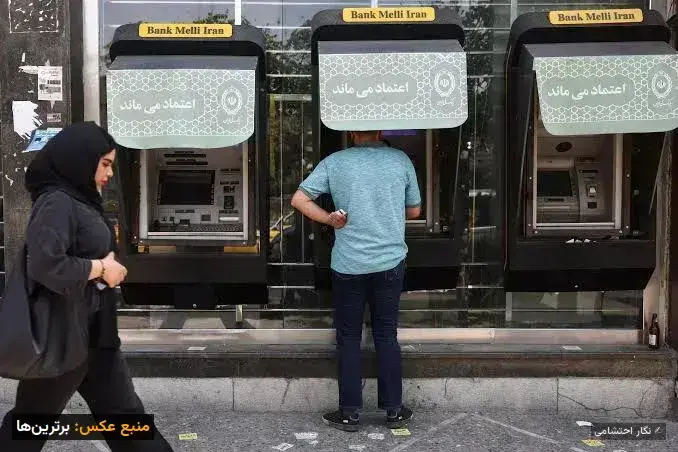
More than 25 days have passed since the widespread disruption began in some of the country's major banks, yet issues with National, Export, and Commerce banks persist, and a significant portion of customers still face difficulties in transferring funds, using non-attendance services, and receiving interest on their deposits. The persistence of this situation indicates that the crisis is no longer merely a technical disruption but has become one of the major economic and banking challenges in the country.
Heavy Costs for the Economy and Businesses
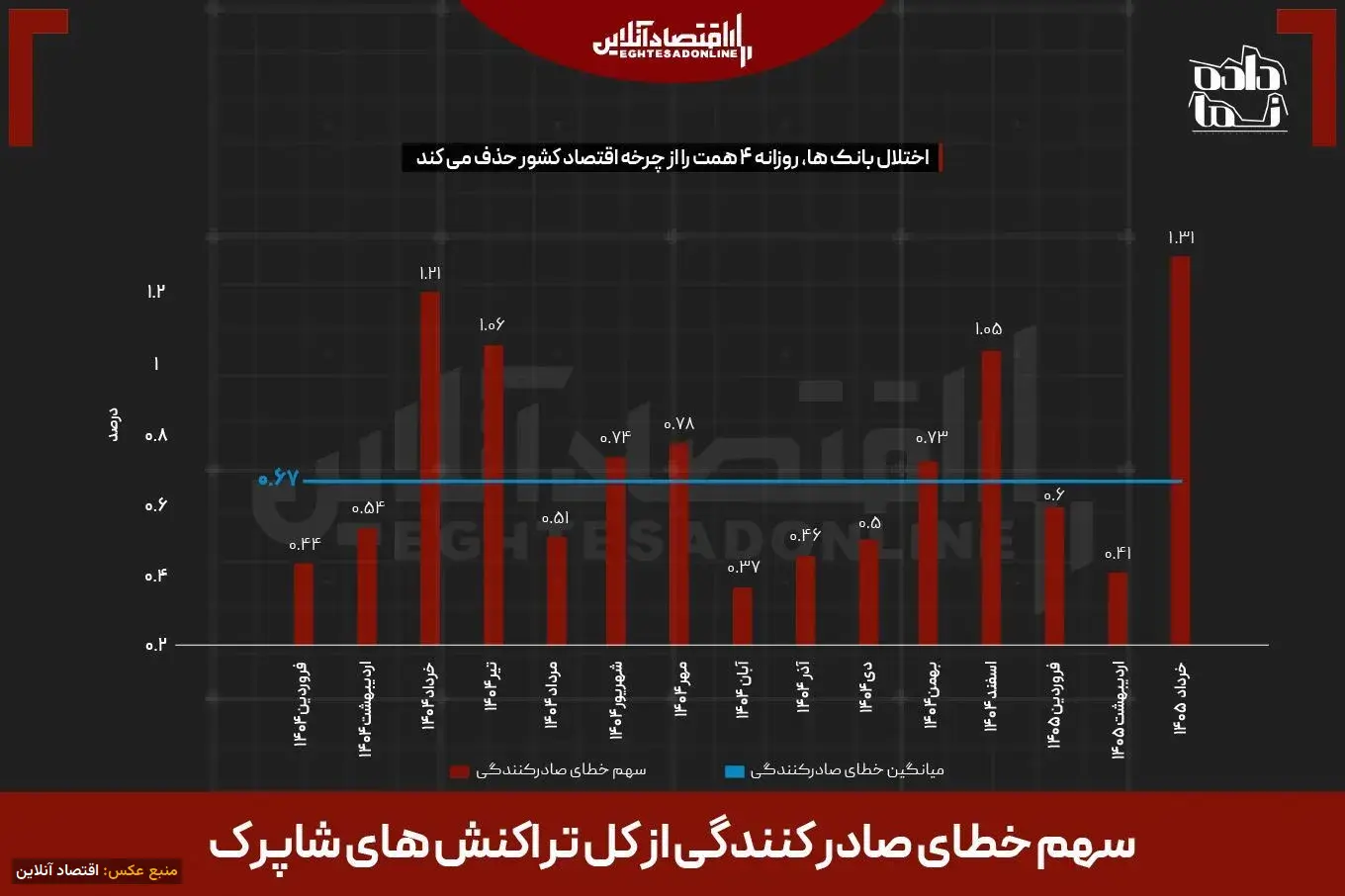
The ongoing disruption in the banking network has had direct impacts on economic activities. Estimates based on Shaparak network data show that this situation has affected billions of tomans in economic transactions daily, with total damages exceeding 100 trillion tomans. Additionally, the increase in unsuccessful transactions and the noticeable decrease in the value of banking transactions are signs of the depth of the crisis in recent weeks.
This disruption has disrupted the operations of many businesses, especially small and medium-sized enterprises. Many economic operators have been forced to use accounts from other banks or even cash methods for payments; an action that, in addition to increasing operational costs, has also slowed down financial transactions.
Uncertainty in Crisis Management
In the early days, banking officials declared the source of the problems as a cyber attack and emphasized that customer information was completely secure. However, the ongoing disruptions have shifted public attention more towards crisis management and the process of restoring services rather than the source of the incident.
In recent weeks, the full return of systems has been announced several times, but these promises have not been fulfilled. This issue has increased the uncertainty among customers and economic operators. Experts also believe that the most significant weakness is the lack of transparent communication about the status of the systems and the exact end time of the crisis.
One of the most significant consequences of this crisis is the problems created for depositors. Multiple reports indicate that some customers have not yet succeeded in receiving interest on their long-term deposits, and in some cases, there are restrictions on withdrawing the principal deposit or transferring funds to other banks.
Some bank branches have informed customers that the process of data recovery is still ongoing and that overdue interest payments will be made after this process is completed. This situation has created livelihood problems for those whose main income is from deposit interest and has increased concerns about access to banking assets.
Decreased Trust; The Biggest Challenge Ahead
Beyond financial losses, the most significant consequence of this crisis is the decline in public trust in the banking system. Experts believe that the main capital of banks is customer trust, and rebuilding this capital, even after fully resolving technical issues, will be time-consuming.
In recent weeks, many customers have announced on social media that they will transfer their funds to other banks once conditions normalize. Although no official statistics on the amount of deposit transfers have been released, banking industry activists believe that increased competition among banks to attract funds and the withdrawal of some deposits from affected banks is not unexpected.
Overall, the continuation of this disruption, in addition to creating daily problems for millions of customers, has also affected business operations and the flow of economic transactions. The most important demand of depositors and economic operators now is the full return of banking services along with transparent communication and a specific plan to compensate for damages and rebuild public trust.