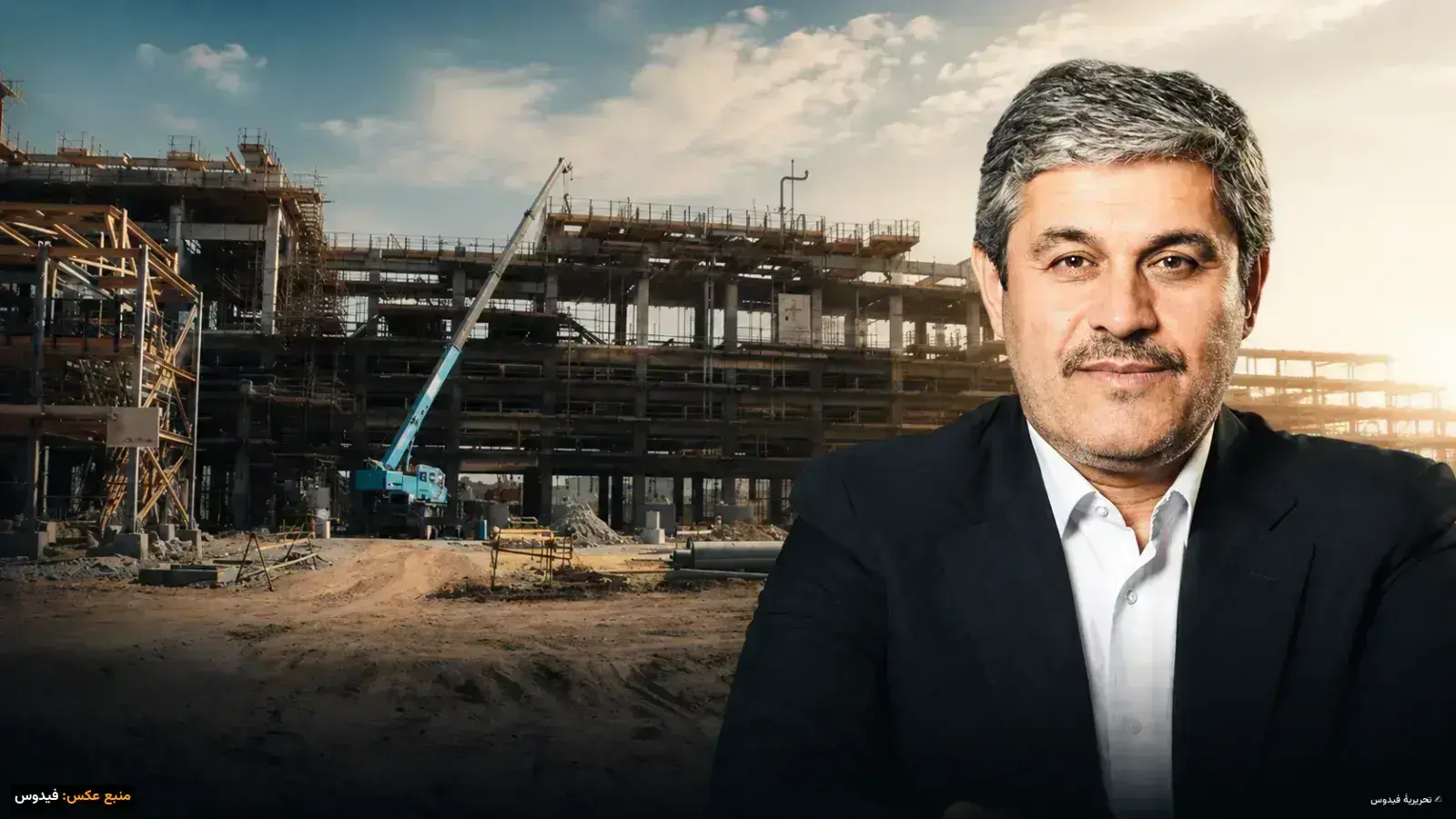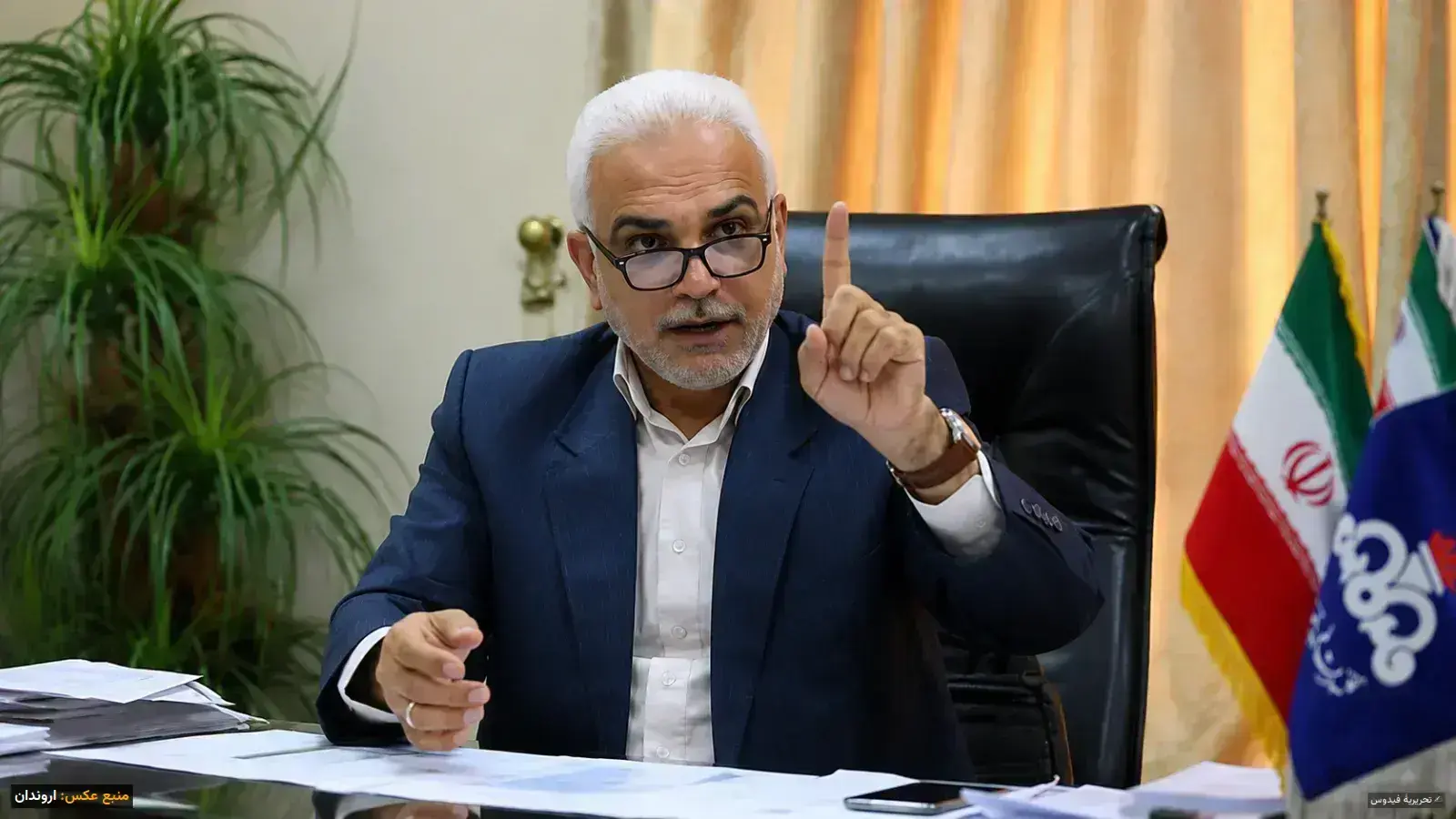
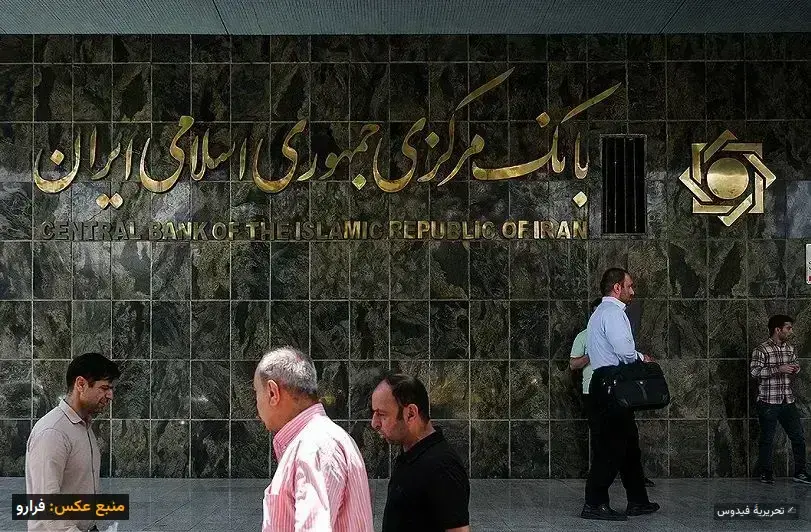
From the early days of Masoud Pezeshkian's government, banking system reform, reducing bank imbalances, and serious combating of corruption have been announced as key economic priorities. In this path, close cooperation between the Ministry of Economic Affairs and Finance and the Central Bank was proposed as a strategy to achieve these goals. However, managerial changes in banks and insurance companies, especially with Abdolnaser Hemmati's entry into the Central Bank, have drawn much criticism.
Contradiction Between Slogans and Performance
Critics believe that the recent appointments have not only failed to solve managerial problems in the banking network but have also brought back the discussion of the influence of limited managerial circles and old decision-making patterns. This contradiction between the government's slogans about transparency and structural reforms and their practical performance has raised new questions about economic reforms.
Managerial Changes; Return of Old Faces
With Hemmati's entry into the Central Bank, the government introduced this change as part of its plan to control the money market and reform the banking structure. The President emphasized the necessity of combating rent-seeking and organizing imbalanced banks in the appointment decree of the Central Bank Governor. However, over time, disagreements between the Ministry of Economy and the Central Bank over the selection of bank managers became apparent.
Many media outlets have warned about the return of managers who previously held key positions in the banking system. The appointment of retired managers or those close to previous managerial circles, especially in the structure of state-owned banks, has been a main point of criticism. According to experts, the lack of seriousness in enforcing the law prohibiting the employment of retirees has added to existing complexities.
Bank Melli; Center of Controversy
In recent months, media attention has been focused on managerial changes at Bank Melli Iran. Due to its key role in government financing, this bank is always considered one of the most important centers of economic decision-making. Speculations about the change of the CEO of Bank Melli began in the winter of 1404, and eventually, the Minister of Economy took a different path by appointing Mohsen Seifi Kafshgari.
This decision, along with the dismissal of the previous CEO, fueled media disagreements between supporters of the Minister of Economy and those close to the Central Bank Governor. Some analysts believe that what happened at Bank Melli was more indicative of competition over managing one of the country's most important state-owned banks than real structural reforms.
Is Changing Managers Enough?
Economic experts believe that the problems of the banking system are not limited to individuals. Challenges such as the method of allocating large facilities, weak supervision over major debtors, and chronic bank imbalances are structural issues that will not be resolved by managerial changes alone. Until the mechanism of granting facilities and supervising bank performance is reformed, managerial changes will not have a significant impact.
The question arises as to why some banks with controversial cases or extensive structural problems have not been prioritized for managerial changes. Concerns about the continued influence of power networks remain prevalent and require serious attention and action.