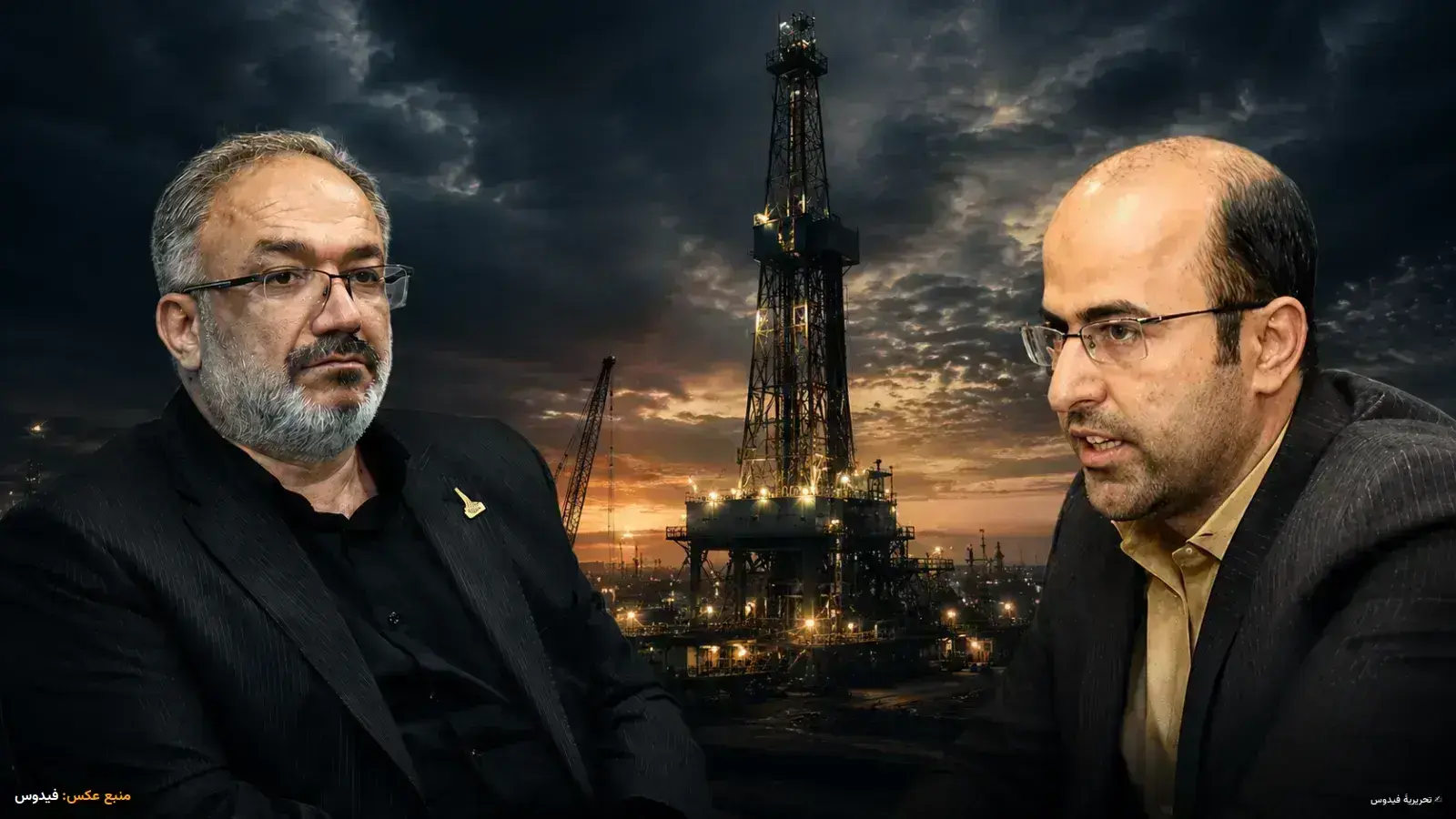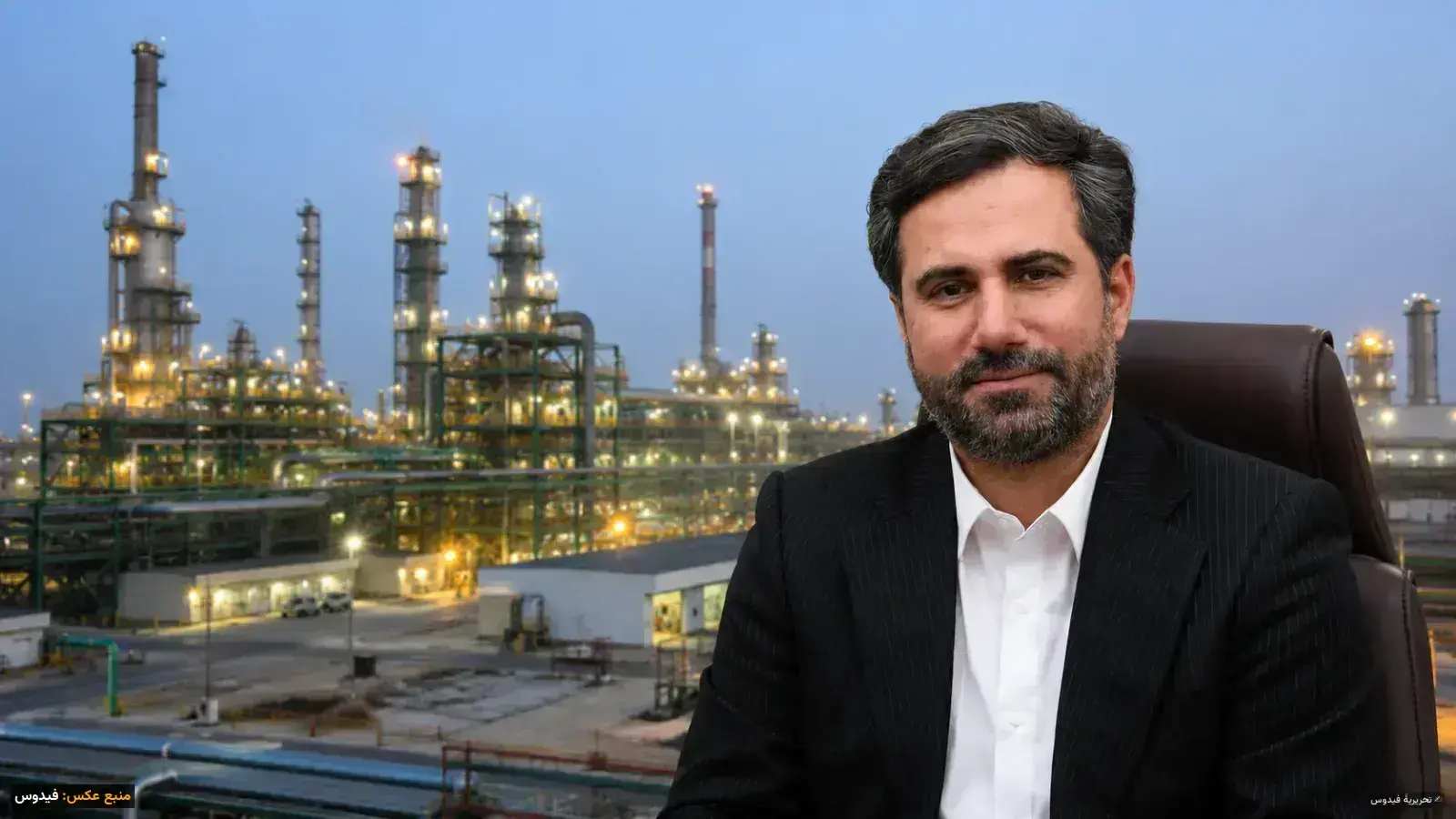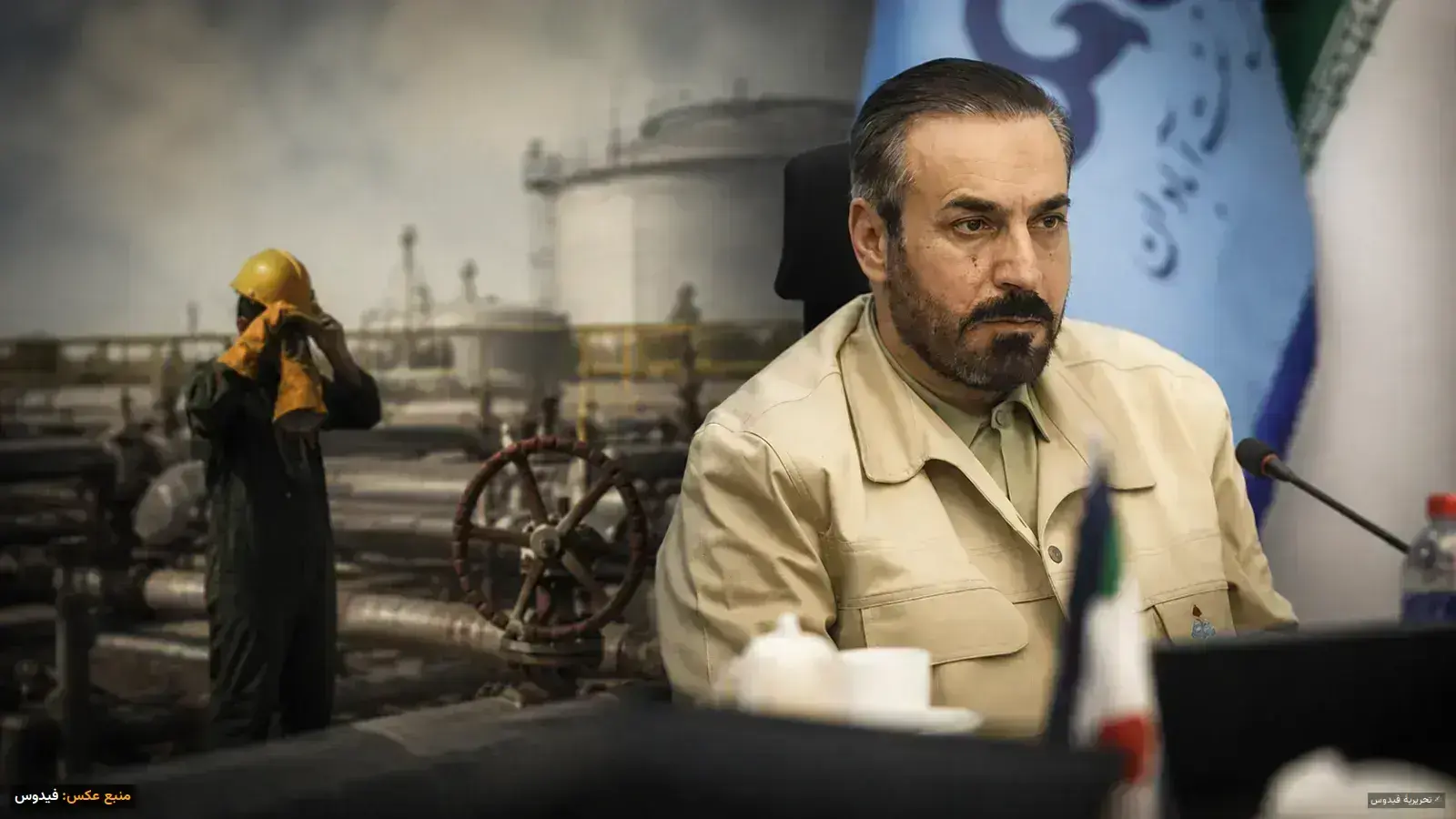
The case of the tender for the purchase of over 4,000 drilling items at the Arvand Oil and Gas Company has recently become one of the hot and controversial topics among industry activists and experts. The value of these tenders, estimated at around $250 million, has raised multiple questions regarding the necessity, the process of holding them, and especially their sudden cancellation.
Why Was It Canceled?
Following the sudden cancellation of these tenders after receiving documents from participants, some officials have cited "the lack of document uploads by contractors" as the reason for this decision. However, critics, citing existing documentation, claim that the required documents were fully uploaded and are calling for clarification regarding the real reason for the cancellation of the tenders.
Silence of the Managers and Financial Ambiguities
The silence of Hamid Daris, the CEO of the Arvand Oil and Gas Company, and Saeed Majdam, the technical manager of the company, has added to the ambiguity in this case. This silence, along with existing uncertainties about the actual need to purchase this number of items at a time when a significant portion of drilling operations has been outsourced to contractors, has raised serious questions.
Moreover, regarding some contracts related to the preparation and support of drilling locations, claims of non-transparent allocations through bypassing formalities have been raised. Critics believe that in projects with this financial magnitude, it is necessary for all related documents to be transparently published.
The name Saeed Majdam has also been mentioned in some media discussions as one of the individuals who may have played a role in the allocation process. Allegations of pressure in the selection of contractors and the allocation of projects to a specific company have heightened concerns.
Transparency experts emphasize the importance of publishing tender documents and the reasons for bypassing formalities. Clarification in a case with financial dimensions of $250 million is not only a public demand but also a necessity for maintaining public trust and safeguarding national resources.