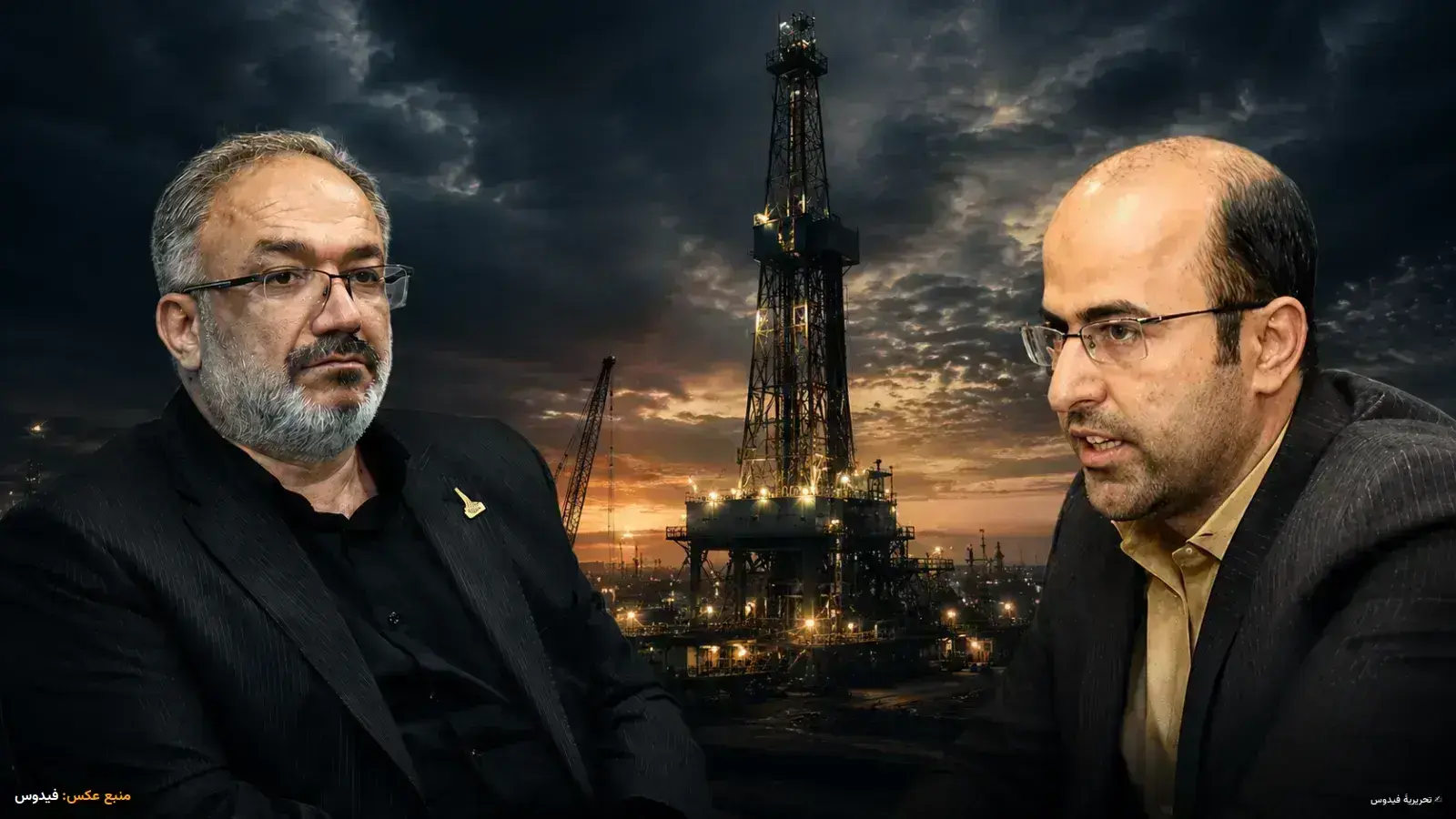
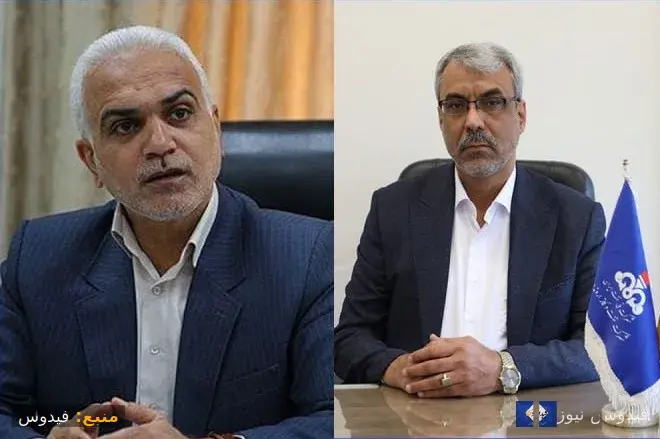
Amid a plethora of newly released reports, new challenges have emerged in the execution of the Darkhoein field drilling projects. These challenges have attracted attention not only due to exorbitant costs but also due to inefficiencies in operational results. Over $110 million has been spent on these projects, and there are still many ambiguities surrounding the spending and the results obtained.
Billion-Dollar Costs and Unsuccessful Results
According to available information, drilling operations in wells number 7 and 8 of Darkhoein have continued over the past 11 months. The daily rate of rigs stationed at these two wells alone has been estimated at over $36.5 million. In addition, more than 2.2 million liters of diesel, valued at nearly 88 billion tomans, have been consumed in these projects. However, some critics believe that the wells still face operational issues and actions like freeing the drill string and cementing have not led to desirable results.
The Shadow of Accusations on Technical Management
Meanwhile, the name Saeed Mojadam, the technical affairs manager of Arvandan Oil and Gas Company, has been specifically mentioned. Some internal sources refer to him as a "broker of chemicals and additives for mud and cement." Critics believe Mojadam should be accountable for the expenditures and results due to his technical and operational decisions. Previously, reports of misconduct in drilling goods procurement tenders worth $250 million centered around him had been published.
A Circle of Ambiguities and the Need for Transparency
The use of oil-based mud and the impact of this decision on the progress of operations is another issue that requires explanation. Some believe that the halt of development projects and the shifting of financial resources have increased ambiguities. Critics have called on the CEO and the technical affairs manager of the company to provide a comprehensive report on costs, results, and technical documentation. Informed sources also report the key role of individuals like Hamid Deris, Reza Abbasi, and Abdullah Rafie in the ongoing misconduct of this company.
While documents of corruption in these cases have been published, the lack of effective response from regulatory bodies has raised many questions. Will this circle of corruption continue its work?