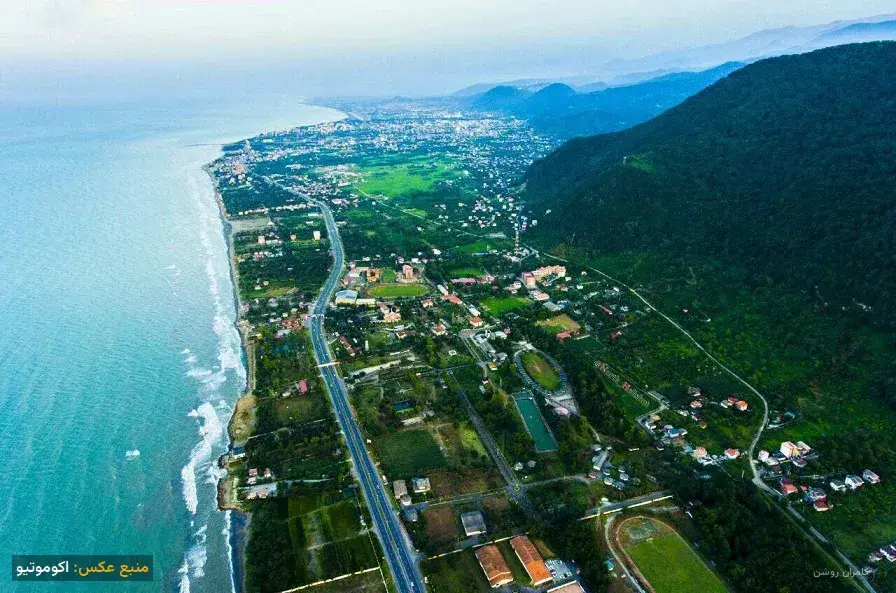
Economic activists and some merchants on Kish Island have expressed concern about the ongoing recession and declining market prosperity. Meanwhile, criticism of the performance of the Kish Free Zone Organization's management has also increased. According to critics, many businesses on the island are facing issues such as reduced cash flow, declining investment, and administrative difficulties. However, these issues have not yet been addressed with the speed and seriousness expected by them.
Managerial and Economic Challenges in Kish
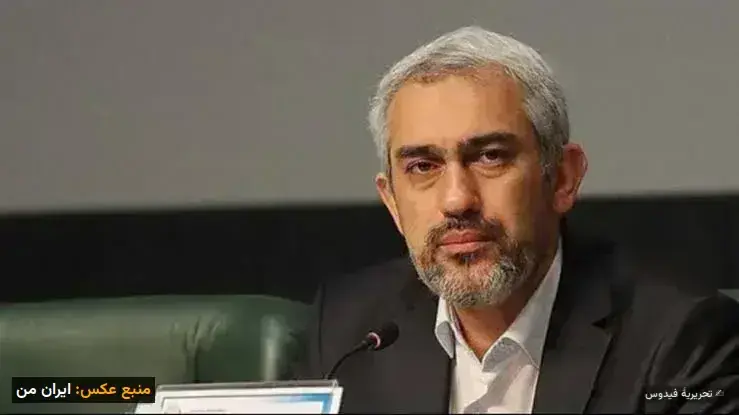
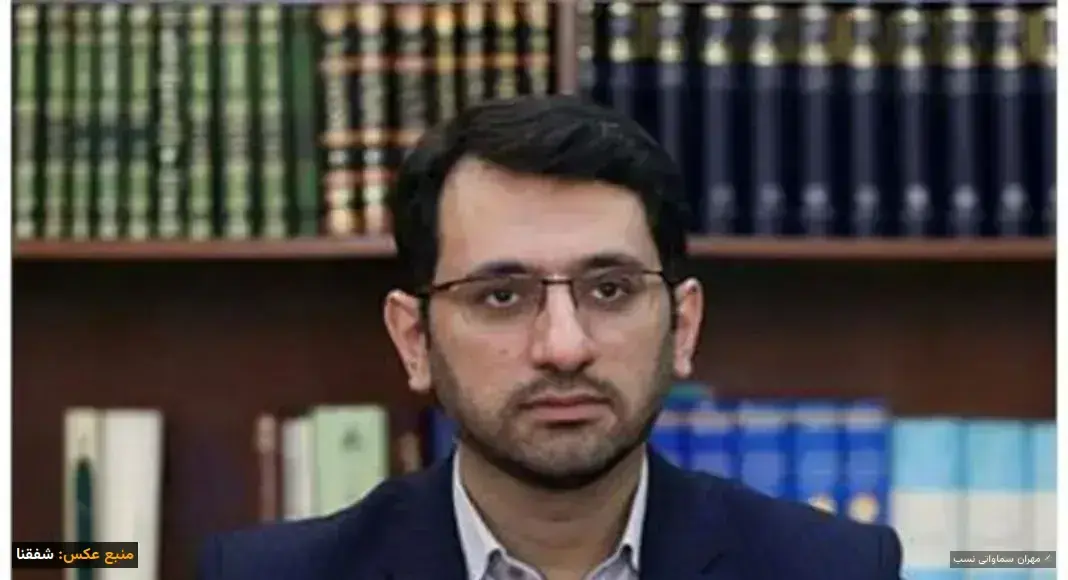
The inability of the free zone's management to create prosperity by resolving challenges related to flight disruptions and attracting tourists has led to a widespread wave of bankruptcies and business closures on the island. The performance of Mohammad Kabiri, CEO of the Kish Free Zone Organization, is criticized because, after about two years in this position, he still focuses more on political approaches rather than economic management and addressing the island's challenges.
Consequences of Political Appointments in Free Zone Management
Local activists consider the current situation an example of the consequences of political and factional appointments in free zone management. They believe that entrusting these areas to figures like Kabiri, who have a background in election campaign activities or political relations, can divert management's focus from the main mission of free zones, which is economic development, attracting investment, and facilitating the business environment.
Need for Specialized and Accountable Management
Proponents of this view emphasize that free zones, as one of the driving engines of Iran's economy, require specialized, accountable management based on economic indicators. Any dominance of political views over executive decision-making can reduce the efficiency of these areas. From the critics' perspective, continuing this trend risks turning free zones into arenas for political competition and the division of managerial positions; a matter that, in their belief, ultimately harms economic activists, investors, and residents of these areas the most.