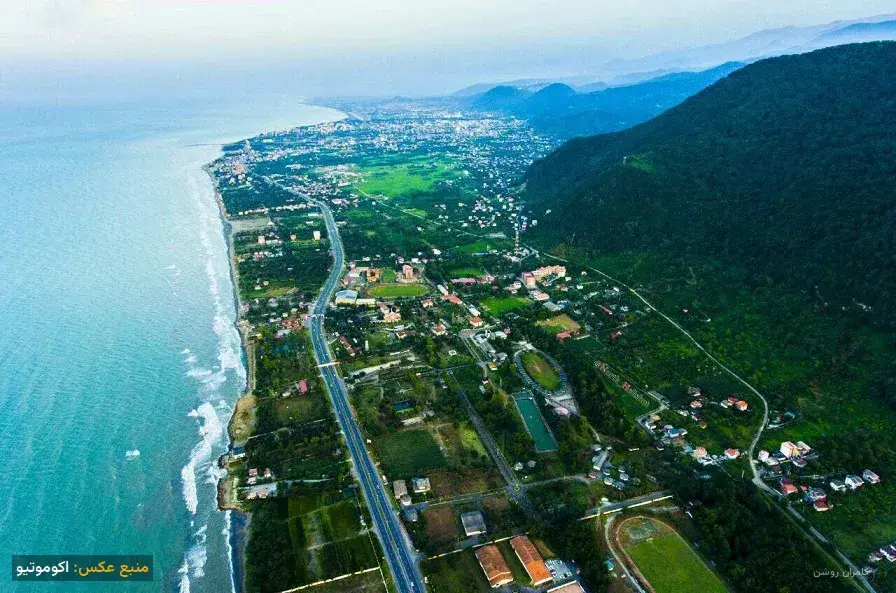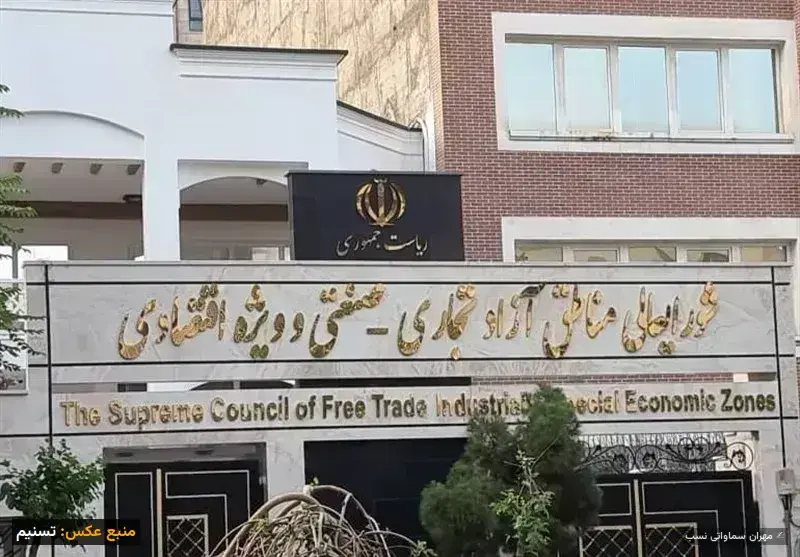
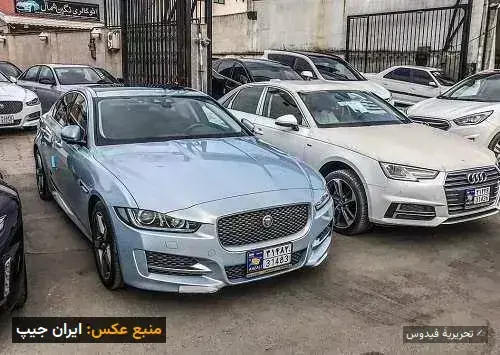
Free Zones in Iran were established with goals such as production, export, attracting investment, and technology transfer. However, in public perception, they are more known as places for the transit and purchase of imported cars. The overarching laws have set broad goals for these areas; from development and attracting investment to job creation, export development, market regulation, and active presence in regional and global markets. These goals appear comprehensive and developmental, but in practice, their multiplicity and sometimes inconsistency have become one of the main problems.
Lack of Transparency and Weak Oversight
The lack of transparency in financial and performance reports of free zones, weak oversight, and the absence of accurate databases have made it difficult to realistically assess the performance of these areas. In such an environment, production and export goals are sidelined, and import activities, especially car imports, take their place. This situation not only highlights the economic gap between free zones and the mainland but also portrays a consumer-driven society where the display of luxury goods overshadows productive work and manufacturing.
Reports from the Parliamentary Research Center also provide a clear picture of the failure of Iran's free zones. According to these reports, the share of free zones in the country's non-oil exports is about one percent, in total national production about one percent, and in active production units less than three percent. This is while the area of free zones is several times larger than the country's industrial parks, but the job creation of industrial parks has been significantly higher than that of free zones.
Dependence on Imports and Investment Challenges
These statistics show that Iran's free zones have not succeeded in achieving their productive goals. Instead of becoming engines of production and export, a significant part of their activities has relied on importing consumer goods, low-yield services, and tourism. The financial dependence of free zones on imports has also reinforced this cycle. When the income of these areas is derived from imports, the incentive to develop export-oriented production decreases.
In such conditions, investors are also drawn to quick profits from imports and the sale of goods like cars, rather than entering long-term and productive sectors. Industrial and export infrastructures are neglected, and instead of being free from the mainland's bureaucracy, free zones themselves become entangled in the same limitations and administrative structures.