Pressure of Food Inflation; When Food Costs Outpace Household Capacity
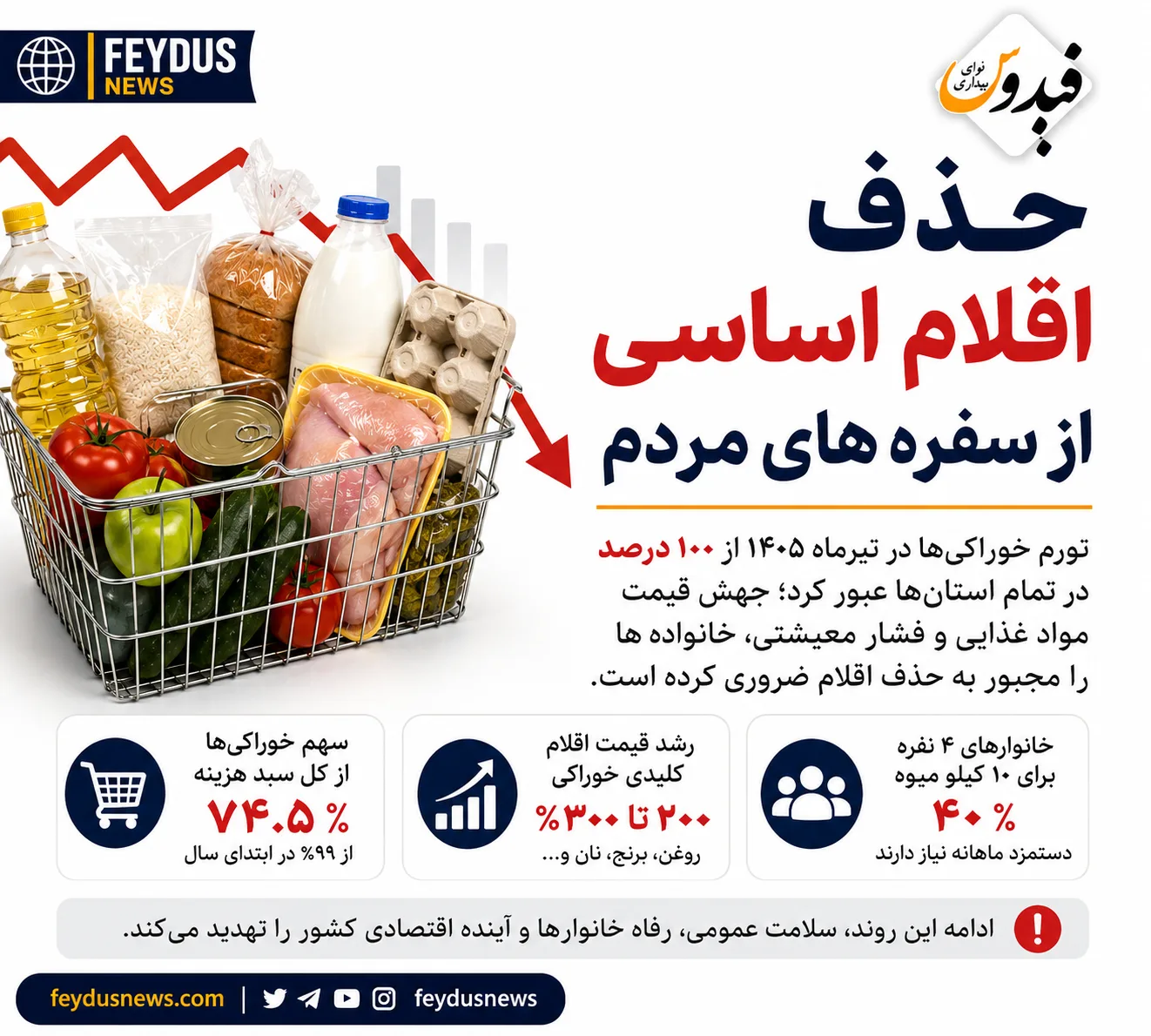
The latest official data on inflation shows that the economic pressure on Iranian households is more concentrated than ever on food and essential items. Although the general price increase has become a continuous phenomenon in recent years, the rapid rise in food prices has significantly altered the consumption patterns of many families, pushing the share of food expenses in household budgets to an unprecedented level. According to official statistics, the share of living expenses in household expenditures increased from about 59% to 74.5% in just the first four months of the year; a figure indicating that a large portion of household income is spent on meeting the most basic needs of life.

Tables That Shrink Every Day
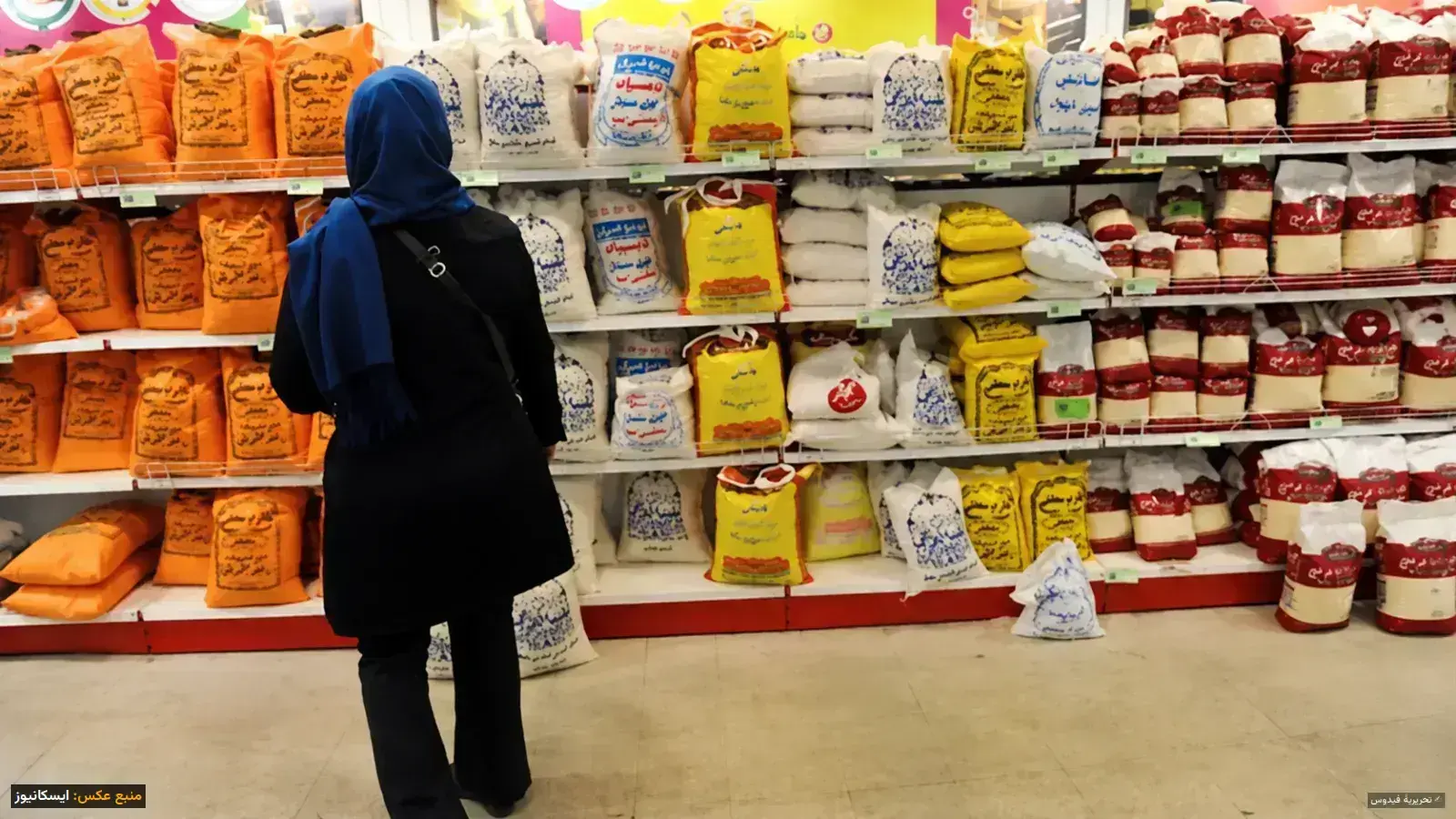
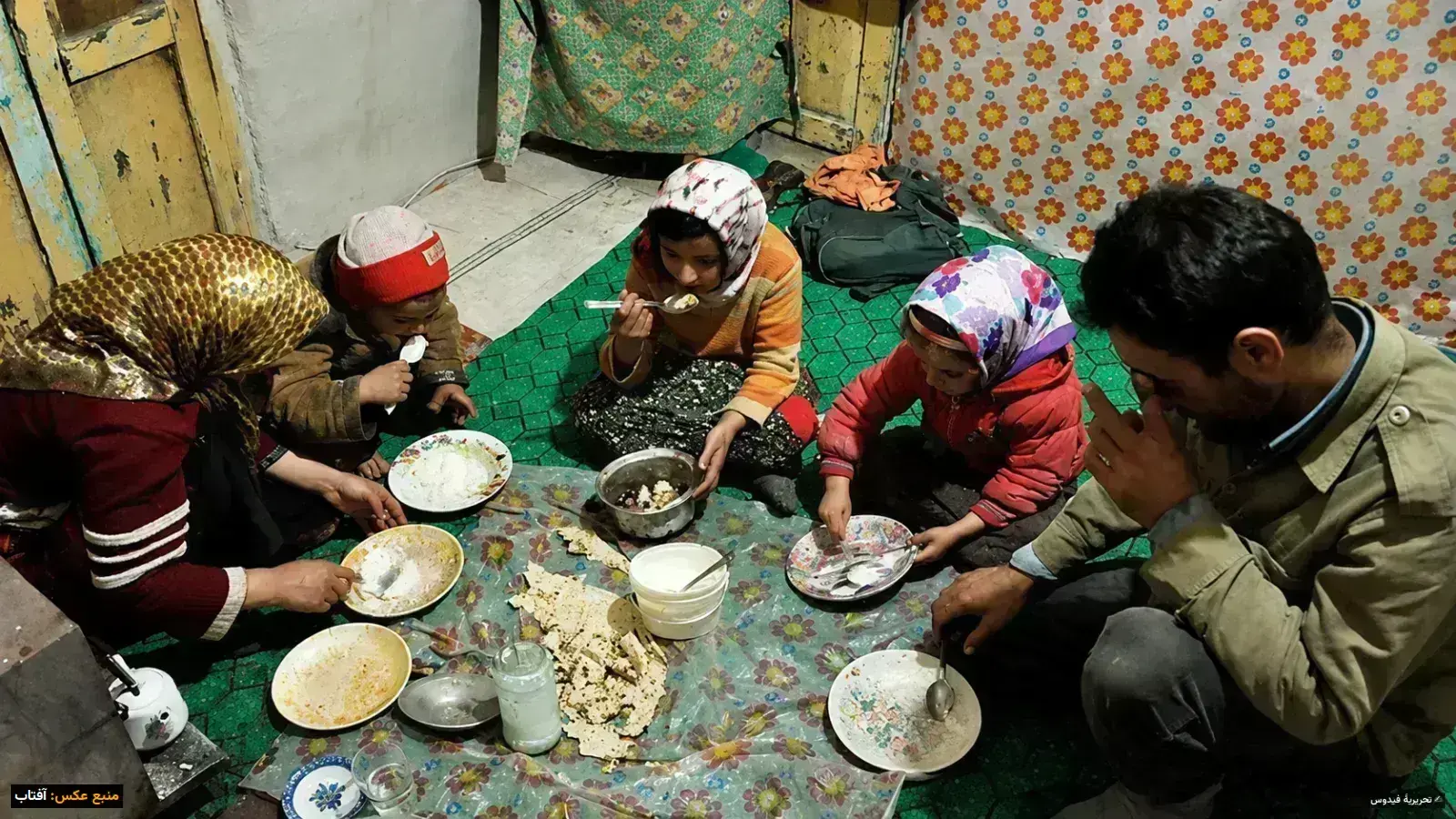
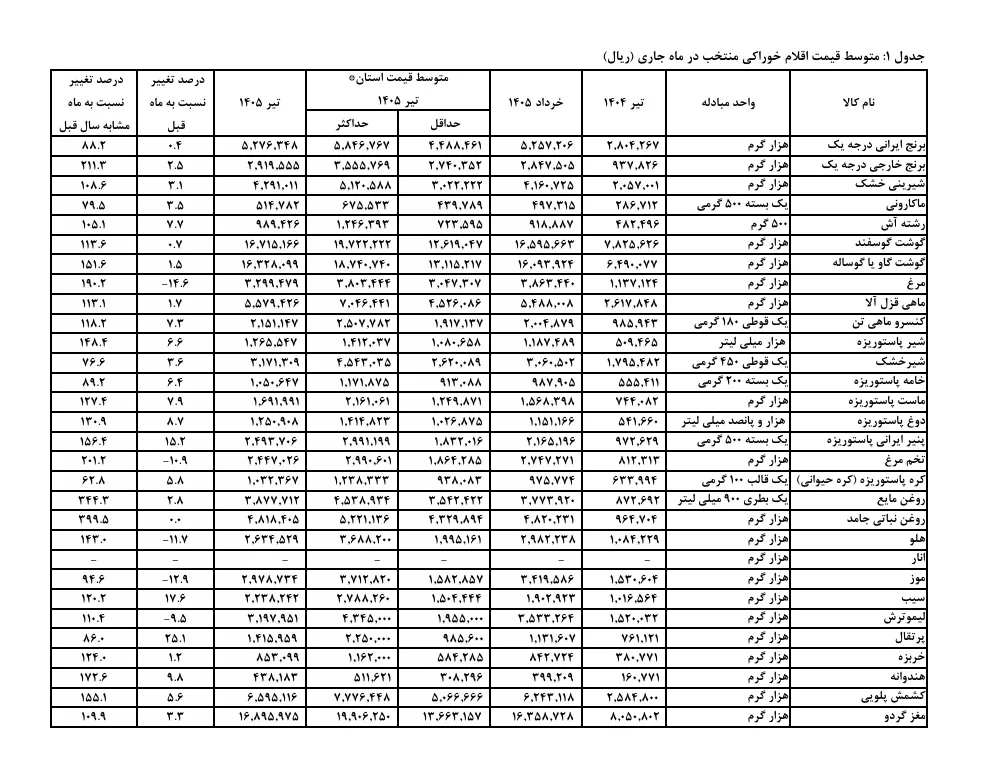
The sharp increase in the prices of essential goods such as oil, rice, and bread has exerted the most pressure on groups that cannot eliminate these items from their consumption basket. Unlike non-essential goods, which can be reduced during inflation, basic food items have no clear substitutes, forcing households to forego other expenses to secure them. The result of this trend is the gradual elimination of items like dairy, fruits, and some protein sources from the diet of many families; a change that indicates a decline in quality of life and public welfare.
Reduced Purchasing Power; Beyond Wage Statistics
Economists believe that the nominal growth of wages and salaries has not kept pace with the rapid increase in food prices. Therefore, even households that received a salary increase at the beginning of the year are now unable to purchase the same consumption basket as last year. Field reports confirm this issue; the reduction in the purchase of meat, fish, and other quality food items has become noticeable even in neighborhoods that previously had higher purchasing power. At the same time, the increase in discounts and installment sales in the market also indicates a decline in consumers' purchasing power.
Support Policies Under the Shadow of Inflation
The electronic voucher plan was implemented to reduce living pressures, but the continuous rise in prices has gradually diminished the real value of this support. The credit set for purchasing essential goods was calculated based on past prices, and with rising costs, households can no longer purchase the same amount of goods with this credit. Experts emphasize that unless the support amounts are adjusted to match the real inflation rate, the effectiveness of this policy will gradually diminish.
Consequences That Are Not Only Economic
The current trend does not only limit itself to reduced purchasing power. The decline in the consumption of quality food, increased risk of malnutrition, reduced public health, and exacerbated social inequality are among the most significant consequences of food inflation. According to health officials, a significant portion of annual mortality is linked to poor nutrition patterns and insufficient intake of main food groups. On the other hand, when households spend a major part of their income on food, demand for other goods and services also decreases; a situation that can deepen recession in various sectors of the economy.
Overall, these indicators show that food inflation is no longer merely an economic issue but has become a social challenge that directly impacts the quality of life, food security, and even the future economic growth of the country. Until the root causes of inflation are controlled and support policies are updated to reflect economic realities, the living pressure on middle and lower-income groups will continue, making it more difficult for a larger segment of society to secure a standard food basket.