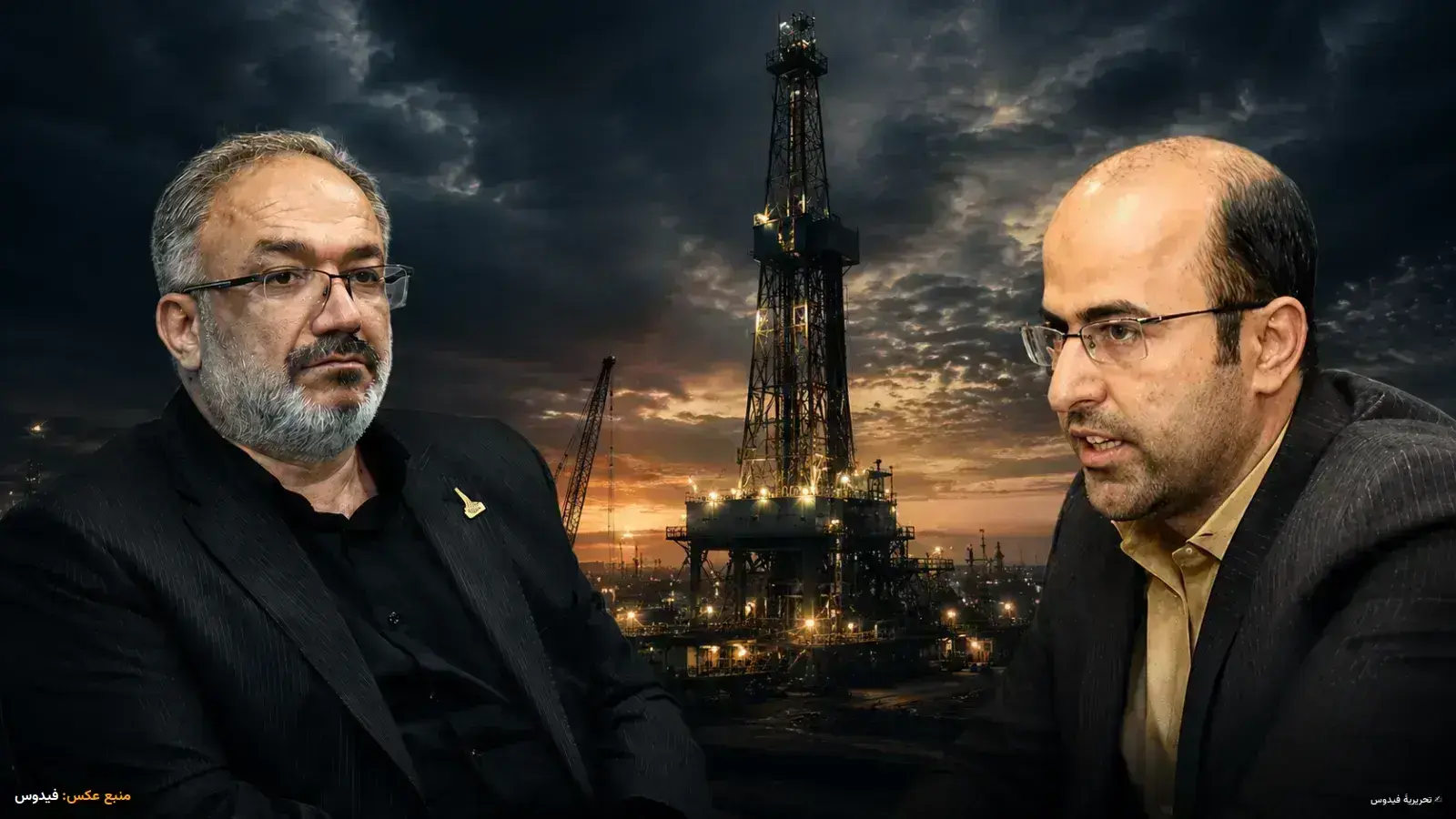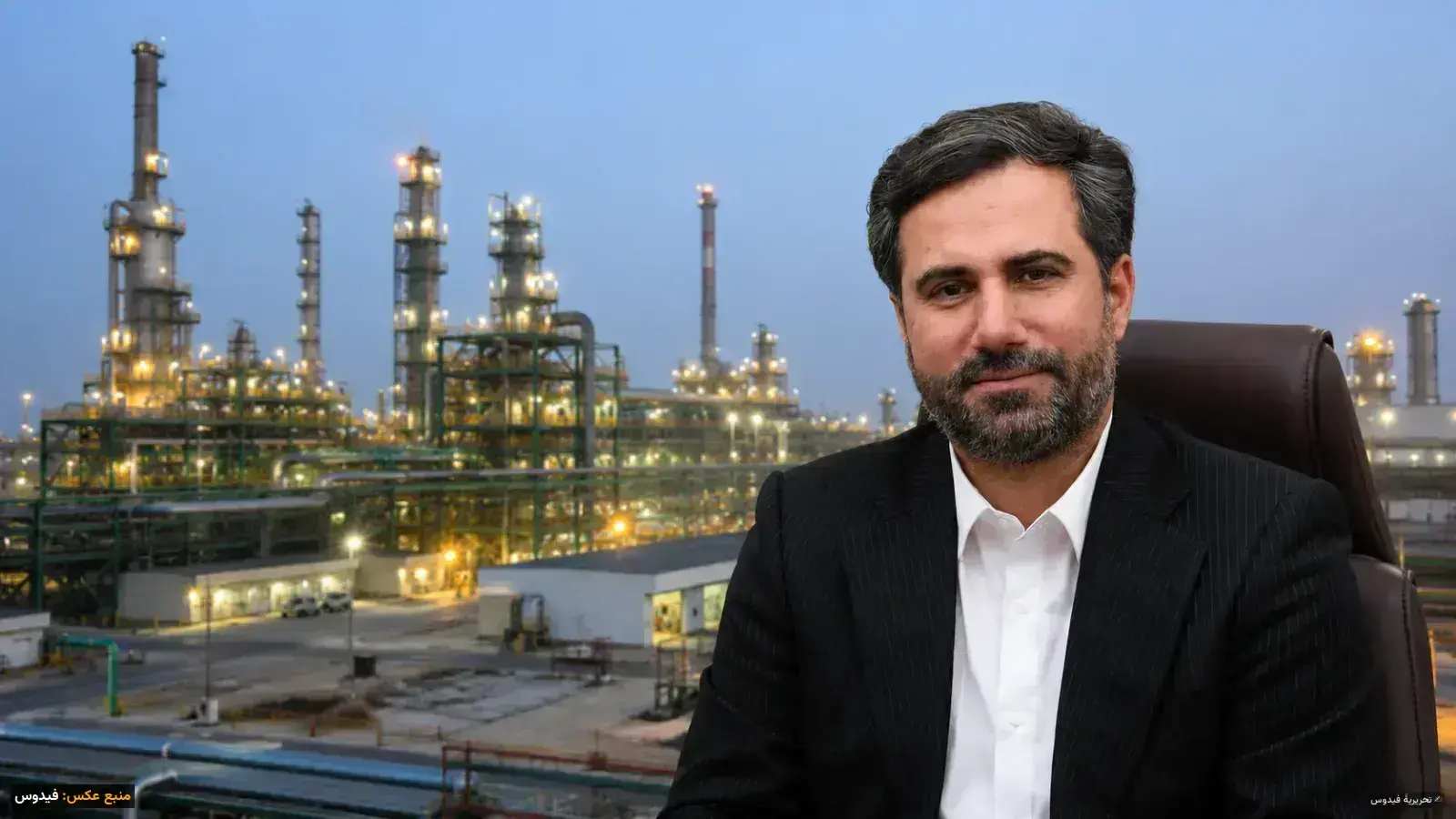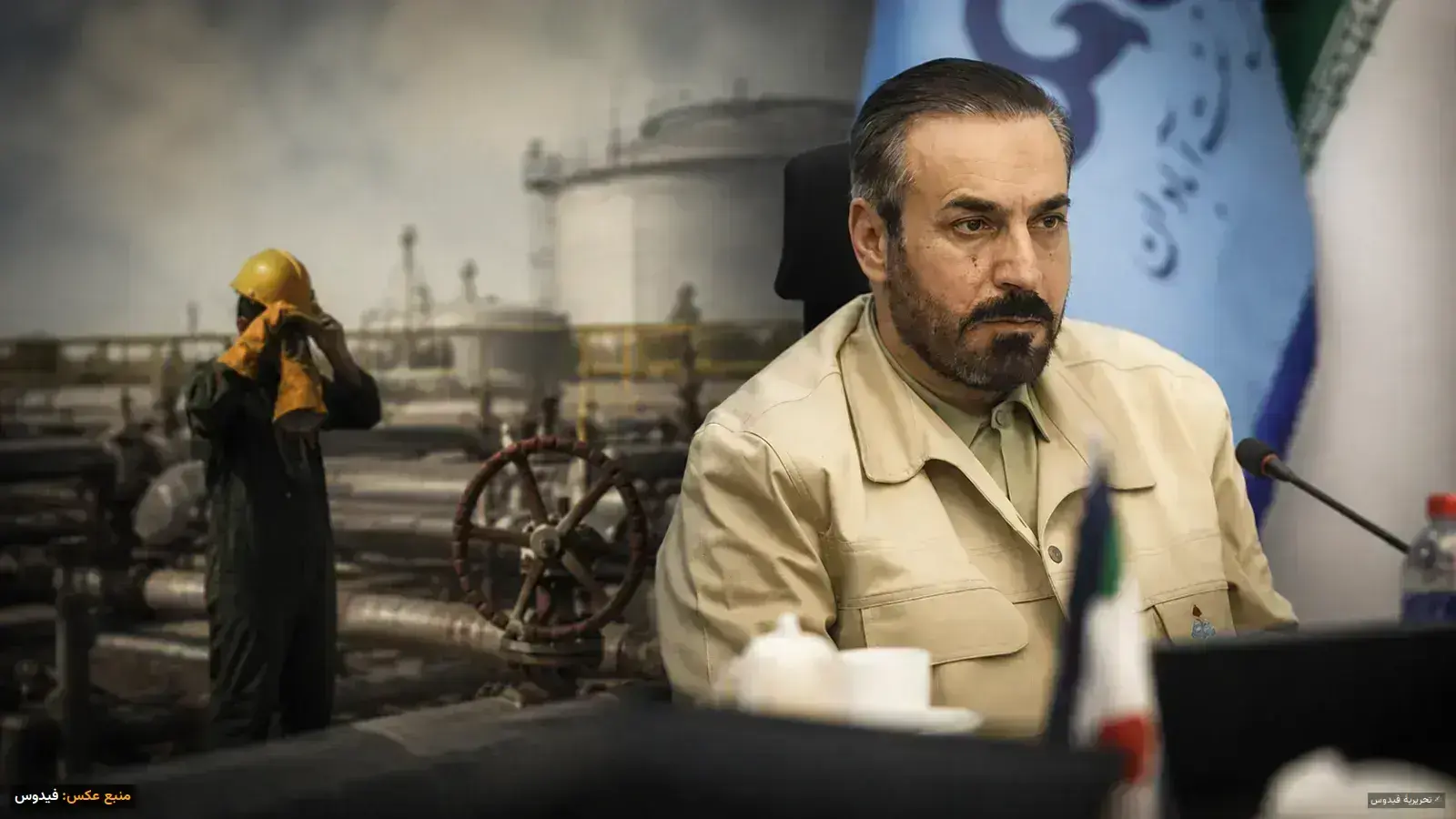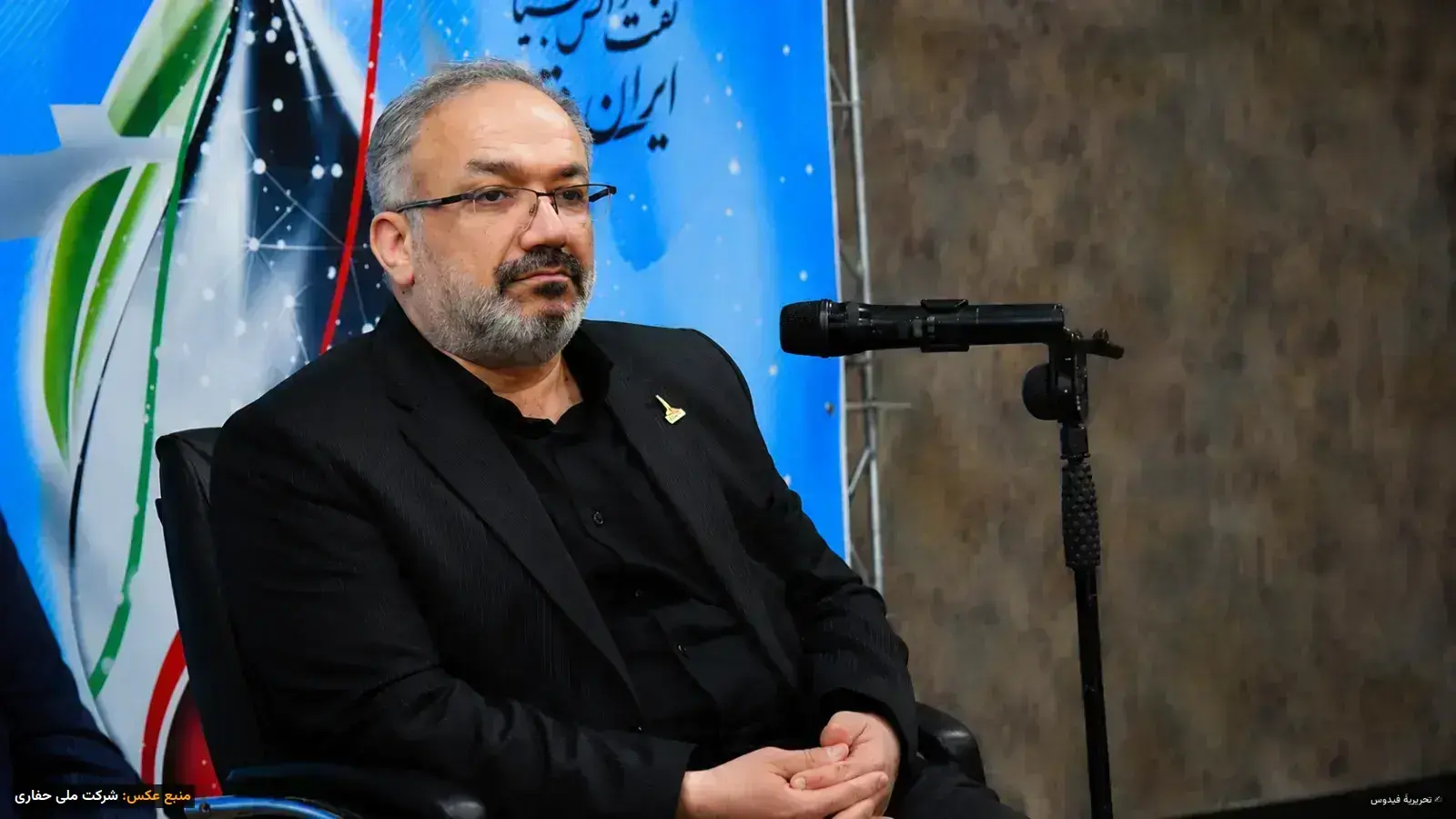
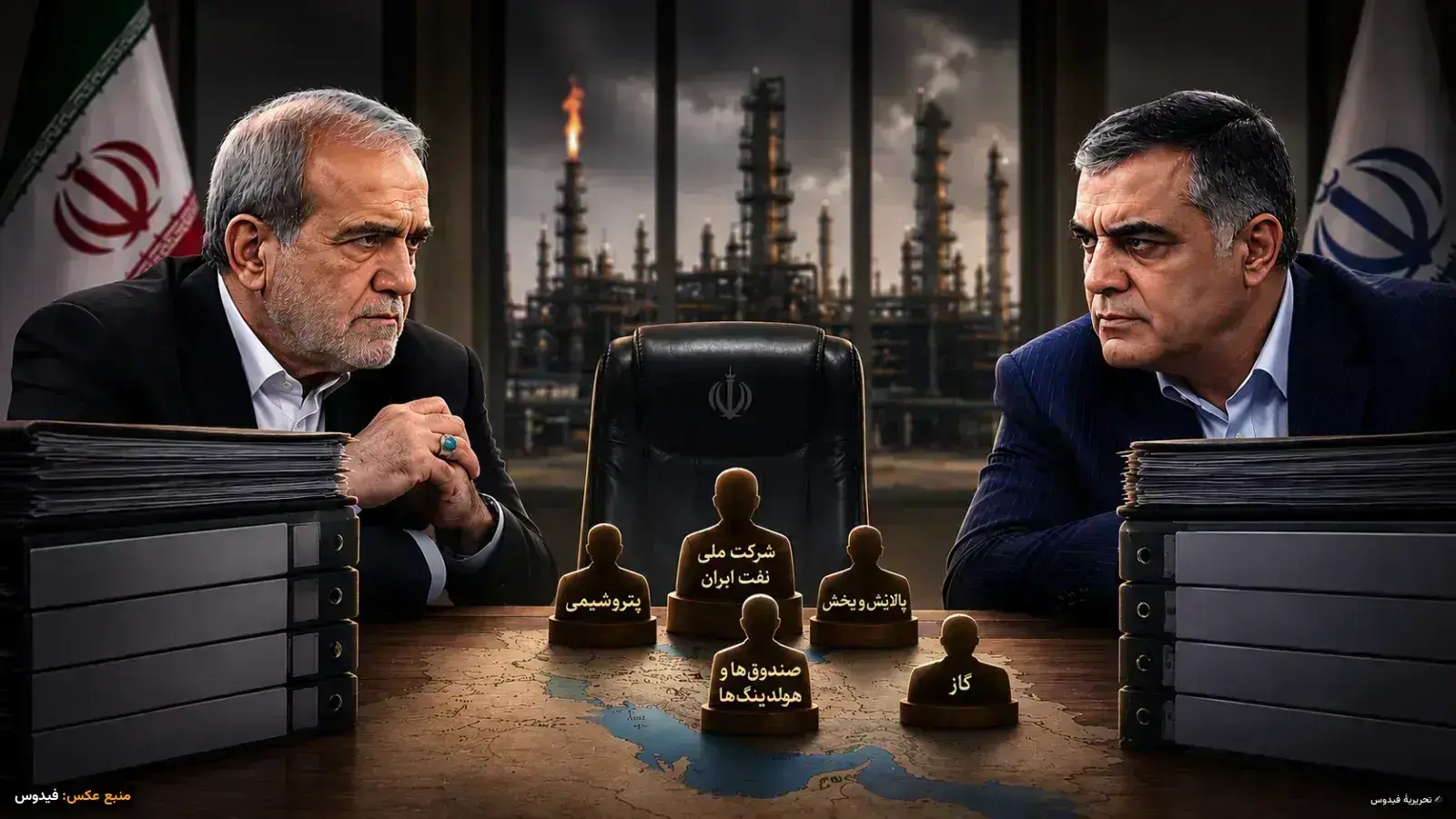
In recent days, the crisis between the government and the oil minister has reached its peak. In an unusual move, a group of members of the strategic council for selecting the oil minister, in a letter to Pezhkian, the head of the government, have announced that they regret introducing Paknejad as the oil minister and are calling for his dismissal.
Letter from the Strategic Council Members
In the letter from the strategic council members for selecting the oil minister to Pezhkian, it is stated: "Unfortunately, we are witnessing the emergence of issues that are not befitting of a minister. Indulging in personal desires, widespread removal of managers and experts aligned with the government, creating a rift within the ministry, and distancing from the discourse of consensus are only part of this bitter reality."
They have also stated that in numerous instances, the explicit orders of the head of the government have not been complied with, and this behavior has created a clear distance from the spirit governing the consensus government. There is serious concern that the helm of the oil industry, instead of moving in the direction of the policies of the government elected by the people, is practically influenced by the demands of a minority that from the beginning was not compatible with the discourse of consensus.
Conflict Over the CEO Position of the Persian Gulf Holding
This letter was published only hours after the resignation of several members of the board of directors of the Oil Pension Fund in protest against the non-dismissal of Shariatmadari. This indicates a severe conflict over the CEO position of the Persian Gulf Holding. On one side, Paknejad insists on dismissing Shariatmadari, and on the other side, Pezhkian insists on retaining him. These disagreements have led to an unprecedented rift between the head of the government and one of his cabinet members, which instead of formal action, is proceeding through increased media pressure on public opinion.
Roots of the Dispute
The strategic oil council was part of the managers close to Pezhkian and his supporting political faction, which in a strange tradition was tasked with identifying and introducing the minister for each ministry. The strategic oil council also insisted on selecting Paknejad among various individuals, and it seems the reason for disavowing him in less than two years is the escalation of disputes over the arrangement of subordinate managers of the Ministry of Oil.
Power Struggle and Corruption
The power struggle among various corruption circles, which in the midst of the management of the energy sector, one of the most important economic sectors of the country, has turned into a toy for disputes and share-seeking from each other, has formed two opposing fronts, one called supporting Paknejad, conducting media propaganda, and the other under the pretext of defending the authority of the presidency, practically advancing the interests of Shariatmadari and his connected circle.
The final part of the letter from the council members, in which they call for changing the minister to rectify the previous wrong choice, could be an opportunity for Paknejad's opponents to use it as a pretext for his dismissal or to pressure him to resign as the oil minister.
Names of the Council Members
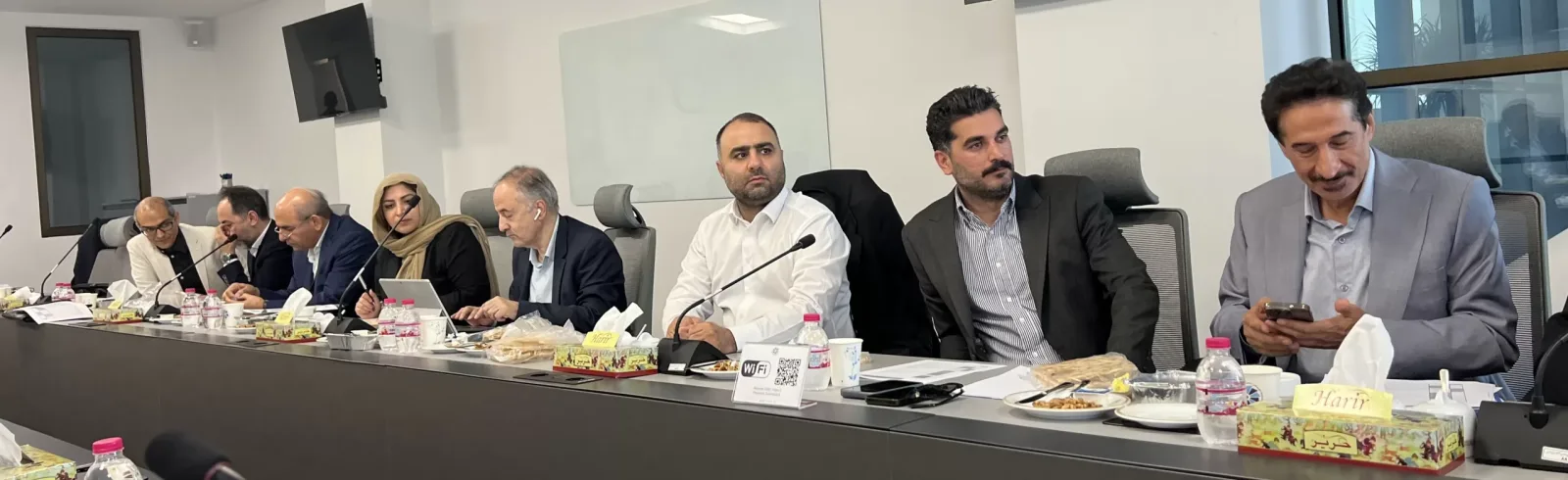
The strange reminder of the names of this council during its activity is noteworthy, as some of the current managers of the Ministry of Oil are seen in it. Mansour Moazzami, Ali Kardor, Mahmoud Aminnejad, Marzieh Shahedaei, Gholamhossein Nozari, Ali Ahmadnia, Kasra Nouri, Meysam Sharifinia, Abdolhossein Bayat, Mahmoud Astaneh, Hamid Bord, Reza Dehghan, Ahmad Mahdavi Abhari, and Ali Bakhtiar were the main members of the strategic oil council, and the emphasis in the letter on "a group of members" creates the suspicion that some of these names did not accompany the signing of this letter.
It seems that in the coming days, the rift created within the Ministry of Oil and its affiliated companies and holdings will intensify, and the government will have no choice but to yield to the demands of one of the two groups involved in this confrontation.