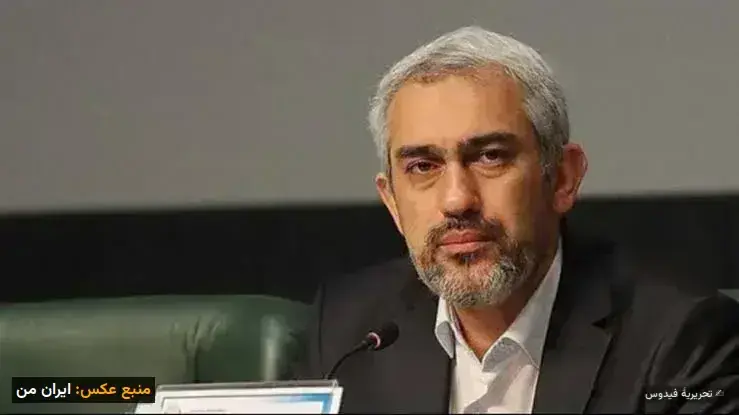
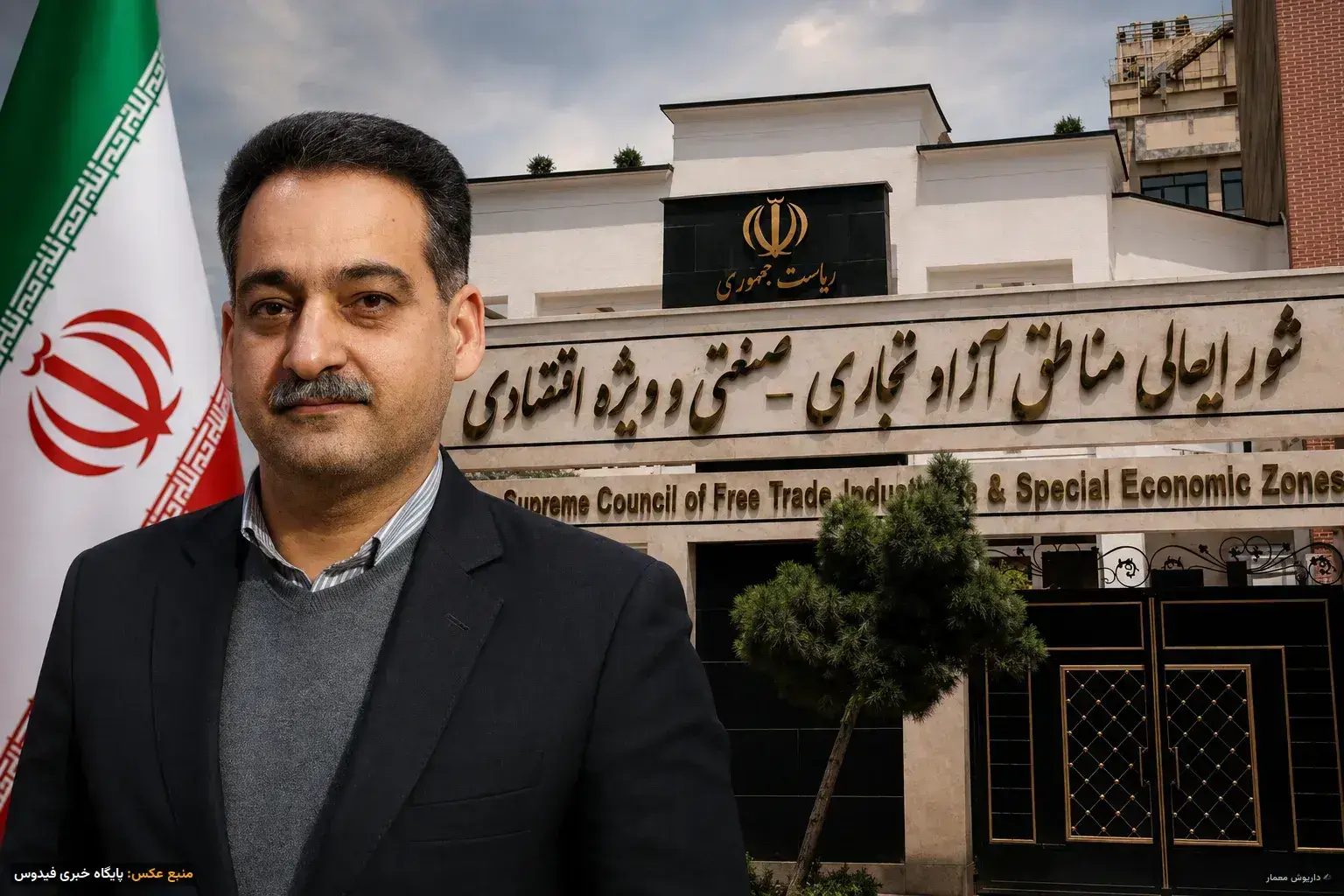
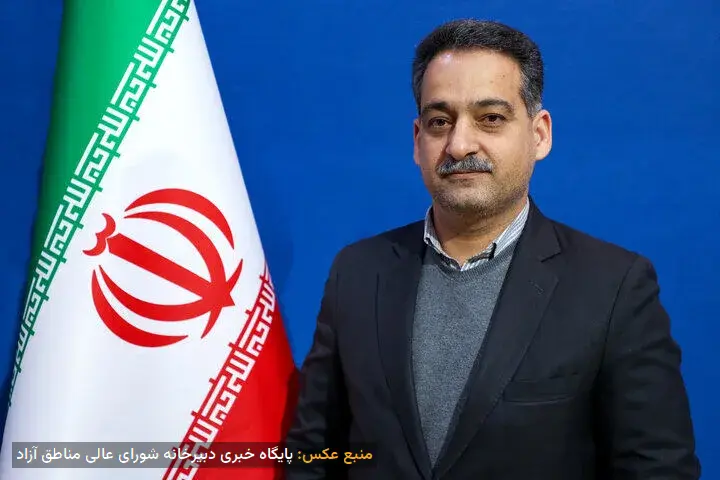
Four months after the appointment of Hossein Ferdowsi, a deputy minister of economy, as the Secretary of the Supreme Council of Free Trade-Industrial and Special Economic Zones, his managerial shift has not only failed to improve the situation in these areas but has also revealed more signs of ambiguity, chaos, and widespread corruption. These appointments, instead of propelling the economy and trade in these areas, have shown that they are still trapped in the flawed patterns of the past.
Ferdowsi, who replaced Reza Masroor in April this year by the order of Seyed Ali Madani-Zadeh, was supposed to play a pivotal role in the economic and trade development of the country, relying on his managerial experiences. However, in practice, the share of political lobbying, power gangs, and deep chaos is more prominent than economic expertise and planning in these areas.
Empty Promises and Bitter Realities
Ferdowsi's management, instead of reforming structures, has only perpetuated instability and rent-seeking relations. Despite his numerous backgrounds in the economic field, what is seen in practice is far from the promises of the Minister of Economy. Signs of reform in appointments, transparent economic programs, and the organization of customs and trade in these areas are not visible.
Reports indicate that free zones have mostly turned into arenas for competition among influential groups and the division of positions. Meanwhile, public interests and the welfare of local residents have been marginalized.
Additionally, one of the biggest criticisms of the performance of the Supreme Council of Free Zones and the perceptions and plans of the Minister of Economy is the disregard for the main philosophy of these zones' existence and the serious and significant reduction of their status.
These zones were supposed to be platforms for attracting investment, developing exports, and creating jobs, but currently, they have truly become places for the distribution of rent and unregulated imports. Expectations from the new Secretary of the Supreme Council of Free Zones to curb corruption and reduce political influence have not yet been met, and this issue has raised concerns about further weakening of these zones and the expansion of economic and political corruption in their management.