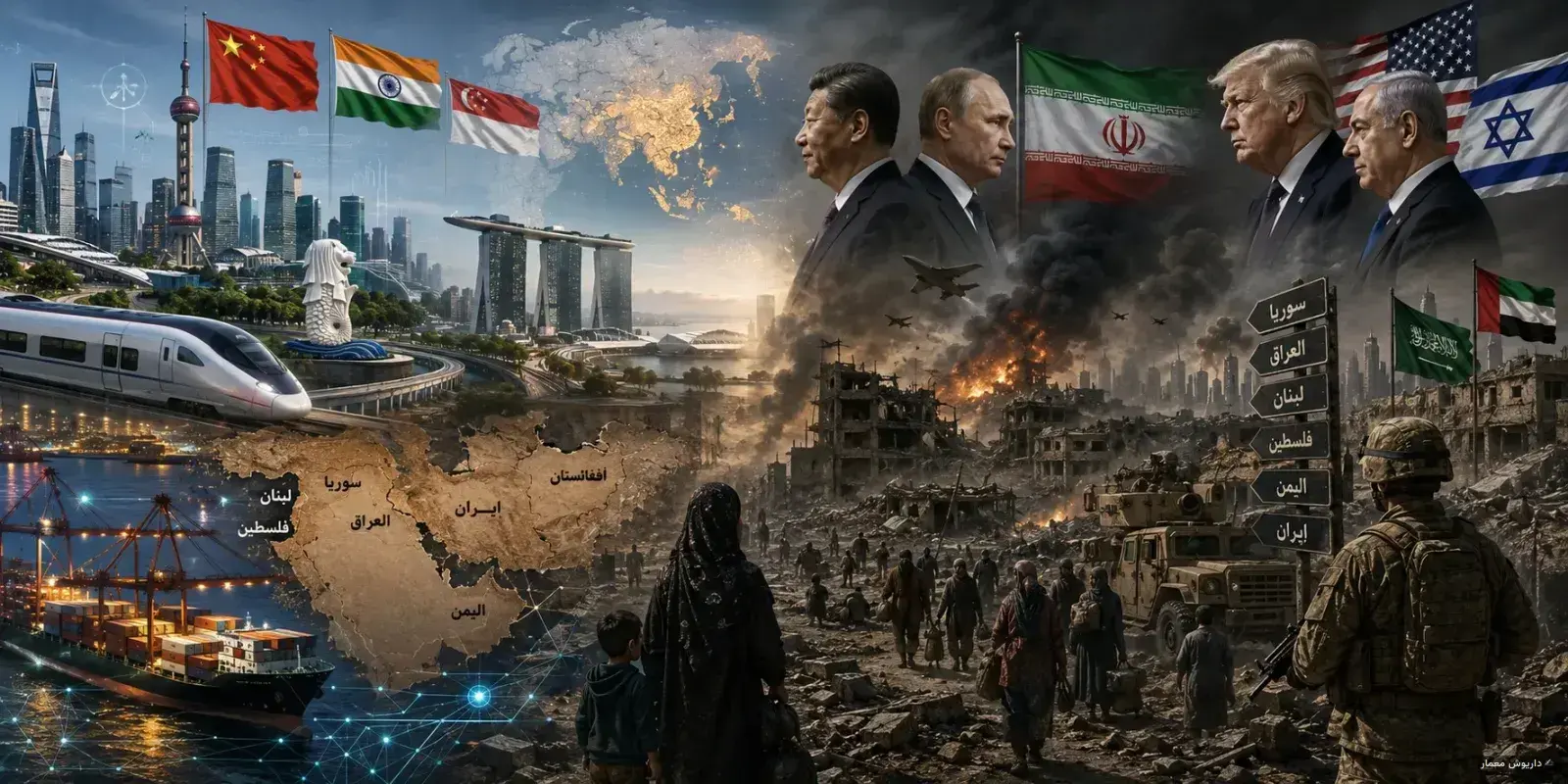
For more than two decades, the lands stretching from Afghanistan and Iraq to Syria, Lebanon, Palestine, Yemen, and Iran have become a convergence point for the interests of global and regional powers. The United States seeks to maintain its security architecture leadership, ensure Israel's security, and control strategic energy routes. Russia aims to preserve its limited allies, challenge Western influence, and use regional crises as bargaining leverage. China, above all, considers energy security, maritime trade, and the stability of trade routes; thus, it seeks to expand economic influence but usually avoids direct and costly involvement in wars.
The Ukraine war is also part of this global realignment. This war cannot be seen merely as Putin's attempt to "revive the Soviet Union"; the main issue is the competition over Russia's sphere of influence, Europe's security, NATO expansion, and the future of the international order. Simultaneously, the Middle East crisis allows major powers to test each other's military capabilities, political alliances, and economic capacities. Analyses published in Western media also indicate that the confrontation with Iran is not just a message to Tehran but is also considered a strategic warning to Moscow and Beijing.
Israel is not merely an executor of U.S. policy in this equation; it is an independent actor with its own security, political, and ideological goals. Israeli governments have sought to eliminate surrounding threats, weaken forces aligned with Iran, and expand relations with Arab countries through the Abraham Accords. Israel's more visible goal is to expand its security superiority and regional influence; a process that, during recent wars, has sometimes disrupted the normalization of relations with Arab countries, particularly concerning Lebanon, Syria, and Palestine.
The Islamic Republic, on one hand, is a strategic partner of Russia and a significant energy supplier for China, but on the other hand, its regional policies and constant confrontation with the West provide a pretext for the continued U.S. military presence, increased arms sales, and the security rapprochement of Arab countries with Israel. Although today's conditions show that the policies of hostile actors sometimes, contrary to their official claims, lead to strengthening each other's positions.
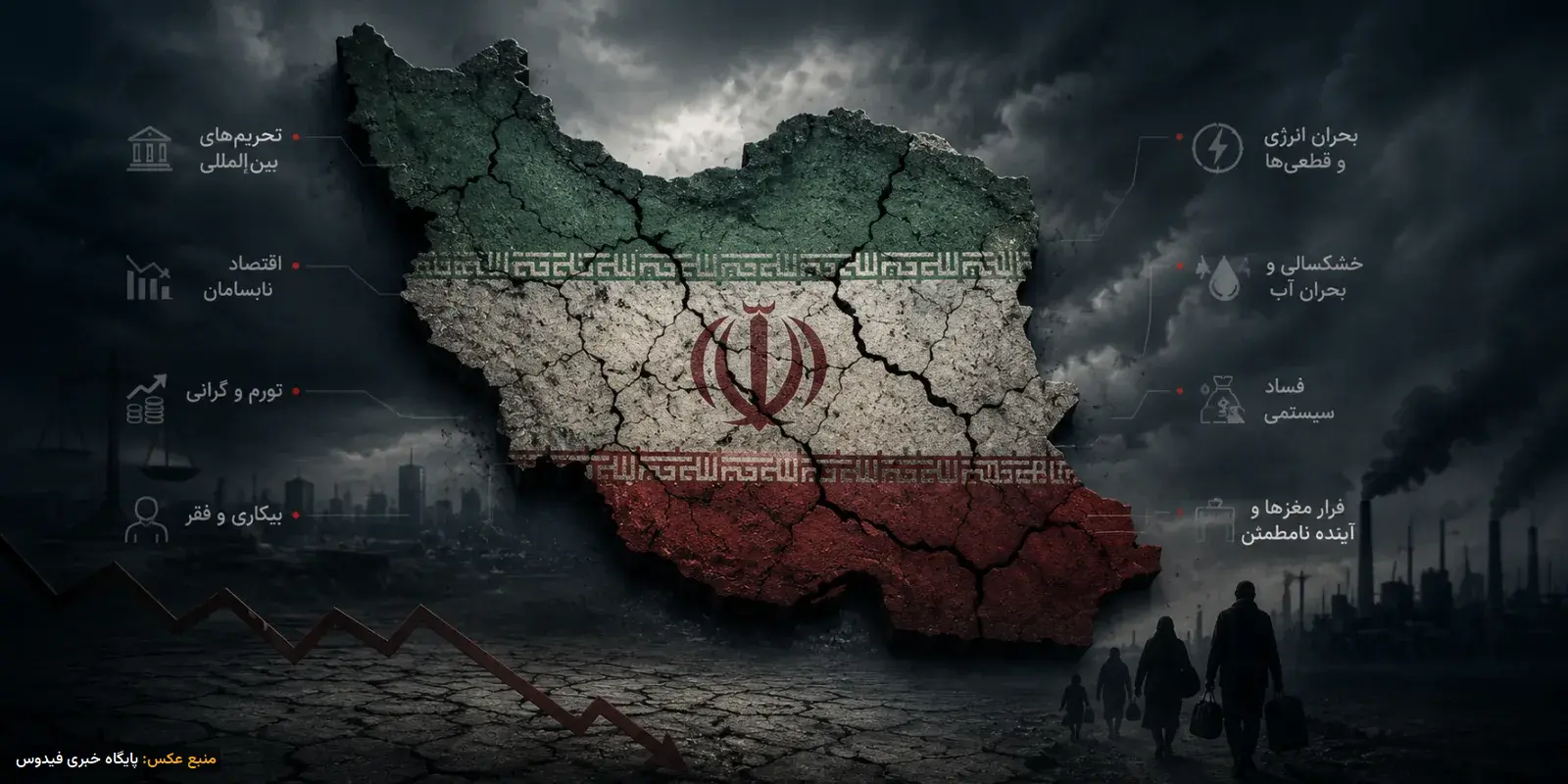
In the end, the winners of this competition are usually the powers that expand their influence, markets, and security; but the main cost is borne by the people in Syria, Iraq, Afghanistan, Yemen, Lebanon, and now Iran, who face war, migration, poverty, sanctions, and the destruction of development opportunities. The tragedy of the Middle East is not only the power struggles; it is the deprivation of successive generations from a future that many Asian nations are building.