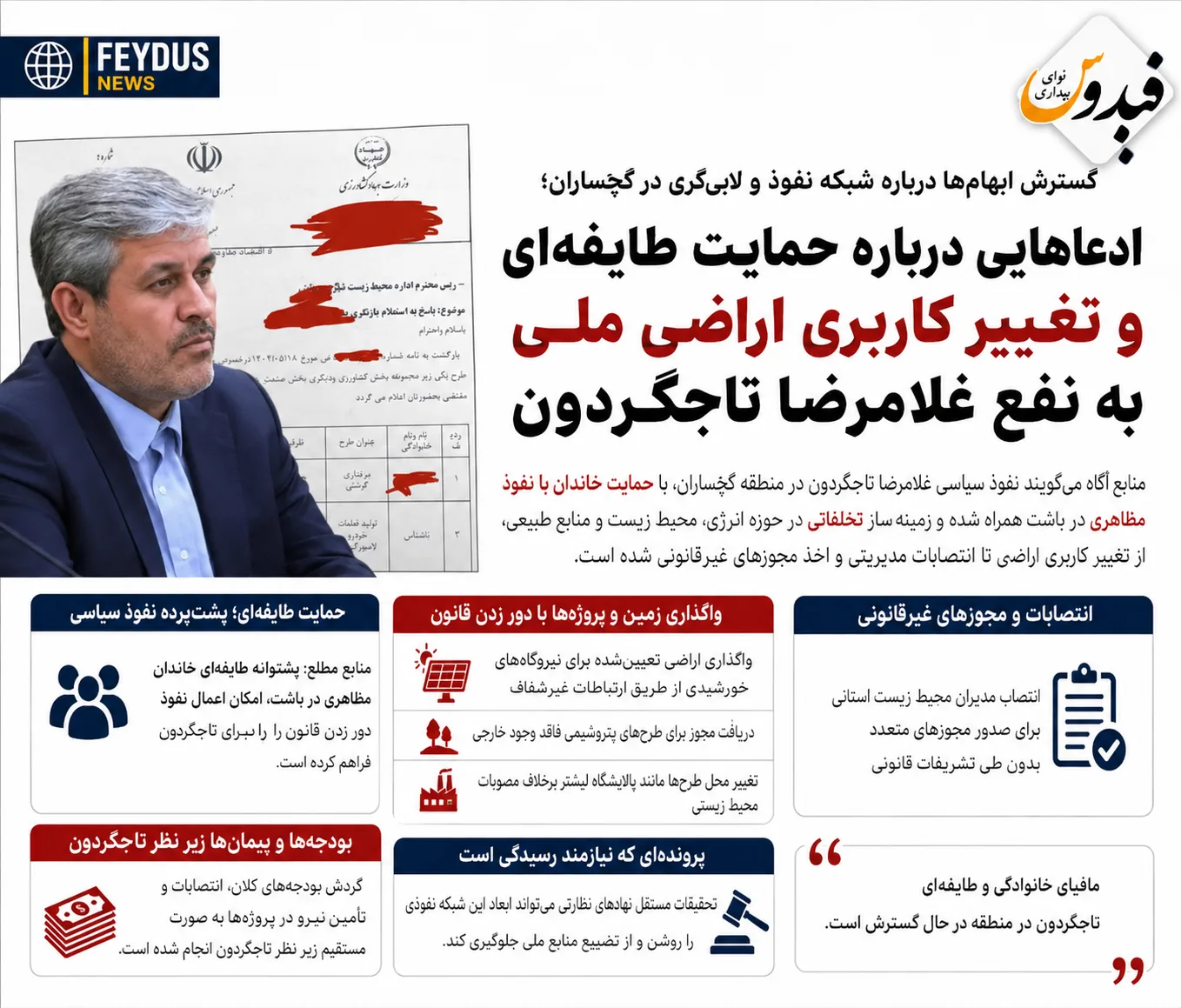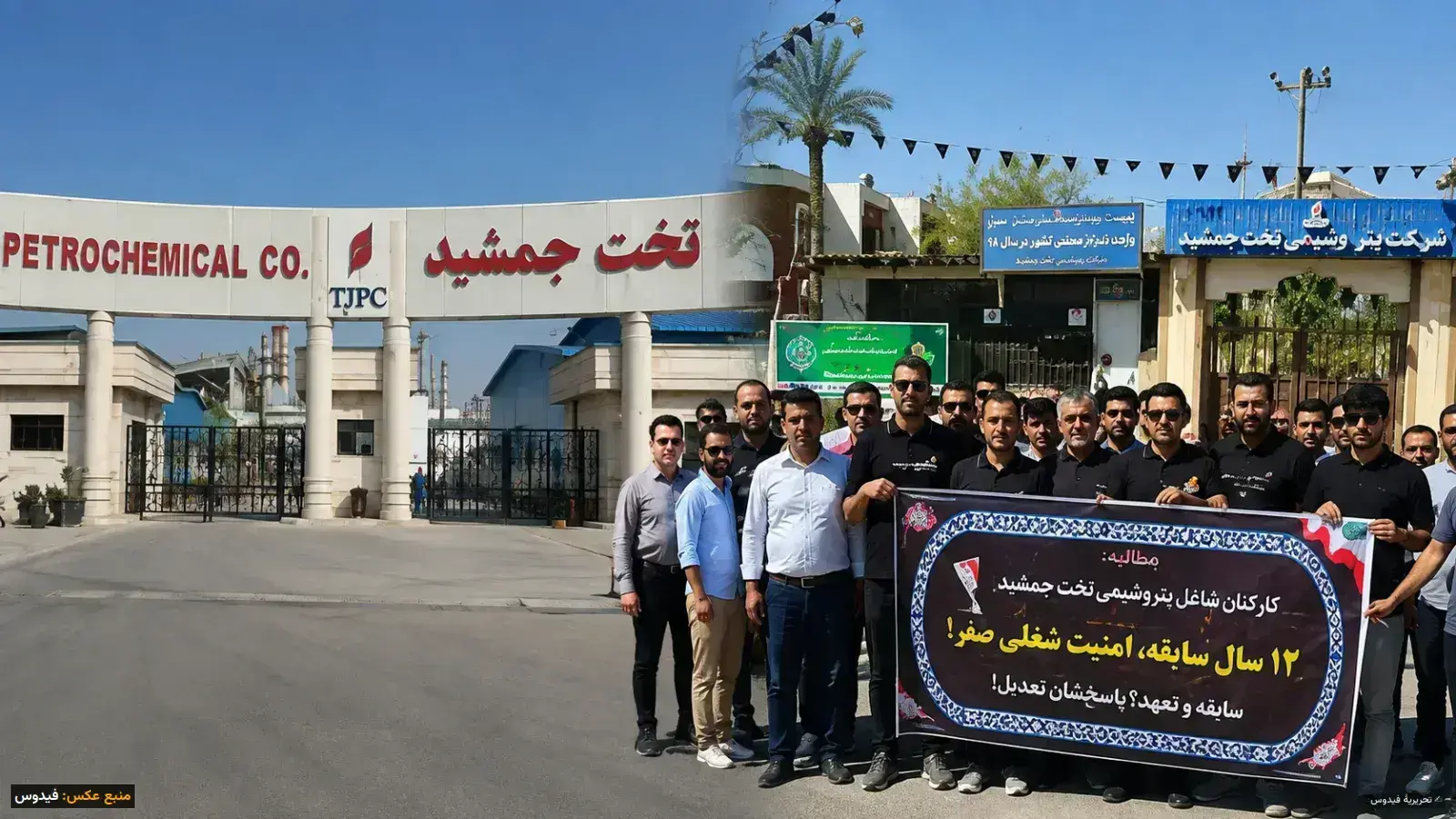
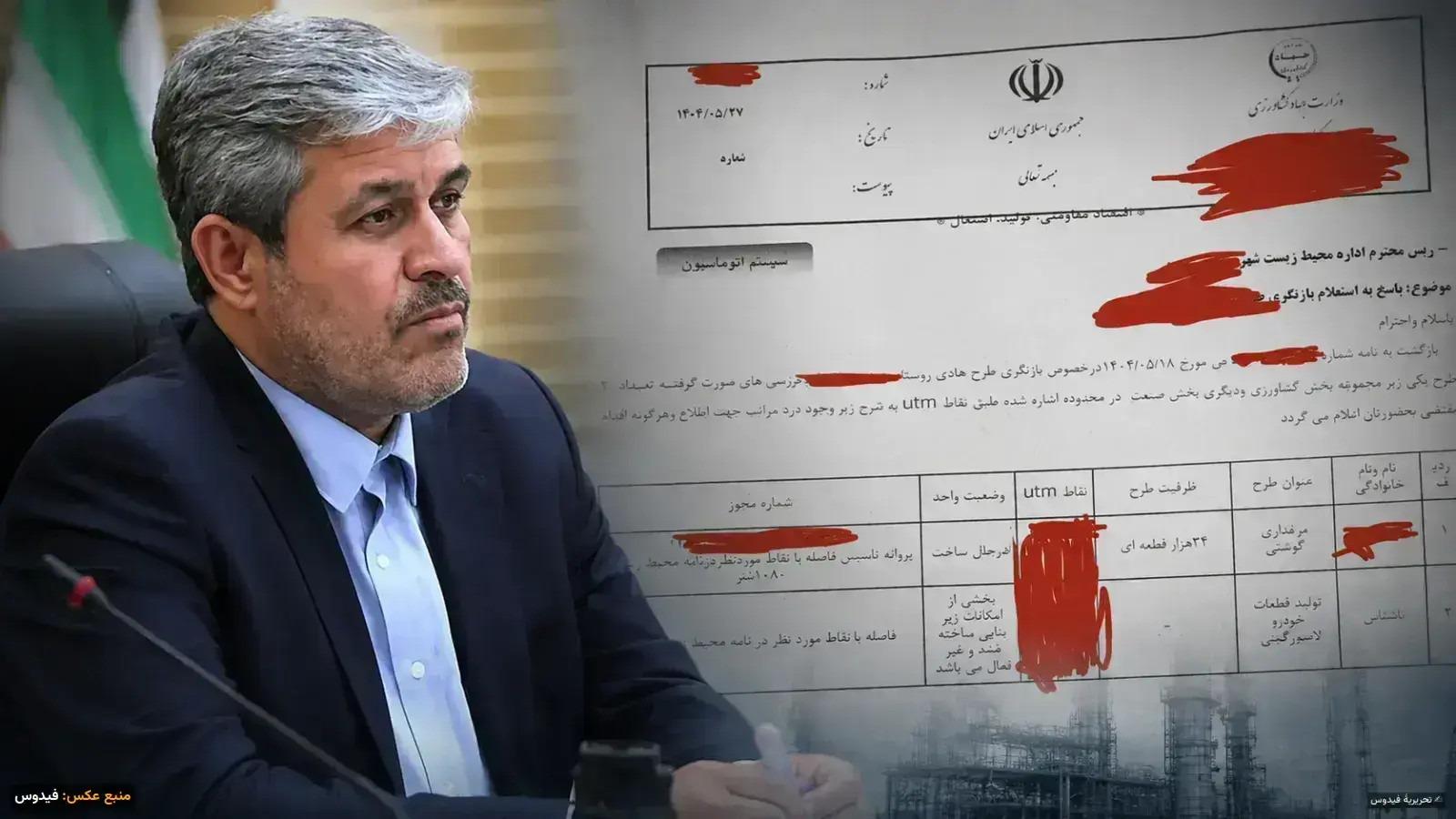
In recent years, alongside increasing criticism of the influence and lobbying of the circle close to Gholamreza Tajgardoon, the representative of Gachsaran and Basht in the Islamic Consultative Assembly, informed sources report the formation of a network of tribal and managerial connections. According to them, this network has facilitated influence in some decision-making areas of energy, environment, and natural resources.
The Role of the Mazaheri Family in Political Influence
According to received information, part of this influence is attributed to the support of the influential Mazaheri family in Basht County. These sources say that the tribal backing of this family has not only helped increase Tajgardoon's political influence but also enabled intervention in some administrative and executive processes. Informed sources claim that this network of connections, in addition to the appointment of managers and influencing contracts and agreements in the energy and petrochemical industries, has also played a role in cases related to the change of use of national lands and land allocation.
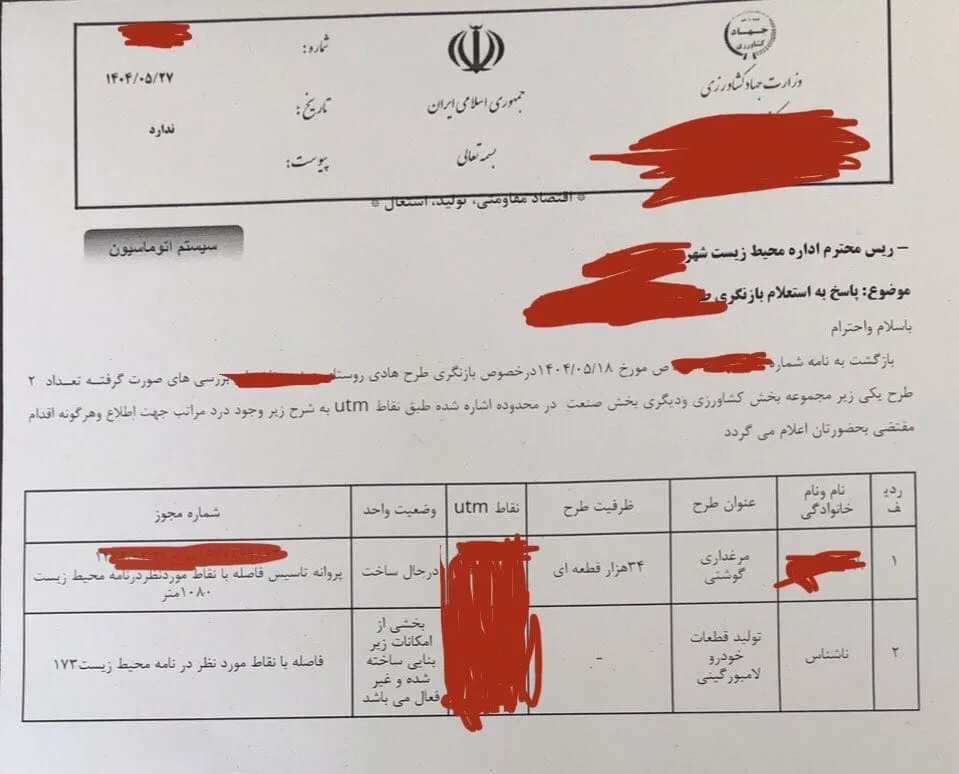
According to these sources, part of the lands designated for the construction of solar power plants has been allocated to specific individuals or groups by bypassing legal regulations and through influence in the allocation process.
It is also claimed that in some cases, the appointment of provincial managers in the environmental sector was done to facilitate the issuance of necessary permits for these projects. Informed sources say they have documents showing that some permits were issued without fully following legal procedures and requirements.
Ambiguities in Industrial Projects and Budgets
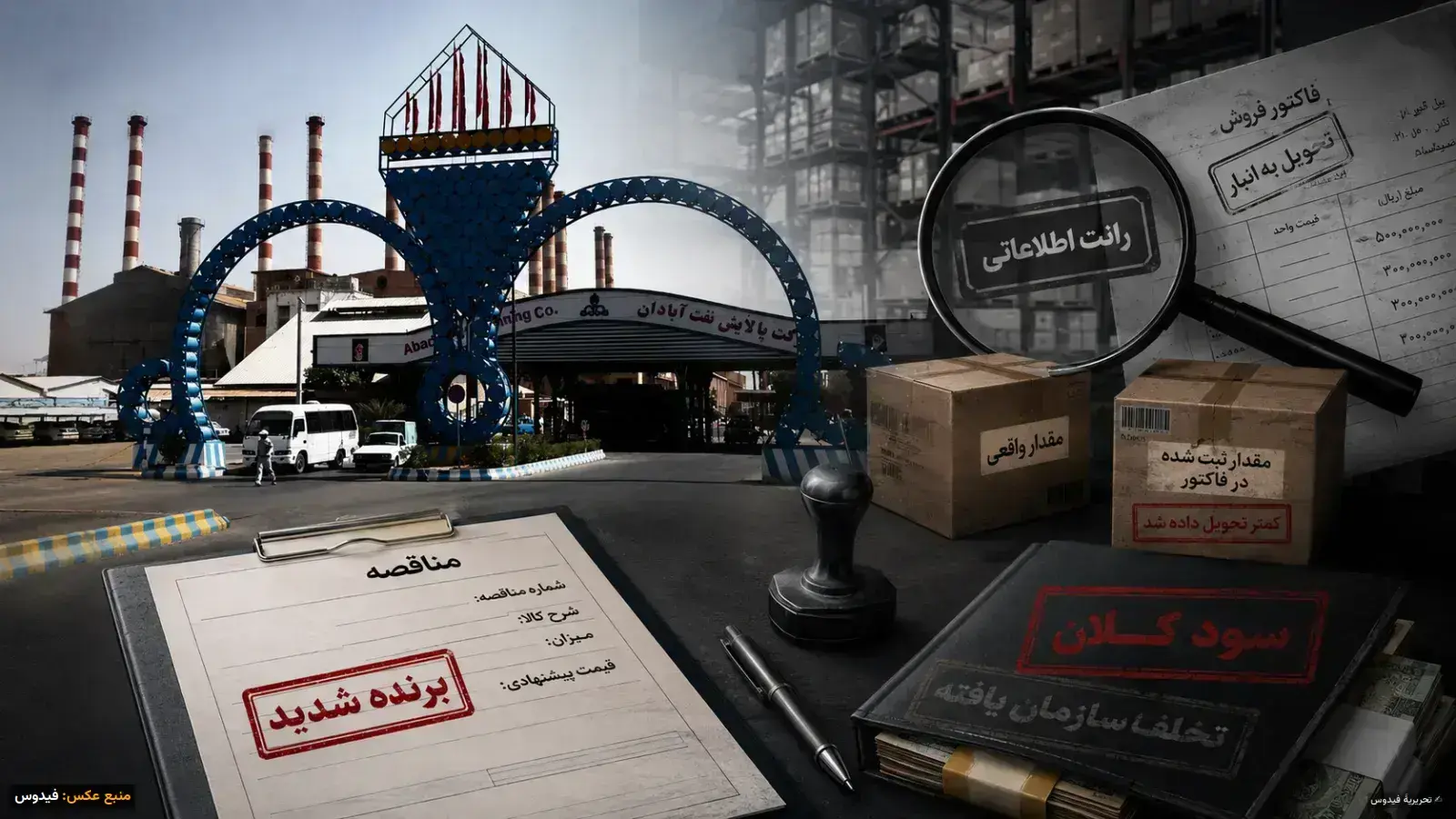
Other raised issues include the change of location for some industrial projects, including the Lishtar Gachsaran refinery project; an action that, according to sources, did not align with environmental considerations and approvals. These sources also claim that this project is not the only ambiguity, and in recent years, some natural resource lands have received necessary permits under the title of constructing petrochemical complexes, which have not yet shown any signs of actual implementation.
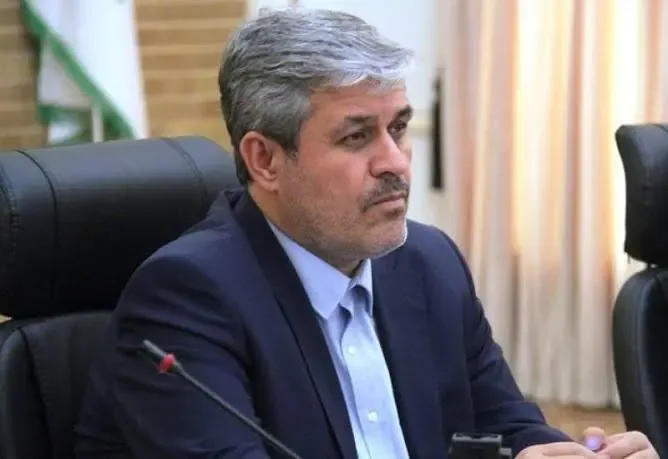
According to these sources, it is still unclear how the anticipated credits and budgets for these projects have been spent or are intended to be used. They believe this issue requires investigation and clarification by supervisory bodies and responsible agencies. These claims are made while previous reports have also been published about receiving special privileges in the process of approving some budgets and development projects in the region.
Informed sources believe that the concentration of decision-making regarding the allocation of credits, appointment of managers, and provision of human resources for some projects has paved the way for the formation of a network of family and tribal influence, which they say requires thorough attention from supervisory and judicial authorities.