
The head of the Tax, Labor, and Social Security Commission of the Iran Chamber of Commerce stated that in the current situation, long-term or even medium-term planning is not possible. He mentioned that the short-term planning horizon has been reduced to two to three months, and the main goal during this period is to maintain survival and keep businesses running. He calls this process the 'resilience period,' meaning that we must assess to what extent we can sustain ourselves by maximizing the use of available resources to get through this period.
Shortening of Decision-Making Horizon
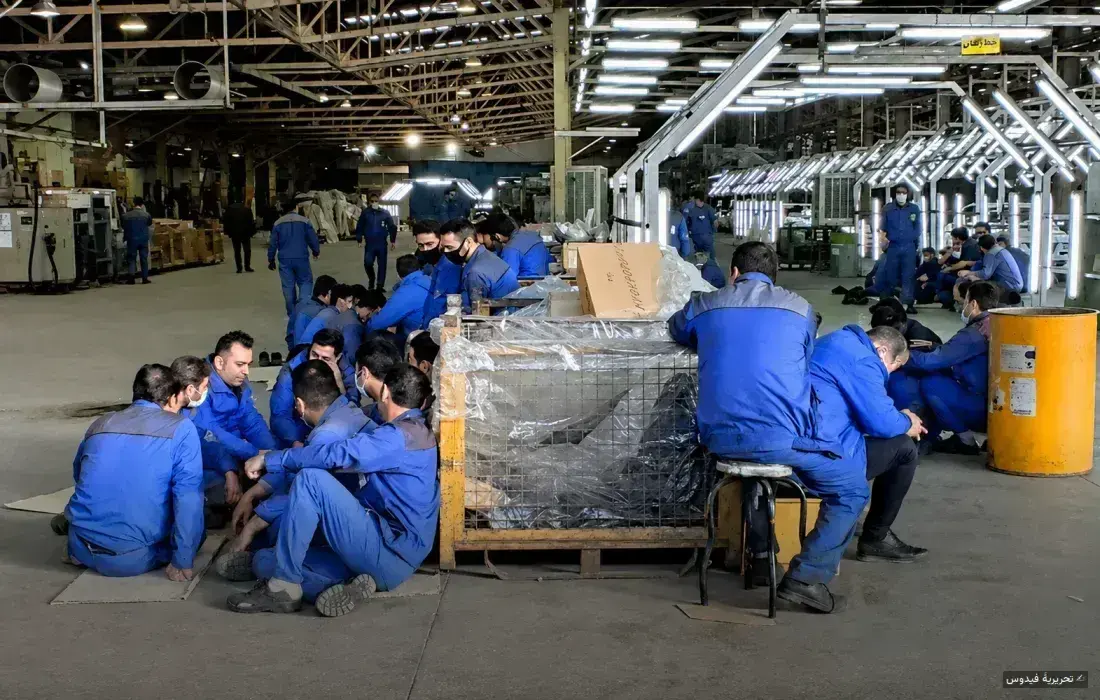
According to Eghtesad News, war and ongoing uncertainty have unprecedentedly shortened the decision-making horizon of economic enterprises. Many private sector actors no longer speak of one-year or even six-month planning and have focused on survival in the coming months. Restrictions on sourcing raw materials, disruptions in foreign trade, shrinking consumer markets, rising production costs, and the lack of a clear future outlook have placed significant pressure on producers. These issues have posed serious threats to investment, employment, and the operations of small and medium-sized enterprises.
An economist also stated that the level of investment is not sufficient to compensate for the depreciation of equipment and machinery. As a result, the capital stock in the economy has decreased, and people are fleeing from rial assets to preserve the real value of their assets.
Challenges Facing the Private Sector
In such conditions, the main question is how long the private sector can endure this situation and what plans policymakers have to prevent a deepening recession? Mahmoud Tolouei, head of the Tax, Labor, and Social Security Commission of the Iran Chamber of Commerce, in an interview with Eghtesad News, elaborated on the effects of a war economy on the business environment. He spoke of the reduction in the planning horizon of businesses to two to three months, the difficulty in sourcing raw materials, the decline in domestic and foreign markets, and the lack of effective support for the private sector.