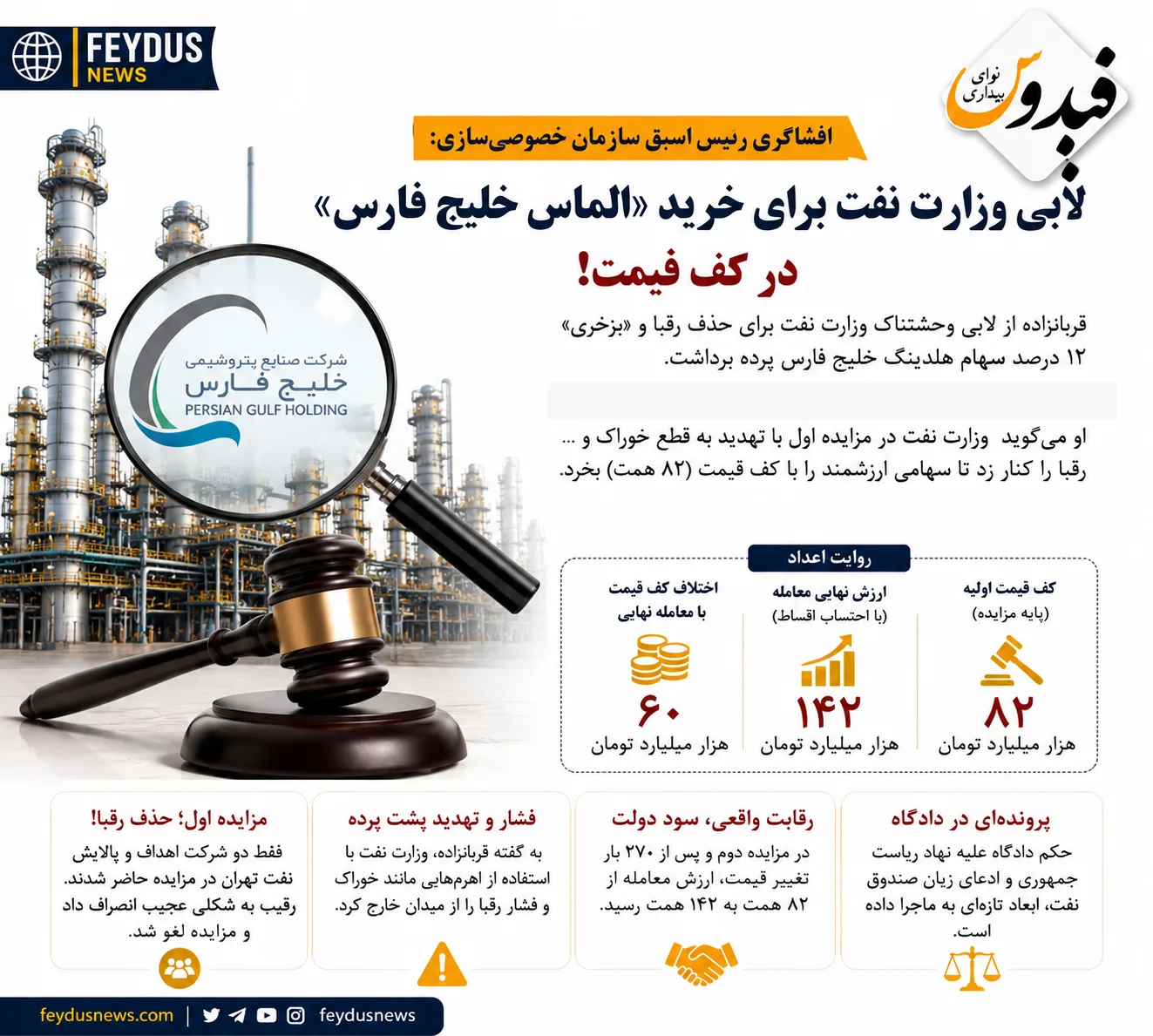

Recent statements by Hossein Ghorbanzadeh, the former head of the Privatization Organization, about the transfer of 12% of the shares in the Persian Gulf Petrochemical Holding, have once again drawn attention to one of the largest transactions in the history of Iran's privatization. This transaction, through Ghorbanzadeh's account of the pre-auction stages, presents a worrying picture of the potential for influence to eliminate competitors and acquire public assets at the lowest price.
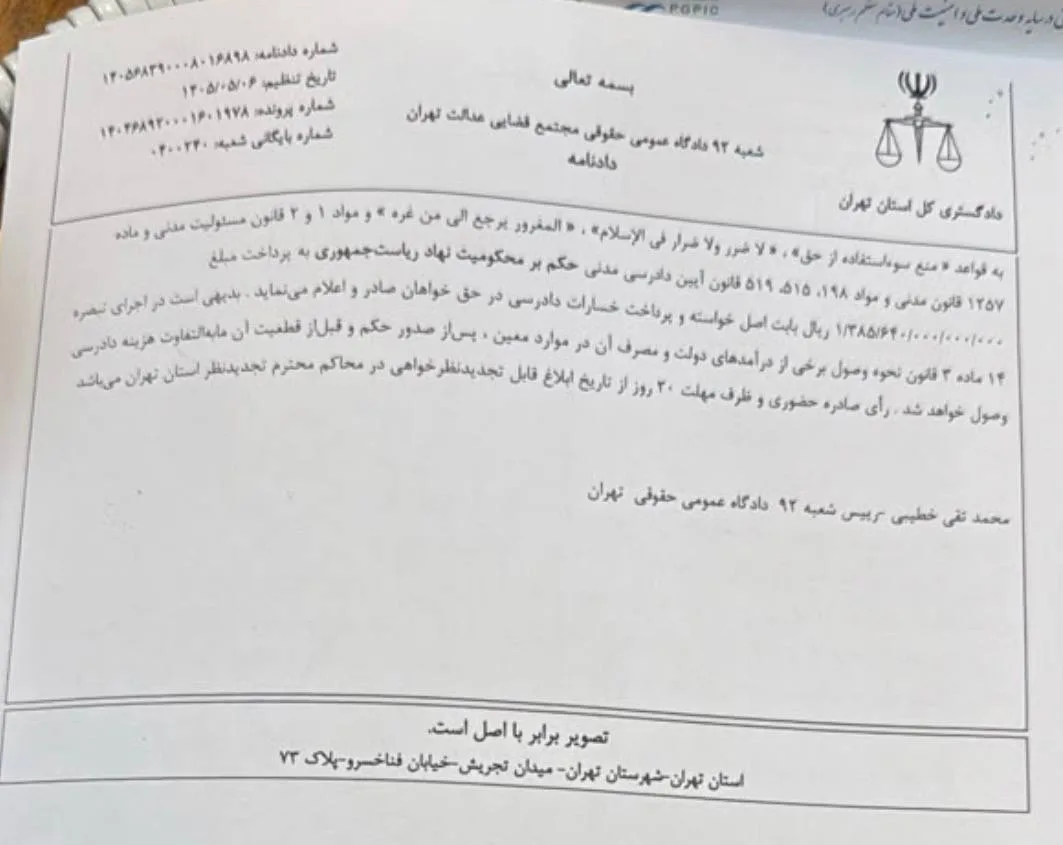
The matter has resurfaced in the news with the ruling of Branch 92 of the Tehran Public Court and a 138 trillion toman fine against the Presidential Institution in favor of the Ahdaf Company, a subsidiary of the Oil Industry Pension Fund. However, perhaps more important than today's legal dispute are the events that Ghorbanzadeh claims occurred before the auction.
How Competitors Were Ousted
The 12% block of the Persian Gulf Holding in 2022 was considered one of the most valuable government assets for transfer. Ghorbanzadeh refers to these shares as 'diamond' and says the Oil Pension Fund initially sought to have competitors step aside so that the block could be transferred to the Ahdaf Company at the base price.
According to the then head of the Privatization Organization, in the first auction, only the Ahdaf Company and Tehran Oil Refining were present, but Tehran Oil Refining, in what he described as 'strange and unclear,' withdrew from the competition. Ghorbanzadeh later realized the behind-the-scenes orchestration of this event. The first auction was ultimately canceled due to only one bidder remaining.
The importance of this narrative increases when the claims about pressure on competitors, including the use of levers such as company feedstock, are considered. If such pressures are proven in an independent review, the issue is no longer merely an unconventional commercial competition; rather, we are facing one of the most significant damages of privatization in Iran: using institutional power to engineer competition.
An auction that appears to be legally conducted can, if competitors are unofficially eliminated, be merely a legal shell for transferring a public asset.
270 Times Competition; Billions of Tomans Difference
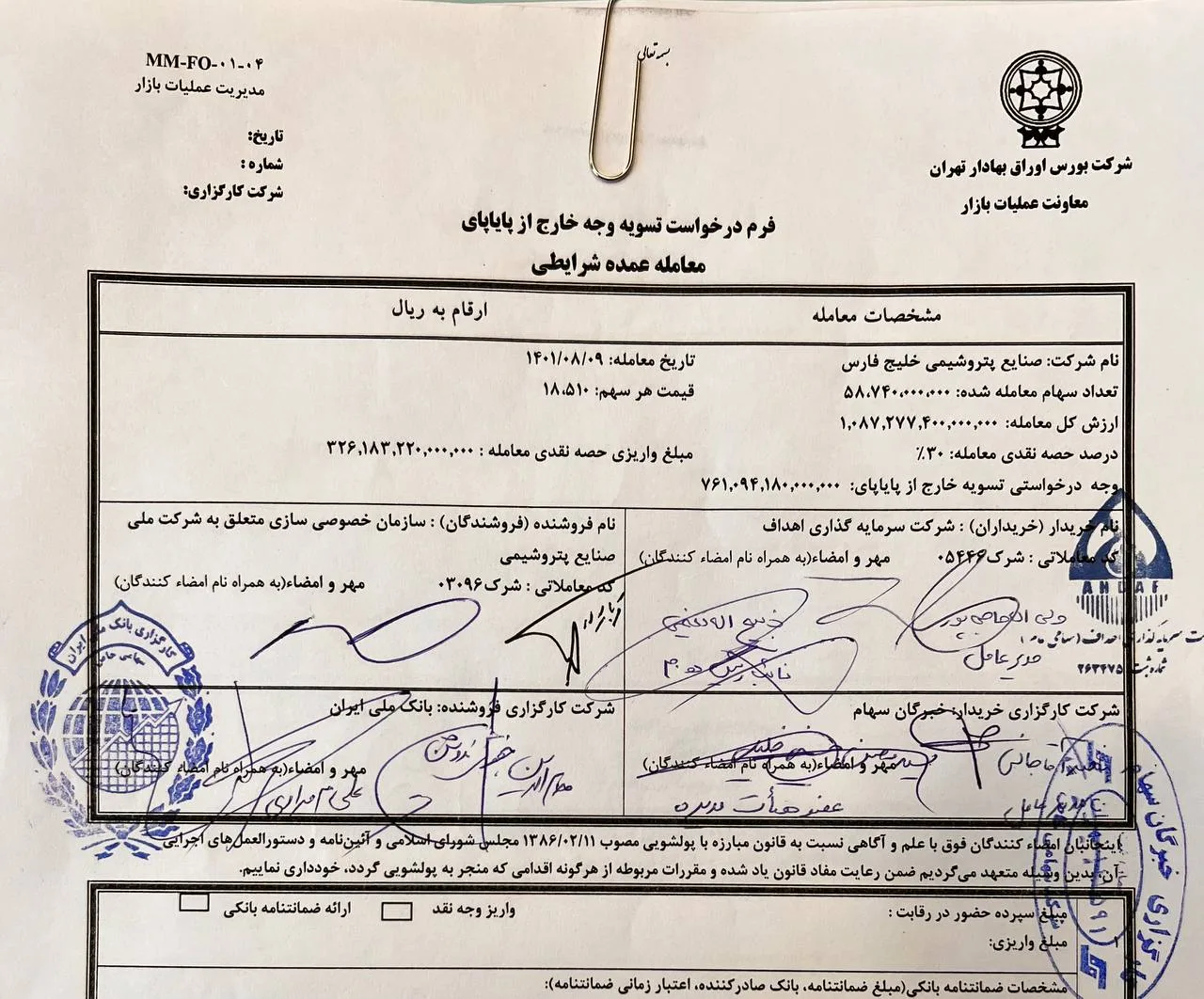
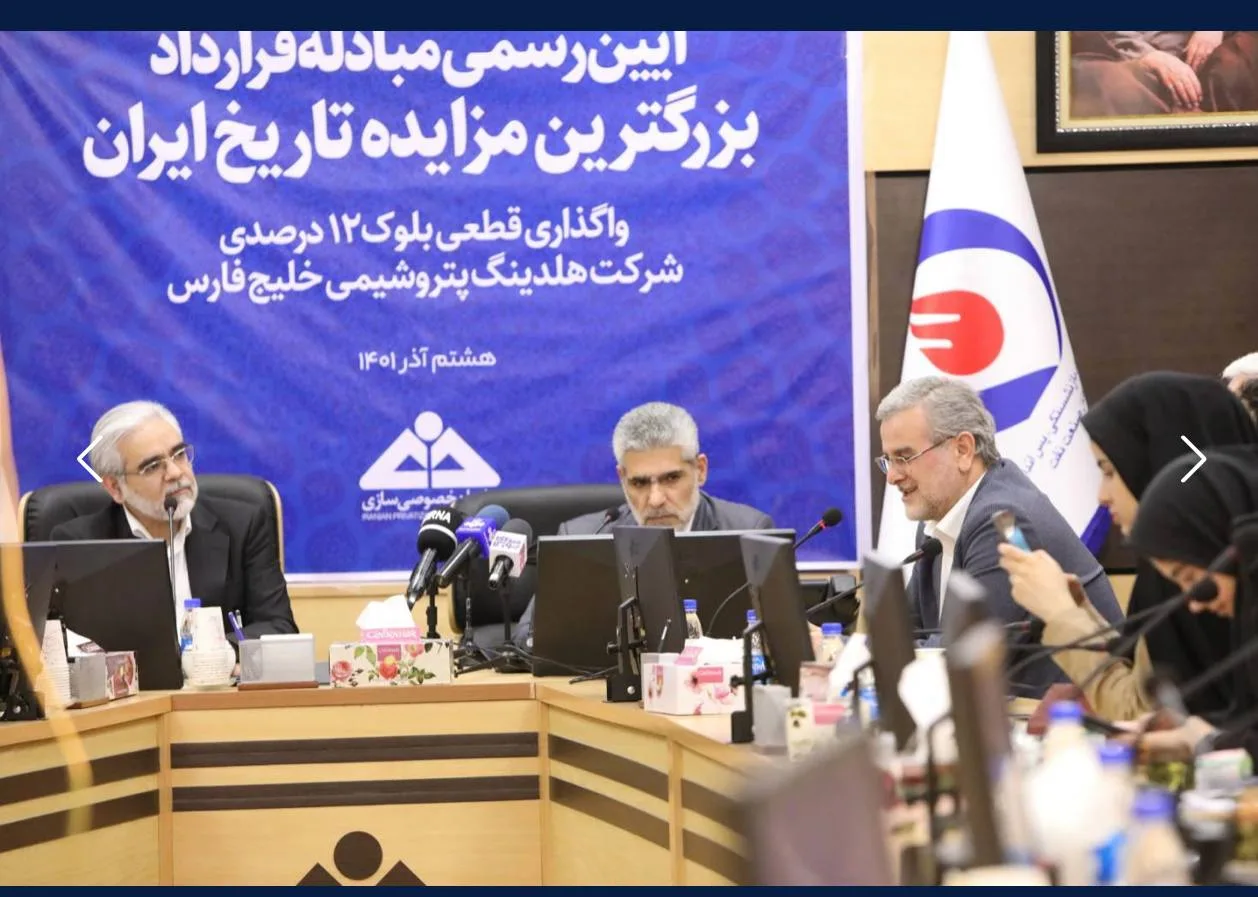
The events of the second auction showed how much the presence of a competitor could have impacted the government's interests. The 12% block on November 1, 2022, after three days of competition and about 270 price changes, finally went to the Ahdaf Company.
The base price of the entire block was about 82 trillion tomans, but competition raised the transaction price to about 108.7 trillion tomans, and with installment sale conditions, the final amount reached about 142 trillion tomans. Simply put, the gap between the initial floor and the final contract value was about 60 trillion tomans.
This number is the most important part of the case. If the first auction had ended with one bidder and at the floor price, how much potential value of the government's asset would have been lost? And more importantly, who attempted to remove competitors from the field?
Privatization can precisely at this point turn from a tool for downsizing the government into a platform for rent transfer. Corruption does not necessarily begin with bribery in a closed room; sometimes it is enough for the competition conditions to be engineered in such a way that a specific buyer, without serious rivals, stands before one of the most valuable public assets.
Now the matter has taken another turn. Oil Pension Fund managers say purchasing these shares has caused over 100 trillion tomans in losses to the fund, and one of the reasons is the failure to achieve the expected managerial seat. Sakhavat Asadi also linked this issue to the interests of about 83,000 official employees and nearly 110,000 retirees.
Ghorbanzadeh rejects this claim and says there was no commitment regarding the transfer of a managerial seat in the contract. He even argues that the Ministry of Oil effectively had influence over three board seats through the fund and the National Petrochemical Company.
He also claims that later advantages were created to benefit the Ahdaf Company; from purchasing non-managerial shares of Arvand Petrochemical to provide liquidity to the method of profit payment and bond issuance.
But beyond the legal dispute between the government and the Oil Fund, Ghorbanzadeh's main revelation raises a bigger question: if canceling an auction and restoring competition could add tens of trillions of tomans to the transaction value, what has happened in other major transfers in the country where such resistance did not occur?
Another point is Ghorbanzadeh's orchestration in this auction and then his appointment to the board of directors of the Persian Gulf Holding. Although he claims he did not expect to hold a position in the holding at the time of the auction, it is fundamentally a recurring experience of corruption in the conduct of auctions and tenders based on individual and group interests of specific factions, which is seen in many auctions and contracts in the energy sector and is believed by experts to be one of the arms of systemic corruption in the country.
The Persian Gulf Holding case can be an example for examining the privatization structure in Iran; a structure where sometimes powerful state and quasi-state institutions are both the seller, the buyer, the market regulator, and the owner of tools that can affect competitor activities.
In such a structure, the transparency of the stock exchange board alone does not guarantee the health of the transaction. The main question arises before the auction begins: who has been allowed to sit at the competition table, and who, with what pressures, has been removed from the field before the competition starts?
The story of the 'Persian Gulf Diamond,' at least according to the former head of the Privatization Organization, shows that the gap between a competitive auction and an engineered transfer can be tens of trillions of tomans of public assets; a gap that cannot be merely called an administrative difference or an old dispute between managers.