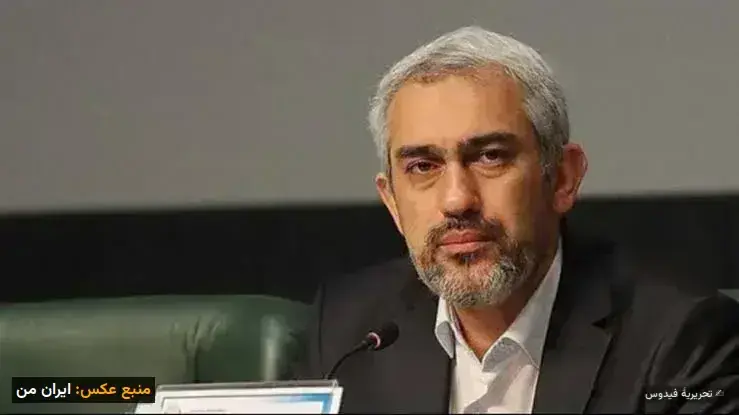
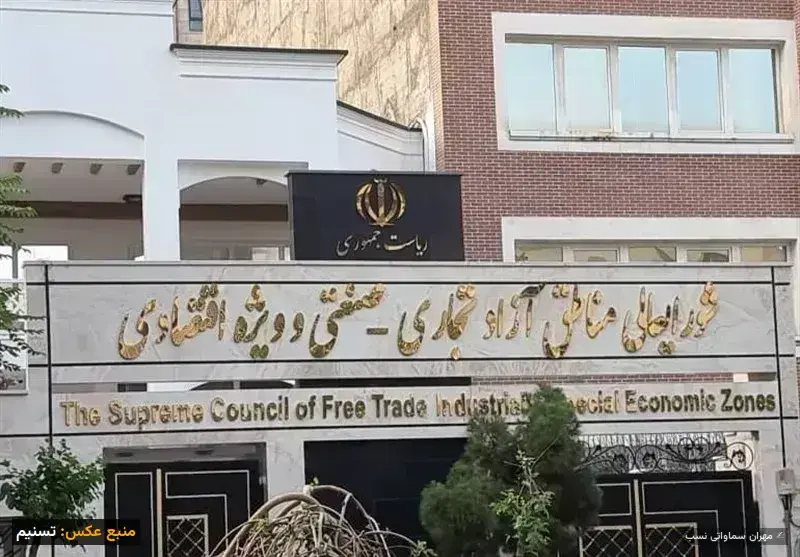
Recent rumors about the introduction of a new secretary for the High Council of Free Zones, who will practically steer these areas, indicate that the chaotic management market in these zones will still not allow the return of calm to their management.
Free Zones; From Development Engines to Investment Dead Ends
The free trade and industrial zones were supposed to become the showcase of Iran's competitive economy; areas that, by utilizing tax exemptions, facilitating laws, and attracting foreign investment, would display a different model of economic management. However, more than three decades after this experience began, many experts and economic activists believe the gap between the initial goals and today's reality of these zones is more evident than ever.
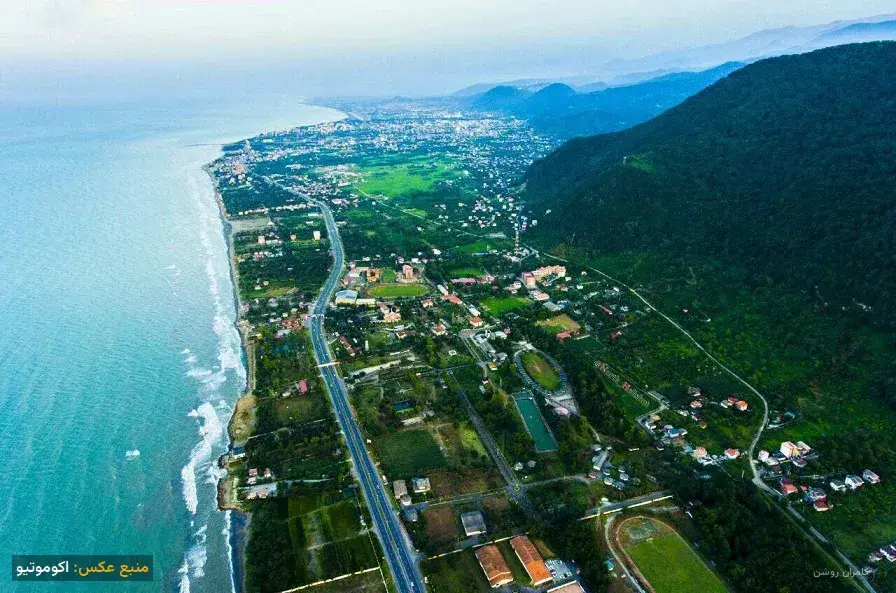
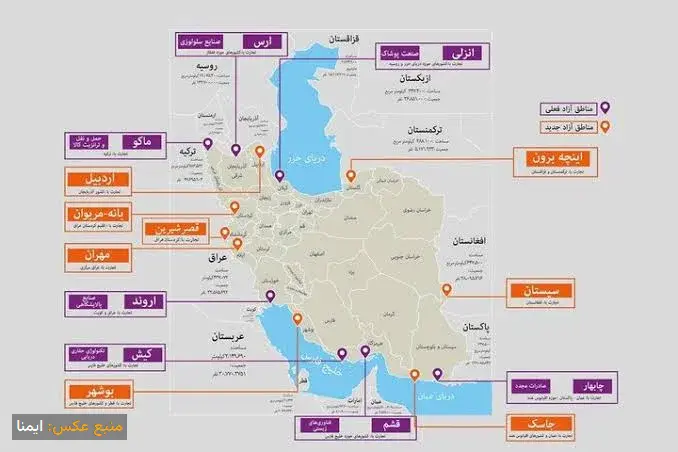
While the number of free zones has increased from the initial seven zones, including Kish, Qeshm, Chabahar, Anzali, Aras, Arvand, and Maku, to new areas like Baneh, Marivan, Qasr-e Shirin, and Mazandaran, the question remains whether quantitative development, without addressing structural problems, has achieved the initial goals of creating these zones or merely expanded the scope of challenges.
Promises That Remained on Paper
Economic activists believe Iran's free zones have lost a significant portion of their legal advantages. Rahman Sadat Najafi, the then-chairman of the Board of Coordination and Cooperation of Economic Activists in Free Zones, previously announced that about 70% of the laws predicted for the administration of these zones have never been fully implemented. According to him, the performance of executive bodies in recent years has not only failed to strengthen the position of free zones but has also rendered many supportive laws practically ineffective.
The result of this situation has been a decrease in the trust of domestic and foreign investors. Iranian investors face legal ambiguities and constant regulatory changes, while foreign investors, in addition to these problems, see the risks arising from sanctions and the political climate as serious barriers to capital entry.
Capital Flight; A Warning Bell for the Economy of Free Zones
One of the most significant concerns raised about the future of free zones is the trend of capital outflow. Economic activists say that in recent years, some investors have halted their development plans or transferred their capital to neighboring countries; a trend that has intensified with increasing international tensions and uncertainty about the future of Iran's economy.
In such conditions, the most important competitive advantage of free zones, namely tax exemptions, has also faced challenges. Experts believe that contrary to the philosophy of forming these zones and the provisions of the law, in many cases, tax laws similar to the mainland are implemented. They argue that this approach does not align with Article 13 of the Law on the Administration of Free Zones and related regulations on tax exemptions and has eliminated one of the main incentives for investment.
Managerial Instability; A Major Obstacle to Investment
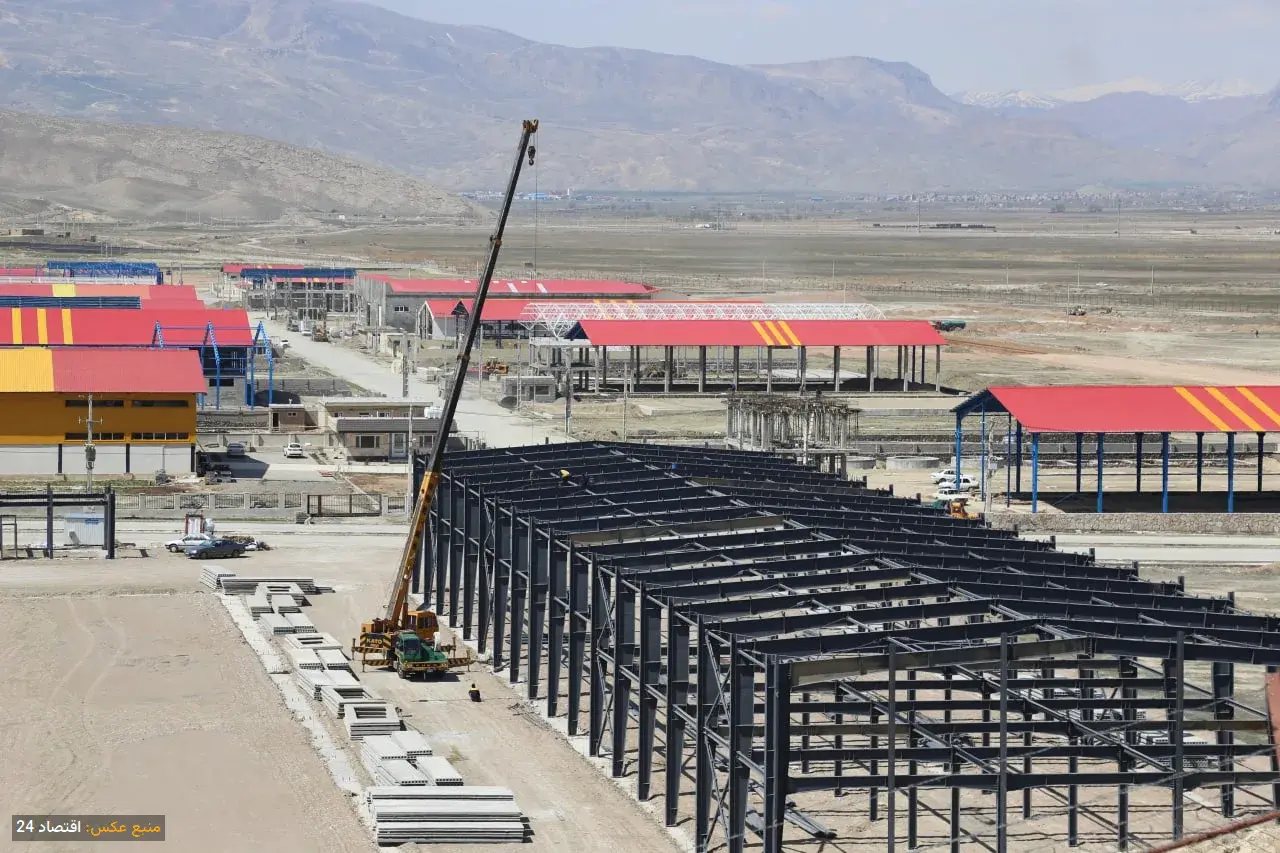
In addition to legal ambiguities, frequent managerial changes have also become one of the chronic problems of free zones. In recent years, the secretariat of the High Council of Free Zones and the management of many of these zones have undergone changes multiple times, and this instability has reduced the possibility of implementing long-term plans.
Experts believe that the dependency of managerial appointments on political developments has caused every change at the government level to alter the policy direction of free zones. As a result, investors seeking stability and predictability find less motivation to enter these areas.
Ehsan Arkani, a former member of the Parliament's Budget and Planning Commission, also previously mentioned that the goal of some supervisory plans was to increase transparency, but in practice, the managerial independence of these zones has decreased, and the legal powers of managers have been limited; a subject that, according to economic activists, has also led to the gradual elimination of investment incentives.
Markets That Lost Their Prosperity
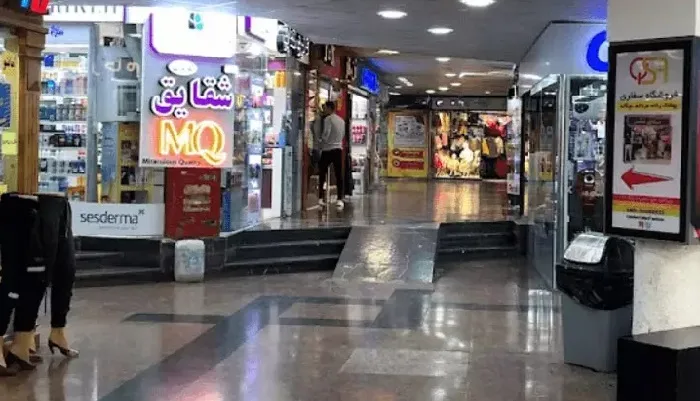
The economic recession has not been limited to the investment sector and has also affected the markets and tourism industry of free zones. Since the COVID-19 pandemic, many of these areas have not been able to return to their previous level of economic activity, and the decrease in household purchasing power has exacerbated this trend.
Kish Island, which for years was considered one of Iran's most important tourist destinations, is now facing a significant decrease in the number of visitors. Tourism activists say the drop in demand has reached a point where hotels are forced to compete fiercely for the few tourists; a situation that was unimaginable for this island a few years ago.
Qeshm and Chabahar have also faced a decline in the arrival of tourists and investors. In Chabahar, the slowdown in India's investment in port development has affected one of the region's most important economic projects and cast doubt on some of the predicted prospects for the port's development.
In the Arvand Free Zone, economic problems have been intertwined with managerial and infrastructural challenges. Economic activists in this area believe that repeated management changes, the halt of development projects, and the emergence of corruption-related cases have increased the gap between the initial goals and the current state of this zone.
According to some experts, the dissatisfaction of some citizens of Abadan and Khorramshahr with the performance of the Arvand Free Zone has reached a point where some are calling for a review of the current structure of this area.
In the northern regions of the country, including Aras, Anzali, and Maku, although managers speak of investment growth, critics believe that economic indicators and the state of production present a different picture of the performance of these zones.
Distance from the Main Philosophy of Free Zones
One of the most significant criticisms of free zones is their deviation from the initial goals of their establishment. These zones were supposed to become bases for non-oil export development, technology attraction, increased production, and job creation, but critics say a significant portion of their activity is limited to importing goods and consumer trade, and the share of production and exports remains below expectations.
Experts also believe that the country's economic and international policies do not align with the requirements for the success of free zones. In many countries, these zones act as a link between the national economy and global markets, but in Iran, restrictions due to sanctions, lack of extensive connection with the international financial system, and constant regulatory changes have reduced the possibility of playing such a role.
On the other hand, some experts attribute the inefficiency to the way the locations for creating free zones were chosen. They believe that some of these areas initially lacked the necessary infrastructure to achieve the set goals, and in some cases, rather than becoming centers of production and export, they have paved the way for rent-seeking, land speculation, and unproductive activities.
Overall, the experience of more than three decades of free zone activity shows that increasing the number of these zones, without reforming managerial structures, fully implementing supportive laws, creating stability in policymaking, and providing a platform for interaction with the global economy, cannot lead to the achievement of initial goals. For this reason, many experts believe that before the geographical expansion of free zones, a review of their administration philosophy and function is an unavoidable necessity.