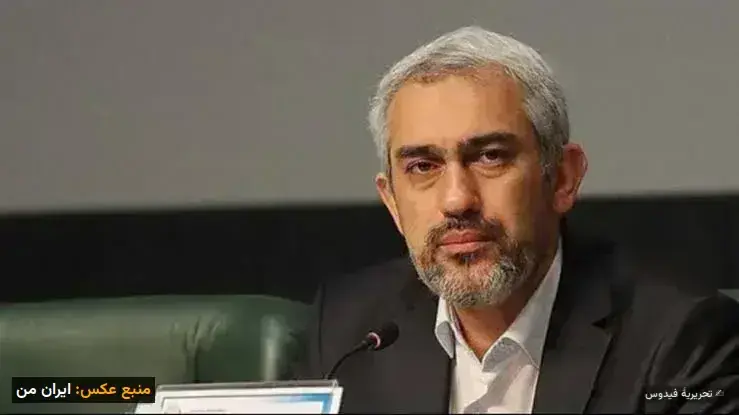
The return of Hossein Hamidpour to the urban management of Abadan and Khorramshahr and the Arvand Free Zone Organization reminds many citizens of one of the most bitter contemporary tragedies in Khuzestan: the collapse of the Metropol tower. This incident not only brought down a building but also shattered public trust in the oversight and urban management structure.
Hamidpour was the mayor of Abadan at the time of the Metropol disaster; a period when a project rife with technical violations and oversight weaknesses led to the death and injury of dozens. Metropol collapsed on May 23, 2022, becoming a symbol of structural corruption and collusion in urban construction. Reports indicated that Hossein Abdolbaghi, the project's developer, advanced construction outside regulations with behind-the-scenes connections and a green light from some managers.
In the Metropol judicial case, Hossein Hamidpour's name appears among the convicted. He was sentenced to two years of dismissal from government services and was found partially responsible for the incident. Now, his return to management with the support of Arvand Free Zone managers raises questions about the appointment criteria in this area: managerial track record or behind-the-scenes connections?
The bereaved families of Metropol see this appointment as "rubbing salt on the wound." A wound whose truth has not yet been revealed, and the lost trust of the people of Abadan has not been restored. Bringing back a manager whose name is tied to one of the darkest urban cases sends a message to society that in the management structure, the collective memory of the people and the dignity of the victims' blood do not matter.
In a city still overshadowed by Metropol, the return of problematic managers is not a sign of managerial stability, but a sign of the continuation of a flawed cycle that has deprived Abadan of real development: a cycle of immunity and forgetfulness.