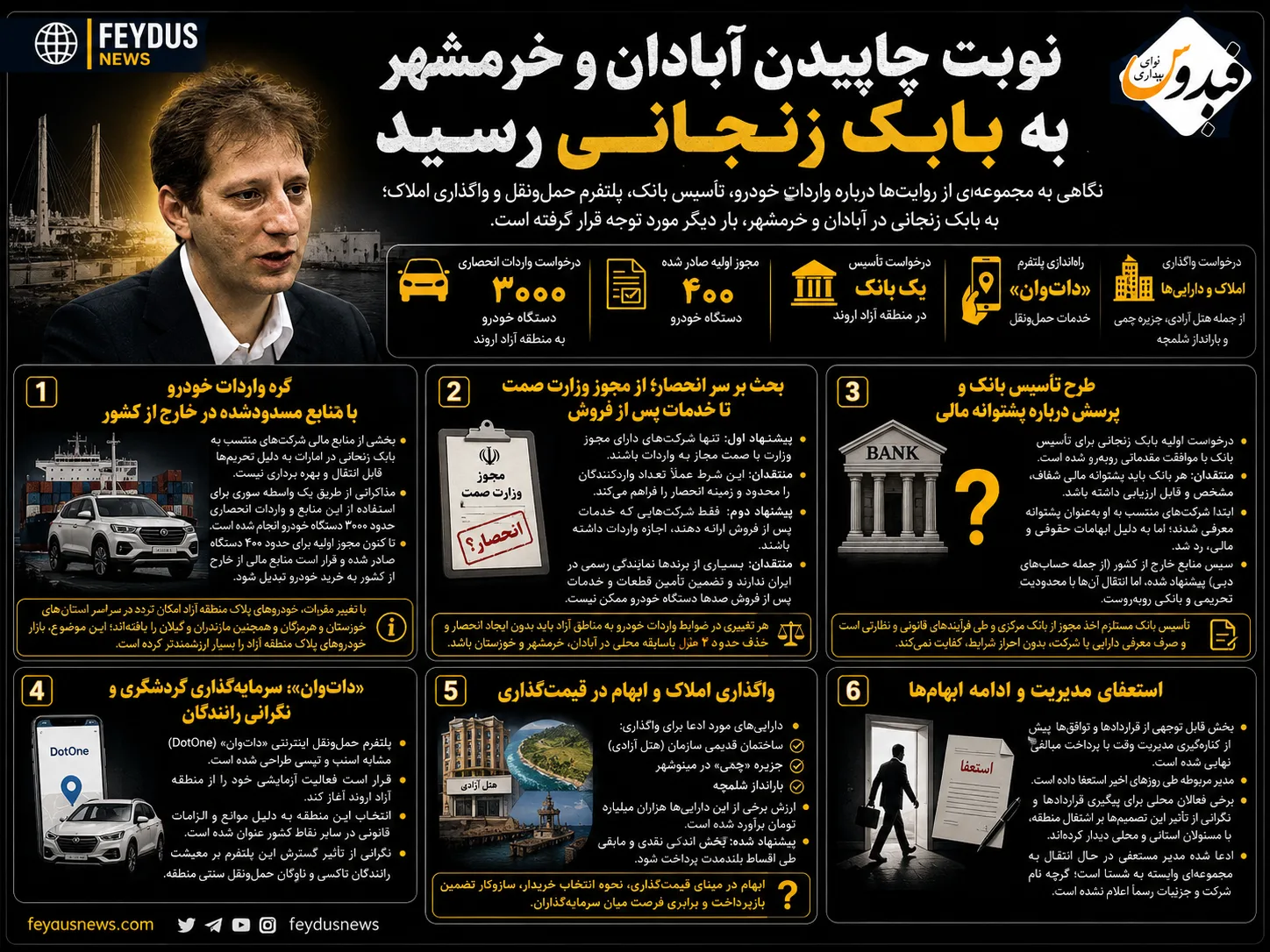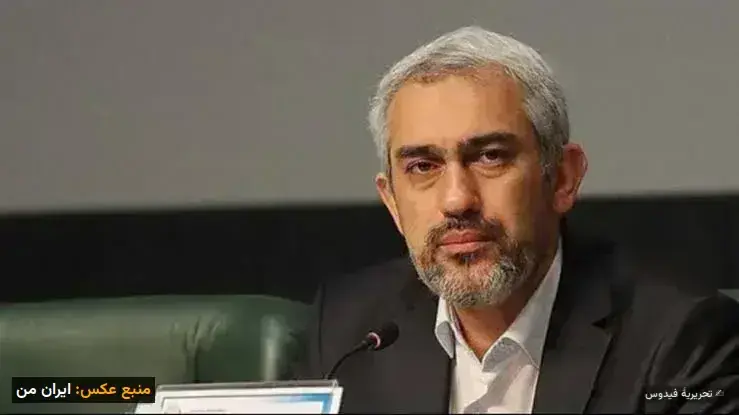
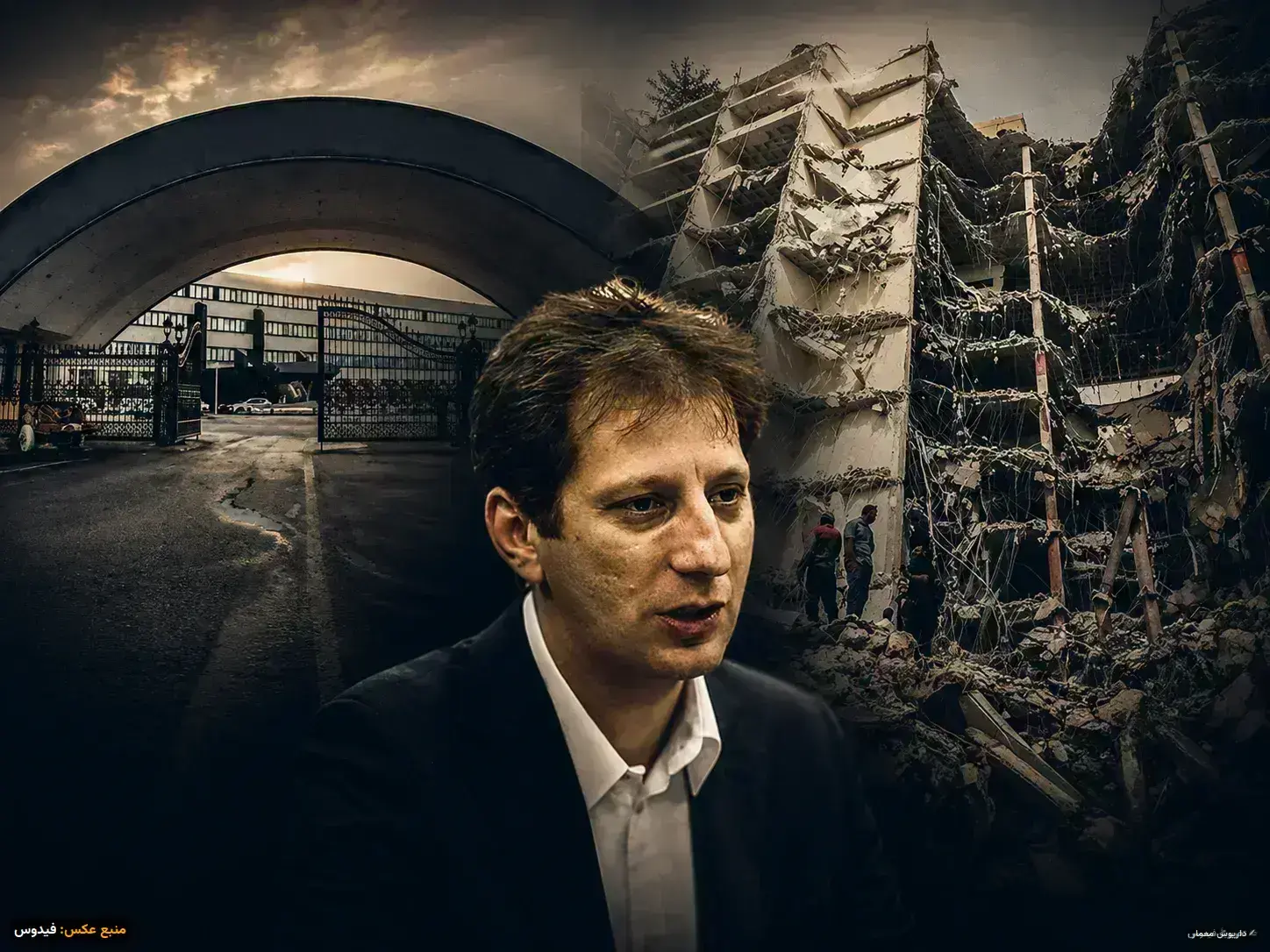
A collection of narratives about the efforts of companies and entities associated with Zanjani, in collaboration with the CEO of Arvand Free Zone, Mostafa Khanzadi, to enter several economic sectors in this region — from car imports and bank establishment to launching an online transportation platform and acquiring certain properties and assets — is being told.
The Car Import Knot with Blocked Resources Abroad
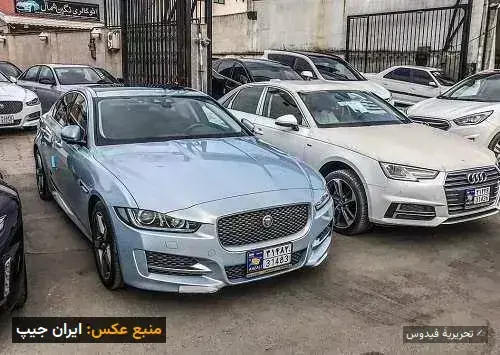
The core of these narratives returns to the issue of exclusive car imports by the Zanjani group to the Arvand Free Zone. According to the claims made, part of the assets and financial resources related to companies associated with Babak Zanjani in the United Arab Emirates have faced difficulties in transfer and utilization due to sanctions-related restrictions. It is said that negotiations have been conducted through a Syrian intermediary to enable the exclusive import of about three thousand cars to this region.
According to these claims, so far, the initial permit for about 400 cars has been issued, and it is planned that the financial resources available abroad will be converted into car purchases through this process. However, the important point is that it has been requested that the monopoly on car imports in the Arvand Free Zone be given to the Babak Zanjani group; a matter that, if true, could have significant implications for the car market and economic competition in the region.
The importance of these claims increases when considering the recent changes in the regulations for the movement of cars in free zones. Simultaneously with these changes, Hormozgan province has also found conditions similar to Khuzestan, and cars with free zone plates have been allowed to travel throughout the province. In the northern free zones of the country, including Mazandaran and Gilan, similar facilities have been established for the movement of these cars. The expansion of travel range and increased demand for cars with free zone plates have significantly increased the economic value of car imports to these areas, and this has increased the attractiveness of capturing this market for some entities.
Debate Over Monopoly; From Ministry of Industry Permit to After-Sales Services
In this context, it is claimed that proposals have been made to limit the circle of local importers. The first proposal was that only companies with a permit from the Ministry of Industry, Mine, and Trade be allowed to import cars. Critics of this idea believe that such a condition could effectively limit the number of importers and pave the way for monopoly. After this criticism that existing laws do not foresee such a restriction and any legally licensed company can operate in this field, another proposal was made: that only companies that also take on after-sales services be allowed to import.
Critics of this second proposal also see it facing serious challenges. They say that many prominent car brands like Toyota and Hyundai currently do not have official and active representation in Iran, and importing companies do not necessarily have the ability to provide long-term guarantees for supplying parts and after-sales services for hundreds of cars. Therefore, the question arises as to how a company can provide a commitment for importing several hundred cars when its implementation is fraught with numerous ambiguities. Based on this view, any change in the car import regulations to free zones should be formulated in a way that, while preserving consumer rights, prevents the creation of a monopoly and the elimination of 2,000 experienced local activists in Abadan, Khorramshahr, and Khuzestan.
The Proposal to Establish a Bank and Questions About Financial Backing
Beyond cars, another proposed plan is to establish a bank in the Arvand Free Zone. According to these narratives, the initial request for a license from Babak Zanjani has received preliminary approval, but subsequently, the financial capability and capital backing of the bank have been questioned. Critics have emphasized that any bank must have a transparent, specific, and assessable financial backing to receive a license.
In response to this question, initially, companies associated with Babak Zanjani were introduced as the financial backing of the bank; however, critics believed that companies whose legal and financial status is questionable cannot play such a role. Then, according to the claimants, it was proposed that the financial resources available abroad — including related accounts in Dubai — be introduced as backing. Here too, the ambiguity arose that when transferring these resources into the country faces sanctions and banking restrictions, how can they be considered a reliable asset for issuing a bank license.
According to critics, establishing a bank ultimately requires obtaining a license from the Central Bank and going through legal and regulatory processes, and merely introducing assets or a company without meeting the conditions is not sufficient.
"Dot One", Tourism Investments and Drivers' Concerns
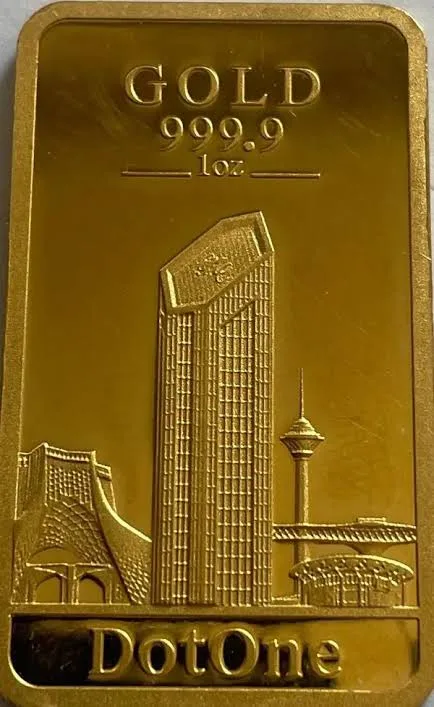
Alongside these matters, it is claimed that an entity named "Dot One Trip" has been designed as an online transportation platform similar to Snap and Tap30 by Babak Zanjani and is set to start its pilot operation in the Arvand Free Zone. Critics claim that this region was chosen for the pilot implementation because launching such a system in other parts of the country faced legal obstacles and requirements. There is also concern that the expansion of such a platform could impact the livelihood of taxi drivers and the traditional transportation fleet in the region.

Property Transfers and Ambiguity in Pricing
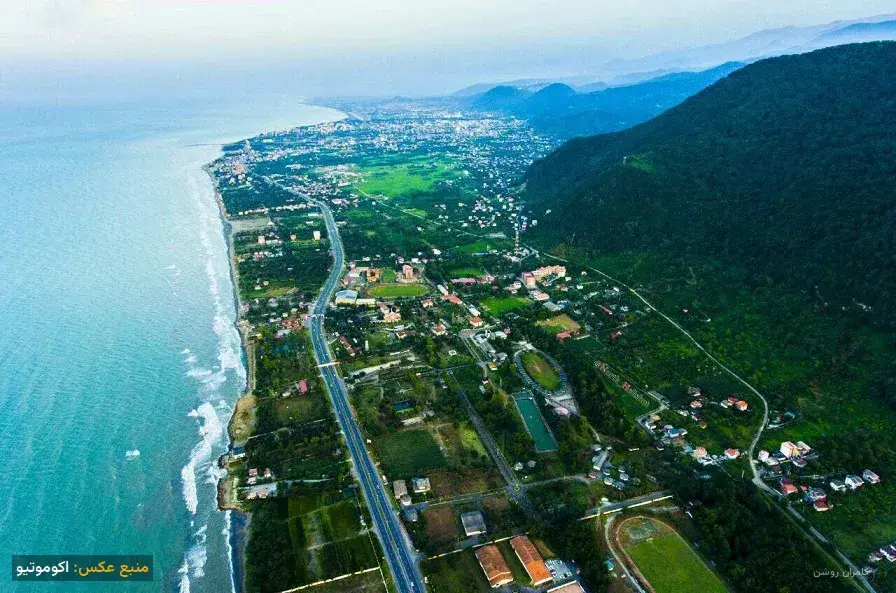
Another part of these claims relates to the transfer of certain properties and assets in the Arvand Free Zone. The old building of the organization — previously known as "Azadi Hotel" — Chami Island in Minushahr, and Shalamcheh dock have been mentioned as assets proposed for transfer.
Resignation of Management and Continued Ambiguities
Finally, according to these narratives, a significant portion of the contracts and agreements related to these projects were finalized with payments before the resignation of the then-management, and the manager has recently resigned. It is said that some local activists and stakeholders have met with provincial and local officials, including the representative of the Supreme Leader and the Friday Imam, to follow up on the status of the contracts and are concerned about the impact of these decisions on regional employment.
It is claimed that the resigned manager is being transferred to an entity affiliated with Shasta, although the name of the company and details of this appointment have not been officially announced.