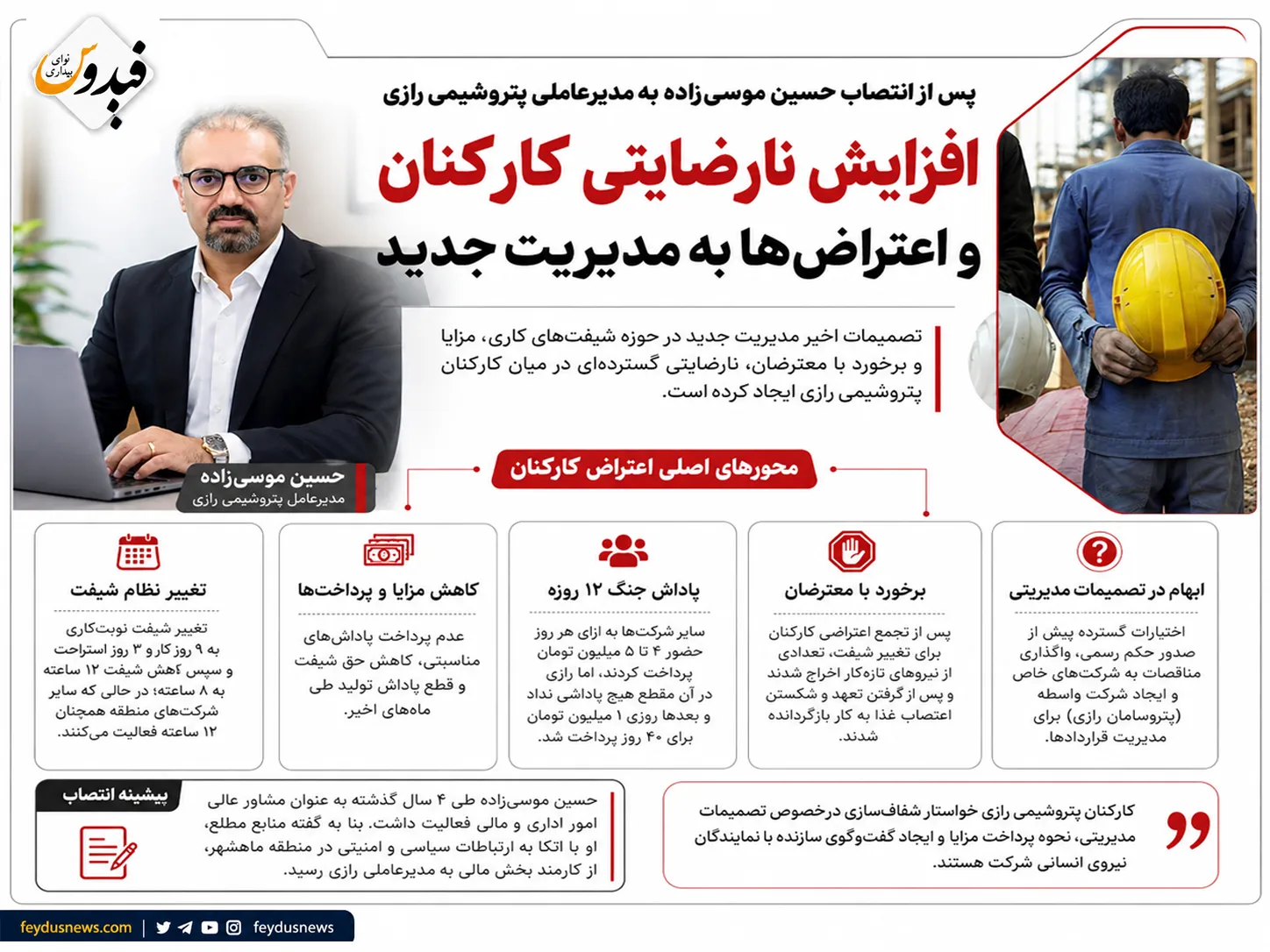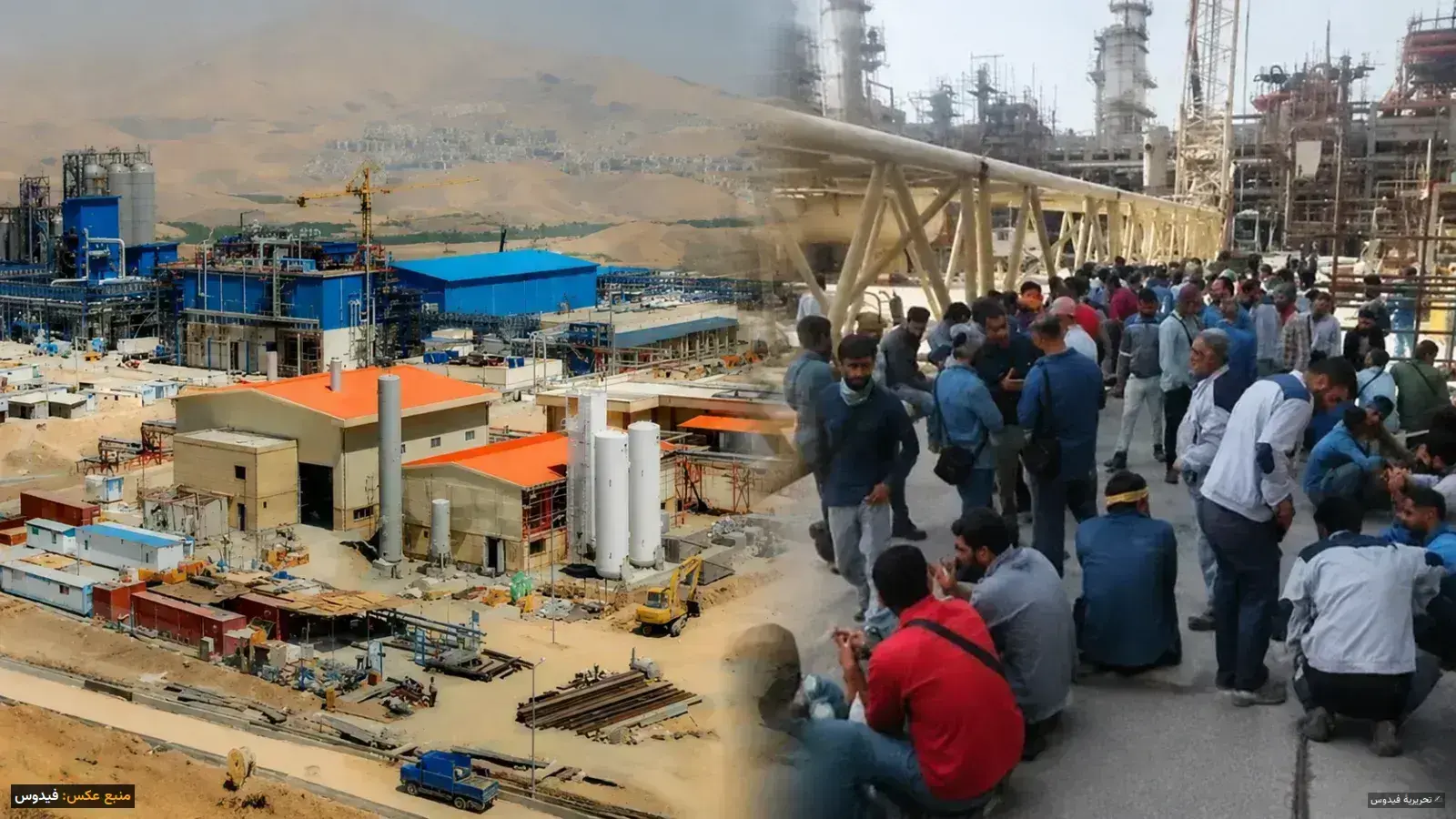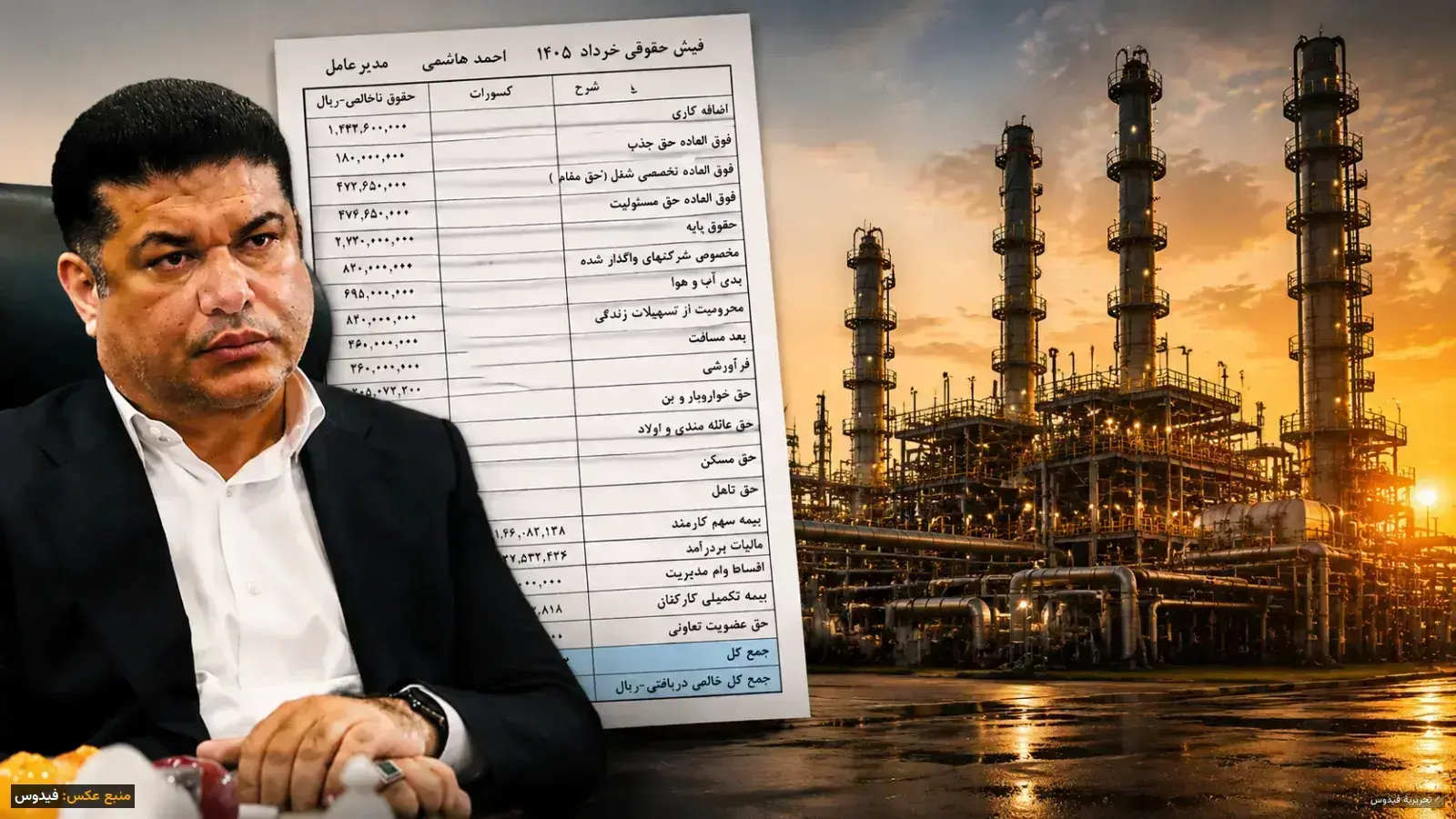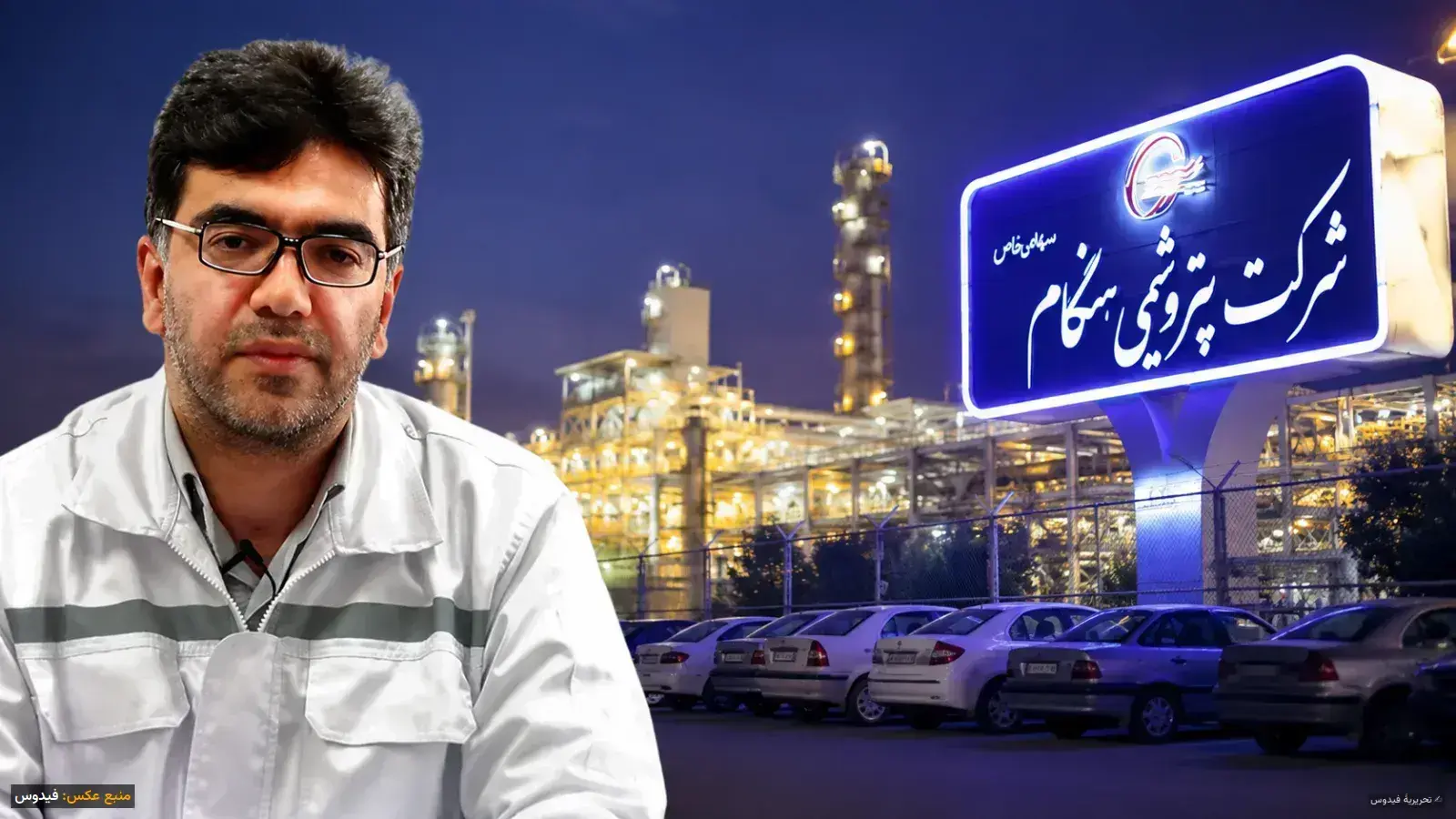
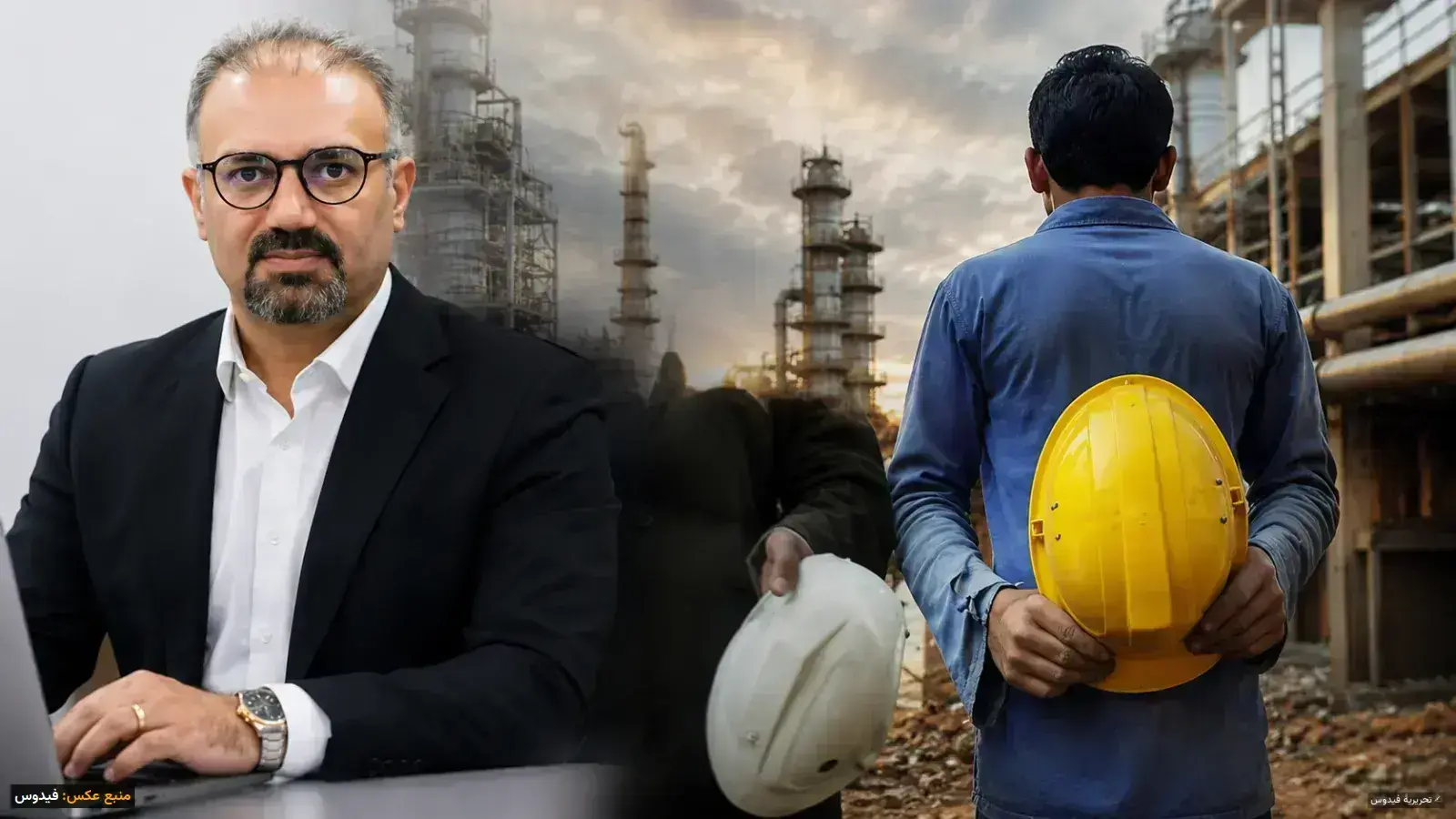
While only a short time has passed since Hossein Mousazadeh's appointment as CEO of Razi Petrochemical Company, reports from the company's employees indicate increased dissatisfaction with certain management decisions, changes in the shift system, and reductions in welfare and incentive payments. According to informed sources, this issue has created a tense and protest-filled work environment in the company in recent weeks.
Reviewing the received information shows that a significant portion of employee criticism relates to decisions made after the new management began, concerning benefits payments, attendance systems, and human resource management. Decisions that some employees believe are contrary to the usual practices in many petrochemical companies in the special economic zone.
Cut or Reduction of Some Welfare Payments
According to informed sources, since the new CEO took office, some occasion-related payments that were previously given to employees have been stopped or delayed. Employees also complain about the removal or reduction of some production and shift-related benefits, believing this issue has affected employee motivation.
These sources say that in recent months, in addition to the reduction of some benefits, shift allowances have not been fully paid during periods when employees were present at work in shifts. An issue that, in their view, does not align with the nature of operational activities in the petrochemical industry.
Change in Shift System and Employee Protests
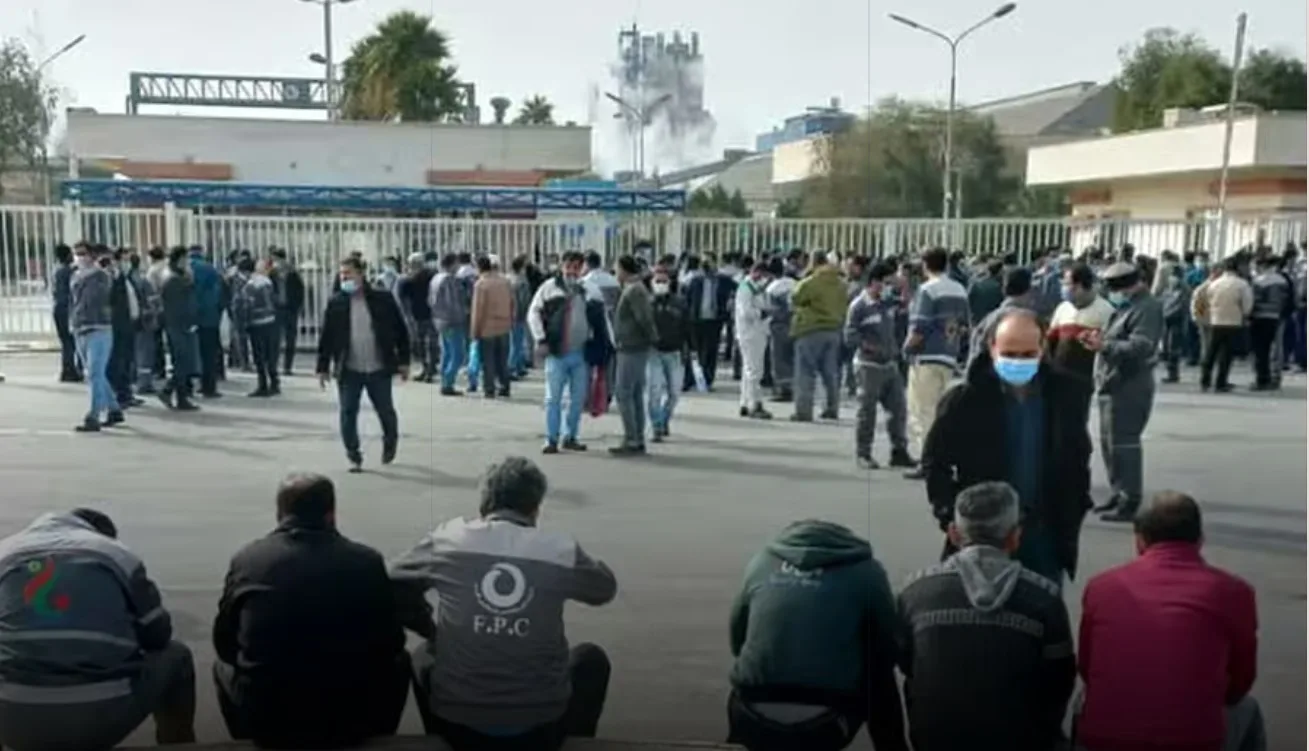
One of the main points of employee protest is the change in the work shift pattern. Based on received information, initially, due to conditions arising from the 12-day war, the company's management changed the attendance pattern to 9 days of work and 3 days of rest with the declared aim of reducing employee psychological pressure. However, further changes were made to the shift system, which, according to employees, have had significant impacts on their earnings.

According to informed sources, about three months ago, 12-hour shifts were converted to 8-hour shifts. While these sources say that most petrochemical complexes in the special zone still operate with a 12-hour pattern. Employees believe this change has not only reduced income from shift bonuses but also simultaneously cut production bonuses.
Another issue that has been widely reflected among employees is the method of paying bonuses related to the war period. According to informed sources, during the 12-day war, many companies active in the petrochemical special economic zone paid amounts between four to five million tomans per day of employee presence as bonuses, and in some complexes, the total payments reached tens of millions of tomans.
However, according to these sources, Razi Petrochemical did not make any payments under the title of war bonuses at that time. Although later, about 40 days after, amounts of approximately one million tomans per day for this period were considered, some employees believe this payment significantly differed from the practices of other companies in the region.
Reports of Handling Protesters
Simultaneously with employee protests over shift changes, reports have also been published about how some protesters were handled. Informed sources say that during the employee protest gathering for a review of the shift system, some newly hired employees were dismissed. According to these sources, these individuals returned to work after providing commitments and ending their protest.
The appointment of Hossein Mousazadeh as CEO of Razi Petrochemical was accompanied by controversies from the start. According to previously published information, although his official CEO appointment was issued on July 5th, informed sources believed that weeks before this appointment, a significant portion of the company's executive powers, including decision-making on purchase and sale contracts, appointments, and staff transfers, were effectively under his control.
According to these reports, over the past four years, Mousazadeh served as a senior administrative and financial advisor to the CEO, but his authority was assessed to extend beyond the defined organizational position. Before Mousazadeh's official appointment, reports were published about the management of some financial and contractual processes at Razi Petrochemical.
Among the raised issues was the formation of a company called "Petrosaman Razi," which, according to informed sources, was used as an intermediary for transportation contracts. These sources claimed that contractor payments were made through this company, resulting in a portion of financial resources remaining in this company's account for some time. Questions were also raised about the management of potential profits from this process, but no official response has been published so far.
Additionally, reports were published about awarding some tenders to companies other than the main competition winners; claims that have not yet been officially confirmed by responsible authorities.
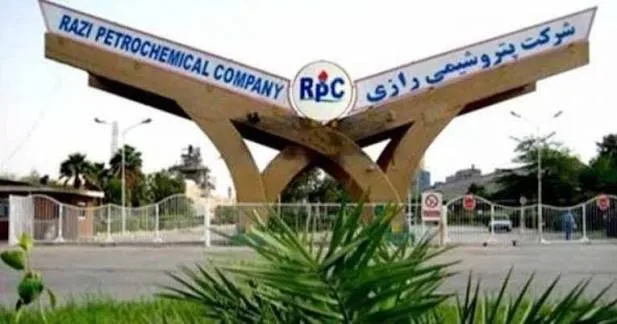
Some informed sources believe that the promotion process of Hossein Mousazadeh in the management structure of Razi Petrochemical was carried out with significant speed. These sources say that he, who started his career in the financial sector, gradually became one of the main decision-makers in this complex over recent years by relying on extensive connections in the region and with some political and executive figures, eventually reaching the position of CEO.
In this regard, his close connections with some members of parliament, including the representative of the Mahshahr area, were also mentioned in previous reports; although no official explanation has been provided by relevant institutions about the extent of the influence of these connections on the appointment process.
In a situation where multiple reports of increased dissatisfaction among Razi Petrochemical employees have been published, it is expected that the company's management will provide clear explanations about the reasons for changing the shift system, the method of benefit payments, the status of bonuses, and also the claims made about handling protesters.
According to some labor relations experts, maintaining employee motivation in strategic industries such as petrochemicals, in addition to cost management, requires transparency in decision-making, continuous dialogue with employees, and building organizational trust. An issue that, if ignored, can affect productivity, workplace calm, and even production continuity.