In the country's energy industry, the presence of individuals with unclear resumes who, under the guise of a collection of various companies and through lobbying and favoritism, acquire large contracts from state companies, is a sign of the activities of mafia-like economic cartels in the country. These cartels have ties to representatives, institutions, and influential governmental figures.
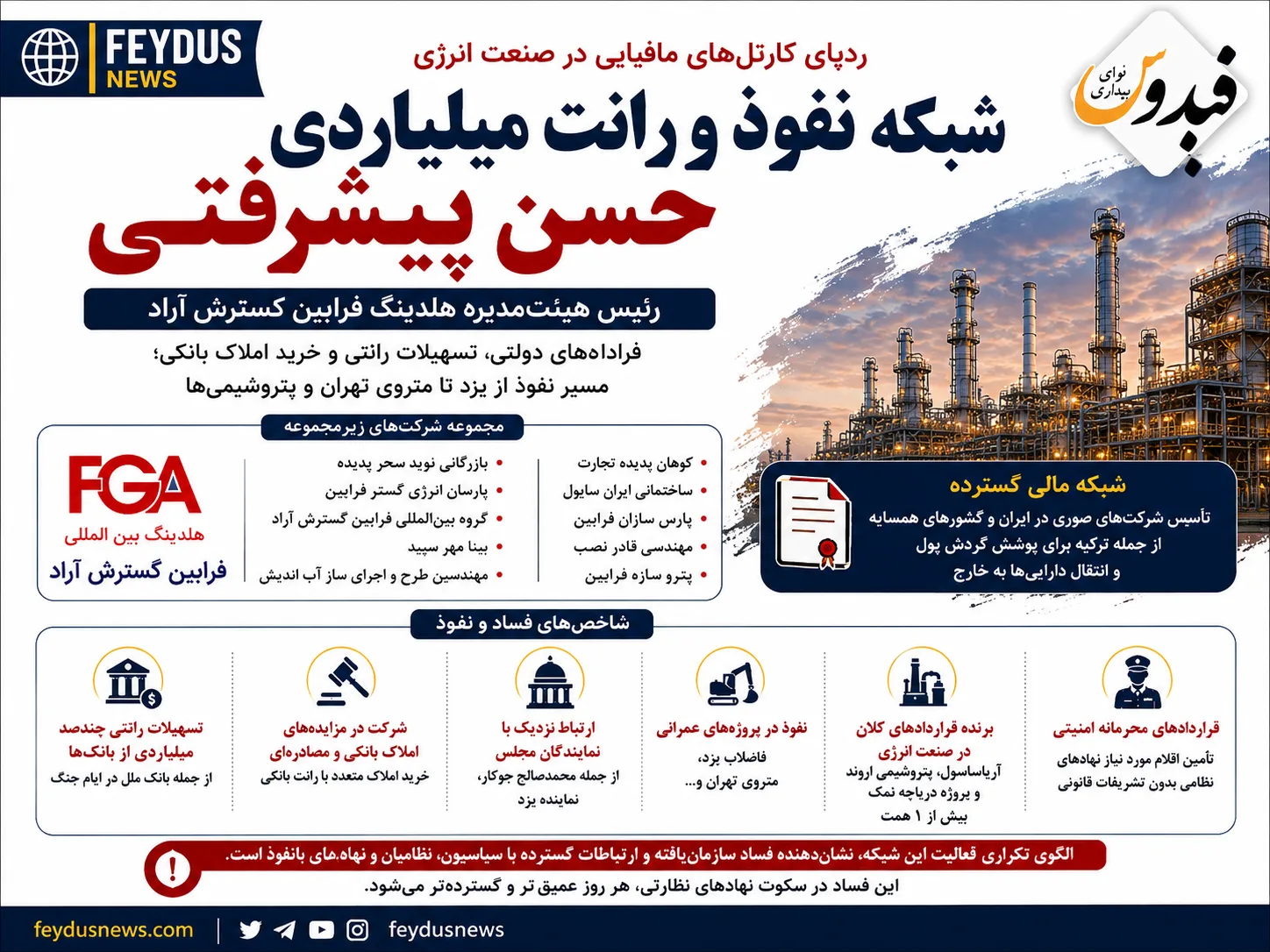
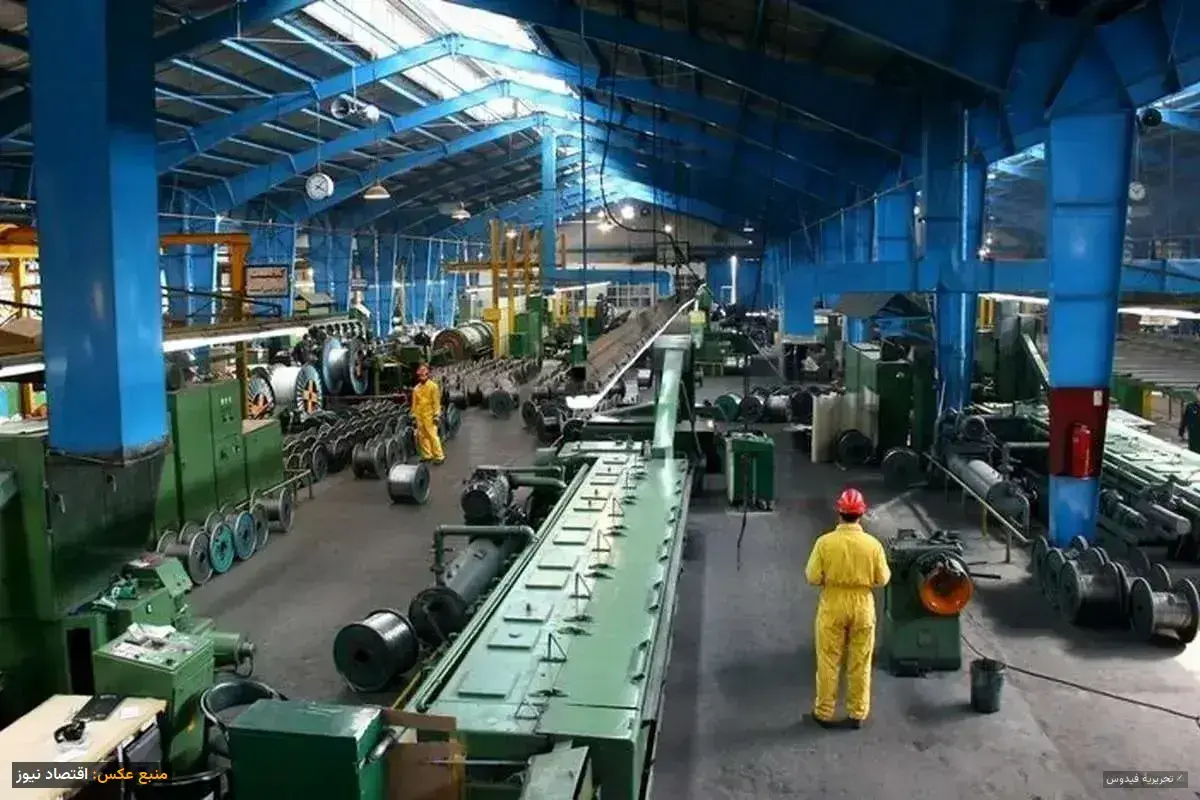
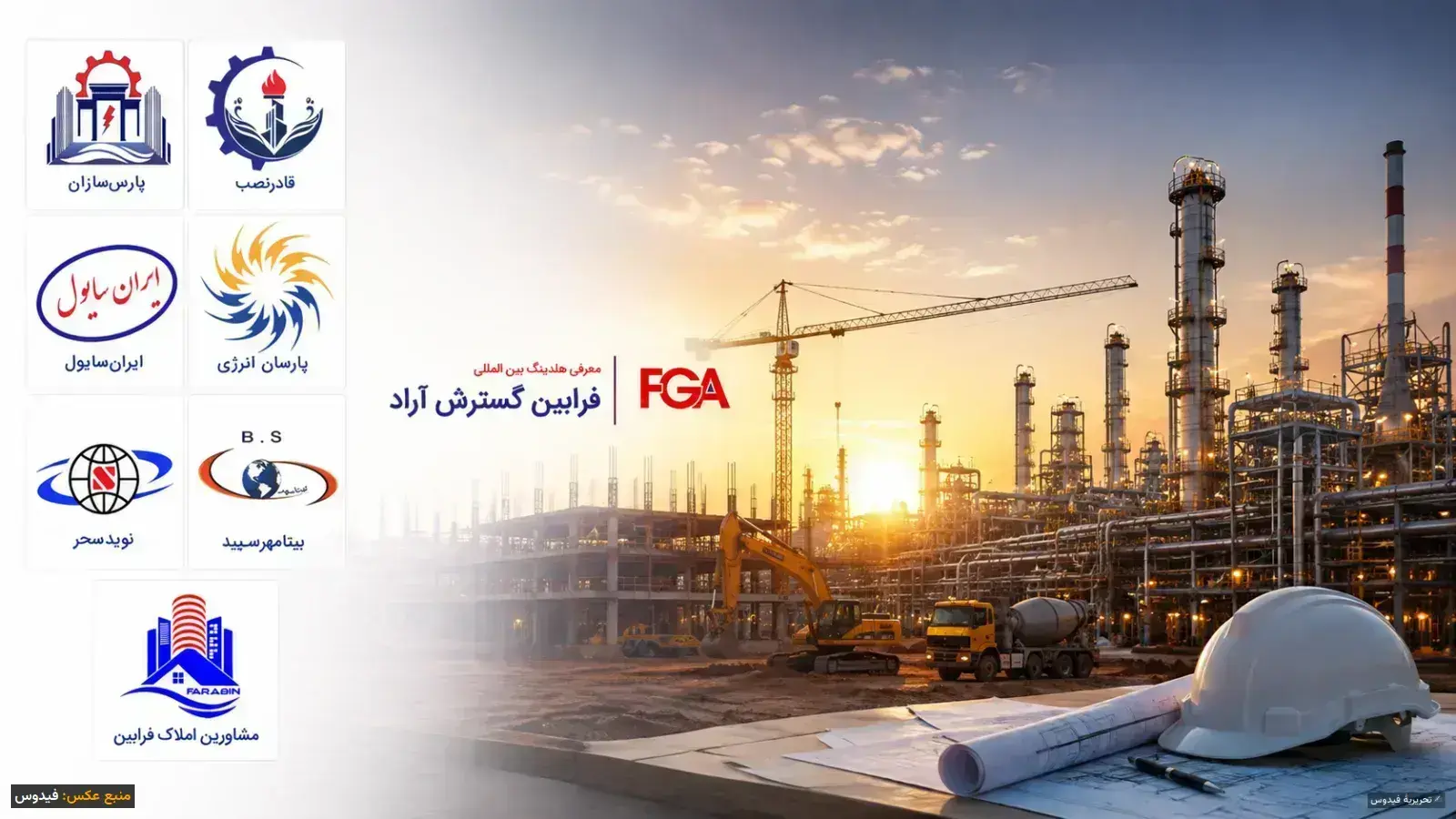
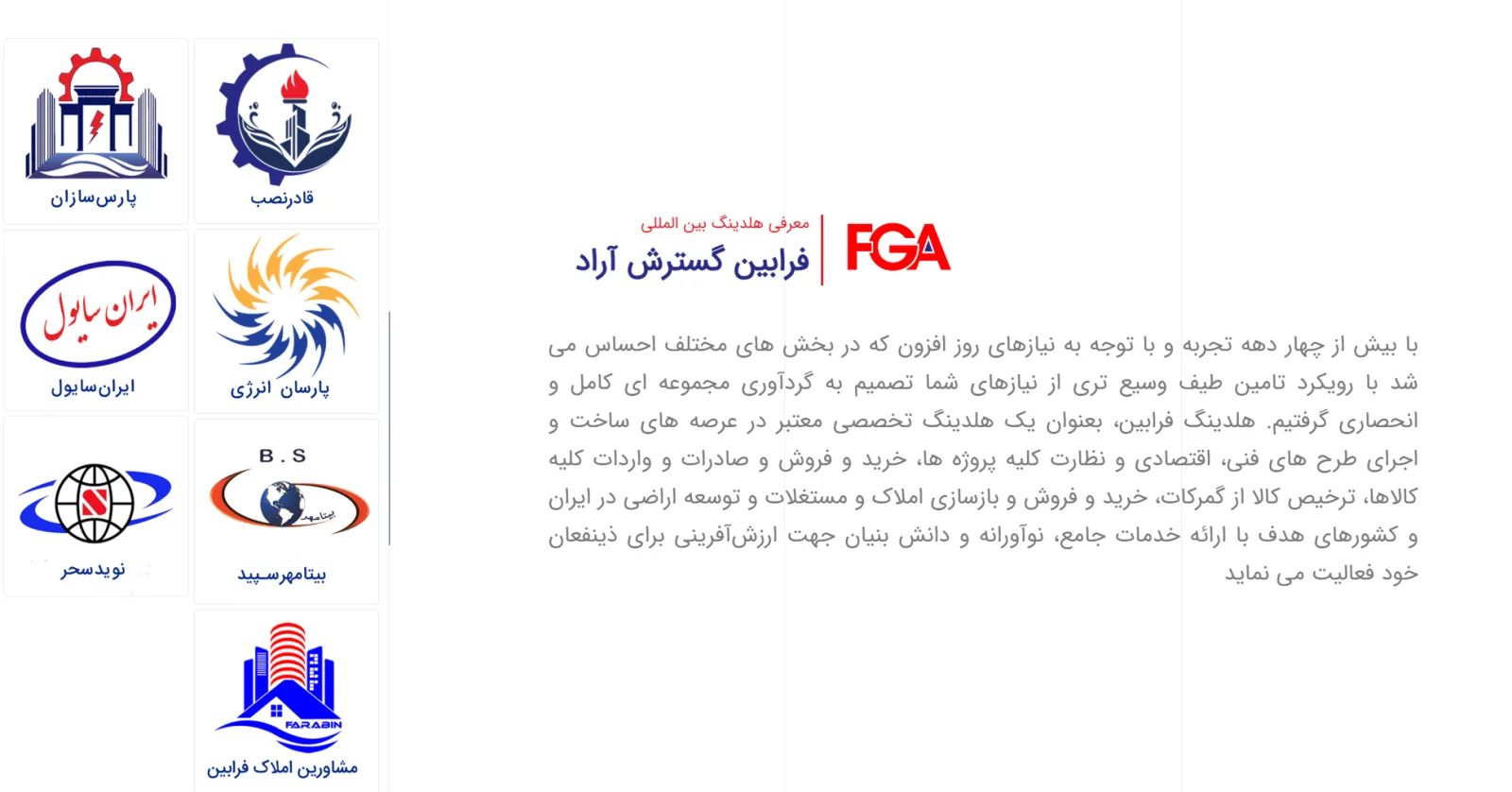
One of these figures is a person named Hassan Pishrafti; the chairman of the board of Farabin Expansion Arad Holding. By owning a collection of companies named Kohan Padideh Tejarat, Sakhtemani Iran Sayol, Pars Sazan Farabin, Ghadir Nasb Engineering, Petro Sazeh Farabin, Navid Sahar Padideh Trading, Parsan Energy Expansion Farabin, Farabin Expansion Arad International Group, Bina Mehr Sepid, and Engineers of Water Design and Execution, he has received large sums from financial and banking institutions under the guise of participating in various auctions, and has used these funds for personal gain by purchasing various properties.
Political and Economic Influence
Informed sources in some financial institutions, including Bank Mellat, whose case of preferential loan payments and significant losses is one of the current topics in Iran's economy, have revealed that Pishrafti received several hundred billion in loans during the war and participated in auctions for the sale of bank and confiscated properties through received favoritism, purchasing multiple properties.
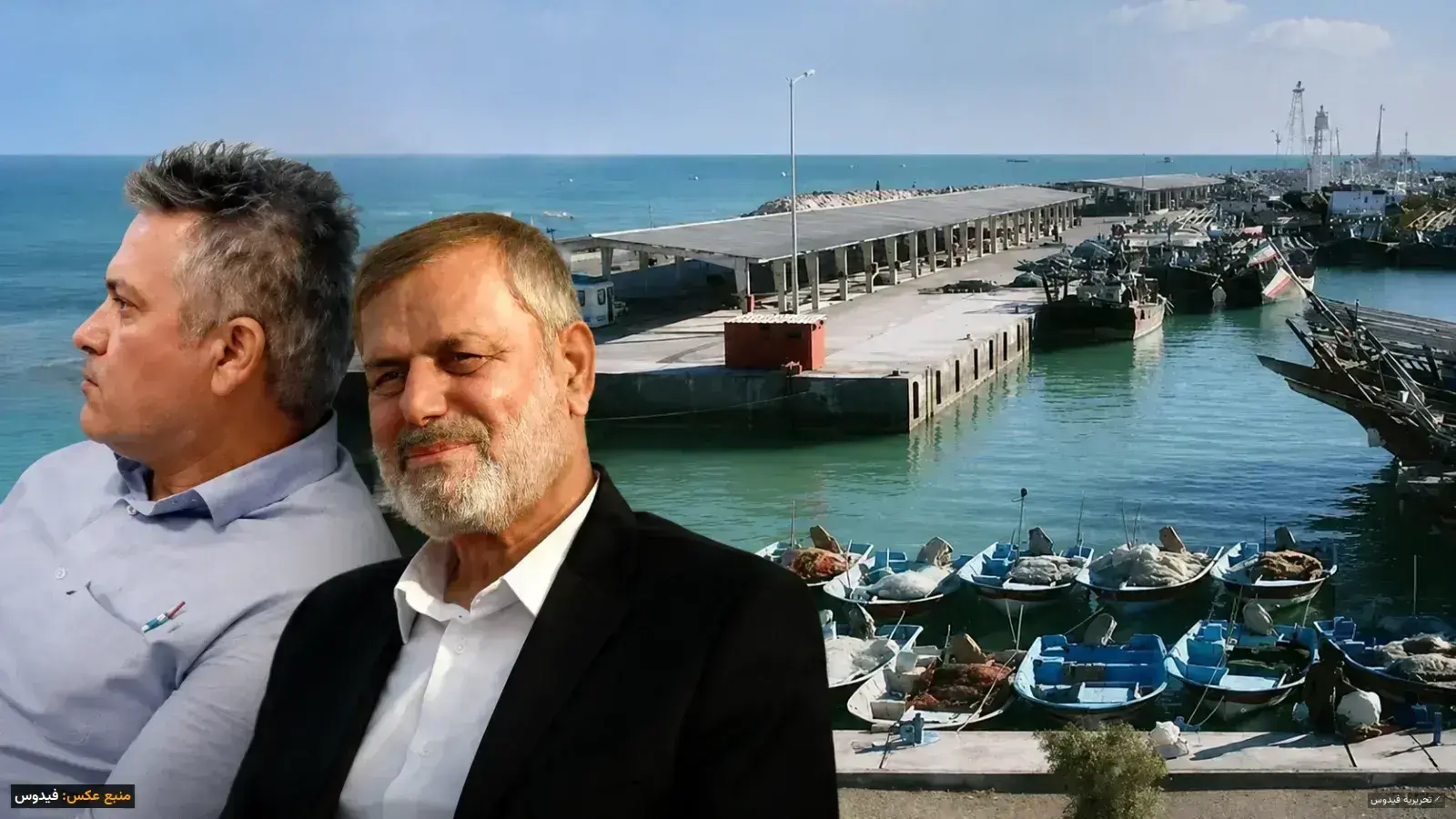
The meaningful connection of some parliament members, including Mohammad Saleh Jokar, the representative of Yazd, in mediating these transactions, indicates the involvement of influential political circles and their share in this series of multiple financial corruptions of Hassan Pishrafti. The level of this connection is so close that some of Jokar's associates have said that Pishrafti has had a history of presence in the parliament hall with him to conduct the necessary lobbying with other representatives.
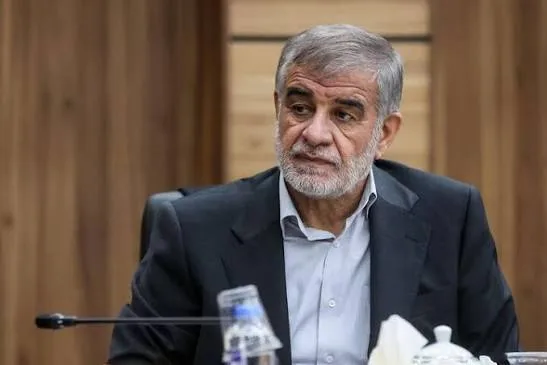
This connection has led to Pishrafti's high influence in projects related to urban operations in Yazd. Including the Yazd sewage project, where some Yazd municipality officials have said that the condition for Pars Sazan Farabin's participation in this tender was its guaranteed win; a matter that was ultimately achieved through the pressure of Jokar and other executive officials lobbying with Pishrafti.
Expanding Influence in Various Industries
This circle of tenders has even repeated in the Tehran metro subject, and through a connection with the brother of one of the Tehran district mayors, Pishrafti won the tender for selling 27 devices, including monoblock wheels, to the Tehran Metro Operating Company.
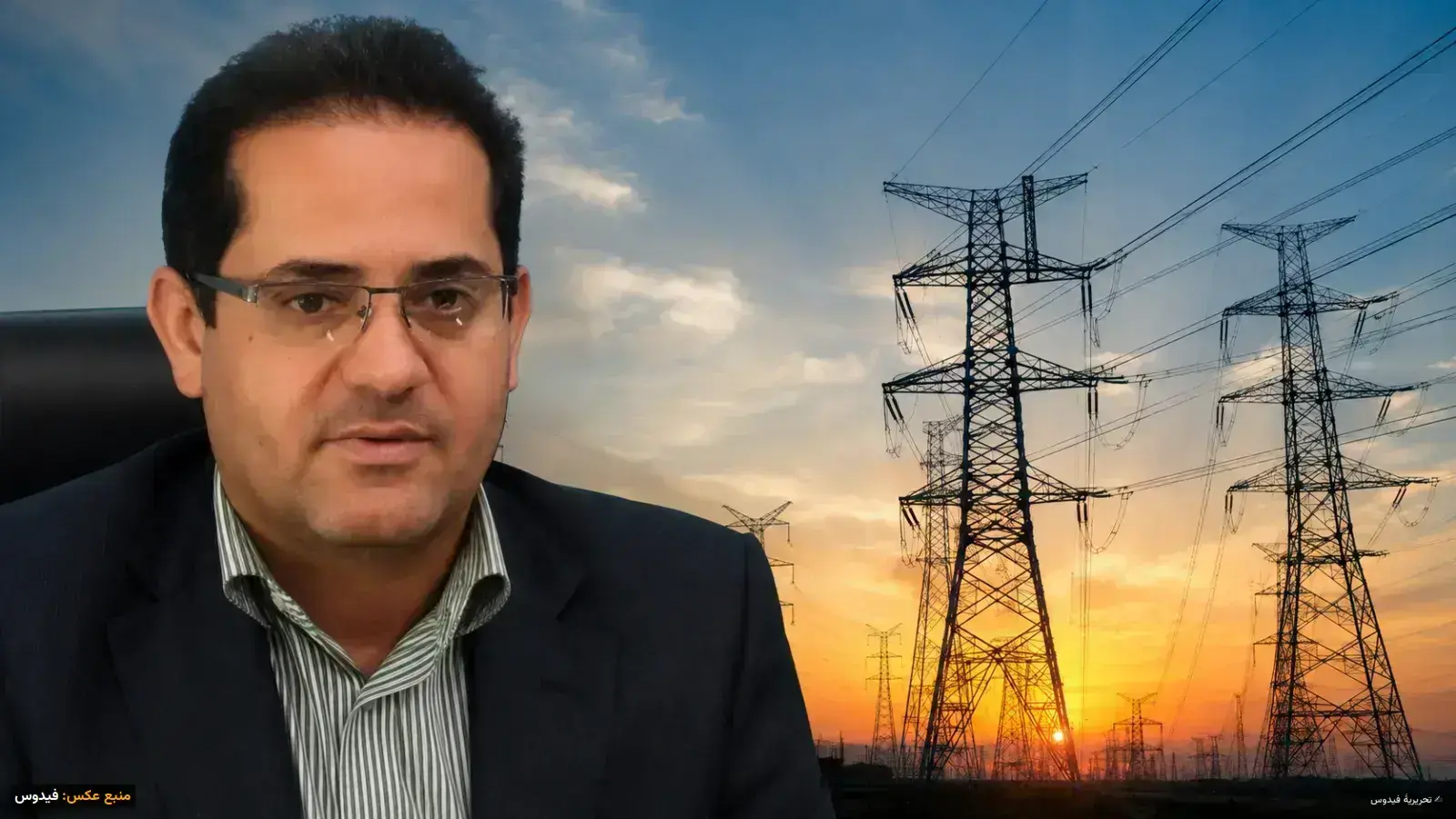
In the energy industry sector, the close connections of Farabin Expansion Arad Holding with the managers of Arya Sasol Petrochemical have led to the subsidiary companies of this holding winning most of Arya Sasol's large contracts. Although in recent years, this circle of influence in the energy industry has expanded, and according to some disclosed documents from Arvand Petrochemical, it seems that Hassan Pishrafti is on the verge of winning the maintenance contract for the Arvand Petrochemical Salt Lake with an amount exceeding one trillion.
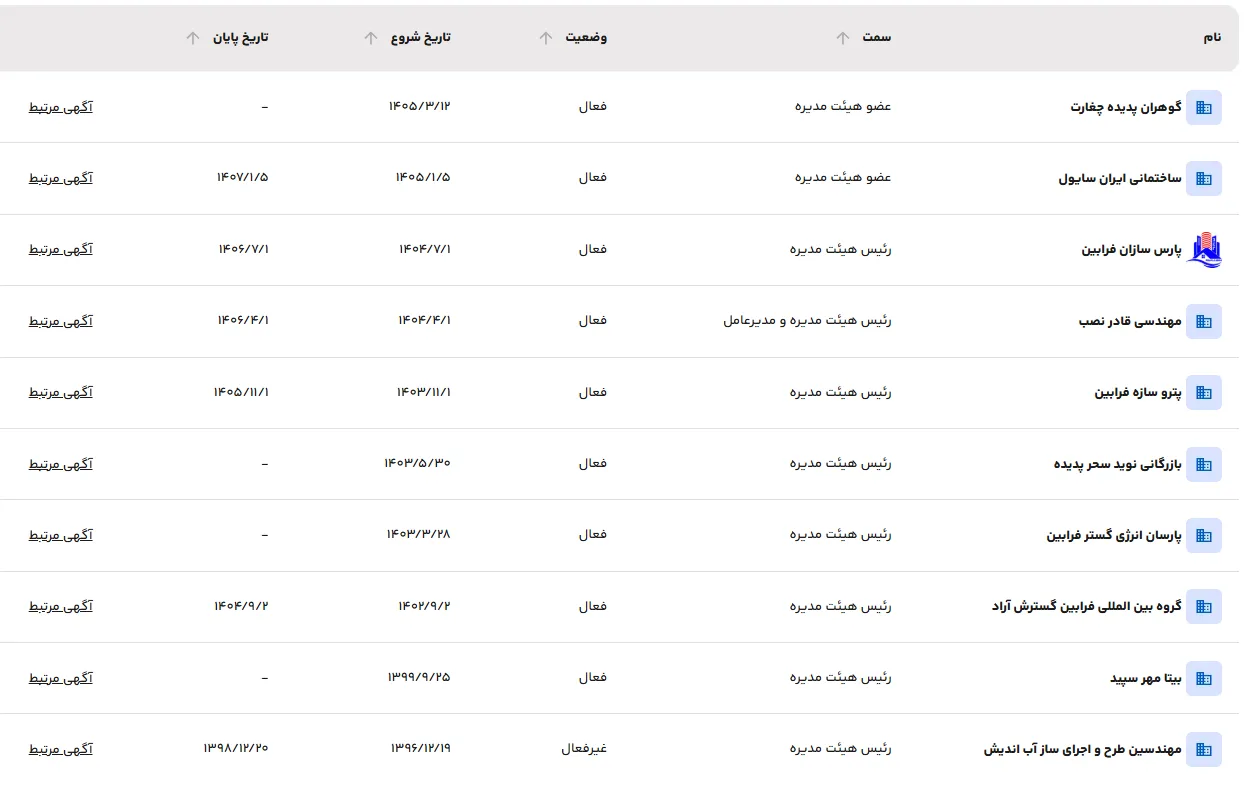
To this list of pre-won contracts, a series of confidential security contracts should also be added, through which, without any legal formalities, the purchase of certain items desired by military institutions is assigned to Pishrafti; a matter that indicates this individual's circle of connections with high-ranking security and military institutions in the country.
The extensive circle of financial transactions of this collection is such that numerous shell companies have been established in Iran and some neighboring countries, including Turkey, to make the flow of money in these accounts appear natural and provide an opportunity for the transfer of assets and properties abroad for Hassan Pishrafti.
What is noteworthy about the owner of Farabin Expansion Arad Holding is the repetitive pattern of activity in his subsidiary companies; a pattern similar to what some other well-known figures of influential economic cartels have employed. This indicates the widespread corruption in Iran's economy and the connections of politicians and military officials with some trusted figures of the government; from Mohammad Ali Fatemi, owner of Anarshimi, who is involved in multiple petrochemical corruption cases, to Hassan Pishrafti, who seems to be following the same path.
Organized corruption that, in the meaningful silence of supervisory institutions, is being exposed more than ever and is manifesting in various economic sectors of the country.