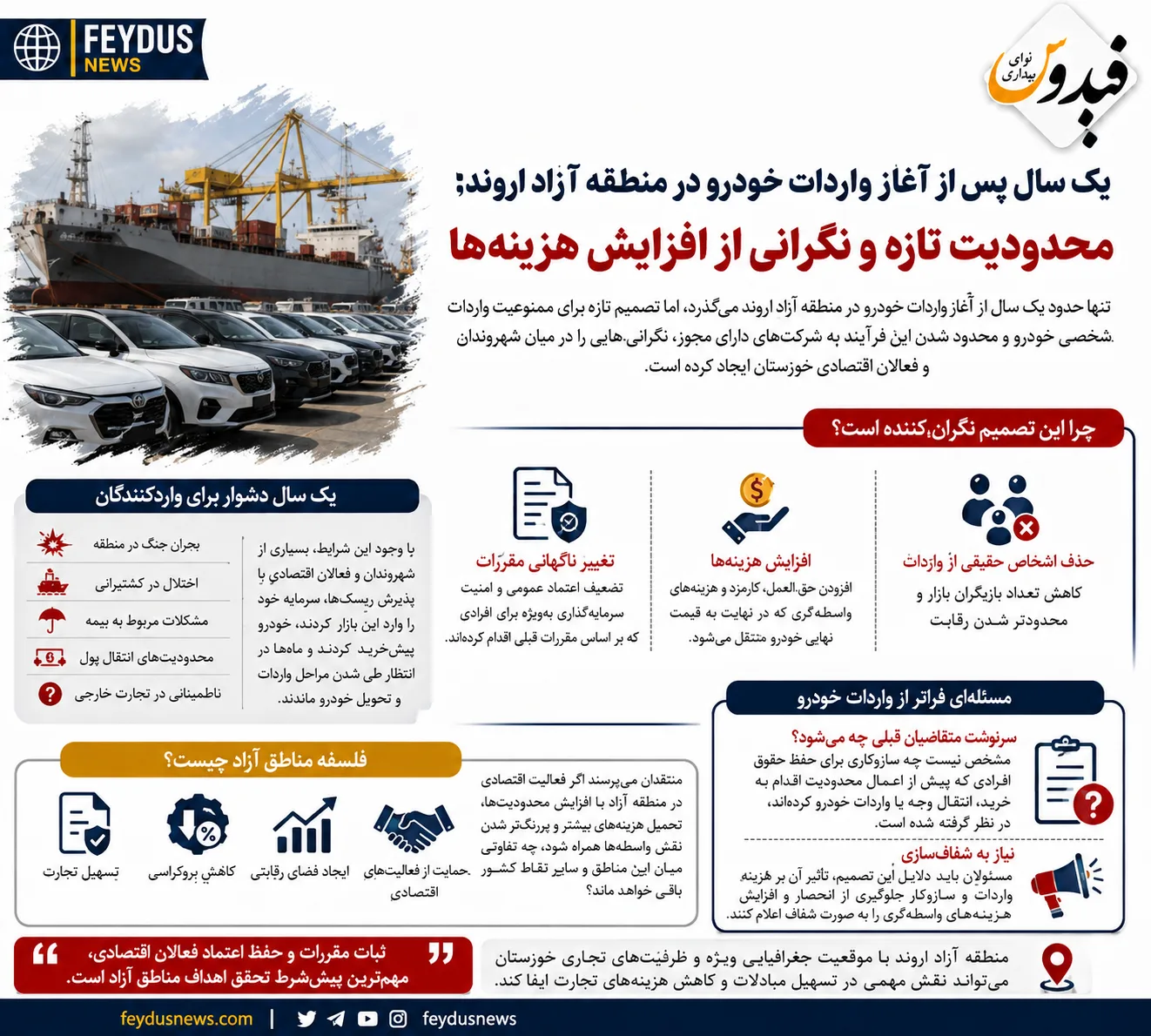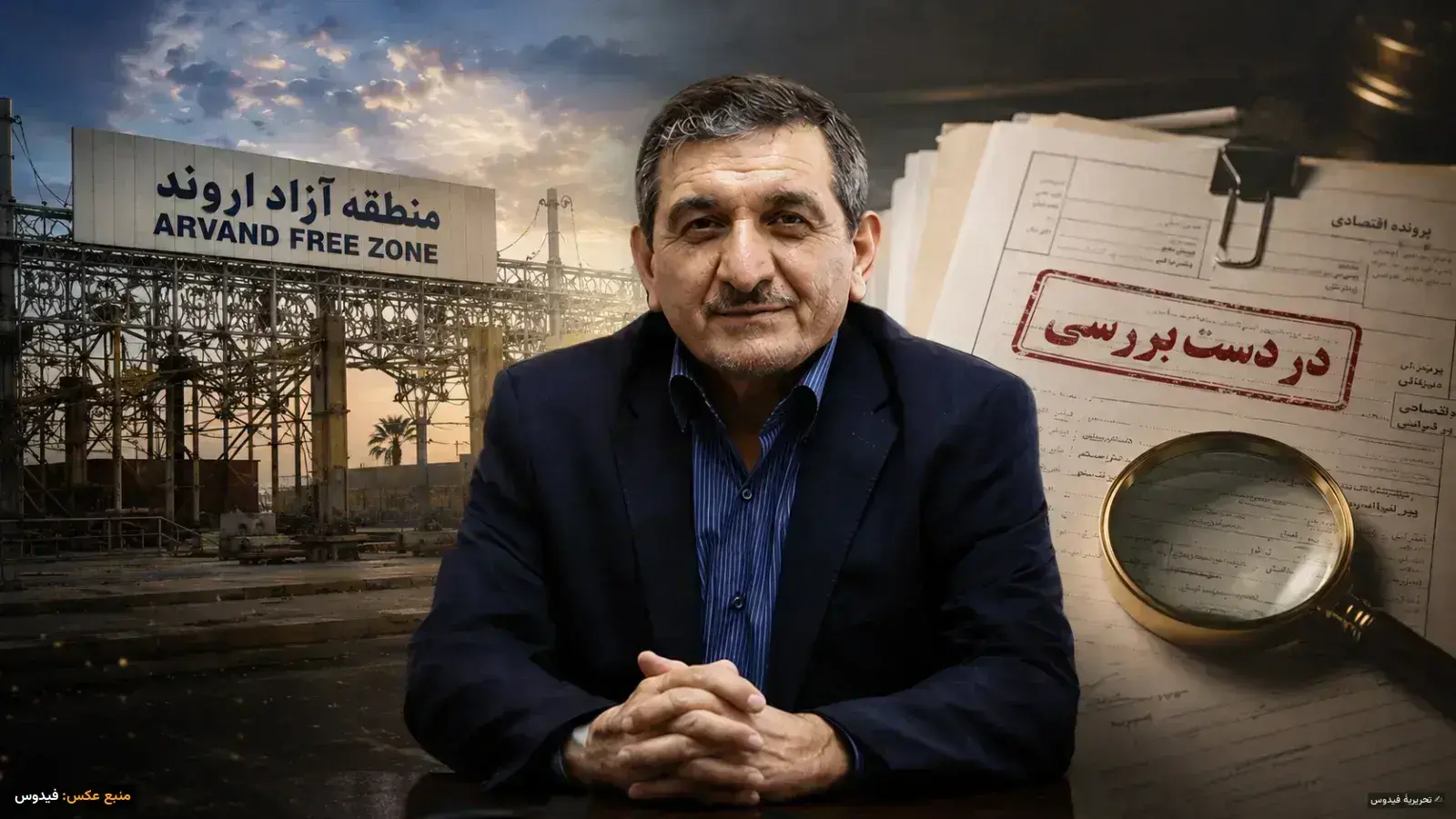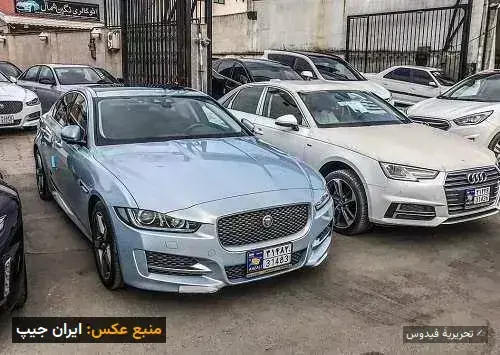
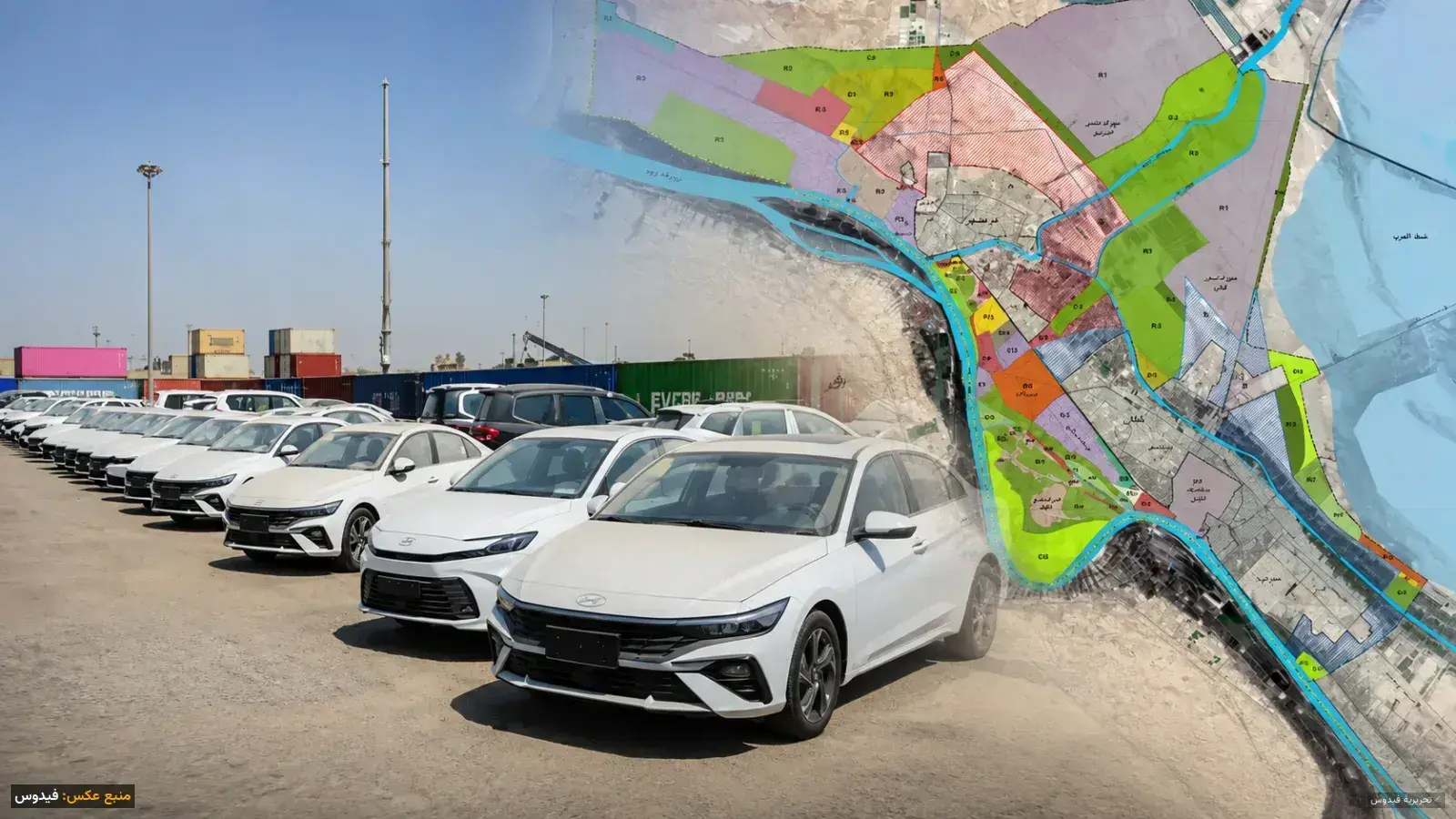
Only a year has passed since car imports began in the Arvand Free Zone, but the recent decision to ban personal car imports and limit this process to licensed companies has raised concerns among citizens and economic activists in Khuzestan. This decision could increase import costs and limit direct public access to the car market.
This restriction is being implemented while car imports in the Arvand Free Zone have not had much opportunity to operate under normal conditions over the past year. A significant portion of this period coincided with the war crisis, shipping disruptions, insurance issues, money transfer restrictions, and increased uncertainty in foreign trade.
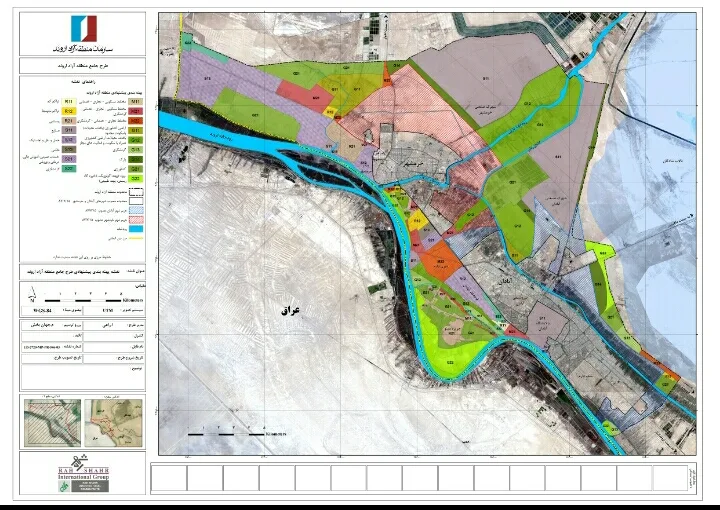
Despite these conditions, a number of citizens and economic activists accepted the existing risks, invested in this market, proceeded to purchase cars, and in some cases, after pre-purchasing, waited months for the import process and car delivery to be completed. Now, after bearing these costs and risks, the prohibition of imports by individuals and the requirement to carry out the process through licensed companies presents a different situation for applicants.
Increased Costs and Reduced Competition
Implementing this decision means adding costs such as commissions, fees, and other intermediary expenses to the import process; costs that can ultimately be transferred to the final price of the car. On the other hand, removing individuals from the import process can lead to a reduction in the number of market players and a narrowing of competition. Thus, in a situation where activity in free zones is expected to be accompanied by less bureaucracy and easier trade, car imports in the Arvand Free Zone may become more dependent on the activities of limited companies than before.
The question raised by this decision returns to the philosophy of establishing free zones. Free zones are essentially created to facilitate trade, reduce bureaucracy, create a competitive environment, and support economic activities. Accordingly, critics ask if economic activity in the free zone is accompanied by increased restrictions, higher costs, and a more prominent role for intermediaries, what difference will remain between these zones and other parts of the country?
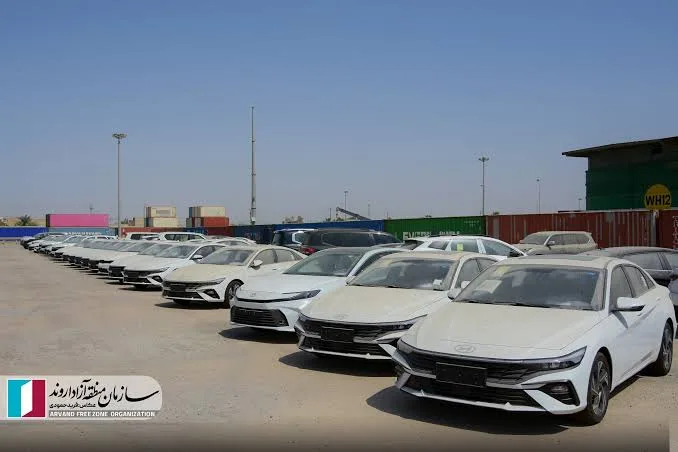
A decision that removes the possibility of direct access for individuals to imports and shifts the market towards more concentration in the hands of licensed companies, from the critics' perspective, distances itself from the spirit of a free economy and the initial goals of forming free zones. This issue becomes especially important regarding the Arvand Free Zone; an area expected to play a role in facilitating exchanges, boosting business, and reducing trade costs for the region's residents, given Khuzestan's geographical location and commercial capacities.
Consequences Beyond Car Imports
However, the consequences of the recent decision are not limited to the price or method of car imports. One of the most important issues raised in this context is the impact of sudden regulatory changes on public trust and investment security. An economic activist is willing to accept risks and invest in a market only when assured of a minimum level of stability and predictability of regulations. Sudden rule changes, especially when some citizens have entered into purchase contracts, transferred money, or started the import process based on previous regulations, can undermine trust in the region's business environment.
In such circumstances, one of the main ambiguities is about the fate of individuals who acted to import cars before the new restriction was applied and based on previous regulations. It is unclear what mechanism has been considered to protect these individuals' rights and whether a specific transition period has been defined for implementing the new regulations.
Khuzestan currently needs trade prosperity, reduced transaction costs, and confidence for investors and citizens more than ever. Implementing new regulations without a transition period, sufficient clarification, and attention to the situation of those who entered the car purchase and import process based on previous rules can have the opposite effect.
Therefore, it is expected that the Arvand Free Zone officials, while providing explanations about the reasons for this decision, clarify the necessity of limiting car imports to licensed companies, its impact on the final import cost, and what mechanism has been considered to prevent monopoly and increased intermediary costs. It is also necessary to clearly determine the status of individuals who purchased, transferred funds, or imported cars before the regulation changes; because regulatory stability and maintaining the trust of economic activists are among the most important prerequisites for achieving the goals that free zones were essentially created to achieve.