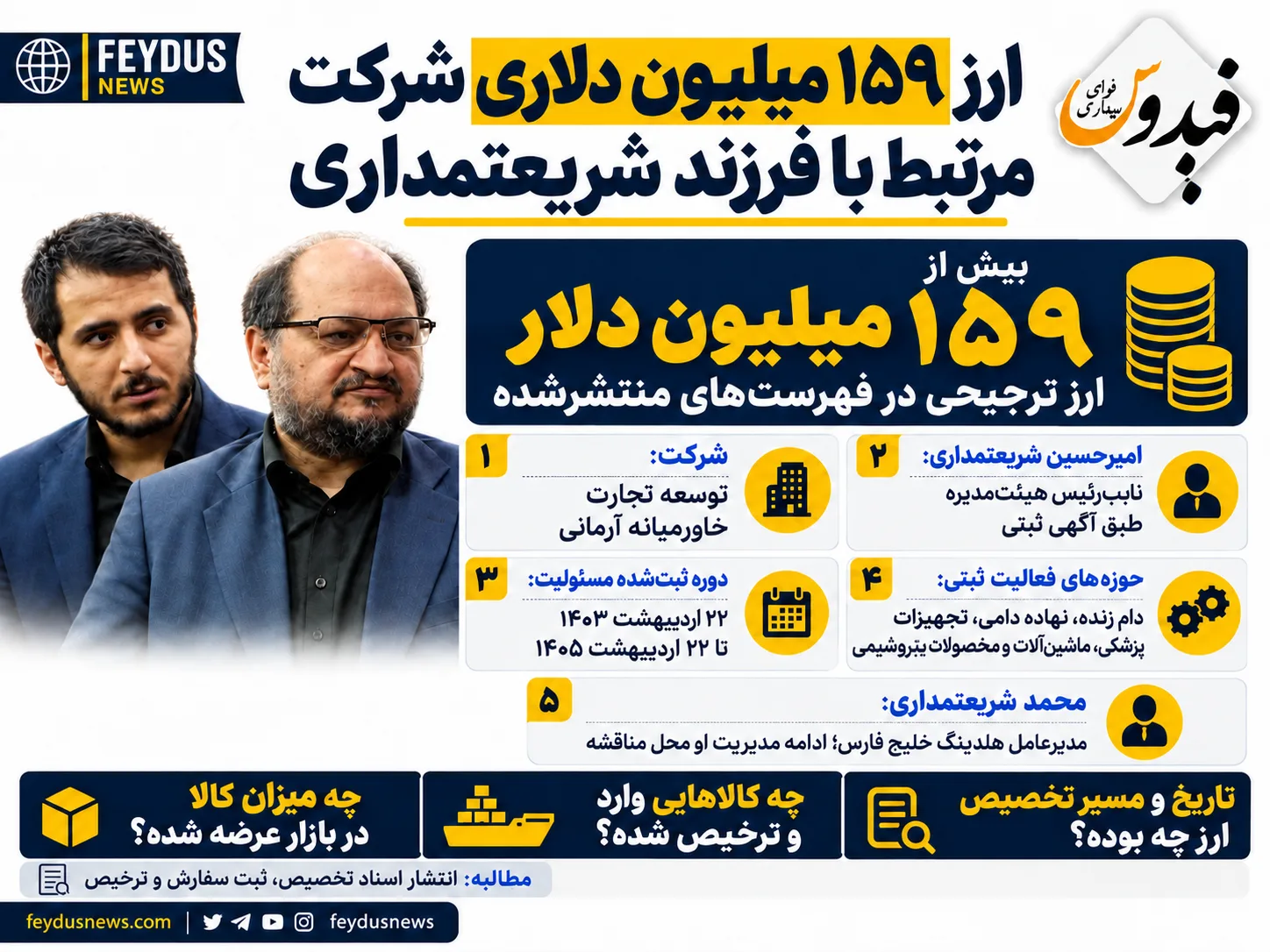
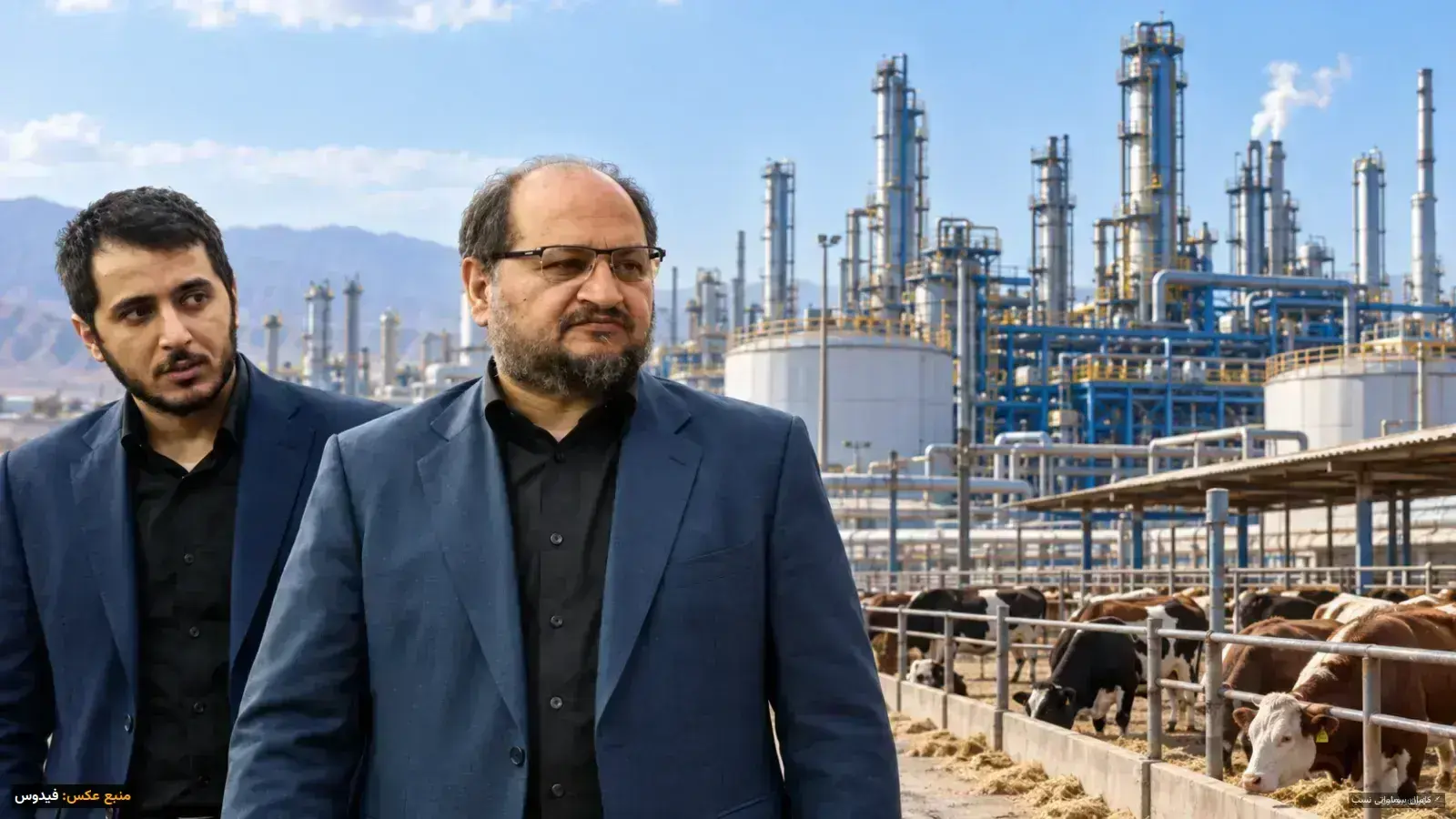
Simultaneously with the controversy over the continuation of Mohammad Shariatmadari's management in the Persian Gulf Holding, the name of a company where his son is on the board has appeared in published lists of preferential currency recipients.
The company "Armani Middle East Trade Development" with an amount of over $159 million is seen in published reports about preferential currency recipients; a company where Amirhossein Shariatmadari, Mohammad Shariatmadari's son, has been on the board. The publication of this figure has once again raised questions about the path of government currency allocation, the goods imported in return, and the relationship between the economic activities of senior managers' relatives and public resources.
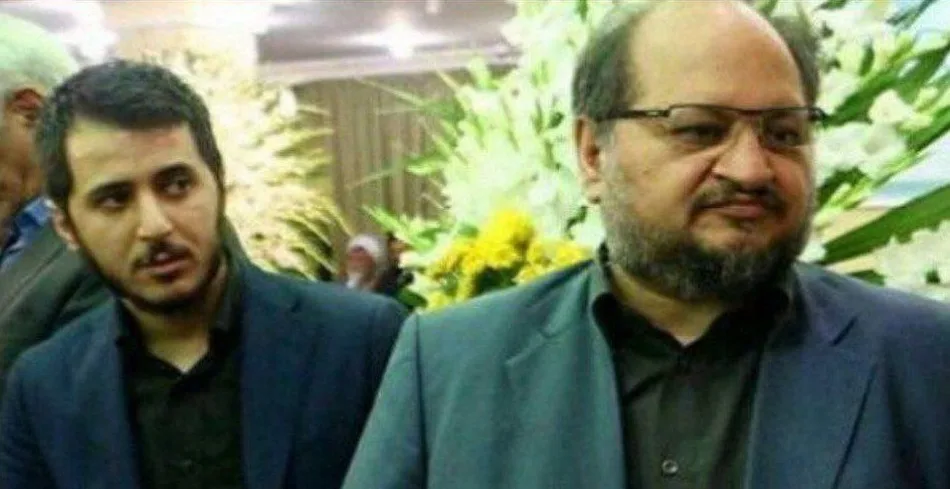
The Role of Amirhossein Shariatmadari in Receiving $159 Million Currency
Based on registration advertisements, Amirhossein Shariatmadari is introduced as the vice-chairman of the board of the company. Seyed Mohammad Ali Yasini is the chairman of the board and Seyed Pouria Tabatabaei-Pour is the CEO. The advertisement related to the minutes of May 12, 2024, records the term of these responsibilities until May 12, 2026. Publishing the latest composition of the board and shareholders of the company can clarify the current position of each of these individuals.
The Armani Middle East Trade Development company has anticipated various fields for activity in its registration documents; from importing live animals, raw animal products, and animal feed inputs to industrial machinery, medical equipment, chemicals, and petrochemical products. Despite this broad range, it is still unclear to which orders the mentioned currency amount relates, what goods it was used for importing, and how much goods have been cleared and supplied in return.
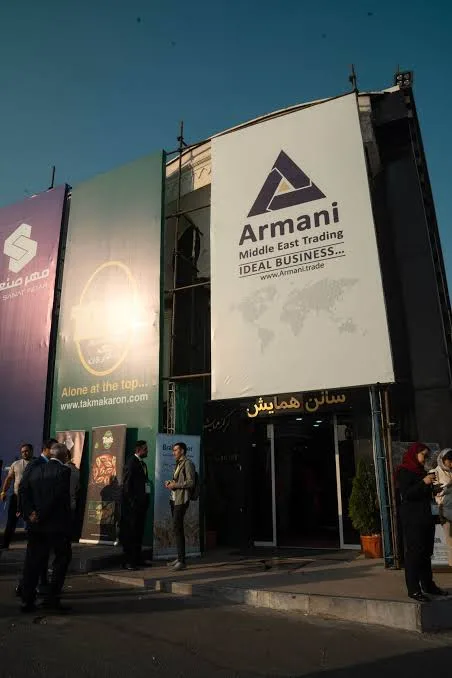
From Livestock Imports to Petrochemical Products; A Company for Everything and Nothing
The answers to these questions are in the hands of the Central Bank, the agencies responsible for order registration and trade, customs, and the company's own managers. Publishing the breakdown of allocated and provided amounts, the date of currency receipt, the type of goods, and the documents of their entry into the country can clarify the dimensions of the case. For an amount of this size, providing a general explanation about the company's activity is not sufficient for accountability; the public must know for what purpose the currency resources were allocated and what the outcome was.
The matter is of greater importance for Mohammad Shariatmadari because his son's name appears in the company's management structure, and he himself has been involved in a public dispute over the continuation of the CEO position of the Persian Gulf Petrochemical Industries Holding in recent months.
This issue ties the matter to how much insistence on staying in the current position is aimed at continuing the cronyism and corruption that has been made available to allied forces and the Shariatmadari family, and the condition for continuing to keep the helm of the largest energy holding in the country in Shariatmadari's hands.
Government Currency for People's Livelihood or the Pockets of the Elite
Another issue is the political cronyism in Iran's economic structure. Reviewing the history of the Armani Middle East Trade Development company raises the question of how a company with the introduced scope of authority had the capacity to receive more than $159 million in preferential currency and whether this is dependent on political connections within the government or not.
Shariatmadari's recent presence in the welcoming group for Pezeshkian after returning from New York sends a clear message to his critics, according to analysts, that this manager involved in managing Pezeshkian's election headquarters has a firmer foothold than an economic sector manager in the government.
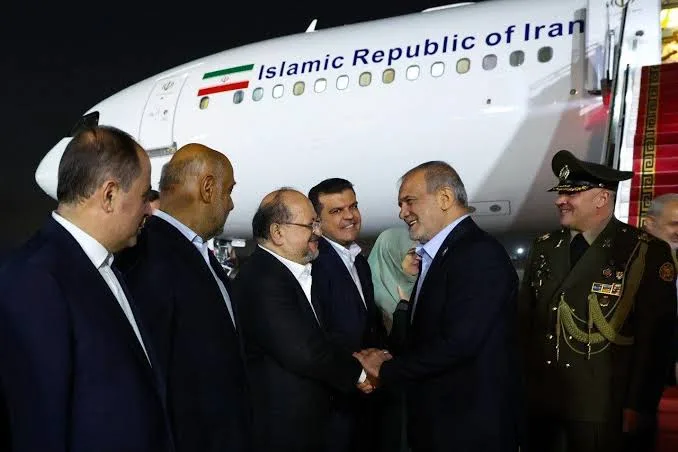
This clear influence has made the issue of preferential currency received by the company owned by his son an example of unregulated cronyism within the government. The key point is the scope of activity of Shariatmadari's son's company, which strangely covers from livestock to petrochemical products, raising the question of whether considering the company's activity in the petrochemical products sector, the father's special cronyism has connected this company to the subsidiary petrochemical companies of the holding.
The government, which has taken the helm of the country with the slogan of confronting cronyism and corruption, does not answer how its senior managers have become a bridge between their children and relatives with government currencies.
This issue should be pursued alongside the revelation of family appointments within the subsidiary companies of the holding and remember that Shariatmadari's son has previously been accused of lobbying for some appointments in the holding and its owned petrochemical companies, indicating that his scope of authority is not based on the field of activity but merely because he is Shariatmadari's son.
Today, Mohammad Shariatmadari faces a serious accusation and must explain his relationship with the economic activity of this company; the managers of the company owned by Amirhossein Shariatmadari must also publish details of the currency and imports; and the responsible institutions must provide information that can be used to track the fate of the mentioned $159 million currency.