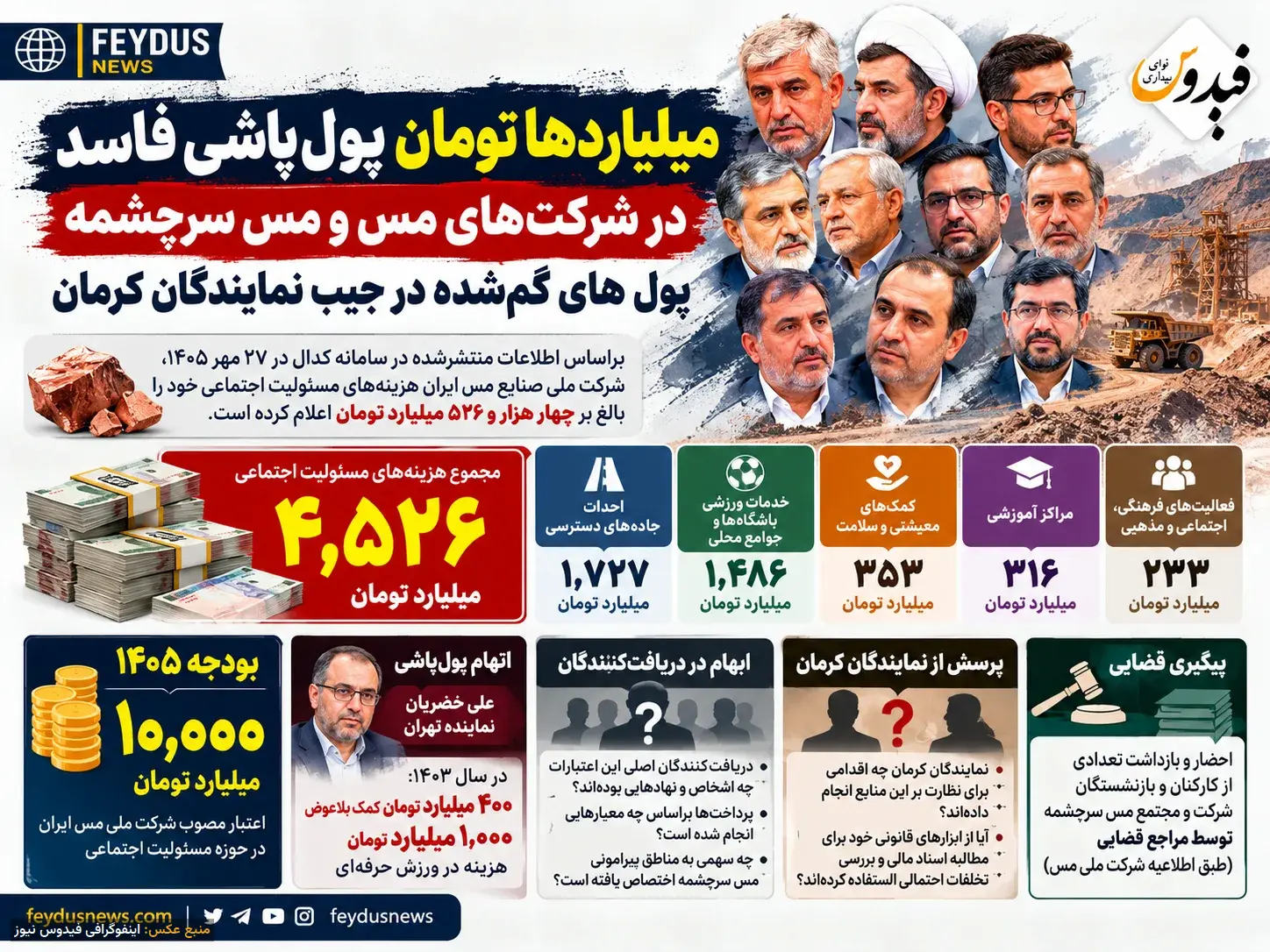
The revelation of the expenditure of more than 4,500 billion Tomans in the social responsibility domain of the National Iranian Copper Industries Company has once again brought ambiguities about the distribution of this company's financial resources and the Sarcheshmeh Copper Complex in Kerman Province to the attention of the media.
Simultaneously, criticisms regarding the payment of hundreds of billions of Tomans in grants and the allocation of large resources to sports clubs have raised questions about the performance of the company's managers, the oversight of Kerman province representatives, and the extent of judicial and supervisory bodies' follow-up.
According to information published on the Codal system on October 19, 2026, the National Iranian Copper Industries Company, in response to the request of the Stock Exchange Organization, announced its social responsibility expenses amounting to over 4,526 billion Tomans. Of this amount, 1,727 billion Tomans were allocated to the construction of access roads and 1,486 billion Tomans to sports services, clubs, and local communities. Meanwhile, local sources emphasize that such expenditures have not been practically carried out and are the result of document fabrication.
Additionally, 353 billion Tomans were reported for livelihood and health aid, 316 billion Tomans for educational centers, and 233 billion Tomans for cultural, social, and religious activities, which local sources emphasize were mostly spent on issues related to parliamentary representatives and their personal advertising among deprived classes to gain votes in upcoming elections.
The 10,000 Billion Toman Budget and Questions About the Recipients
Reviewing financial reports of stock companies shows that the National Copper Company has approved a credit of 10,000 billion Tomans in the social responsibility domain for the year 2026; a figure that has seen a significant increase compared to the previous year.
Meanwhile, Ali Khazrian, a representative of Tehran in the Islamic Consultative Assembly, accused the National Copper Company of "money scattering" under the guise of social responsibility on November 26, 2025.
He announced that this company paid about 400 billion Tomans in grants in 2024 and nearly another 1,000 billion Tomans under the title of professional sports. Khazrian criticized the unclear destination of these resources and called for the intervention of supervisory bodies.
The statements of this representative, alongside the published financial reports, raise the question of who the main recipients of these credits were, which individuals, companies, and institutions received the payments, and based on what criteria they were made.
One of the important issues is the actual share of the areas surrounding the Sarcheshmeh Copper Complex and other mining centers in Kerman from these resources. It is unclear whether any of the announced credits were directly spent on compensating environmental damages, providing water, developing health services, and improving the lives of residents in mining areas, and how much was allocated to other activities. Meanwhile, the prosecutor and governor of Kerman are complicit with the management of the Copper Company in these expenditures and covering up corruption.
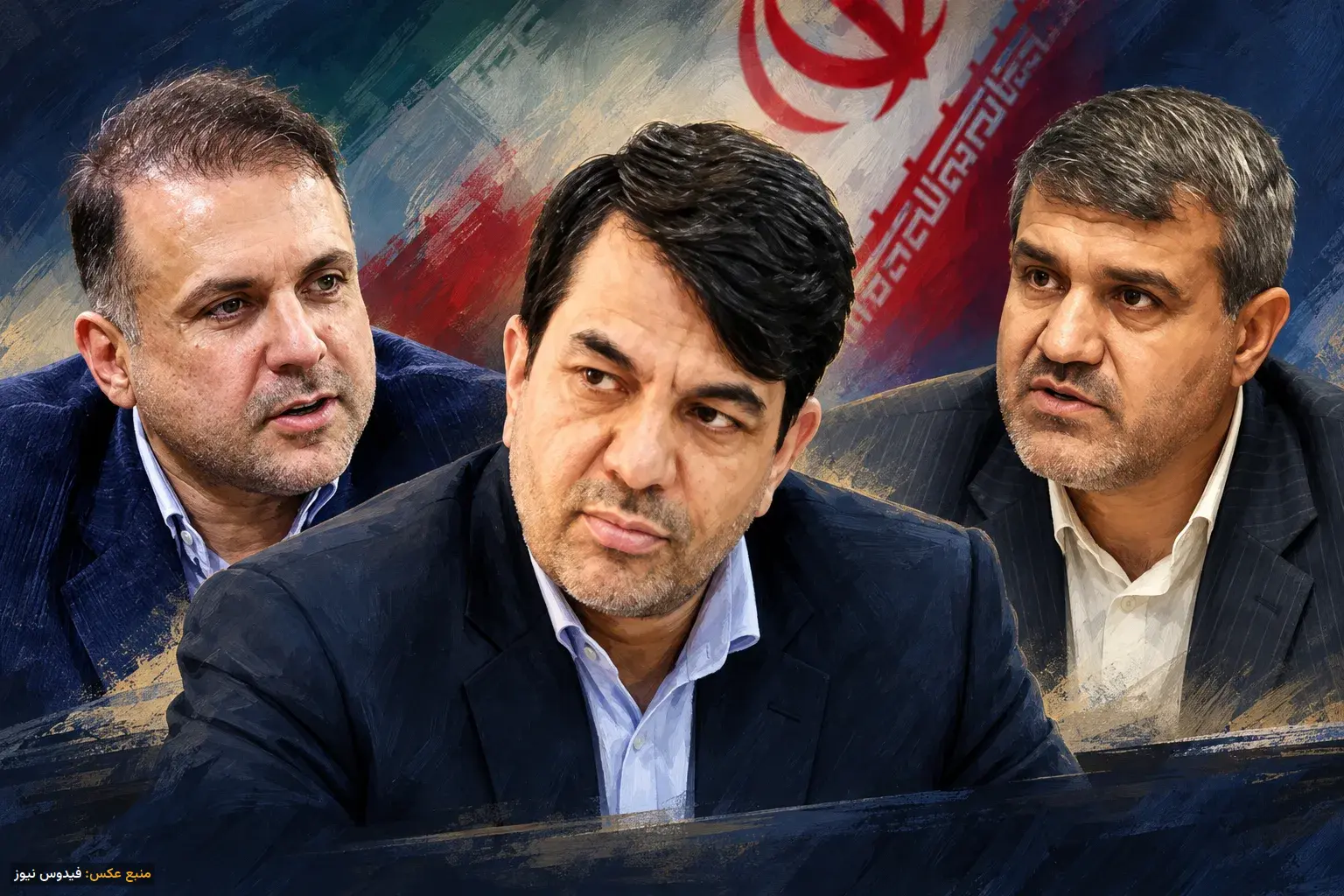
Kerman Representatives and Questions About Oversight of Copper Company Resources
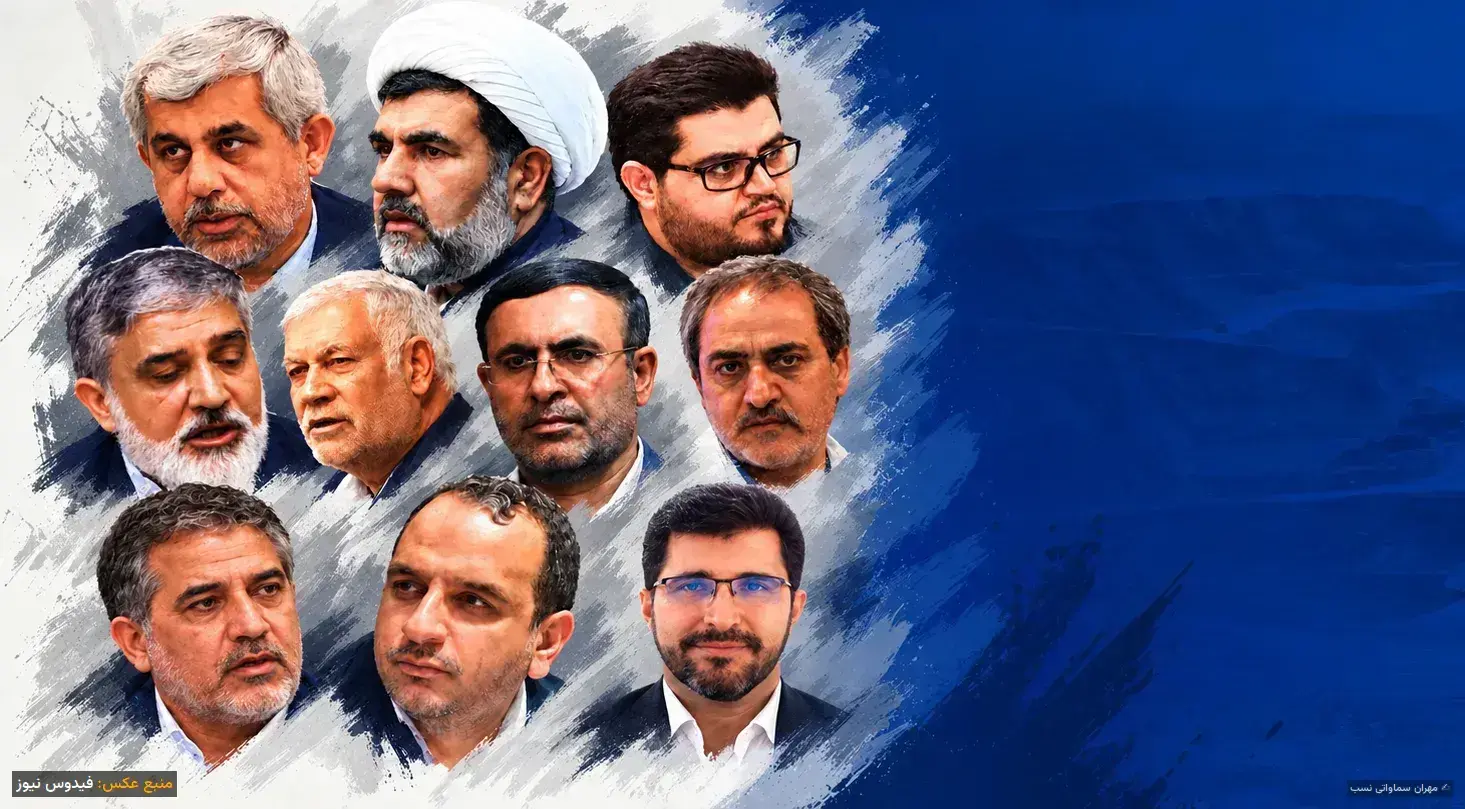
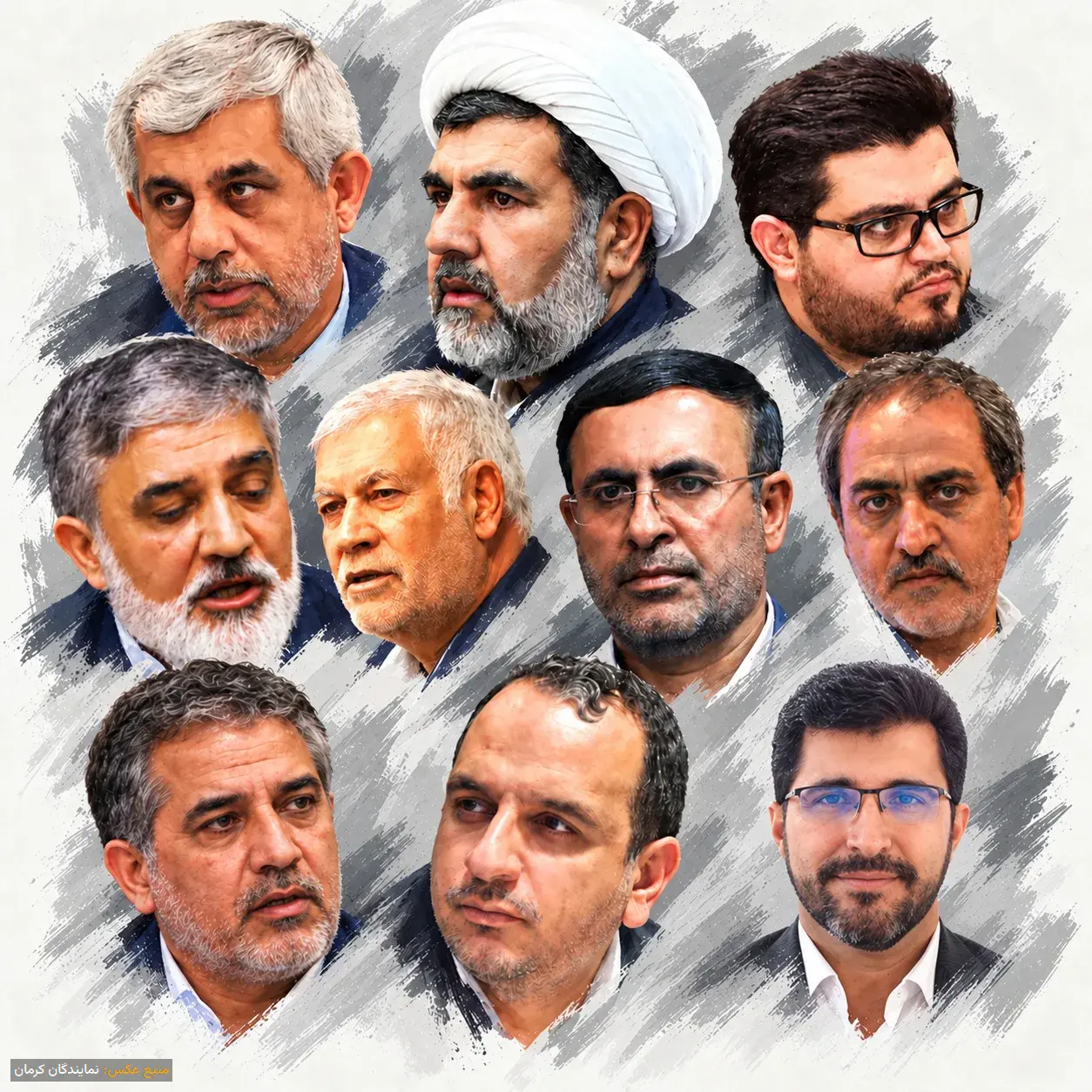
In such circumstances, the performance of Kerman province representatives in the Assembly is also facing questions. The National Copper Company is one of the most important economic enterprises active in this province, and its financial decisions can affect the lives of thousands of workers and residents of mining areas.
Despite the allegations of money scattering and the significant increase in the social responsibility budget, there is still no comprehensive public report on the results of the province representatives' oversight of the details of payments, contracts, and recipients of these resources.
The question arises as to what actions the Kerman representatives have taken to review the list of grant recipients and whether they have used their legal tools to demand financial documents, conduct investigations, or refer potential violations to judicial authorities, or if they themselves play a role in this major corruption.
It is also unclear how much of the social responsibility resources of the National Copper Company have benefited individuals or institutions introduced by local officials and parliament representatives.
What Action Has the Kerman Judiciary Taken?
Ambiguities about the performance of judicial and supervisory bodies continue while the National Iranian Copper Industries Company had previously confirmed in a statement the news of the summoning and arrest of several employees and retirees of the company and the Sarcheshmeh Copper Complex.
This company announced that the matter is being pursued in competent authorities, but due to the lack of official and final information, it refrained from announcing the details of the accusations. It is still unclear whether the mentioned investigations are related to the expenditure of social responsibility resources or pertain to other potential violations.
The absence of a public report on the results of such investigations alone does not imply overlooking or participation of judicial authorities in the violation; however, it does not eliminate the necessity of accountability regarding the supervisory actions taken.
The Stock Exchange Organization had previously required stock companies to disclose the details of social responsibility expenses, reasons for payment, place of consumption, and specifications of recipients.