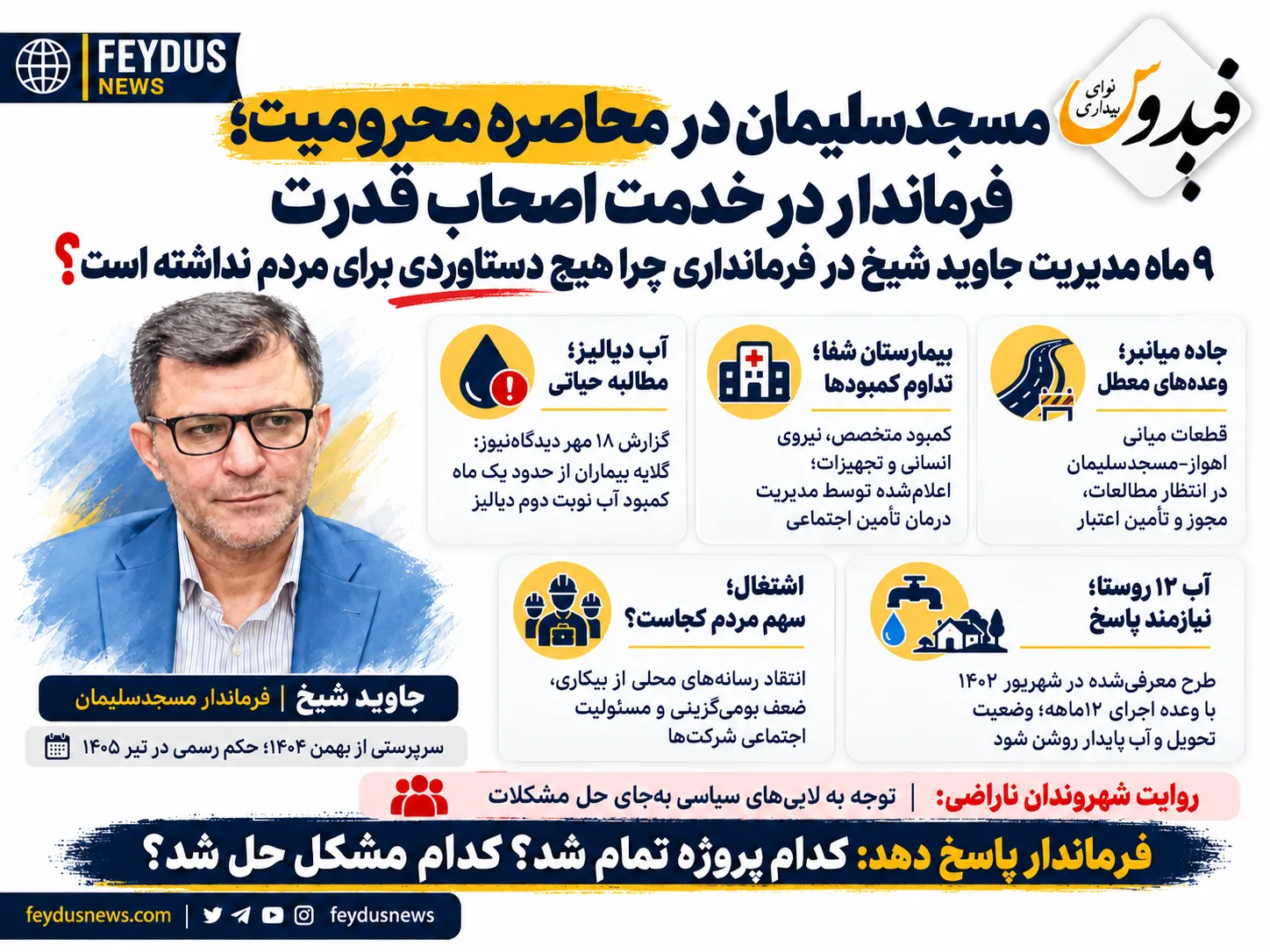
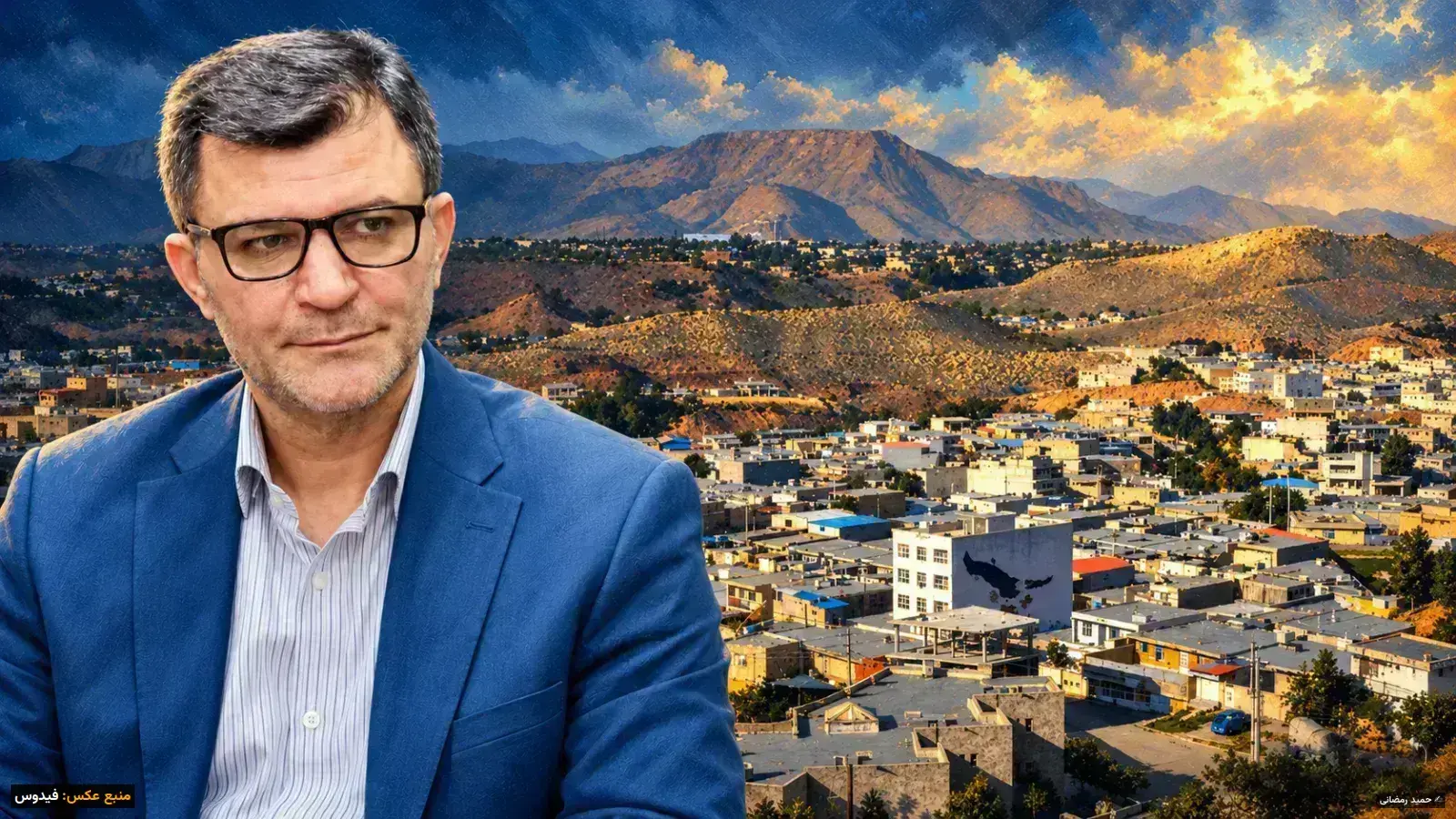
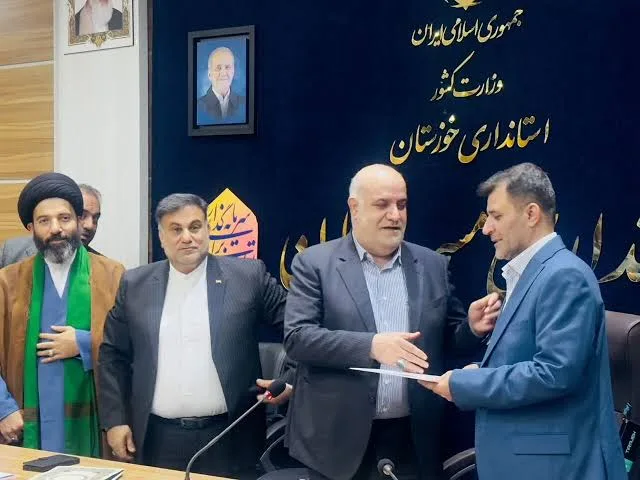
About nine months have passed since Javid Sheikh took office as the governor of Masjed Soleyman; an experienced manager in financial, budgetary, and developmental responsibilities who now needs to demonstrate the results of this experience in the lives of the people. For a city plagued by healthcare shortages, water demands, unemployment, and unsafe roads, merely announcing meetings and visits is not enough. The governor must explain which specific problem has been solved and which promise has been fulfilled. Sheikh has been the acting governor since February 2025 and received his official appointment this July.
Messages received by Feydus from a number of Masjed Soleyman citizens paint a critical picture of this record. These citizens say they have not seen any noticeable change in services and accuse the governorship of spending time on political lobbying, deals, and appeasing influential sheikhs and economic circles. The dissatisfaction raised cannot be answered with ceremonial news and reports of fruitless and ineffective meetings. A valid response is the publication of a clear, documented, and measurable performance. This is something that, at least until today, has not been seen in Sheikh's record over the past nine months.
Water, Electricity, and Shortage of Specialists in Healthcare; Whose Meeting is Holding Up People's Lives?
One of the most shocking recent demands relates to the water needed for the dialysis section. Didgah News on October 10 published statements from patients complaining about a month-long shortage of water during the second dialysis shift. They have said that water pressure drops or cuts have caused device warnings and disruptions in their operation, specifically asking the governor, the water department, and the health network to address the issue. At the time of that report's publication, an official response from the relevant agencies was not available.
This demand alone is sufficient to assess the coordination ability of county management: when patients resort to the media for the provision of a basic vital service, the governorship must announce the time of notification, action, and result. Today's status of this problem requires fresh confirmation, but the essence of the complaint does not eliminate the necessity of accountability regarding how it was addressed.
At Shafa Hospital, the shortage of specialist doctors, human resources, equipment, and infrastructure is not merely a claim by critics. The Khuzestan Social Security Health Management raised these issues in August this year, while in May, they also announced readiness to recruit specialists. The repetition of shortages shows that merely announcing readiness and holding meetings does not suffice to meet the healthcare needs of the county.
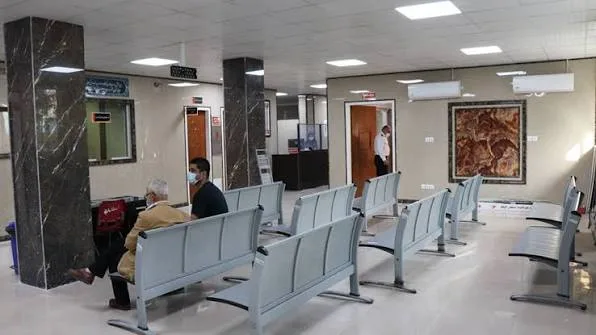
Sheikh must say how many specialists have been added after these meetings, which equipment shortages have been resolved, and how patient access has changed. People do not visit hospitals for souvenir photos with managers; they want doctors, equipment, and timely treatment.
Unsafe Roads and Unclear Employment; The Cost of Ineffective Management on People's Shoulders
The Ahvaz–Masjed Soleyman shortcut road is another example of the erosion of public trust. A long-standing project that remains a subject of demand by local media. This July, the execution of its middle sections was also announced to be conditional on completing studies, obtaining permits, and securing resources. The entire historical delay of the project is not solely the responsibility of the current governor, but he is responsible for explaining the results of his term's follow-ups: what obstacles have been removed, what funds have been attracted, and what progress has been made?
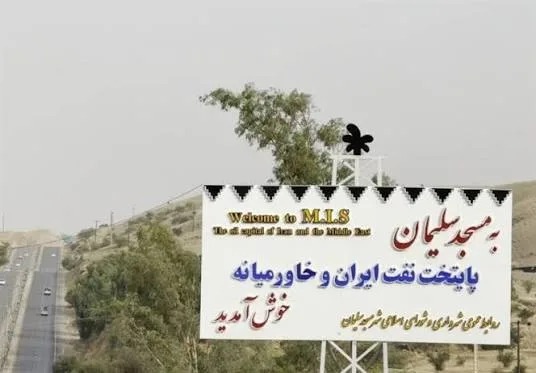
In employment, too, the gap between the presence of industries and the demands of the people has been a focal point of criticism by local media. Parsomash News previously criticized widespread unemployment, weak local recruitment, and companies' neglect of social responsibility. The governorship must publish statistics on sustainable employment, the method of workforce recruitment, and the real share of local people in economic opportunities; figures that can be examined.
For villages, too, the demand is for results. The water supply project for 12 villages was introduced in September 2023 with a promise of twelve-month execution. The current governorship must clarify the status of delivery, sustainable water supply, and any potential obstacles.
The governor's record does not gain credibility with the satisfaction of politically and tribally influential individuals. If Sheikh considers the narrative of dissatisfied citizens incorrect, he should respond with evidence: a table of projects, received funds, fulfilled commitments, and resolved issues. Masjed Soleyman wants its share of services and development; the governorship must show where its executive power has translated into improved lives for the people.