The announcement of the Khuzestan governorate's decision to form a special task force for suicide prevention has once again drawn attention to one of the most concerning social crises in Iran; a crisis that cannot be considered merely an individual or psychological issue and for which an effective solution cannot be found without examining the roles of poverty, unemployment, discrimination, widespread administrative corruption, and government economic policies.
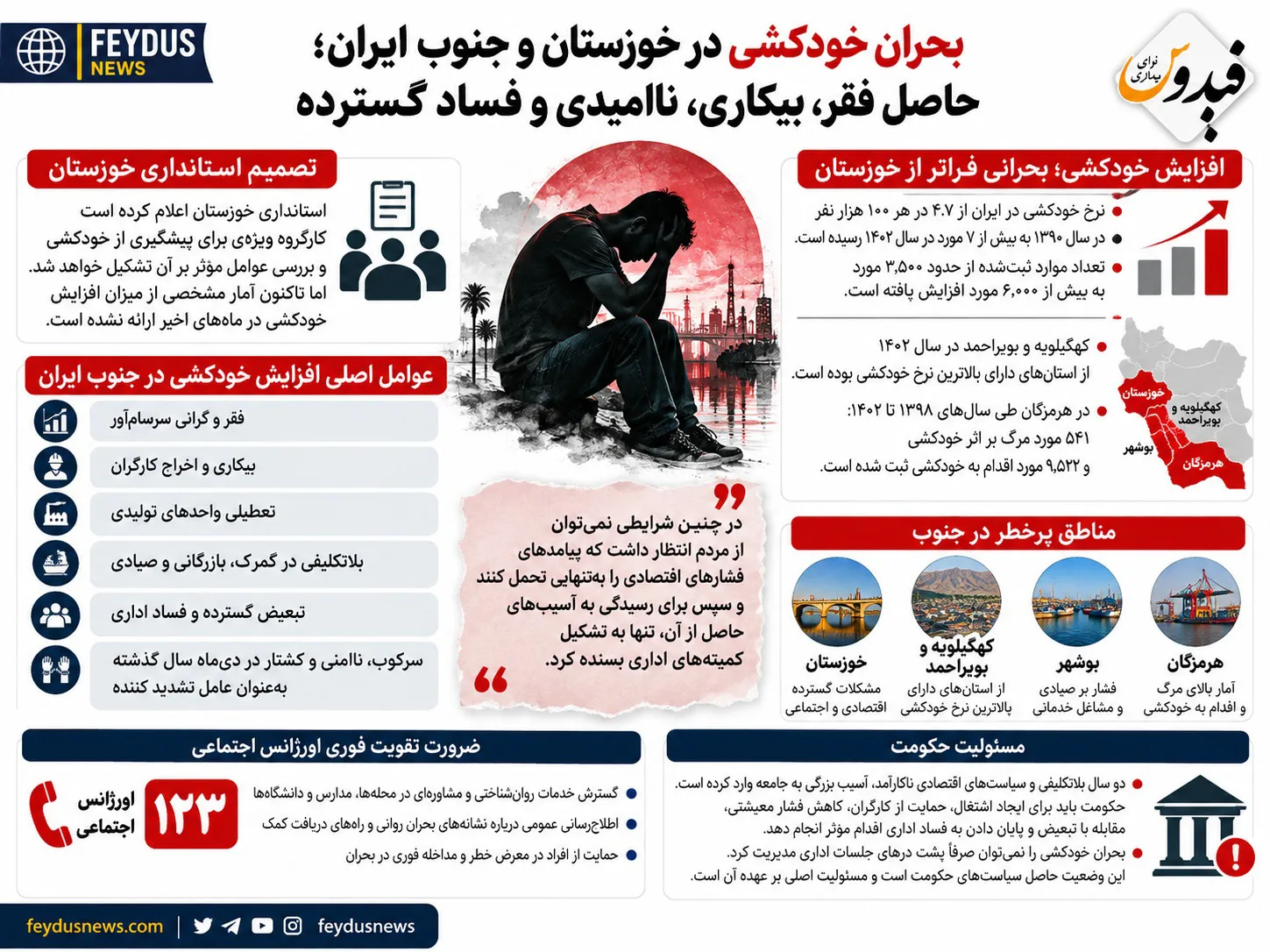
Seyed Mohammad Reza Mowlaizadeh, the governor of Khuzestan, announced on Tuesday, November 5, 1405, in the provincial social council meeting that a special task force will be formed to examine the factors influencing suicide attempts and to coordinate among responsible agencies.
He emphasized the need to identify social, cultural, and economic factors, but the report from this meeting did not provide specific statistics on the increase in suicides or the number of recorded cases in recent months.
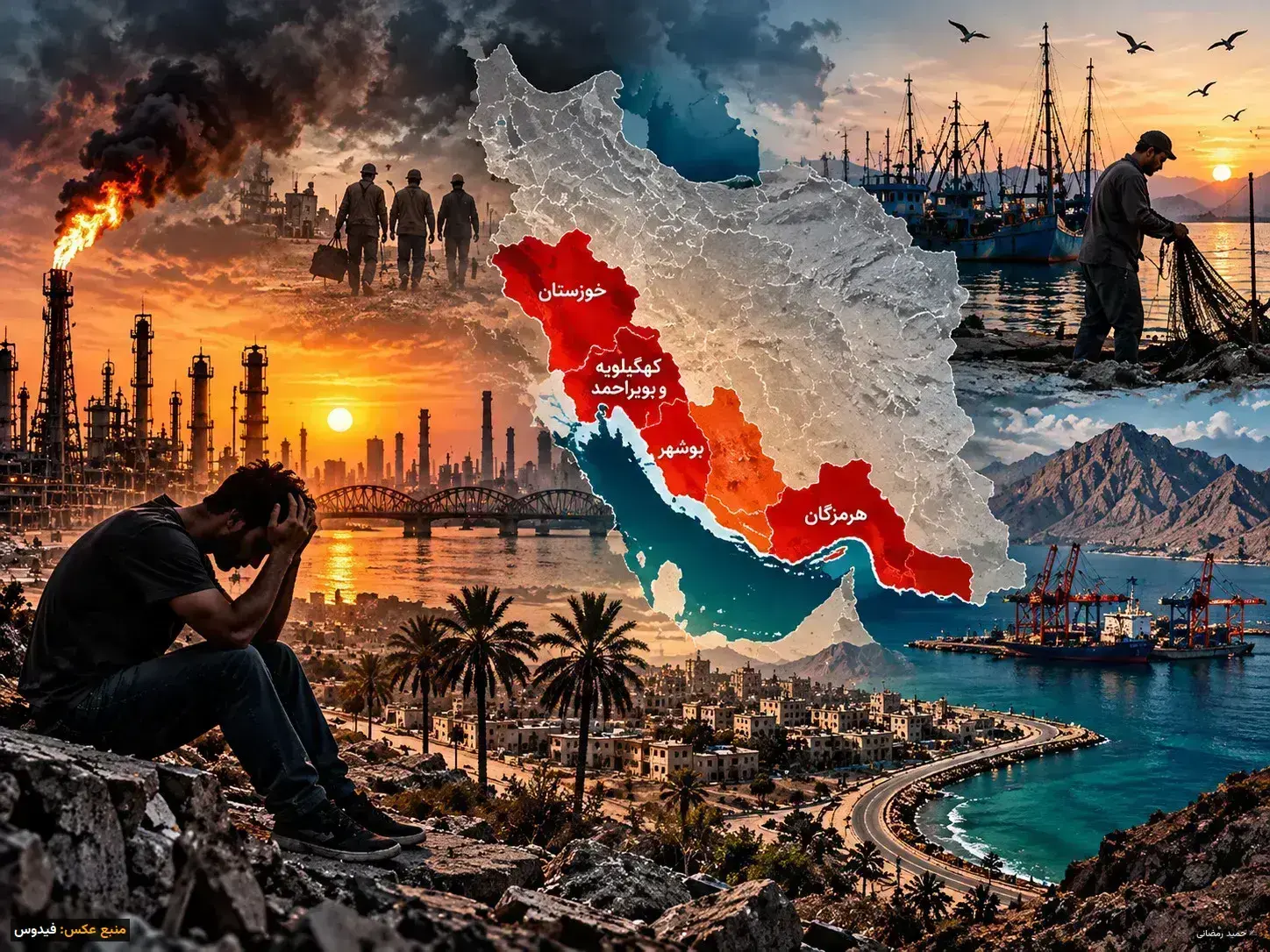
This decision was announced amid economic and social problems in various parts of southern Iran, from Khuzestan and Kohgiluyeh and Boyer-Ahmad to Bushehr and Hormozgan, which have raised widespread concerns about the future livelihood of families.
The Increase in Suicides is a Nationwide Crisis in Southern Iran
However, the suicide crisis should not be limited to Khuzestan alone. According to the Iran Open Data Center report, the suicide rate in the country has increased from about 4.7
cases per 100,000 people in 1390 to more than seven cases in 1402. The number of recorded cases has also increased from about 3,500 to more than 6,000 during the same period.
This report shows that Kohgiluyeh and Boyer-Ahmad in 1402 was among the provinces with the highest suicide rates relative to the population.
In Hormozgan, a study published in the Journal of Rafsanjan University of Medical Sciences shows that from 1398 to 1402, there were 541 deaths by suicide and 9,522 suicide attempts recorded in the province's health system. These figures alone do not prove an increase in cases this year, but they do demonstrate the extent of the issue.
The main question is what conditions have brought society to such a point, and what responsibility does the government have in this regard.
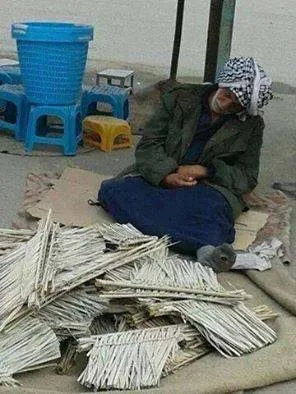
The Government and Indecisive State as a Factor of Despair in Society
In southern Iran, a large part of people's economic life depends on industrial activities, oil and petrochemicals, border trade, customs, fishing, transportation, and related services. Any long-term disruption in these activities can affect the job security and livelihood of thousands of families.
Job uncertainty, worker layoffs, closure of production units, reduced purchasing power, continuous inflation, and a sense of discrimination in access to economic opportunities are among the most important factors that should be considered when examining the mental health crisis in southern Iran.
In such conditions, officials cannot expect people to bear the consequences of economic pressures alone and then merely form administrative committees to address the resulting damages.
A study published in the scientific journal "The Lancet Public Health" in 2024 also shows that unemployment, poverty, and financial difficulties can have a significant impact on the risk of suicide. This study emphasizes the importance of maintaining employment, supporting low-income individuals, and government support policies in reducing this risk.
Of course, suicide is a multifactorial phenomenon, and the World Health Organization also emphasizes that psychological, social, economic, and environmental factors collectively influence this issue.
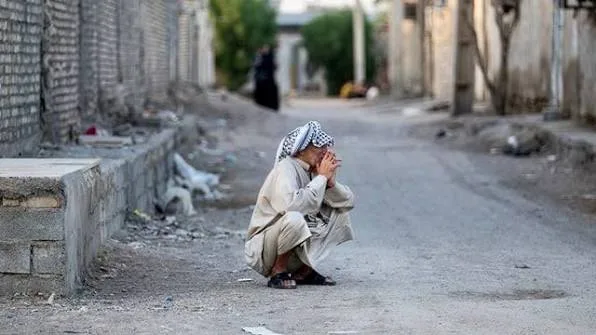
In such a situation, the government and executive bodies are responsible for creating conditions where citizens have at least economic security, employment opportunities, social support, and access to mental health services. Meanwhile, widespread administrative corruption and two years of indecision due to war and existing policies have practically exacerbated this situation, while the impact of widespread repression of citizens and killings in December last year should also be considered as a significant aggravating factor.
It must be emphasized that one cannot express concern about increasing social harms on one hand, and on the other hand, ignore the consequences of economic policies, lack of oversight on the labor market, discrimination in employment, and the inefficiency of the social support system.
Of course, currently, the formation of a suicide prevention task force in Khuzestan, if it does not lead to the transparent publication of statistics, identification of risk factors, and implementation of specific support programs, cannot be an adequate response to the dimensions of this crisis. In addition to the necessity of economic and employment policy reforms, the urgent expansion of psychological and counseling services is also of fundamental importance.

The Urgent Need to Strengthen Social Emergency Services in the South
Social emergency services, counseling centers, psychologists, and social workers must be more actively present in neighborhoods, schools, universities, and workplaces to identify and support individuals at risk. Public awareness about the signs of mental health crises and ways to seek help should also be part of prevention programs.
In Iran, citizens facing suicidal thoughts or severe mental crises can contact the social emergency number 123. This service is designed for crisis intervention and referral to specialized support.
However, psychological support, although necessary, is not a substitute for the economic and social responsibilities of the government. Officials must answer what effective measures they have taken to prevent unemployment, support laid-off workers, reduce livelihood pressures, combat discrimination, and create a reliable outlook for the youth of southern Iran.
The suicide crisis cannot be managed solely behind closed administrative meetings. Serious attention to it, in addition to medical and social services, requires government accountability for the conditions that have put the daily life and economic future of a large part of society under pressure.