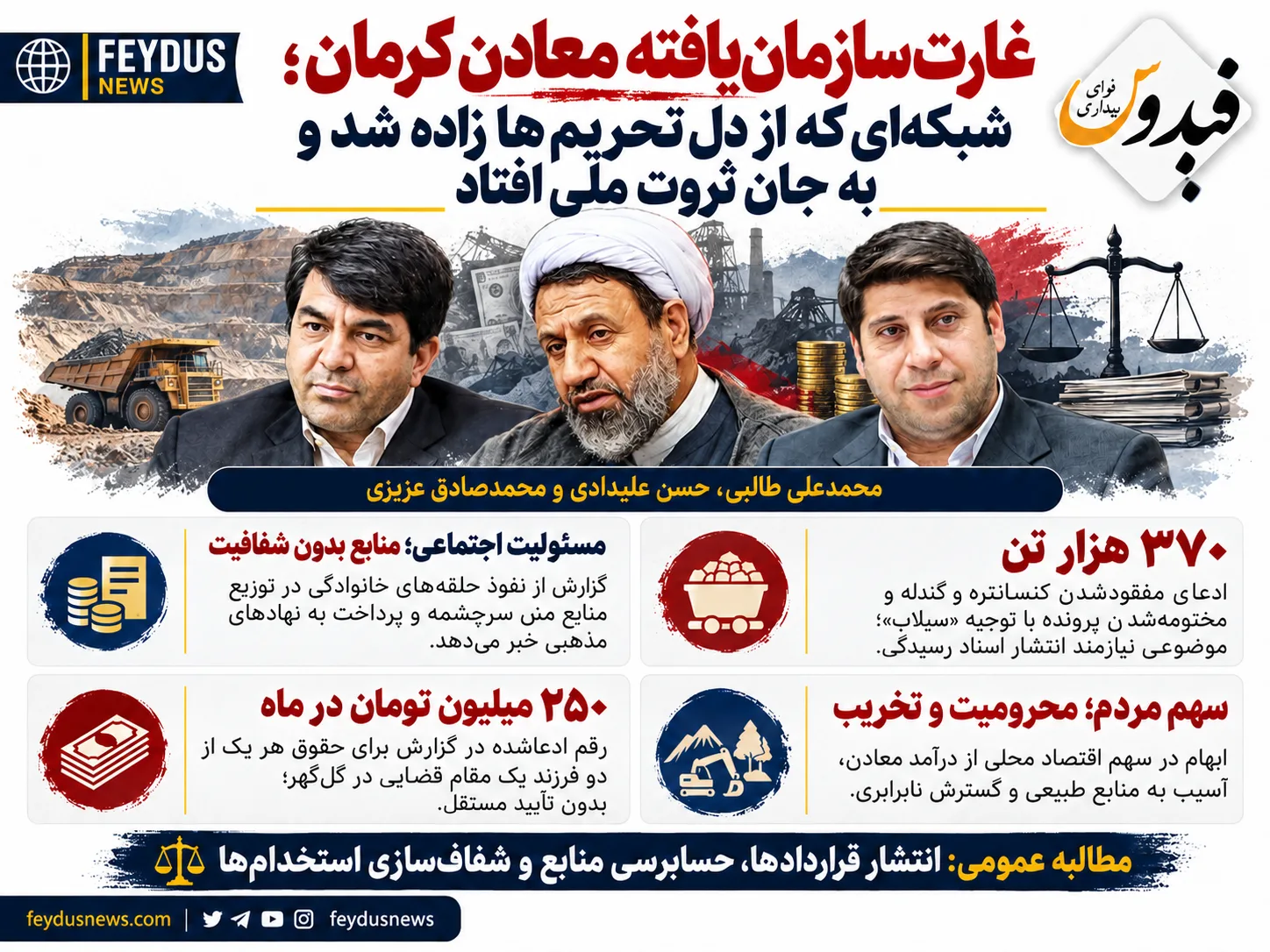
With the blockage of oil revenues and intensified sanctions, a new cycle of corruption in the Islamic Republic has emerged, turning Kerman's mines into the main financial source for a network of government officials, judges, clerics, and even local managers; a network that has not only bypassed oversight structures but also transferred billions of tomans of national wealth into its own pockets by creating familial influence circles.
In recent weeks, numerous reports from Kerman have been published showing that after a sharp decline in oil revenues, government officials have turned their attention to the province's mines; mines that include vast reserves of copper, iron, chromium, coal, aluminum, and dozens of types of precious and building stones. The transfer of minerals via land routes and the Caspian Sea has increased, and according to local sources, "the mountains are being devoured" has begun.
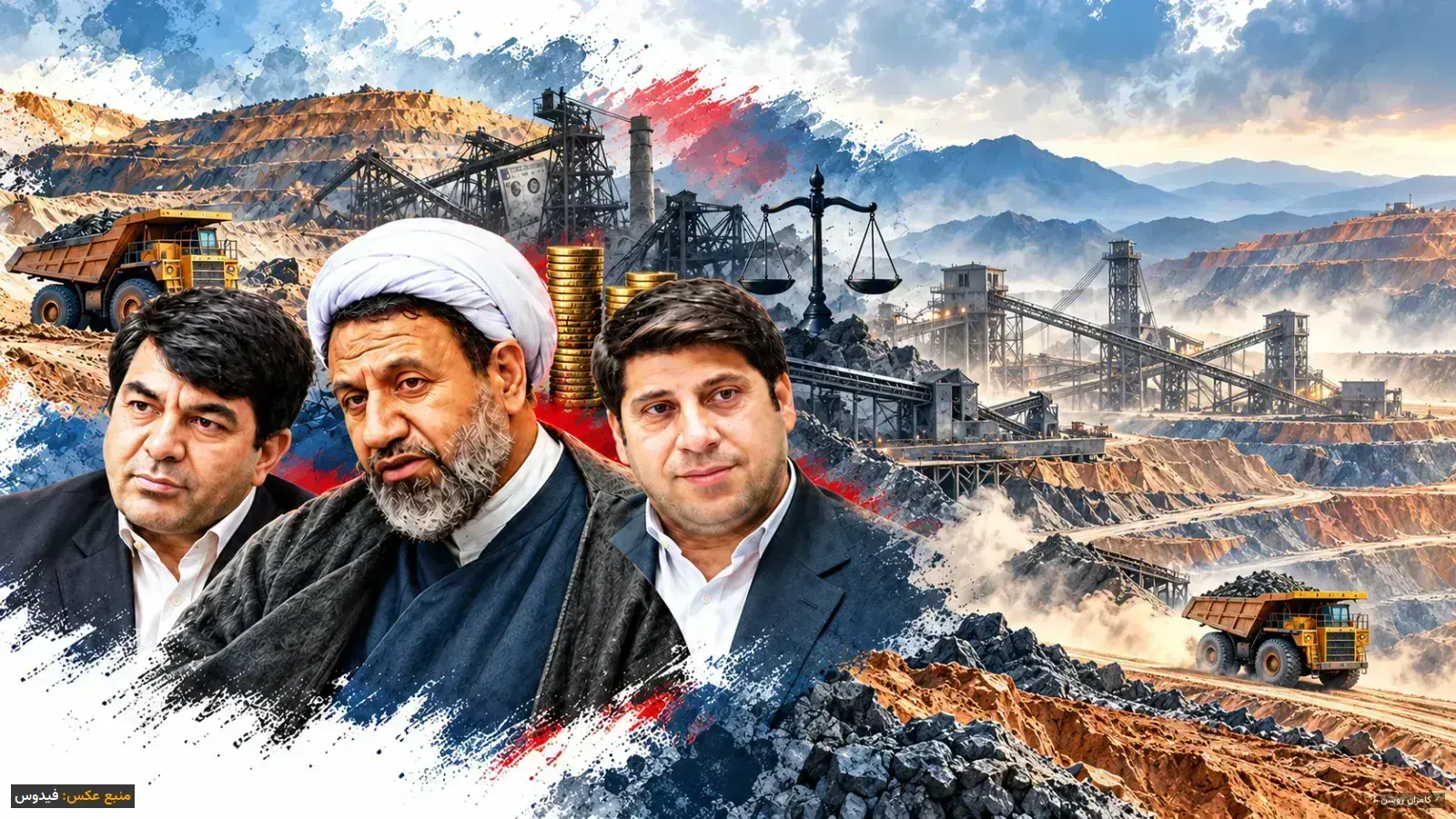
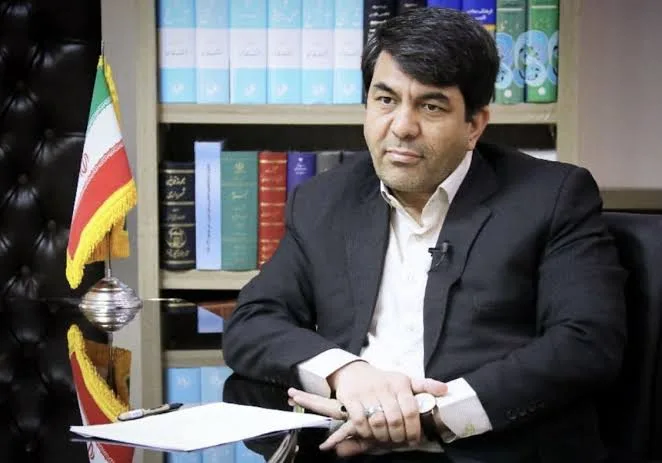
Among these, the role of three key figures is more prominent than others: Mohammad Ali Talebi, Governor of Kerman, Sheikh Hassan Alidadi, Friday Prayer Leader of Kerman, and Mohammad Sadegh Azizi, Director General of the Governor's Office, who along with a group of close associates and relatives play a central role in the distribution of rent and receipt of funds known as "social responsibility" from the Sarcheshmeh Copper Complex and other mines in the province.
Simultaneously, the judiciary of Kerman has also become part of this cycle instead of combating corruption. From costly changes in the judicial complex to hiring the children of judges in the Gol Gohar and Sarcheshmeh mines, all have been funded by mining revenues. Even major corruption cases, like the disappearance of 370 thousand tons of concentrate and pellets, have been closed with justifications such as "floods"; a justification that experts consider "impossible and lacking scientific basis".
A Network Born from Sanctions
Sanctions closed the path for oil sales but left open the routes through Afghanistan, Russia, Pakistan, and Turkmenistan for mineral transfers. This shift turned Kerman's mines into a "sustainable revenue source for the government"; a source with virtually no official oversight, with a large portion of its income falling into the hands of local power circles.
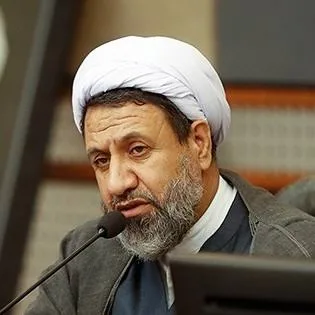
Meanwhile, Sheikh Alidadi, the Friday Prayer Leader of Kerman, plays a role beyond a religious figure. With a network of relatives in executive bodies, he has purchased hundreds of hectares of land behind the Safaroud Dam and receives a significant portion of the "social responsibility" funds from the Sarcheshmeh Copper Mine to cover the costs of seminaries and pay salaries to unemployed clerics. These funds are considered "ownerless" and lack any transparent auditing mechanism.
The Judiciary; From Observer to Partner
The judicial structure of Kerman also plays a decisive role in this cycle. The children of Yadollah Moheb, the former head of the judiciary, are active in selling minerals. Gholamhossein Hamidi, the next head of the judiciary, has appointed his two sons in the Gol Gohar mine, each receiving about 250 million tomans monthly. The third son is also employed in the judiciary.
This familial network not only hinders the pursuit of corruption cases but also, in cases like the "370 thousand tons of concentrate" case, diverts the investigation with unscientific narratives. Mining experts emphasize that "no flood can displace such a volume of minerals," and this claim is only made to "cover up the traces of theft".
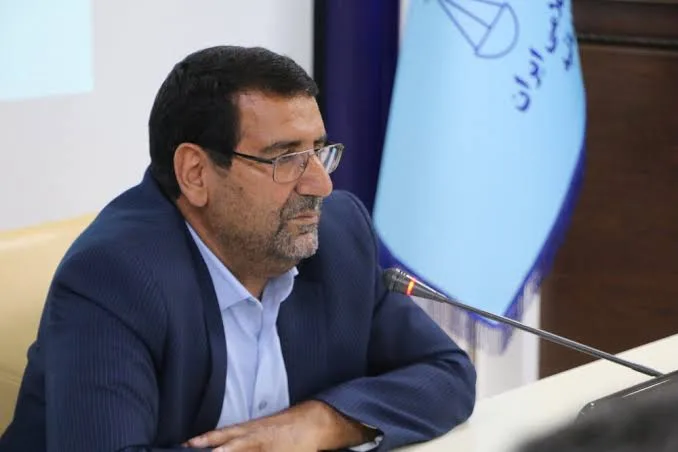
The plunder of Kerman's mines, in addition to environmental destruction and the depletion of natural resources, has had widespread impacts on the local economy. The reduction in the share of the people from mining revenues, increased inequality, migration of skilled labor, and rising unemployment are among the results of this corruption cycle.
On the other hand, turning the mines into a "personal piggy bank" for officials has severely weakened the governance structure and reduced public trust. "Systemic corruption in Kerman's mines is an example of the collapse of oversight mechanisms in the Islamic Republic"; a mechanism that, under sanctions, has moved towards further concentration of power and wealth in the hands of limited groups instead of reform.
Today, Kerman's mines are not only a source of national wealth but also a scene of organized competition and plunder among government officials, clerics, and the judiciary. This cycle, relying on sanctions and lack of oversight, has become a stable structure whose consequences will remain on Iran's economy, environment, and society for years.