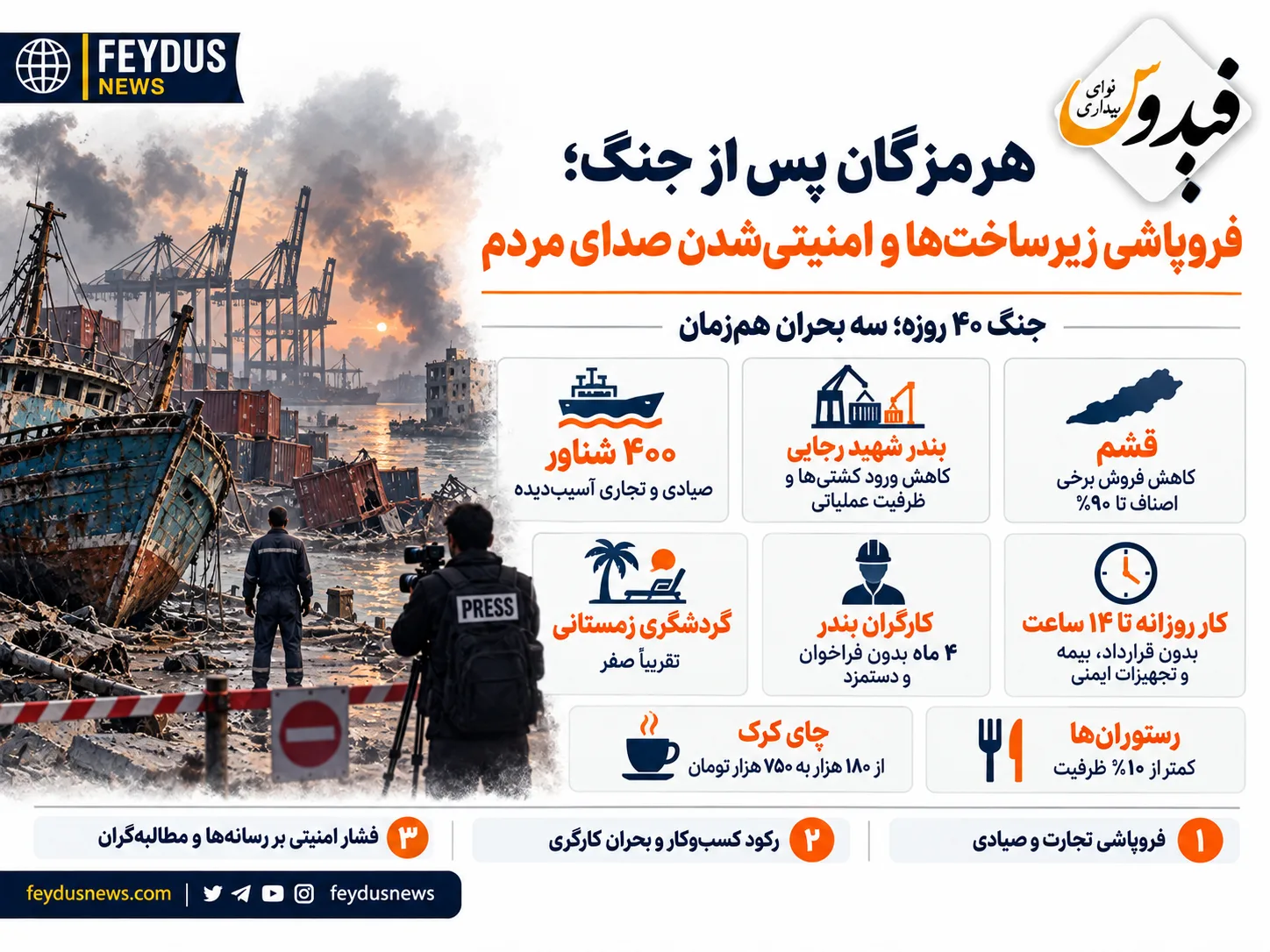
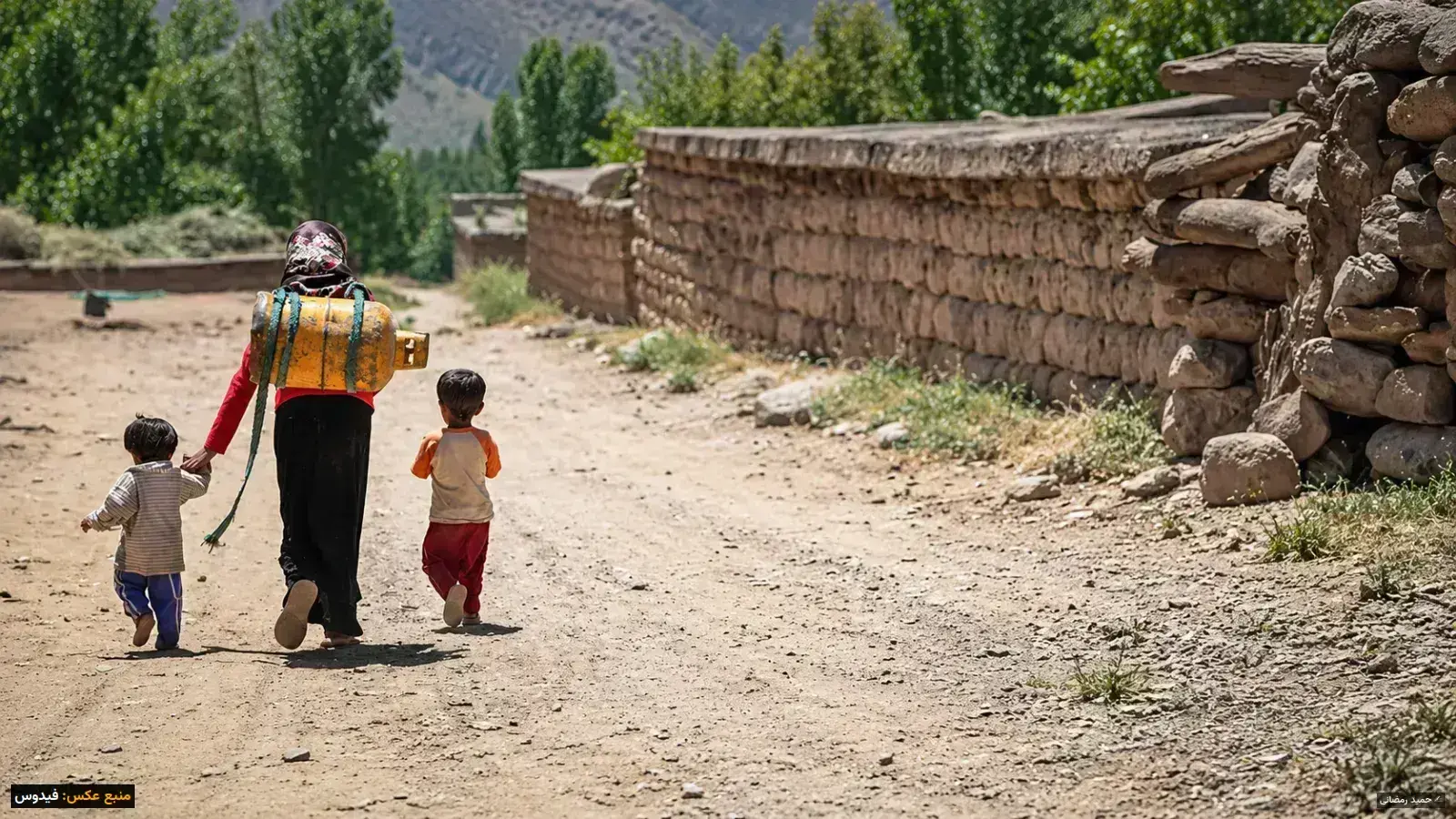
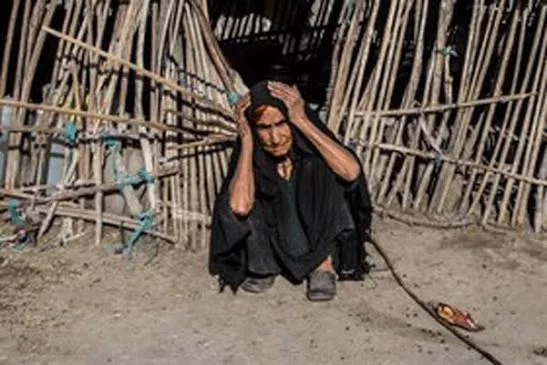
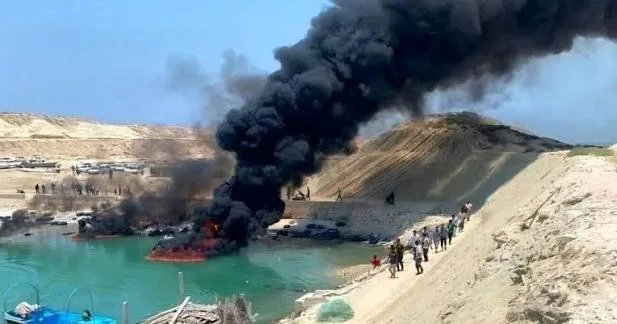
Hormozgan, a province that is the backbone of Iran's maritime trade, has entered a phase of infrastructural damage, economic stagnation, and increased social security following the 40-day war and American attacks. The consequences of this situation are still ongoing. From the damage to 400 fishing and commercial vessels to the shutdown of tourism, a sharp decline in trade, worker layoffs, business uncertainty, and pressure on journalists and activists, a series of simultaneous crises have put the lives of southern people in an emergency state.
Infrastructures That Collapsed in a 40-Day War
According to the official report from the Economic Deputy of Hormozgan, 400 fishing and commercial vessels were damaged during the attacks. Some of these vessels were parked at docks, while others were engaged in economic activities and supporting the livelihoods of southern people. Additionally, many of these boats and barges were used by the Revolutionary Guards for naval mine-laying.
These attacks, in addition to direct damage, created a chain of disruptions in maritime trade: a reduction in ship arrivals, halting of transport lines, damage to containers, and reduced operational capacity at Shahid Rajaee Port. During this period, the government approved a support package to compensate for the damages, which included the reconstruction of road, rail, and maritime transport and support for affected businesses. However, the reality on the ground shows that the pace of reconstruction has been much slower than the pace of destruction.
Traditional Southern Trade; From Prosperity to Recession
Hormozgan has lived for years based on traditional trade, fishing, maritime transport, and winter tourism. But now these economic pillars have collapsed one after another.
A report from "Donya-e-Eqtesad" shows that many active companies at Rajaee Port, which previously had three ships a week, now have only one ship and "often have no work to do." Fishermen say the cost of repairing damaged vessels is tens of millions of tomans, and there is no compensation mechanism for the damages.
In Qeshm, sales in some sectors have decreased by 90 percent. The prices of imported goods have also surged. Karak tea, which was 180 thousand tomans, is now sold for 750 thousand tomans, and winter tourism, which usually saved the southern economy, has practically reached zero this year.
Workers; The Silent Victims of War and Recession
Labor reports from Bandar Abbas to Shush show that workers are facing delayed wages, layoffs, lack of formal contracts, and employer threats. At Shahid Rajaee Port, some workers have neither been called back nor received wages for four months. Companies do not even issue "no need" letters so that workers cannot claim unemployment insurance.
Afghan and Baluch migrant workers, without contracts, insurance, or safety equipment, work up to 14 hours in sulfur and iron ore yards. In Shush, the wages of 180 municipal workers have not been paid, leaving them in complete uncertainty. According to experts, this situation is part of a national unemployment crisis exacerbated by the war.
Increased Security Measures; Journalists and Activists Under Pressure
Alongside the economic crisis, Hormozgan is facing increased security measures for journalists, social activists, and advocates. The extraordinary pressure on local media, summoning of activists, and restricted access to information have increased.
Local journalists say access to ports, docks, and damaged areas is restricted, and publishing independent reports on the damages is accompanied by unofficial threats. Economic advocates also speak of "unanswered requests" and "fear of security confrontations".

The People; Between War, Inflation, and Uncertainty
In Hormoz, local drivers say they have had "almost no passengers" since the war began. In Qeshm, accommodation rooms that were 4.5 million tomans are now 2 million tomans, not due to lower prices, but because of the lack of customers. Markets are semi-closed, restaurants operate at less than 10
percent capacity, and many families are struggling with the sharp increase in the prices of imported goods.
In such conditions, the people of the south face a combination of war, recession, inflation, unemployment, and social insecurity, a combination that has shrouded the economic future of Hormozgan in uncertainty. Today, Hormozgan stands at a point surrounded by three simultaneous crises: 1. The collapse of traditional trade and fishing infrastructures 2. Widespread business recession and labor crisis 3. Increased security measures for media and advocates
This situation has not only paralyzed the southern economy but also limited the right to know and demand. While the government has approved support packages, the reality on the ground shows that reconstruction is not happening, and the damages remain severe, leaving people in uncertainty.