In today's Iran, many things are no longer in their natural place; not people, not official relations, not political and economic structures, and not even social and family relationships. The chaos has become so widespread that it seems we are not facing a society that once had order and then fell apart, but rather a ruin that crumbles more each day.
In a country where the line between 'right' and 'left' is unclear, parties have become more floating titles than political institutions with programs and responsibilities, and the gap between entrepreneur, rent-seeker, economic corruptor, and power broker narrows each day, making it harder to distinguish the right path from the wrong one.
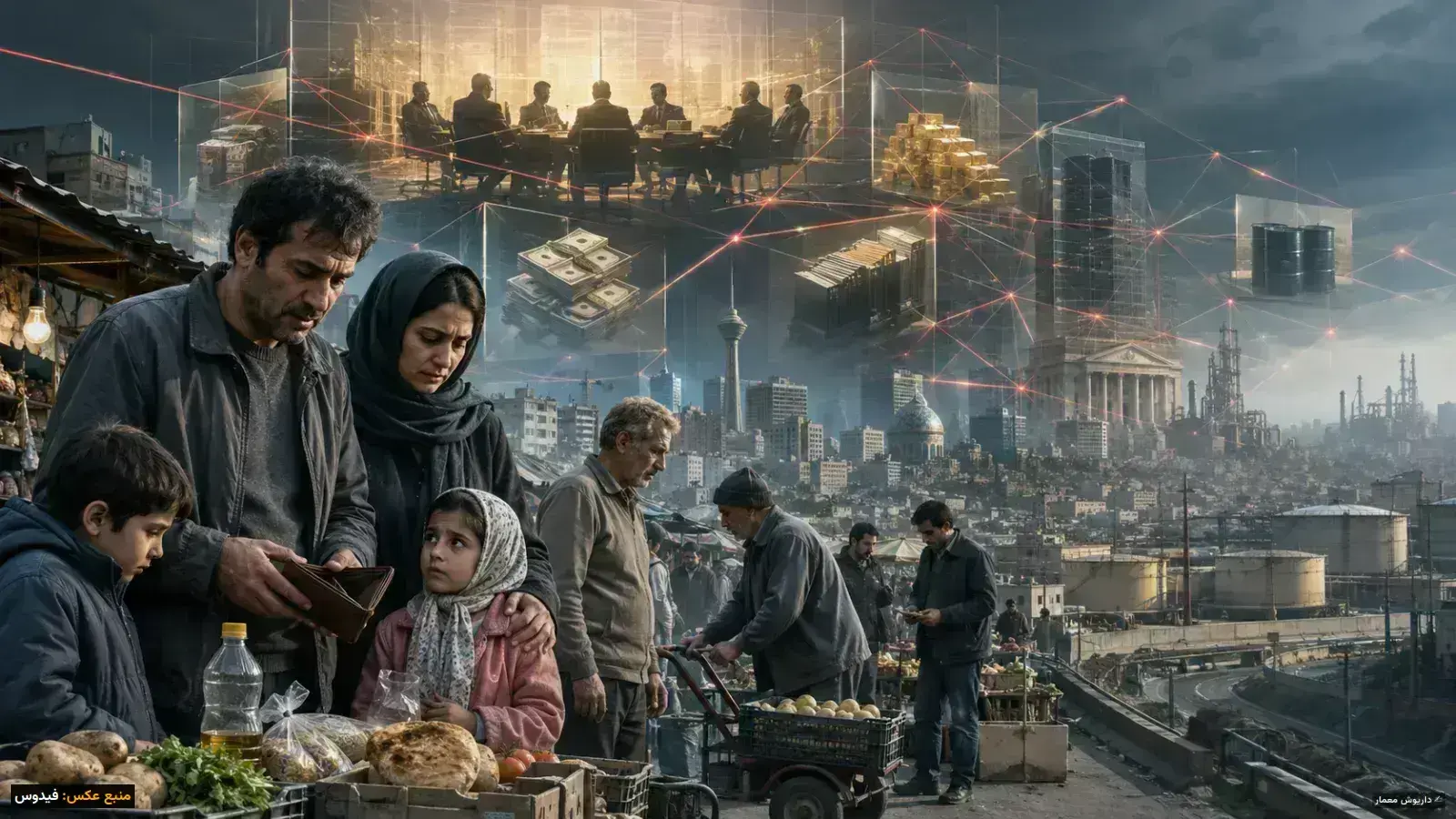
Yet amidst this chaos, one group knows the rules of the game well: opportunists and those who benefit from instability and weak structures. They know how to fish for jeweled fish in the murky waters of Iran's economy and politics; how to exploit public resources, rent, political connections, and legal loopholes to build astronomical wealth, while a large part of society struggles to meet even the most basic needs of life.
Mafia Circles in the Country's Economic Structure
Once, despite all the disorder, at least a line could be drawn between figures like Babak Zanjani and many real and independent economic activists. It was possible to distinguish between those who fed off networks of power and rent and contractors who operated with capital, expertise, and professional responsibility. Today, however, these lines have largely blurred; not because everyone has become corrupt, but because the space for many healthy and independent individuals to operate has become increasingly limited.
Today, in every corner of the country, traces of groups can be seen that have access to public resources and take their share from this vast table. On the other side are ordinary people; citizens who are neither connected to power networks nor have any share of the rent.
Perhaps in today's Iran, being an 'ordinary person' is one of the most challenging positions. The ordinary citizen faces unemployment, inflation, reduced purchasing power, social restrictions, and political pressures. In many cases, even their right to demand is not recognized. If they go beyond the boundaries defined for them, if they demand their economic, social, or political rights, they may face pressure, threats, exclusion, or restrictions.
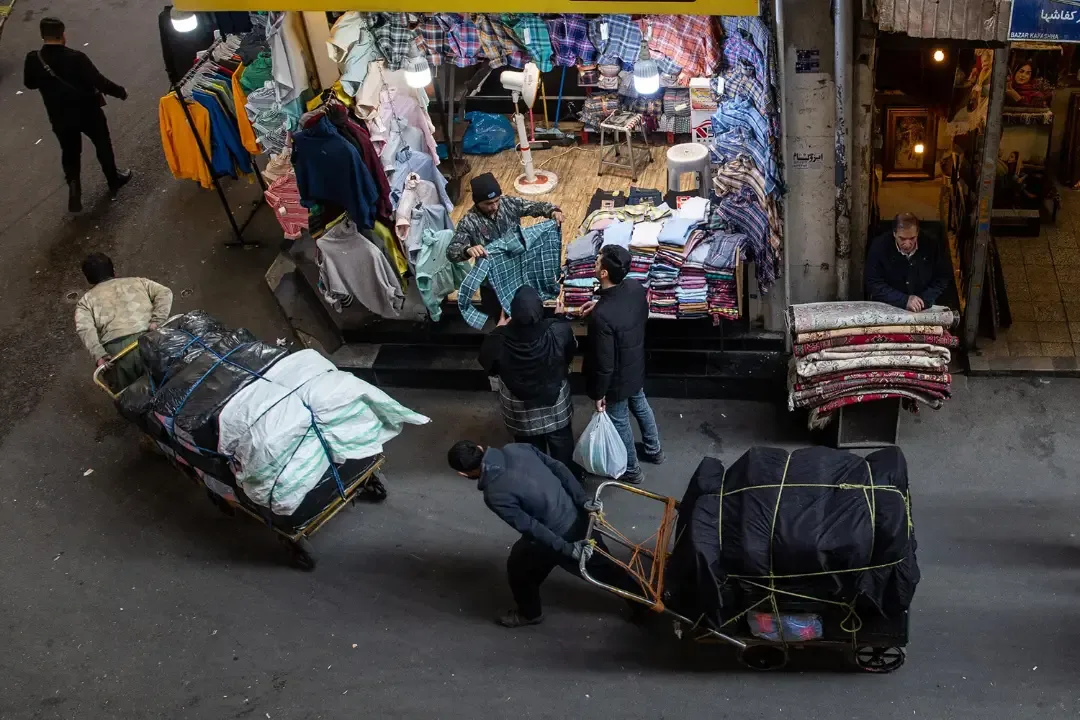
The Loss of Life's Basics
Of course, the issue is not just poverty and restrictions. Even the possibility of a calm and predictable life has become a rare commodity in Iran. Wherever a part of people's lives finds a bit of stability, politics can once again enter it. Decisions justified with titles like 'resistance', 'confronting arrogance', or 'steadfastness' ultimately have costs that are often borne not by those in power, but by ordinary citizens.
Certainly, in this context, it is clear that governance in a constant atmosphere of crisis and threat offers a significant advantage for the power structure: a society that is always worried about the future, livelihood, security, and survival has less opportunity and ability to demand accountability.
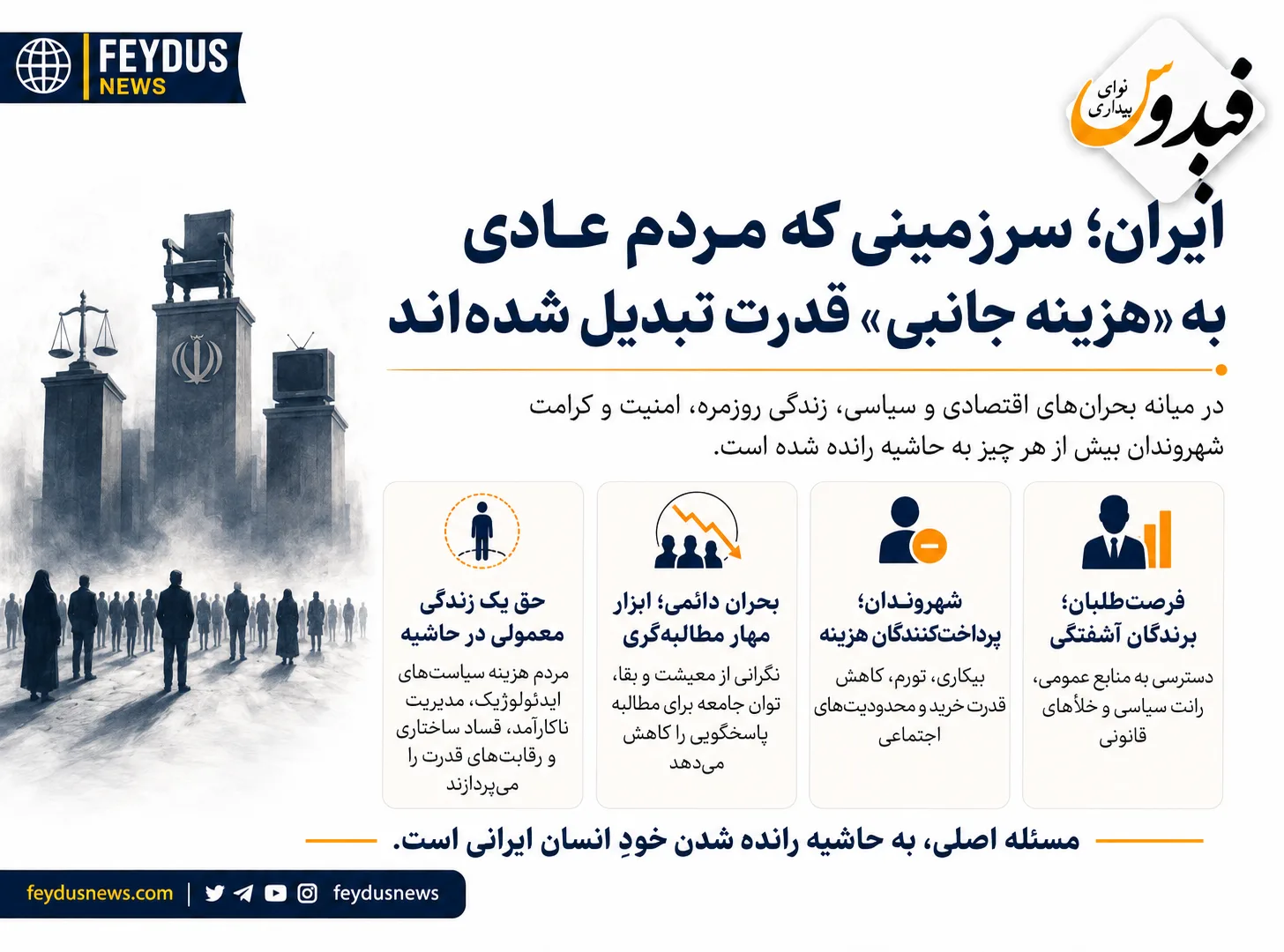
The result is a society where culture, art, citizenship, and even human dignity are gradually marginalized. Today, more than ever, the people of Iran are at risk of becoming 'collateral damage'; collateral damage of ideological policies, inefficient management, structural corruption, and power struggles.
They bear the cost of the religiosity of clerics who are not accountable for their actions; they pay the price for the politics of officials whose decisions directly affect the lives of millions; and sometimes they even bear the cost of the actions of those who outwardly promise to build a different future.
The main issue in today's Iran is not just the economic or political crisis. The issue is that amidst all these crises, the Iranian person themselves, their daily life, security, dignity, and the right to have a normal life, have been more marginalized than anything else.