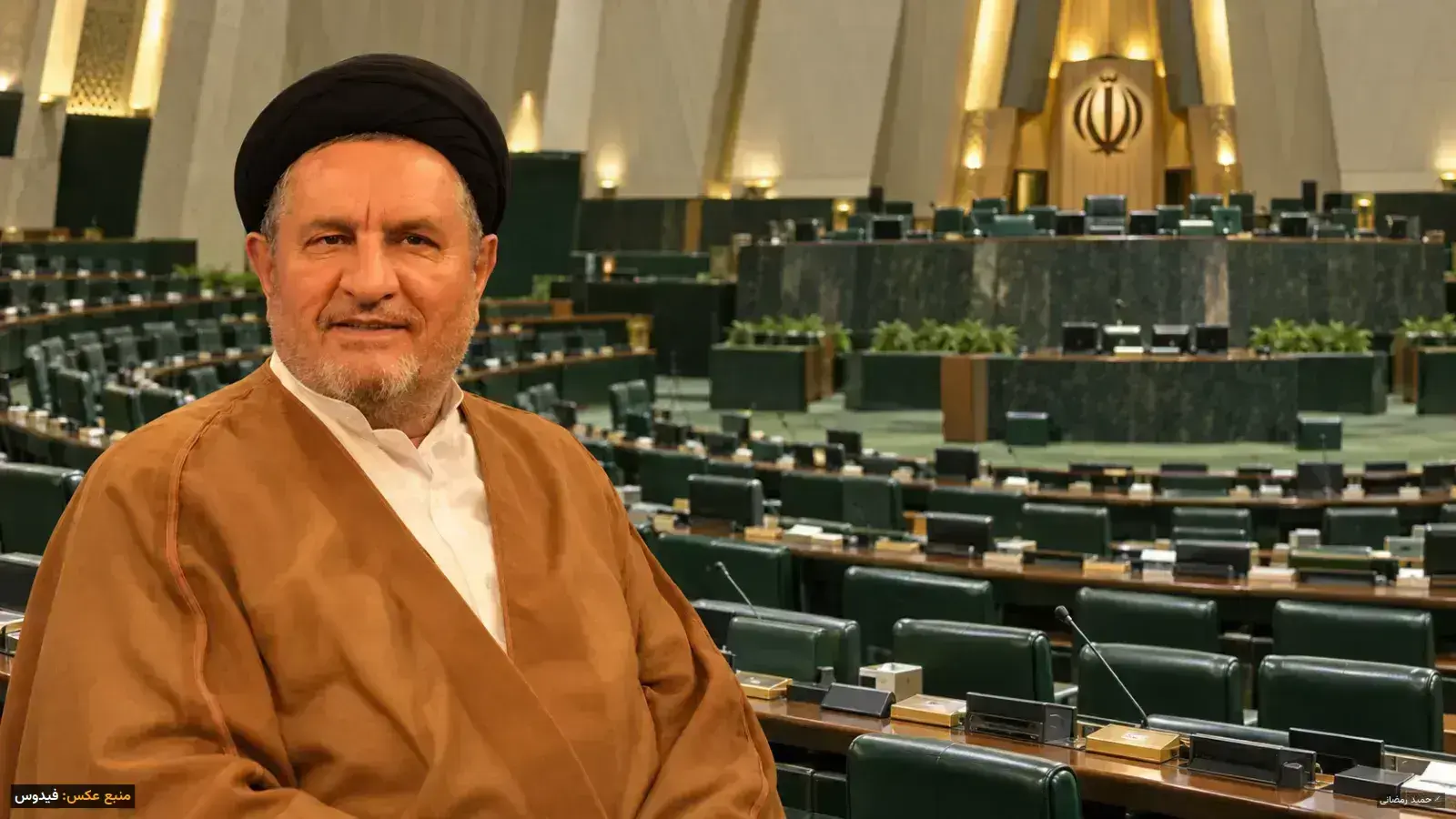
Mohammad Movahed has criticized unfinished projects, youth migration, and fruitless meetings in Kohgiluyeh; words that, if spoken by a deprived citizen, would be a clear demand, but from the mouth of a politician with over two decades of representation, first and foremost raises a question about his own record: How does Movahed complain about a situation in which he has been involved in decision-making and oversight for years?
In the Yasuj Chamber of Commerce meeting, he spoke about the uncertainty of the Abriz Dam and Dehdasht Petrochemical and emphasized that people no longer accept promises. But the same standard should apply to him. People have the right to know the outcome of his years of representation, political connections, and pursuits, and why key projects are still the subject of speeches.
Movahed is not a newcomer. His record includes several terms representing Kohgiluyeh and one term representing Behbahan. Such a presence makes the responsibility for accountability heavier. One cannot introduce a long record as a strength during elections, but speak like a powerless observer when explaining failures and shift all responsibility to others.
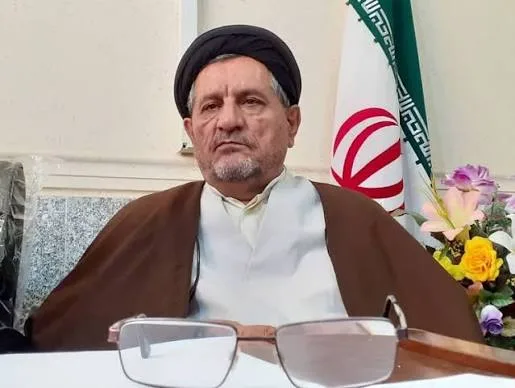
Influence for Appointment; Inability for Development?
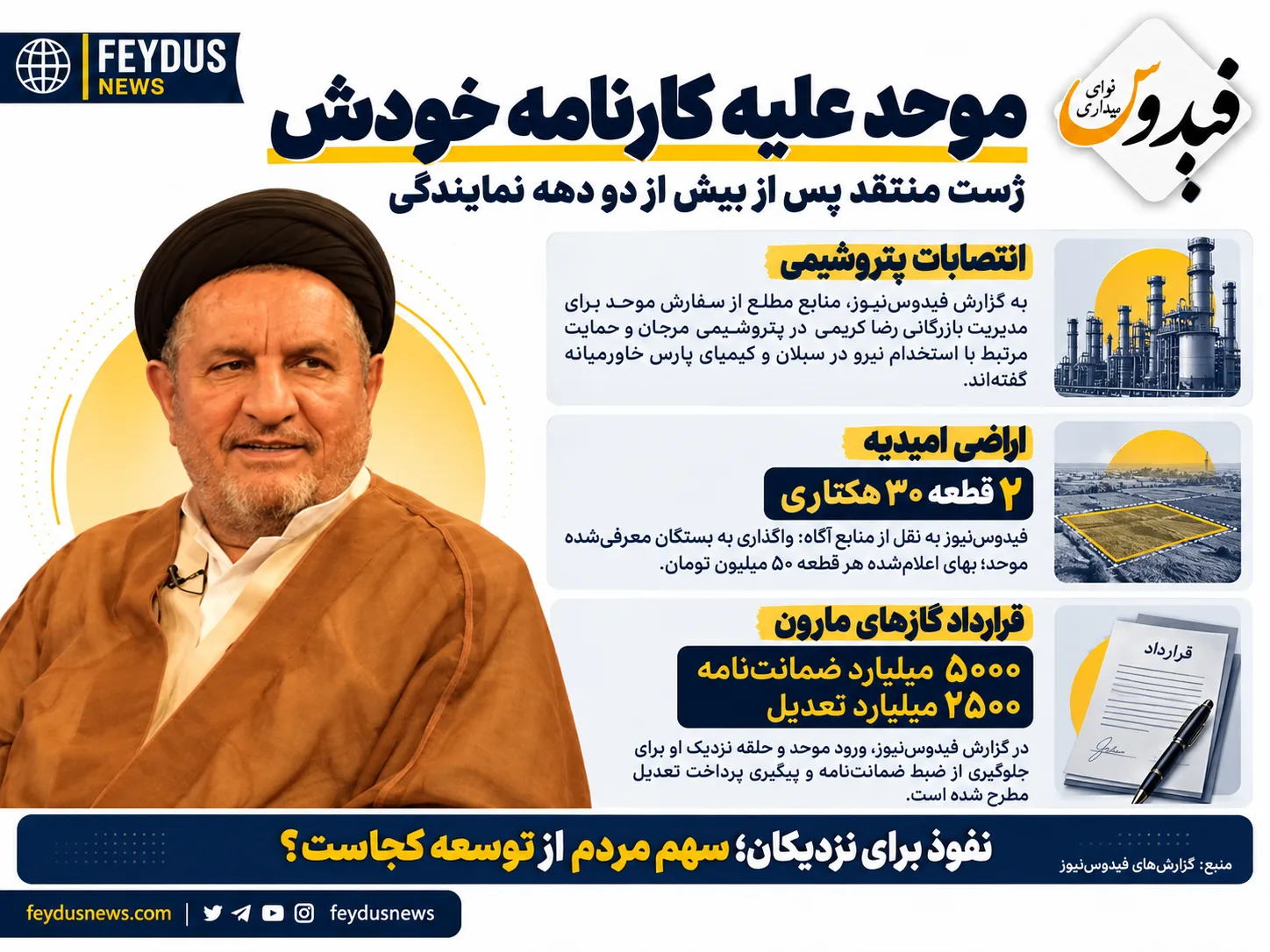
Reports from Feydus News link the question about Movahed's record from a general discussion to specific issues. In a report concerning Reza Karimi, this media outlet, quoting informed sources, wrote that Karimi, with Mohammad Movahed's recommendation, was the commercial manager of Marjan Petrochemical for about a year. The same report linked Movahed's support for Karimi's managerial growth with the appointment and hiring of individuals in Kimia Pars Middle East and Sabalan.
This narrative places Movahed before a direct question: If the position of representation was effective for recommending managers and introducing personnel, why is the result of this power not seen in the development of the electoral district? He must explain his role in these appointments, the criteria for introducing individuals, and the relationship between political support and employment opportunities. Speeches about youth unemployment do not answer these questions.
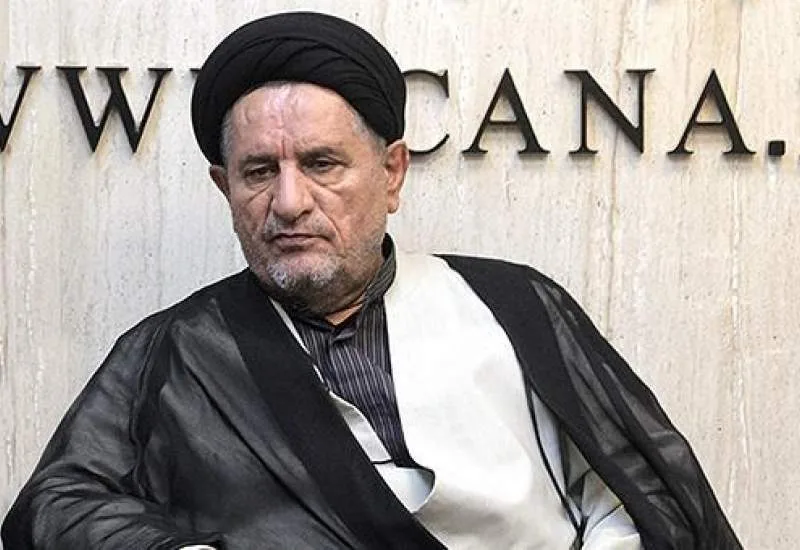
In another report, Feydus News, quoting informed sources and referenced documents, reported the allocation of two thirty-hectare plots of land in Omidieh to Seyed Kamel Razavi and Seyed Hossein Afshani; individuals whom the report's sources identified as Movahed's relatives. The declared price for each plot was fifty million tomans.
The same report attributed the appointment of Seyed Majid Parvin to the head of Omidieh's Natural Resources to Movahed's influence and the cooperation of Seyed Sadegh Mousavian. These narratives highlight the need to examine the path of appointment and allocation: How was the manager selected, how was the land priced, and what was the relationship between the recipients and the political circle supporting the appointment?
Large Contracts and Forgotten Responsibilities
In the case of collecting Marun flare gases, news has written about Movahed and his close circle's involvement in supporting the contractor. According to this media's narrative, preventing the seizure of a five-thousand-billion-toman guarantee and pursuing a two-thousand-five-hundred-billion-toman payment under the title of adjustment were pressure points. This report raises Movahed's alleged involvement in decisions with significant financial dimensions.
These cases require specific explanations. Movahed must clarify what role he played in supporting the contractor and what was the basis of his potential intervention. A representative who complains about the lack of resources for people's projects cannot leave questions about his role in companies' financial decisions unanswered. Public resources are not the property of political networks.

Putting these reports and Movahed's recent statements together highlights a political contradiction: Influence that is active in narratives for appointment, employment, and contractual support turns into complaints about administrative obstacles when explaining people's deprivation. This contradiction is not resolved by repeating project names; it requires the publication of correspondences, recommendations, and oversight action reports.
When political loyalty replaces expertise and job opportunities become rewards for proximity to the representative's office, development is sacrificed. The main critique is directed at this very mechanism: Representation, instead of defending public rights, is at risk of becoming a mediator for distributing positions; people remain outside the circle, and projects are delayed for years.
Movahed cannot simply remove his share from political accountability with a critical stance. If people no longer accept promises, his record must first be put on the table: For whom has influence yielded results, and what has it brought for the people? Kohgiluyeh does not need a review of deprivation; it needs accountability from those in power.