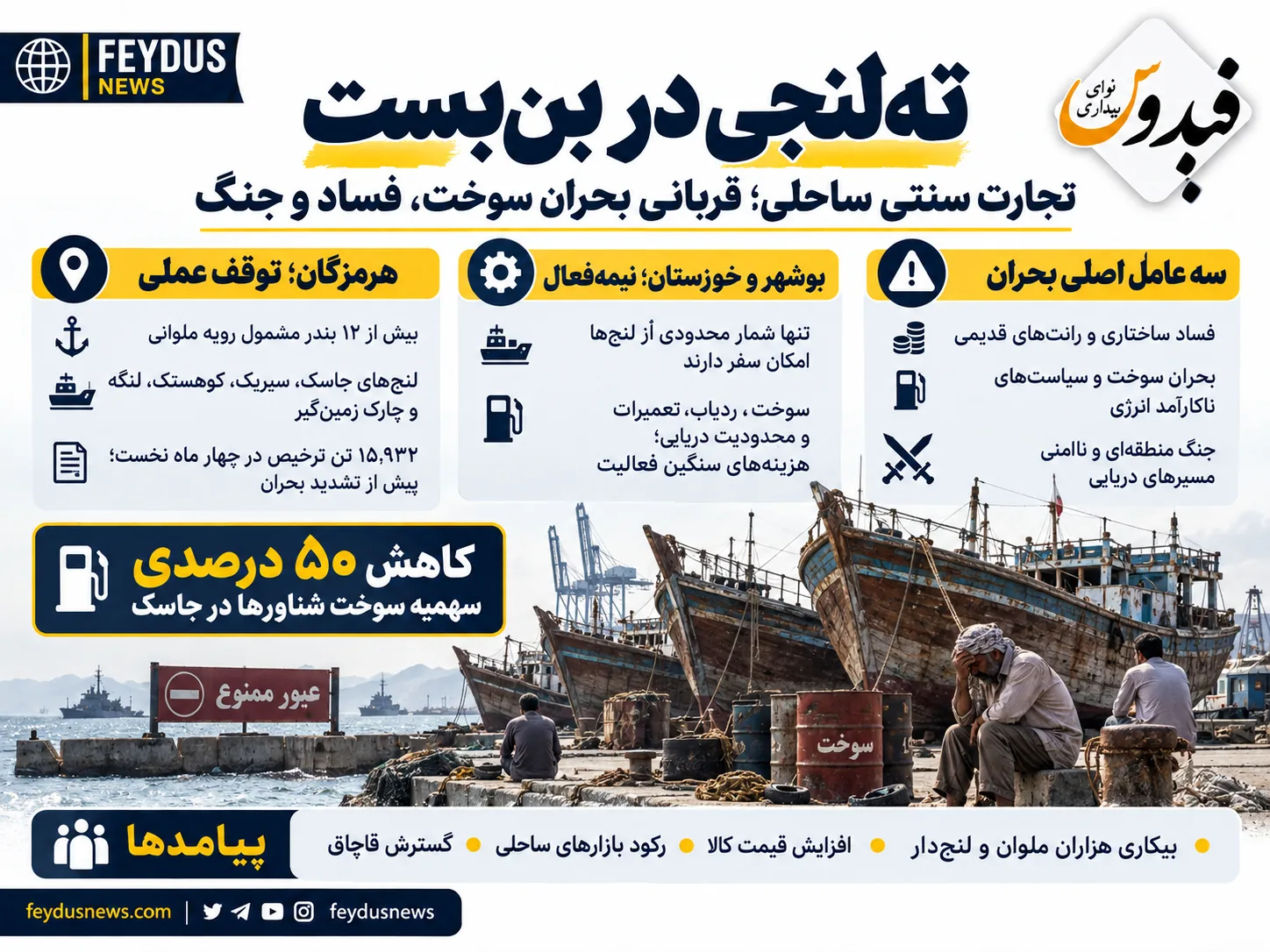
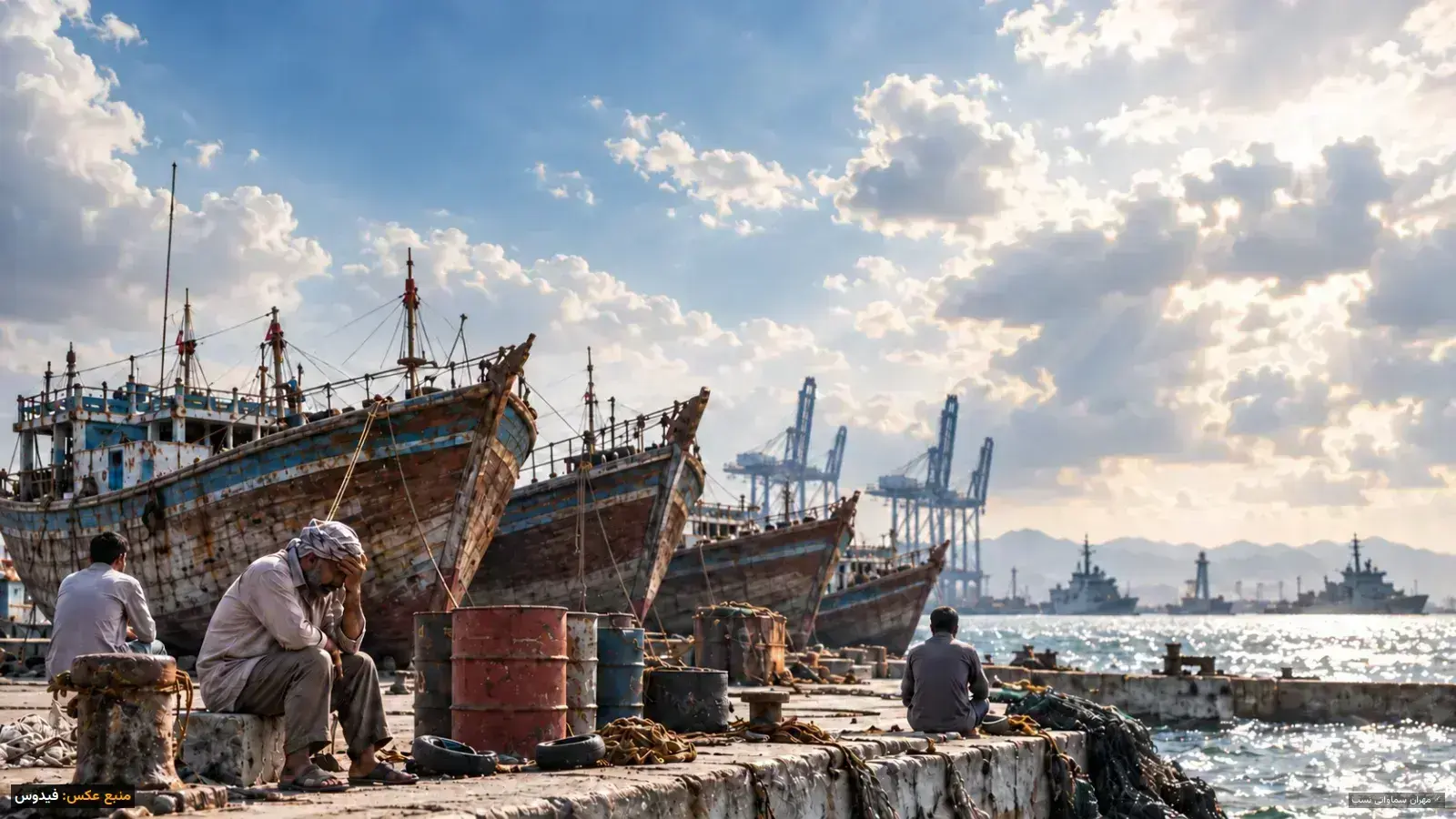
Tehlengi, the traditional mechanism of small-scale trade in southern Iran, stands today at a point that was never imagined. Hormozgan, the historical heart of this trade, has practically closed, and thousands of sailors and boat owners in the ports of Lengeh, Charak, Khamir, Sirik, and Jask are stranded, while the routes of Bushehr and Khuzestan are still semi-active. This halt is the result of decades of structural corruption, fuel crisis, regional war, and the collapse of maritime security, which has now brought the livelihood of coastal residents to the brink of destruction.
Roots of a Crisis; How Did Tehlengi Turn from Tradition to a Network of Corruption?
Tehlengi in southern Iran has a history of over a century when wooden boats traveled from Bandar Lengeh and Bushehr to Dubai, Sharjah, and Old Lengeh, importing small goods from fabrics and household items to spices and tools for local consumption. This small trade was the backbone of the coastal economy, sustaining thousands of families.
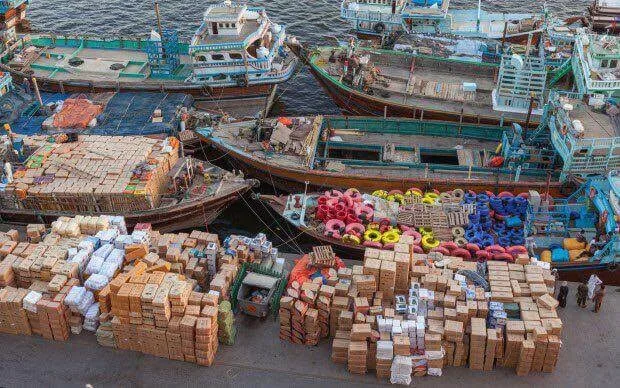
But from the 1990s onwards, with the expansion of sanctions and weak oversight, Tehlengi gradually turned into a route for smuggling goods, tax evasion, and networks of rent-seeking. Official reports indicate that fuel quotas for boats were systematically sold on the black market, and some boats, under the guise of Tehlengi, imported large loads that were essentially commercial, not sailor-based, and compliance certificates and travel permits became tools for political and financial bargaining, while local networks in Hormozgan and Bushehr took informal control of the routes.
This chronic corruption weakened the foundations of Tehlengi, but the final blow came in 2026, when the fuel crisis, regional war, and security restrictions almost halted this historical route.
Hormozgan; Complete Halt of Tehlengi in a Province That Should Be a Trade Hub
Hormozgan, with more than 12 ports subject to sailor procedures, is today the only province where Tehlengi has practically closed. In the ports of Jask, Kargan, Sirik, Kouhestak, Lengeh, and Charak, boats have been unable to travel for months. Local sources say that travel fuel is not provided to boats, exit permits are not issued or are unofficially suspended, that maritime routes are disrupted due to war and recent attacks, and the UAE market is closed or severely restricted for Iranian boats.
This situation occurs while, according to official statistics, over 15,932 tons of sailor goods were cleared in Hormozgan in the first four months of the year, but these figures relate to the period before the crisis intensified, and now the practical activity of Tehlengi in the province has stopped.
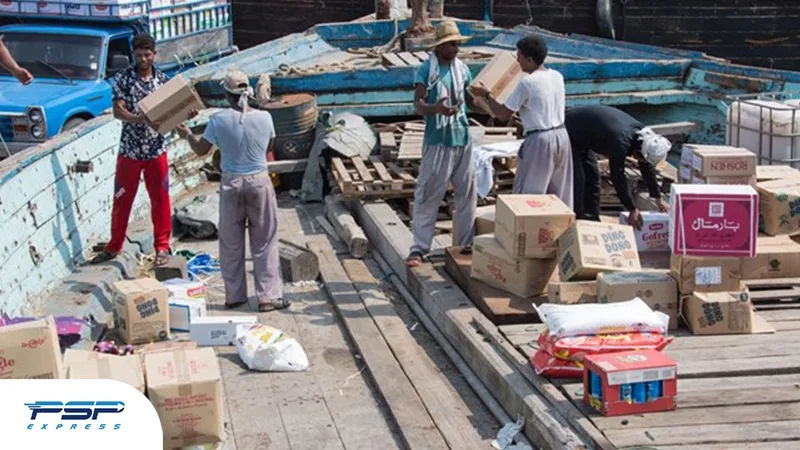
Bushehr and Khuzestan; Semi-Active but Costly Routes
In contrast, Bushehr and Khuzestan are still 'open' but not in the sense of normal activity. In Bushehr, the governorate has confirmed that some of the boats subject to Tehlengi are halted, and only a limited number can travel. Fuel problems, security restrictions, and reduced UAE capacity have made this route fragile. In Abadan, Arvandkenar, and Chouebdeh, new resolutions for activating sailor trade have been issued, but full and daily activity has not been confirmed, and boat owners face heavy costs of fuel, tracking, repairs, and maritime restrictions.
Fuel Crisis; The Blow That Brought Down Tehlengi
The increase in gasoline prices and diesel restrictions was not just a problem for vehicles; vessels were the first victims. In Jask, an official report indicates a 50% reduction in fuel quotas for vessels.
In eastern Hormozgan, strict fuel control has led to reduced fishing trips, boats losing the ability to travel to the UAE, and disruption of the fish and ice-making market, which has multiplied transportation costs. This fuel crisis has turned Tehlengi from an economic route into an impossible activity.
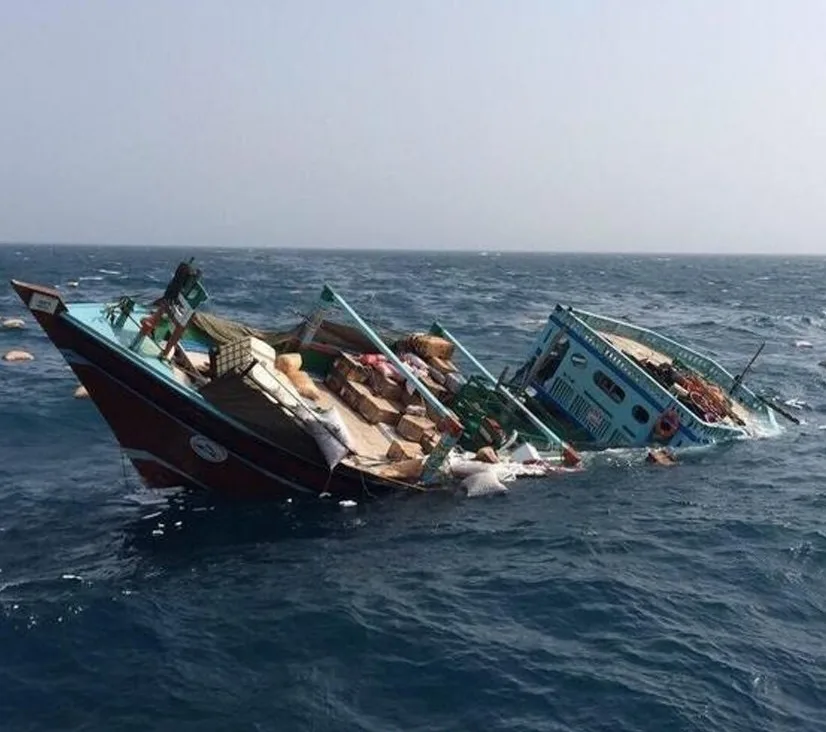
Coastal Livelihoods on the Brink of Collapse
The halt of Tehlengi in Hormozgan and severe restrictions in other provinces have widespread consequences, including unemployment for thousands of sailors and boat owners, increased prices of imported goods in the south, reduced financial turnover in coastal markets, and increased fuel and goods smuggling due to economic pressure.
Tehlengi was not just a trade for southern Iran; it was a social and cultural system that is now collapsing. The practical shutdown of Tehlengi in Hormozgan and severe restrictions in Bushehr and Khuzestan are the direct result of three factors: structural corruption and old rent-seeking, the fuel crisis and ineffective energy policies, and regional war and the collapse of maritime security. Until the government clarifies fuel quotas for vessels, secures maritime routes, controls local network corruption, and reforms this sailor trade mechanism, Tehlengi will not only fail to revive but will become one of the biggest livelihood crises in southern Iran.