The Arrest of Salah Yekta and the Challenge of Fake Doctors
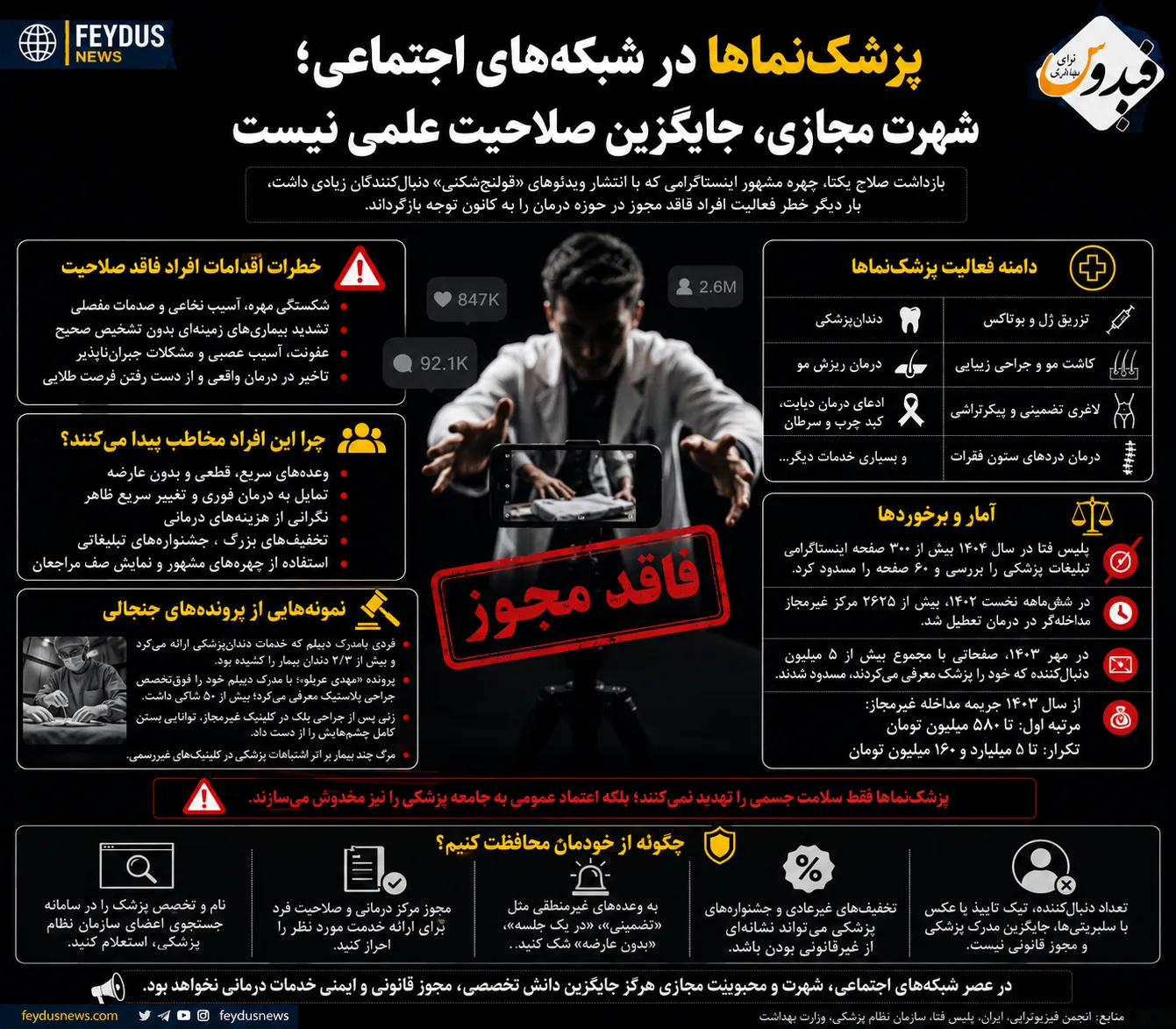
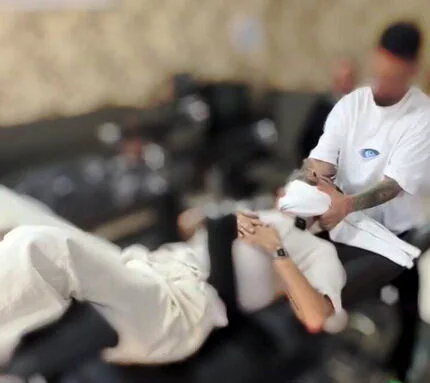
The arrest of Salah Yekta, a popular Instagram figure who gained millions of views by posting videos known as 'joint cracking,' has once again drawn attention to the growing activities of unqualified individuals in the healthcare field. According to Ahmad Moazen-Zadeh, Vice President of the Iranian Physiotherapy Association, this individual lacked the necessary license and scientific qualifications for performing medical interventions, and his activities were conducted illegally in various parts of Iran and even some neighboring countries.
The Dangers of Unauthorized Spinal Manipulation
Experts warn that spinal or joint manipulation by individuals without specialized training can cause irreversible damage, including vertebral fractures, spinal cord injuries, and joint damage. However, the widespread dissemination of these showy videos on social media has led many users to view such risky actions as a form of treatment or even entertainment.
The Rise of Fake Doctors in Cyberspace
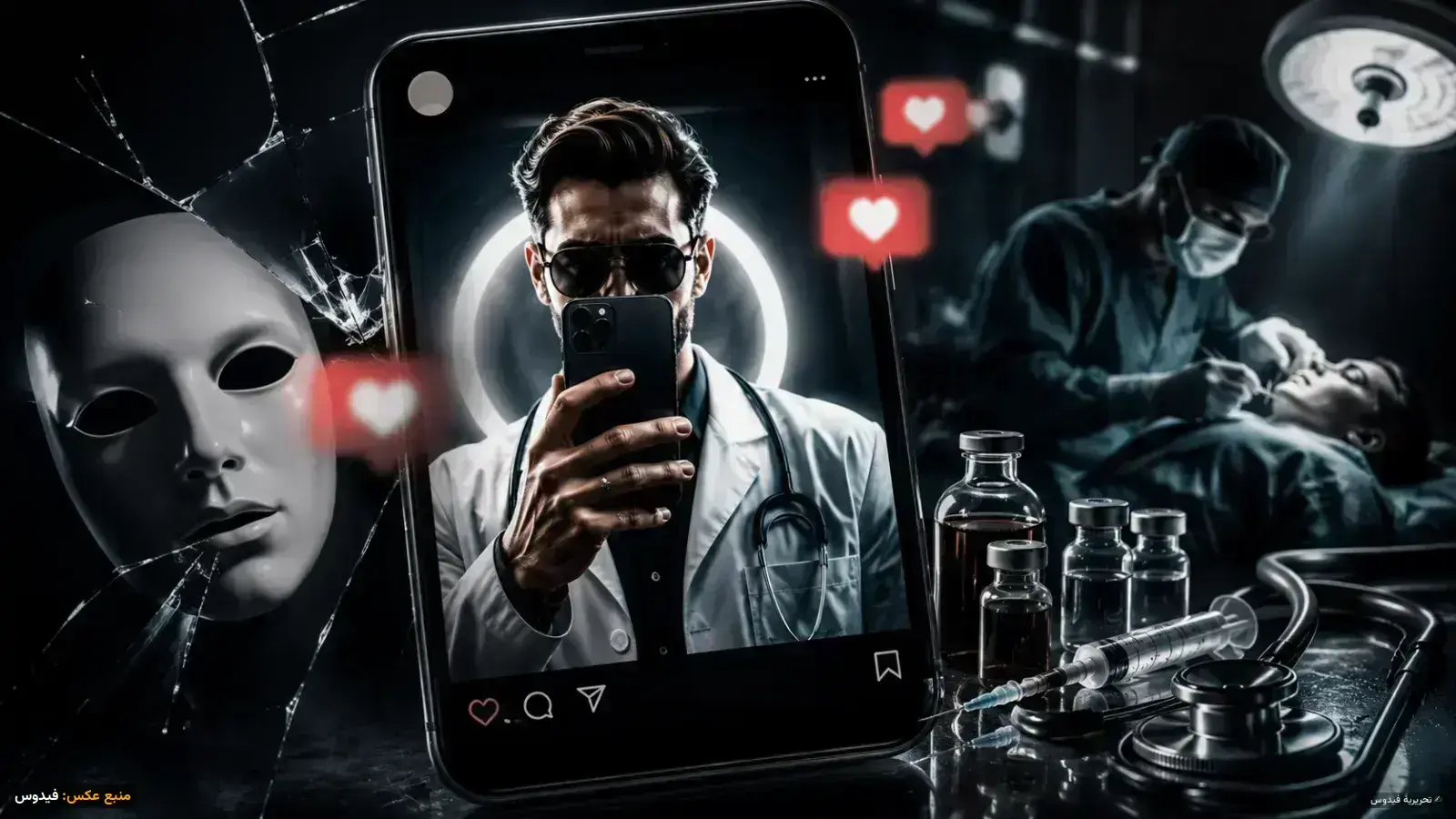
But this blogger's case is just one example of the growing trend of fake doctors in cyberspace. In recent years, individuals without medical degrees or beyond their professional competence have offered medical and cosmetic services to audiences using office-like decorations, white coats, specialized terminology, and extensive advertising. The difference between today's fake doctors and traditional examples is that instead of herbal prescriptions or verbal claims, they use social media advertising tools, before-and-after treatment images, and selective patient satisfaction stories to gain trust.
An Unrealistic Image of Service Success
Health sector activists believe users usually only see success stories, while those harmed by these interventions rarely have the opportunity to share their experiences. This has created an unrealistic image of the success rate of these services.
The Wide Scope of Fake Doctors' Activities
The scope of these individuals' activities has also expanded greatly; from gel and Botox injections, hair transplants, and cosmetic surgeries to spinal pain treatment, weight loss, dentistry, and even claims of definitive cures for diseases like diabetes or cancer. The common feature of most of these advertisements is the promise of quick, definitive, and complication-free results; promises that do not align with evidence-based medical principles.
Reasons for the Appeal of Fake Doctors
According to doctors, part of the appeal of these individuals stems from patients' desire to find quick treatments, concerns about treatment costs, or hope for rapid appearance changes. Significant discounts, collaboration with famous figures, and the display of client queues also reinforce the perception that popularity in cyberspace equates to scientific competence.
Judicial and Law Enforcement Actions
In recent years, judicial and law enforcement actions against fake doctors have increased. The Cyber Police have repeatedly reported blocking high-traffic pages and identifying unauthorized centers. In some cases, it has been revealed that individuals without medical education have attracted patients using fake documents or even misusing the seals and licenses of other doctors. Official reports also indicate the activity of unauthorized beauty centers, providing medical services in beauty salons, and the occurrence of serious injuries, disabilities, and even the death of some clients.
The Broad Consequences of Fake Doctors
Experts emphasize that the consequences of this phenomenon are not limited to direct victims but also undermine public trust in the medical community. For this reason, the Medical Council and regulatory bodies have established public reporting systems in recent years and simultaneously increased financial penalties for unauthorized activities in the healthcare field. However, many believe that effectively combating fake doctors is not possible solely by increasing penalties and requires continuous monitoring of cyberspace, dealing with offending collaborators, and raising public awareness.
Experts' Recommendations to Users
Experts recommend that users verify the qualifications of doctors and the licenses of centers from official systems before visiting any individual or medical center and consider promises such as 'definitive treatment,' 'no complications,' or 'guaranteed results' as a sign for caution. The recent case also showed once again that in the age of social networks, follower count or internet fame can never replace specialized knowledge, legal licenses, and the safety of medical services.