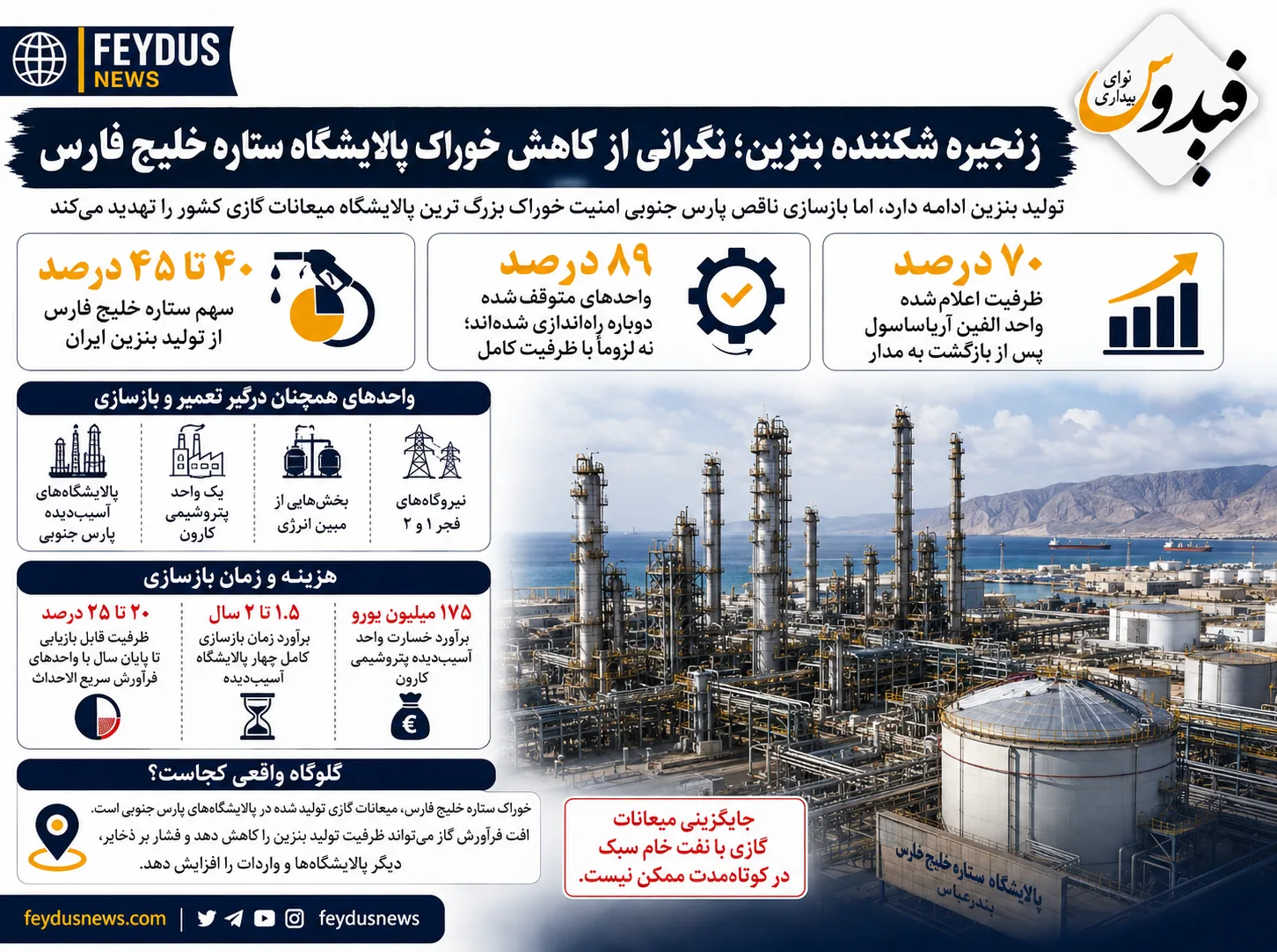
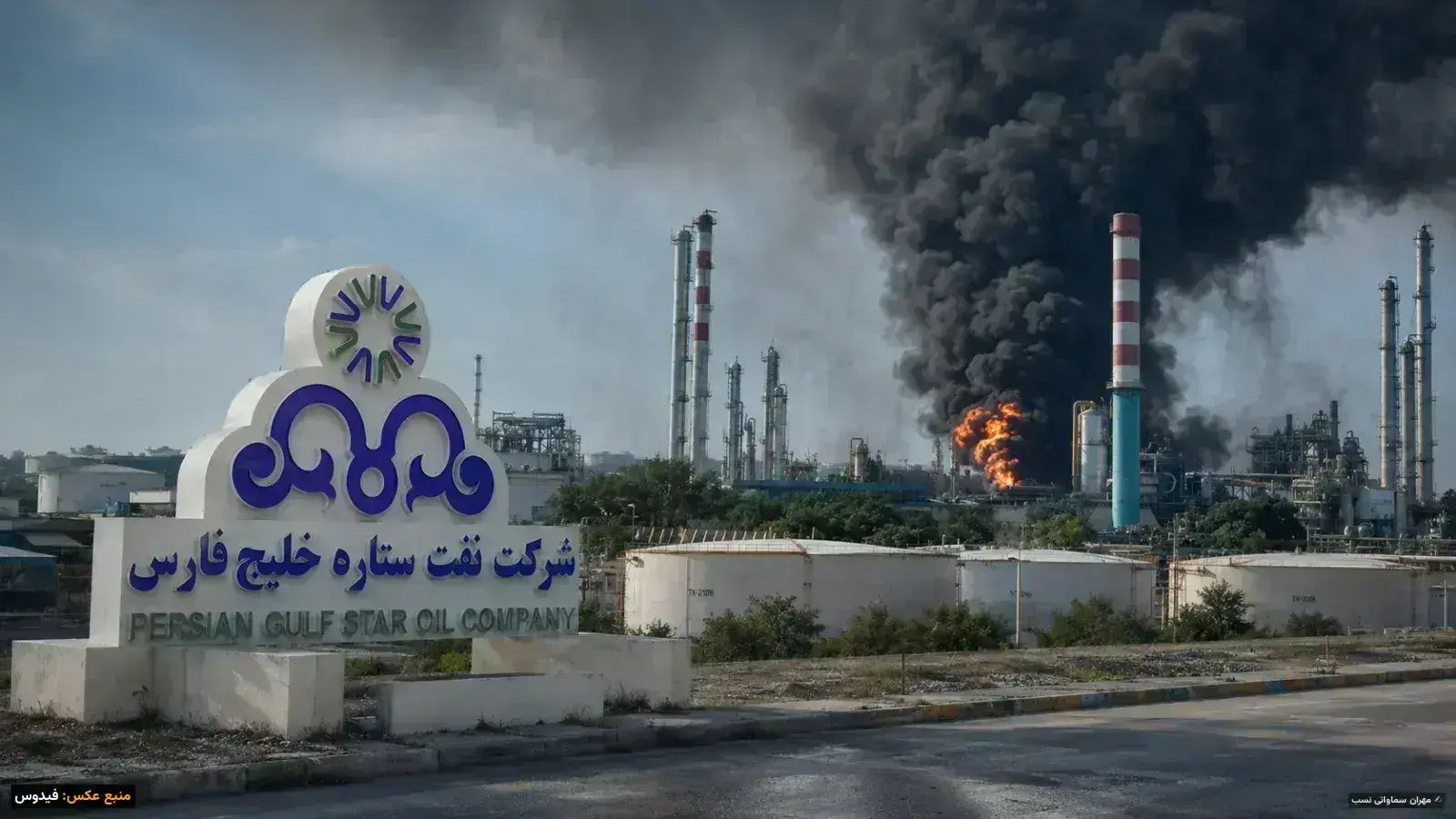
Simultaneously with reports of disruptions in the operations of some fuel stations, the state of gasoline production and the stability of refinery feedstock in the country has once again become a significant issue in the energy sector. At the center of this concern is the Persian Gulf Star Refinery, which produces about 40 to 45 percent of Iran's gasoline, and any limitation in its operations could put serious pressure on the fuel market.
An examination of official information and reports from companies active in the oil and petrochemical industry shows that most units that were taken offline during the war have resumed operations. However, the restart of production cannot be equated with a full return to capacity. Some facilities of Fajr Energy, Mobin Energy, Karun Petrochemical, and South Pars gas refineries are still facing repairs, equipment supply, or major reconstruction.
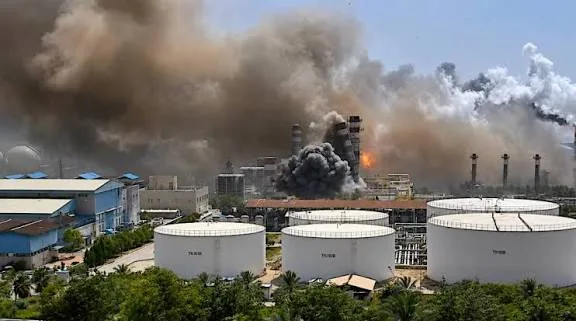
These damages, in addition to reducing production at Mahshahr and Assaluyeh complexes, have also raised a more significant concern: Can South Pars sustainably supply the gas condensate needed by the Persian Gulf Star?
Units Restarted, Capacities Not Yet Restored
The war damages were not limited to facilities directly targeted. Disruptions in the operations of two auxiliary service providers, Fajr Energy in Mahshahr and Mobin Energy in Assaluyeh, led to the halt or reduction of production at complexes dependent on electricity, steam, industrial water, oxygen, and other services provided by these companies.
The CEO of the Persian Gulf Petrochemical Industries Company announced on June 18 that 89 percent of the units taken offline have been restarted. This figure, despite its importance, does not indicate the recovery of 89 percent of lost production, as some restarted units are still operating below their nominal capacity.
In Mahshahr, Fajr Energy facilities re-entered the grid after about two weeks, and the gradual operation of regional complexes began on May 19. However, Fajr power plants one and two have not yet reached full reconstruction. The contract for the revival of Fajr two has been signed with MAPNA, and the reconstruction of Fajr one has been entrusted to the Thermal Power Generation Company. Simultaneously, Fajr Energy is pursuing the supply of nearly 500 megawatts of electricity from alternative sources to compensate for the existing limitations.
Arya Sasol also experienced a temporary shutdown, not due to direct damage to its main lines, but because of disruptions in Mobin Energy services. The company announced that its olefin unit returned to the grid on August 9, 2026, with about 70 percent capacity; the actual impact on production and sales should be clarified in subsequent financial reports.
Heavy Reconstruction Costs in Karun and South Pars
One of the most severe recorded damages pertains to a unit in Karun Petrochemical, which is estimated to be 70 to 80 percent damaged. Although some of the main equipment remains intact and the necessary parts have been ordered, the damage is estimated at around 175 million euros. Such costs, along with currency restrictions and difficulties in importing equipment, reduce the likelihood of a swift and complete return of this unit.
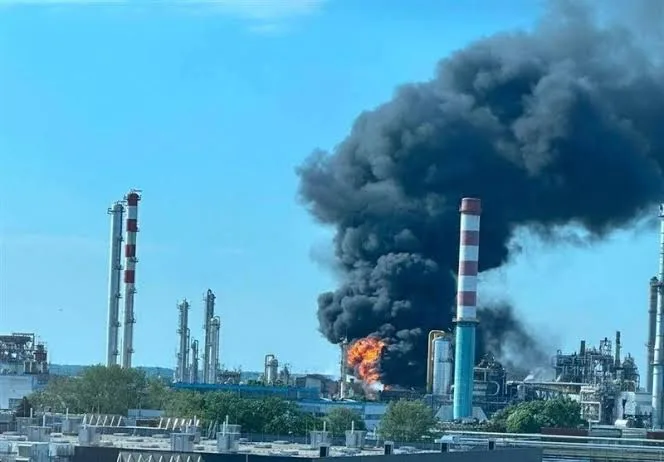
In Bandar Imam and Arvand petrochemicals, a significant part of the activity decline was due to a lack of auxiliary services. The revenue of Arvand Petrochemical decreased by 34.5 percent in the first four months of 2026 compared to the same period, and its export revenue dropped to zero in July. These figures indicate that the consequences of production halts remain in the companies' financial statements even after units are restarted.
The main concern in the upstream sector relates to the refineries of phases 4 and 5, as well as 9 and 10 of South Pars. In the third refinery, debris removal and safety operations reached 90 percent completion by June, but this figure only pertains to site preparation and should not be confused with full reconstruction progress.
Erfan Afazeli, Secretary-General of the Iranian Oil Industry Federation, stated that damage to four refineries has affected nearly one-third of South Pars's processing capacity. According to his assessment, full reconstruction may take one and a half to two years, although using fast-track processing units could recover 20 to 25 percent of the lost capacity by the end of the year.
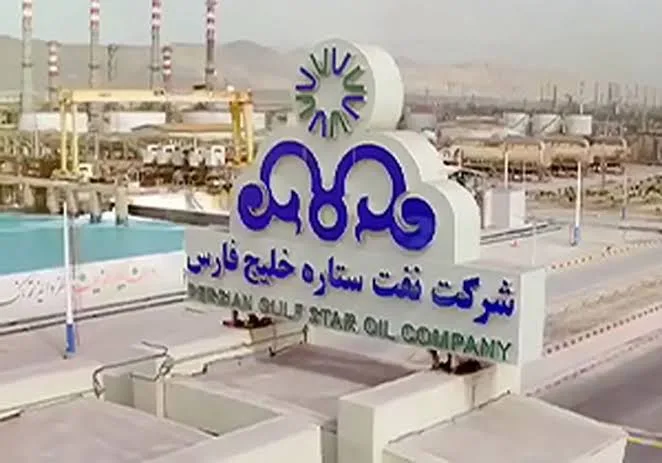
Persian Gulf Star in Operation; Risk in Upstream
Fajr, Karun, Arvand, and Bandar Imam are not direct suppliers of Persian Gulf Star's feedstock. The feedstock for this refinery is gas condensate produced in South Pars refineries, which is transferred to Bandar Abbas via pipeline. Consequently, the main risk for gasoline production arises from the reduction in gas extraction and processing in South Pars.
The Persian Gulf Star has so far maintained its production, but no clear information has been released about the volume of condensate reserves, the extent of feedstock production reduction, and how it is distributed among refineries. Mohammad Hossein Salimi, an energy expert, emphasized that replacing gas condensate with light crude oil is not possible in the short term and requires costly technical changes.
Therefore, the future bottleneck of the gasoline market is not necessarily within the Persian Gulf Star refinery; the main issue is the sustainability of condensate production in South Pars. Continued decline in gas processing could reduce the operational capacity of the Star and put more pressure on other refineries, fuel reserves, and gasoline imports.