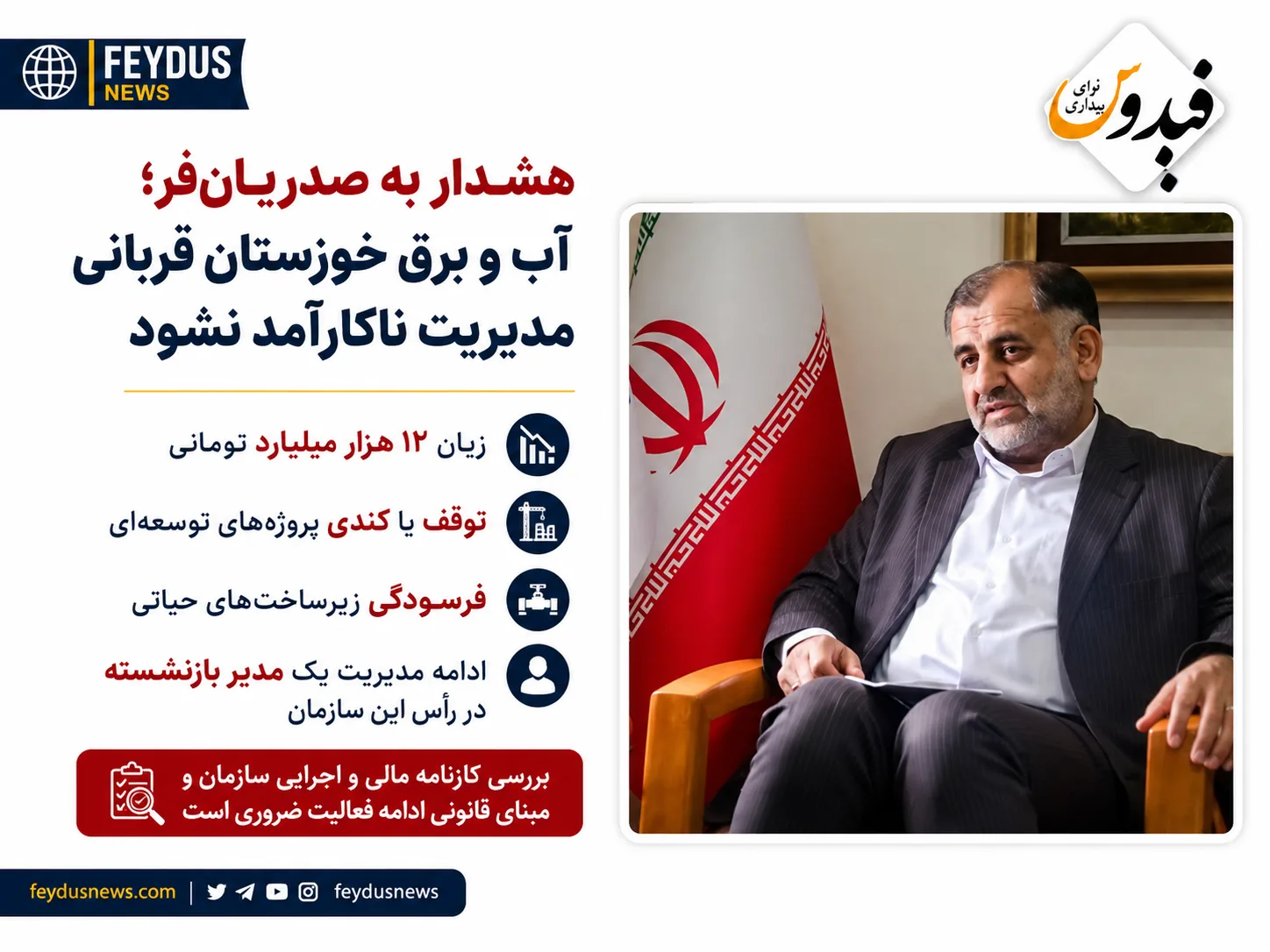
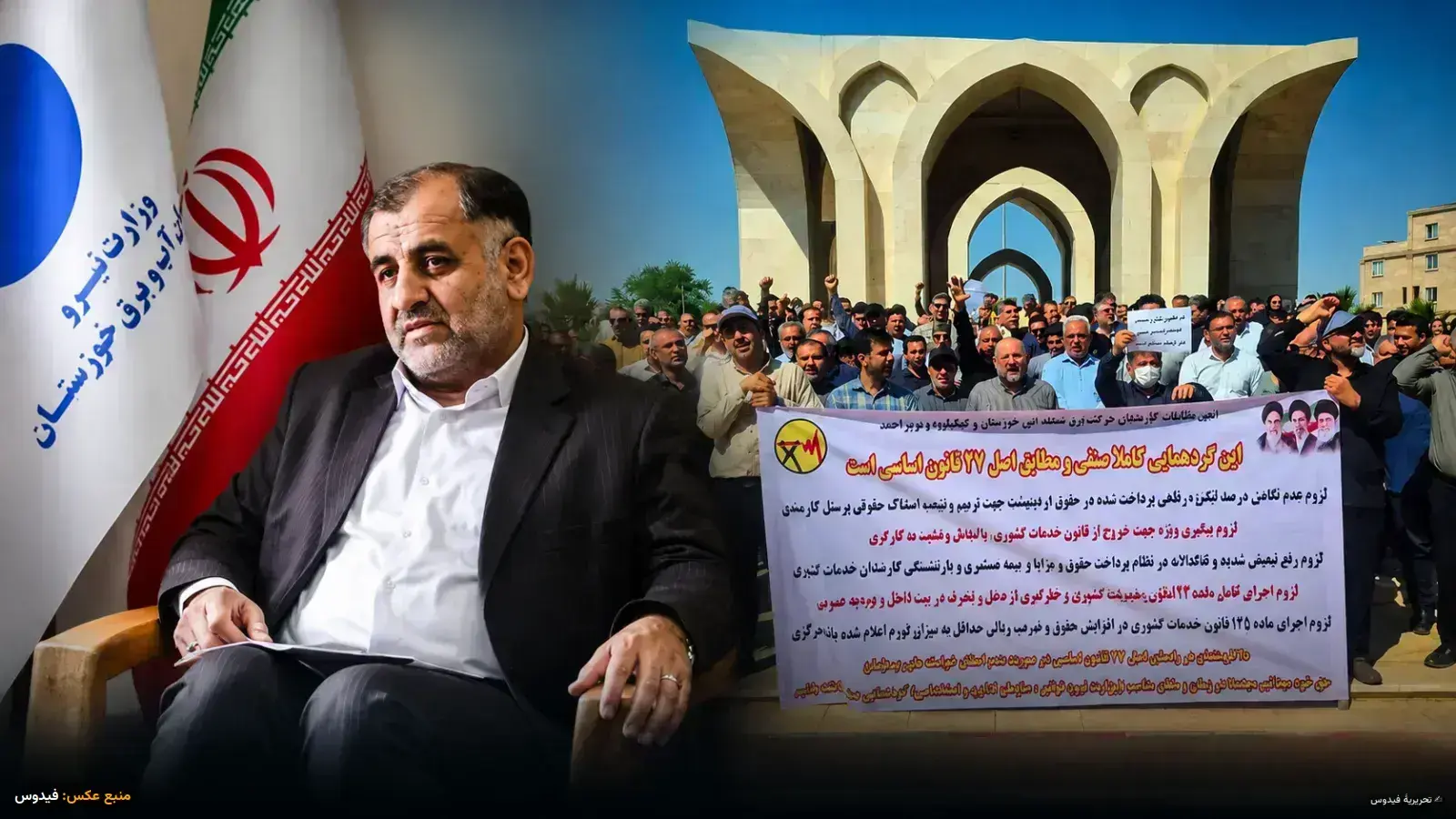
Reports on the financial and operational status of the Khuzestan Water and Power Organization indicate that this organization is facing a 12 trillion toman loss, halts or slowdowns in some development projects, and infrastructure deterioration. These issues, along with the continued activity of a retired manager at the helm, raise serious questions about the organization's management performance and the need for intervention by the Ministry of Energy and oversight bodies.
The Khuzestan Water and Power Organization, due to its direct role in managing water resources, providing vital infrastructure, and implementing major projects, is considered one of the most important infrastructure entities in the province and the country. Therefore, any disruption in the financial and operational performance of this organization can have consequences beyond a mere administrative entity and directly affect the lives and economy of the people of Khuzestan.
Financial Loss and Project Halts
One of the most significant ambiguities raised is the 12 trillion toman loss of the organization. If this figure is confirmed, the organization's management must transparently explain in which period and under what factors this loss occurred and what plan is in place to compensate for it.
Simultaneously, reports have been raised about halts or slowdowns in development projects and the continued deterioration of some of the province's water and power infrastructure. This situation in a province like Khuzestan, which has faced serious challenges in the water, power, and infrastructure sectors for years, doubles the importance of managerial accountability.
Questions About Retired Management
Another issue that requires clarification is the continued activity of a retired manager at the head of the Khuzestan Water and Power Organization. If this activity continues based on legal permits, it is expected that the Ministry of Energy and the organization's management will clarify the legal basis and necessity of using this permit to the public.
The fundamental question is, in conditions emphasizing youthfulness, increased efficiency, and the use of capable managers and specialists, what necessity exists for the continuation of a retired manager's leadership in such a strategic entity; especially when there are simultaneous criticisms about the financial record, development projects, and infrastructure status of the organization.
The issue is not merely about a manager being retired; what matters is the relationship between the continuation of this management, its operational record, and the public interests of the people of Khuzestan.
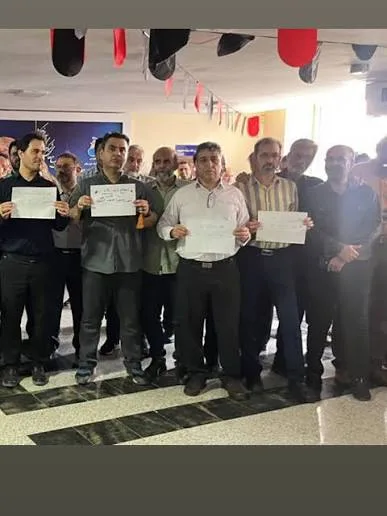
Now, it is expected that the Ministry of Energy and oversight bodies will thoroughly examine the financial status of the Khuzestan Water and Power Organization, the source of the reported 12 trillion toman loss, the fate of development projects, the status of infrastructure, and the legal basis for the continued activity of this organization's retired manager.
Khuzestan Water and Power is not an area where management can be approached with trial and error or delays in decision-making. Every managerial decision in this sector can create long-term costs for the province and its people.
Therefore, this question now directly faces Abbas Sadrianfar and the Ministry of Energy officials: What is the specific plan for getting the organization out of its current situation, and when will the public witness a transparent report on the financial and operational performance of this entity?
Khuzestan needs more than ever a responsive, efficient, and forward-thinking management in the water and power sector; before the cost of today's decisions weighs heavily on the shoulders of the province's people in the coming years.