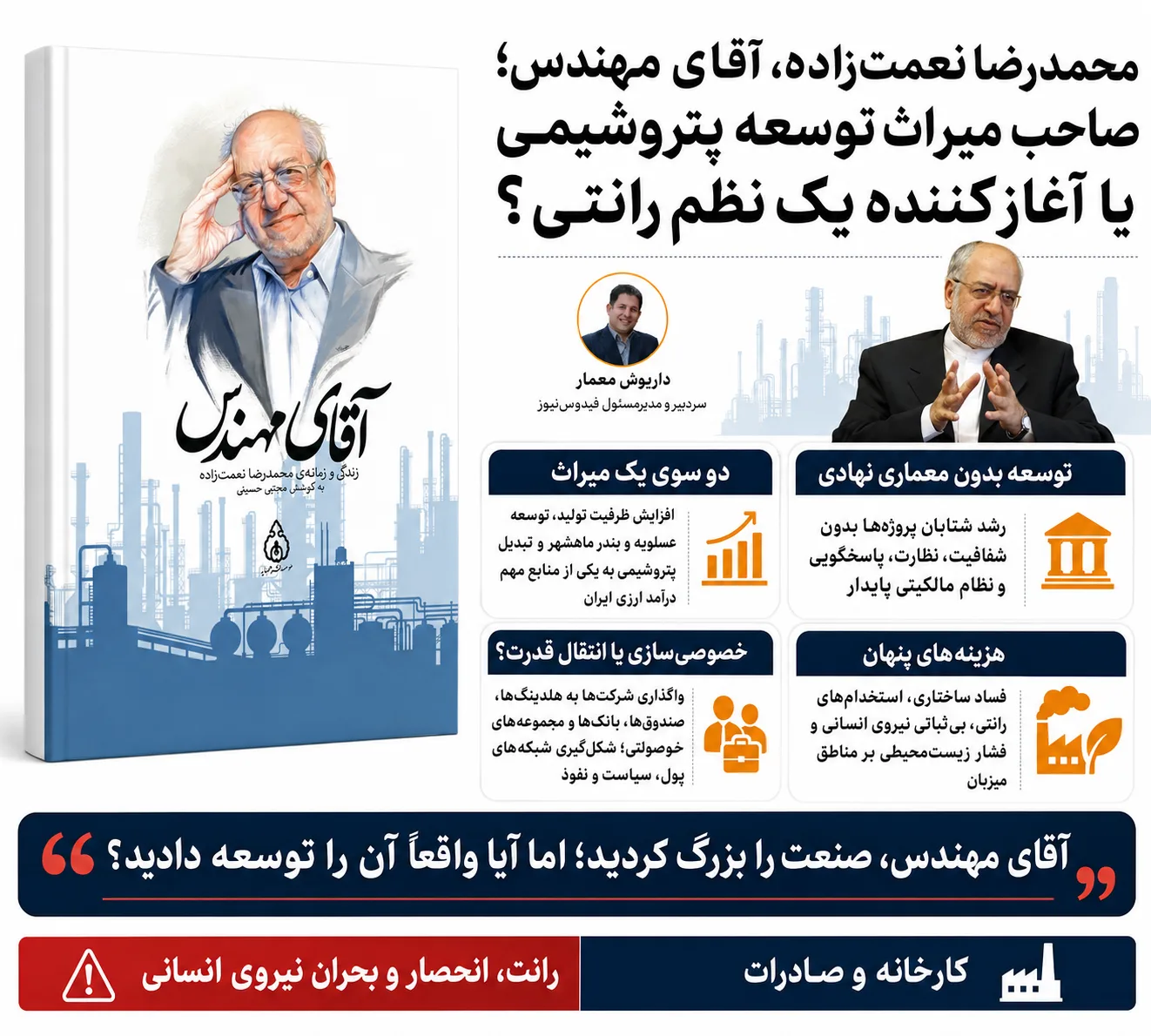
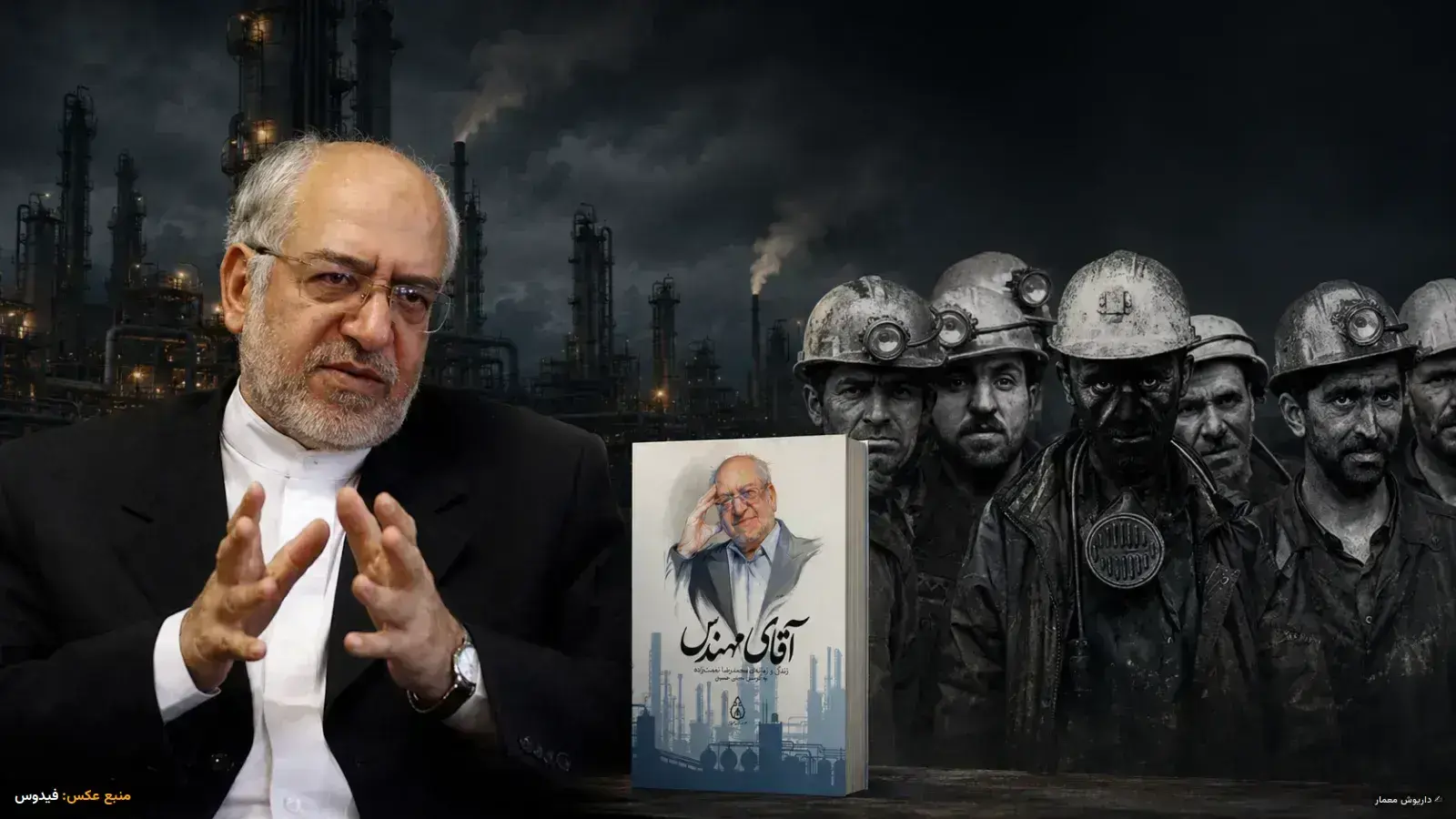
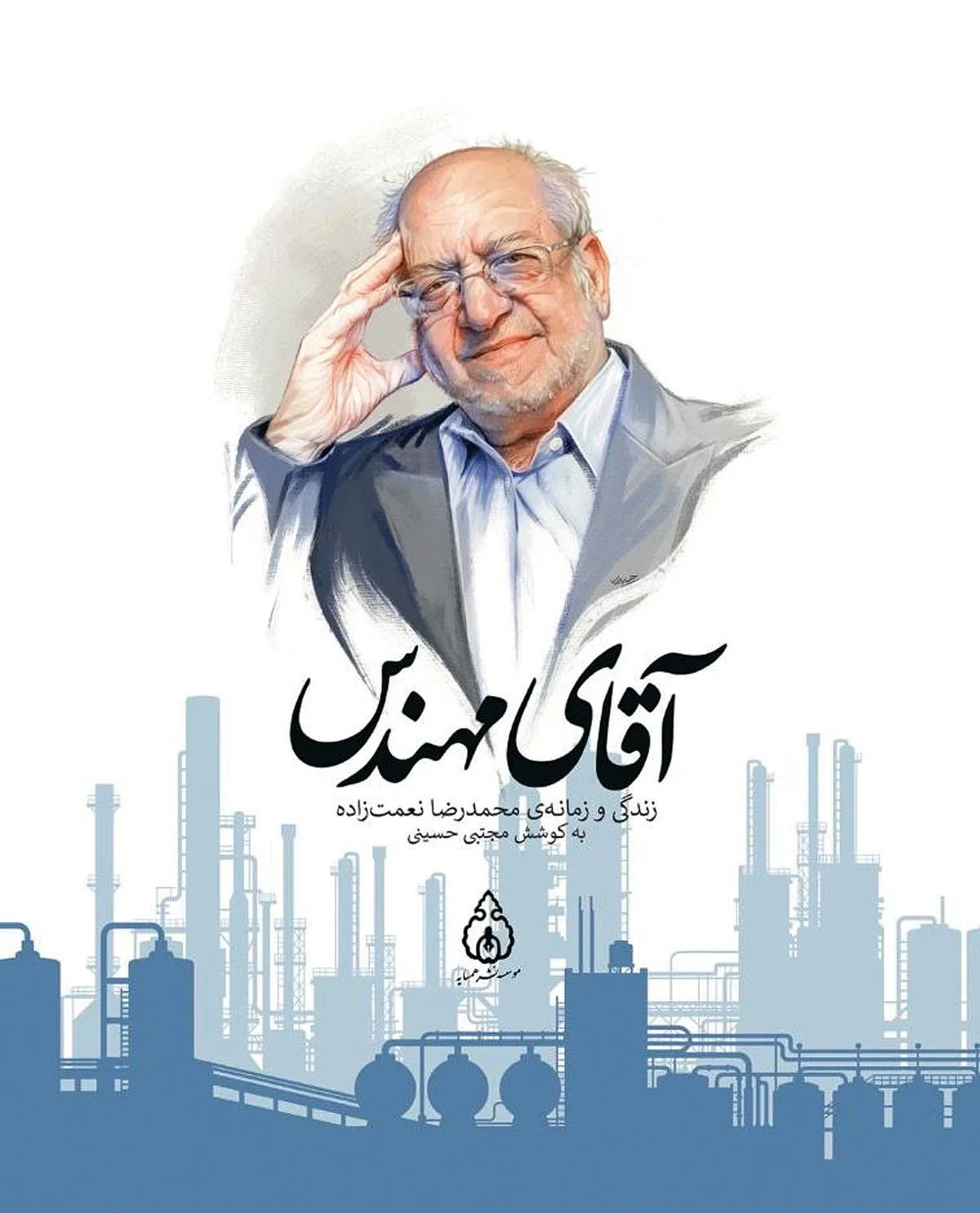
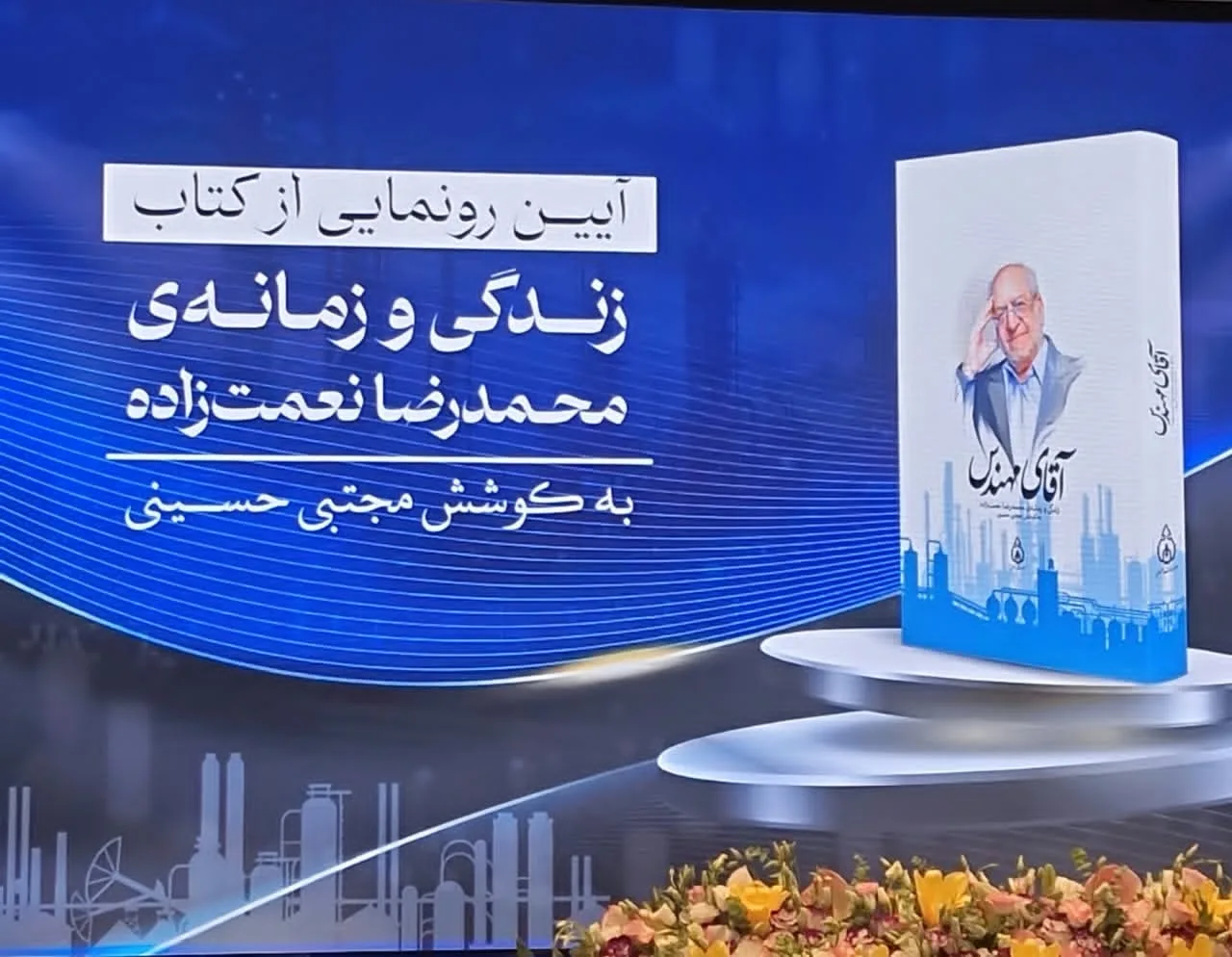
In the coming days, a book titled "Mr. Engineer, the Life and Times of Mohammad Reza Nematzadeh" will be unveiled, detailing the life and activities of Mohammad Reza Nematzadeh; a manager whose name is tied to a significant part of the history of Iran's oil and petrochemical industry post-revolution, from the Ministry of Oil and the National Petrochemical Company to the Ministry of Industry, Mine, and Trade.
I have not yet read this book and hope to find the opportunity to read it in full. Therefore, this writing is not a book review. It is a question about the legacy of a manager who, along with a generation of technocrats of the Islamic Republic, especially from the 1980s onwards, rose to power in Iran's oil, petrochemical, steel, and other major industries.
This question is not merely historical for me. I have lived with the oil industry since my youth. After completing middle school and passing the exam, I entered the Ministry of Oil's technical school in Abadan, then in the early 2000s, I joined the National Petrochemical Company and worked in various sectors of this industry for nearly two decades. In later years, as a journalist, I continued to follow and reflect on the developments in oil, gas, and petrochemicals, managers, holdings, privatizations, labor disputes, and corruption cases in this field.
The Legacy of Mohammad Reza Nematzadeh
Therefore, today, as the life story of "Mr. Engineer" is set to be published, a fundamental question arises for me: What was the legacy of Mohammad Reza Nematzadeh and his generation of managers for Iran's oil and petrochemical industry?
Undoubtedly, it cannot be ignored that during the period when Nematzadeh managed the National Petrochemical Company, Iran's petrochemical production capacity increased significantly, petrochemical companies in Asaluyeh and Bandar Mahshahr expanded, numerous large projects were defined, and petrochemicals became one of Iran's most important sources of foreign exchange revenue. These are part of the reality. But they are not the whole reality.
The issue is that during that period, "development" was defined more than anything else by the number of projects, production capacity, kilometers of pipelines, and billions of dollars of investment. Few asked what ownership system this development was supposed to create, what would happen to the workforce, what impact it would have on host cities, and in the absence of transparency and oversight, what enormous capacity for rent and corruption it would create.
Rapid development, without institutional architecture in the second half of the 2000s and the 2010s, created an unprecedented rush to expand the petrochemical industry. Project after project was defined. Asaluyeh expanded rapidly. Petrochemical complexes were built in various parts of the country, and the managers of the time spoke of a "petrochemical leap." But industrial development is not just about building factories.
Development means creating a system that twenty years later can still work healthily, transparently, and accountably. If an industry is built but the mechanisms of ownership, oversight, human resource management, and public accountability are not designed alongside it, that same development can later become a platform for corruption and monopoly.
The problem with Iran's petrochemical industry started precisely from this point. Extensive privatizations in subsequent years, especially within the framework of implementing Article 44 policies, removed a large part of petrochemical companies from direct government ownership. Of course, not all of these transfers can be directly attributed to Nematzadeh; a significant portion occurred after his management period.
But the historical question is whether the generation that designed this massive industry built a suitable institutional architecture for the day when the government would step aside from ownership. What we see today does not provide a very hopeful answer to this question.
Privatization or Transfer of Power?
A large part of Iran's petrochemical industry ultimately was not transferred to a competitive and independent private sector, but to pension funds, holdings, banks, investment companies, public institutions, and entities that later became known as "quasi-private."
Massive holdings like Persian Gulf Petrochemical Industries, TAPICO, Ahdaf, and other entities were formed; entities with dozens of companies, billions of dollars in exports, and thousands of employees. These holdings today are not just economic enterprises. They are problematic power networks and various types of economic corruption.
The appointment of a petrochemical CEO can become a point of competition among parliament members, holding managers, contractors, and political networks. Hiring several hundred people can become an electoral issue, and industrial contracts can be worth tens and hundreds of millions of dollars.
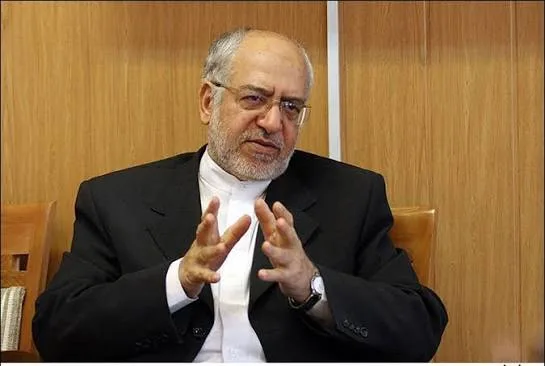
Thus, an industry that was supposed to be a symbol of development has become one of the most significant intersections of money, politics, and power within various forms of corruption in Iran. This is what I refer to as the formation of a kind of petrochemical oligarchy.
An oligarchy does not necessarily mean the existence of a secret group of a few people; it can be a structure where a limited group of managers, politicians, contractors, and capital owners constantly move between companies, holdings, and government institutions and gain disproportionate access to public resources.
Corruption is not the product of a single manager; it is the product of a structure. The major corruption cases in the petrochemical industry over the past two decades cannot be ignored. The case of the Petrochemical Commercial Company with a financial turnover of several billion euros is one of the most significant examples. Petrochemical Mehr, cases related to the return of export currency, numerous disputes in holdings, conflicts over manager appointments, and dozens of other cases show that the issue is not just the misconduct of a few managers.
The issue is a structure. A structure where billions of dollars are moved, but public access to information on ownership, contracts, manager appointments, and resource flow is limited.
I am not saying Mohammad Reza Nematzadeh is criminally responsible for all the corruptions that have occurred in this industry years later. Such a claim is indefensible. But one can speak of his historical responsibility and that of his colleagues regarding this situation. Great managers are not only responsible for the projects they have inaugurated; they must also be accountable for the structure they have left behind.
Human Resources and the Environment
If an industry grows at a very high speed but transparency, oversight, and governance do not grow accordingly, corruption will not be an exceptional incident; it will become a permanent risk.
For me, who has worked in the human resources sector of the petrochemical industry for years, perhaps the most bitter part of this story is the fate of the employees. Official reports have always spoken of production capacity, exports, investment, and the number of projects, but rarely of the people who have built this industry.
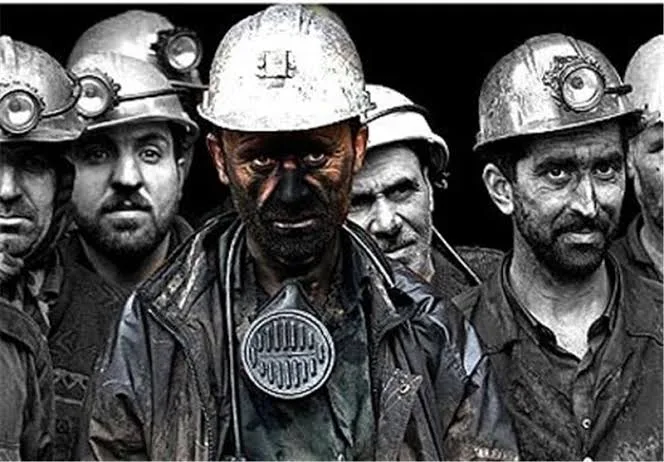
After privatization, many employees of petrochemical companies faced ambiguity about their employment status, benefits, and retirement. In Asaluyeh, labor protests over contractor agreements, wages, job security, and working conditions have continued for years, and nepotistic hiring has become commonplace.
An industry that generates billions of dollars in revenue has still not been able to create stable job security for a large part of its workforce. This is not a small contradiction. If industrial development cannot improve the lives of its workforce, the definition of that development needs to be reconsidered.
Recently, the issue of employment and justice in oil-rich and industrial areas has once again become a crisis. In Gachsaran and the Lishtar region, the protests of young job seekers over hiring practices and claims of interference and influence in recruitment have led to clashes and shootings.
I am not saying that what happened today in Gachsaran is the direct result of Mohammad Reza Nematzadeh's decisions in past decades. But this event is part of the same larger issue. A massive industry is created in a region, with billions of tomans and dollars in financial turnover, but the youth of that region feel they need more than expertise to enter that industry; they need connections, intermediaries, or political support.
When hiring in an oil or petrochemical company becomes an electoral and tribal issue, one can no longer simply speak of industrial success.
The other aspect of this development is the environment. Today, Asaluyeh is not only a symbol of South Pars and petrochemicals; it is also a symbol of pollution and severe environmental pressure. In the development model of past decades, environmental costs were often sidelined. The value of production was calculated. The value of exports was calculated.
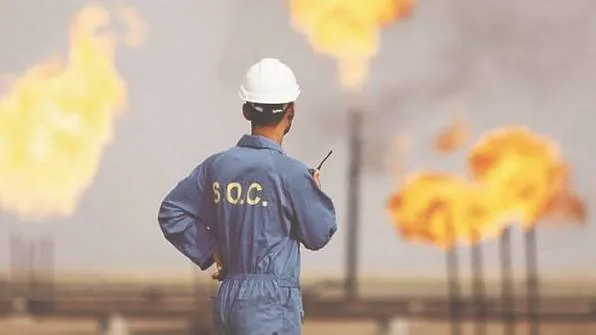
But the cost of air pollution, pressure on natural resources, diseases caused by industries, and the quality of life of the people in host areas were less included in the calculations. If the real cost of development is removed from the balance sheet, growth statistics can be very misleading.
Perhaps in the new book, Mohammad Reza Nematzadeh will be remembered as one of the architects of Iran's industrial development, and certainly, he and his colleagues have the right to present their narrative of this era. But history is not only written by retired managers. Workers, employees, people in industrial areas, and generations who have lived with the consequences of their decisions also have the right to narrate.
A manager may have created hundreds of projects and still be questioned about the consequences of his decisions. He may have multiplied petrochemical capacity but also left behind a structure where later rentier privatization, political influence, corruption, and human resource instability grew.
In my view, Mohammad Reza Nematzadeh's legacy cannot be explained solely with the phrase "father of petrochemical development." He represents a generation of managers who built factories, created capacity, and expanded Iran's industry; but in many cases, they did not build institutions commensurate with this development.
The blade of development they wielded on Iran's economy was very sharp. One side was factories, exports, and production. The other side was powerful economic networks, problematic privatizations, human resource crises, environmental pressure, employment disputes, and corruption cases.
Today, as "The Life and Times of Mr. Engineer" is published, perhaps the main question should not be how many petrochemical complexes Mohammad Reza Nematzadeh built. The more important question is: Who controls these complexes today? Where do their profits go? What fate do their employees face? What share have the people of host areas taken from them? Why are their managers sometimes the subject of political competition? Why does hiring in them become an issue of influence? And why has an industry that was supposed to be one of the engines of Iran's development become one of the main arenas of conflict over wealth, rent, and power today?
Perhaps the most important question to pose against the narrative of "Mr. Engineer" is this: Mr. Engineer, you enlarged the industry; but did you truly develop it?