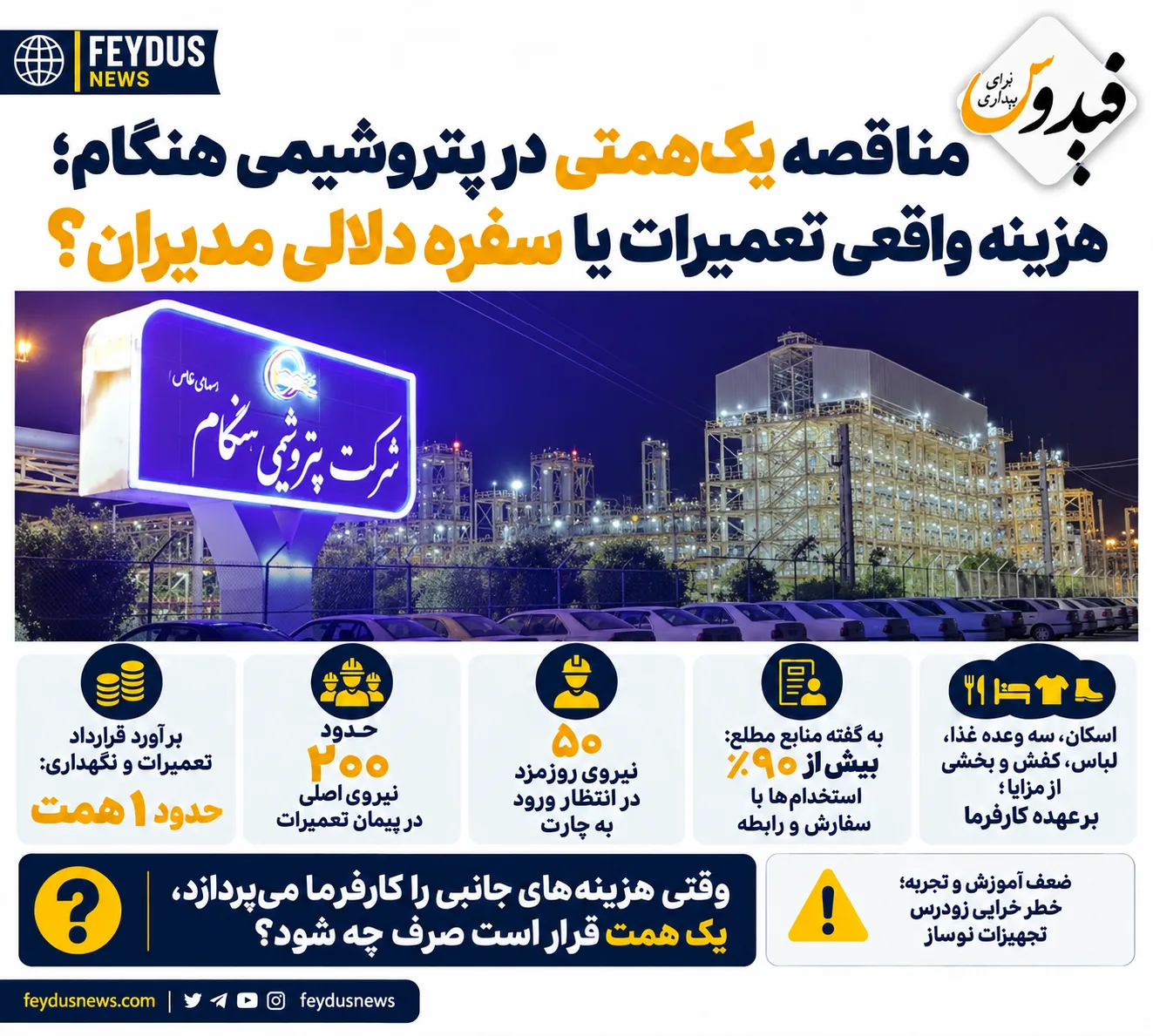
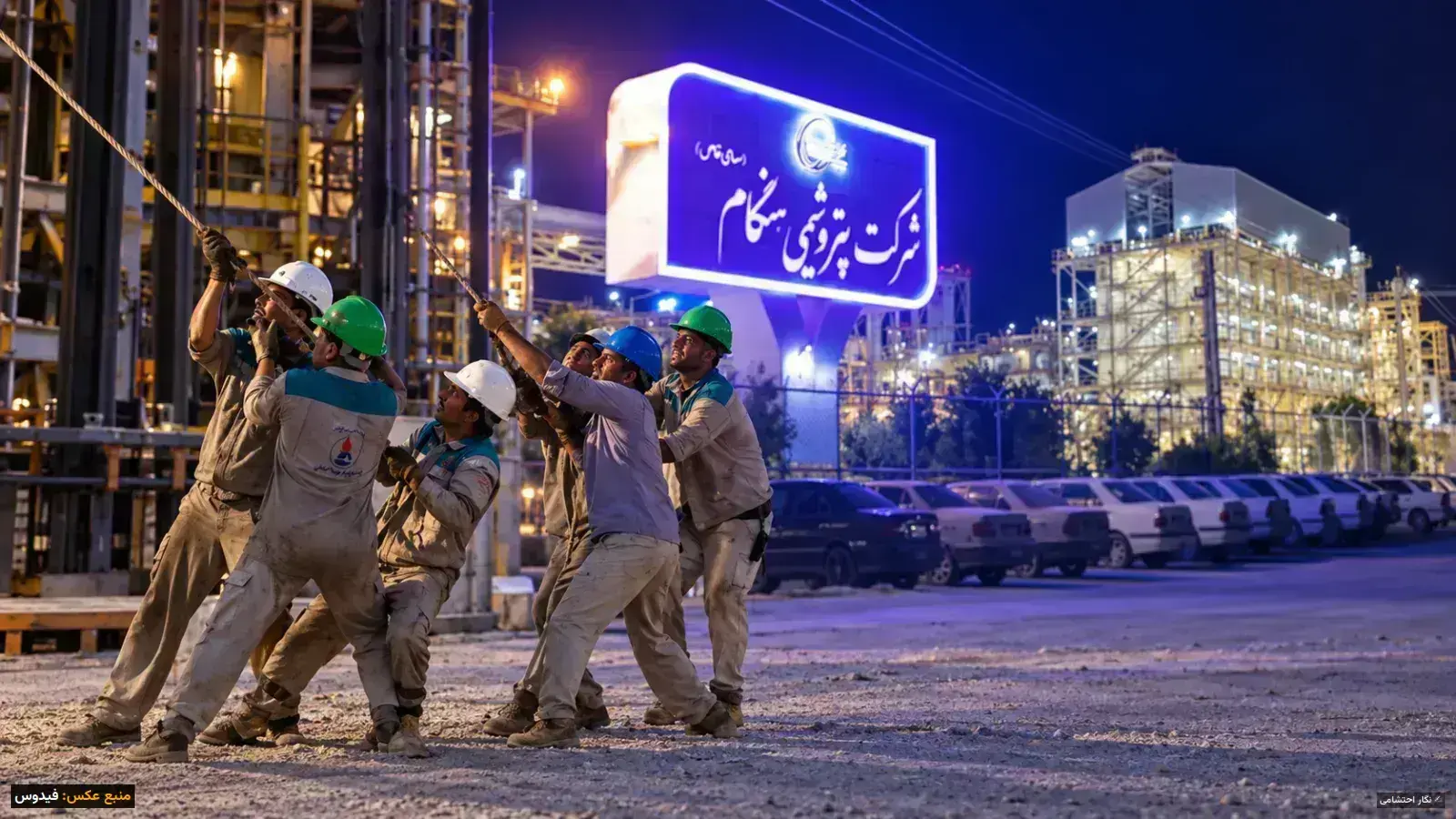
The release of information about the nearly billion-toman estimate for the maintenance and upkeep of Hengam Petrochemical has once again questioned the spending practices of this company. According to informed sources, the amount predicted for this contract is significantly higher than expected for a relatively small and modernized complex, where a significant portion of the equipment is supplied with new technologies.
The principle of holding a tender for maintenance services at Hengam Petrochemical is visible in the company's public announcement; however, the exact estimated amount, detailed costs, required manpower, and pricing basis have not been publicly disclosed. This lack of transparency raises the question of what basis the nearly thousand-billion-toman estimate was prepared on and what portion of it is truly allocated to the specialized operations of maintaining and repairing equipment?
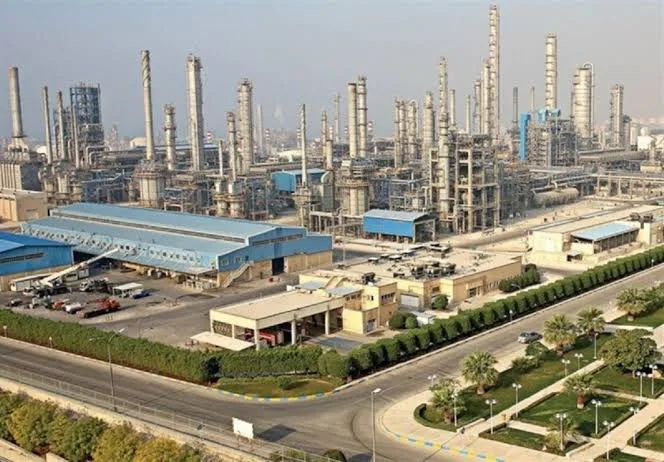
Hengam Petrochemical is built on approximately 25 hectares of land, and its nominal capacity includes the daily production of 2200 tons of ammonia and 3500 tons of granular urea. Unlike many old petrochemical complexes facing worn-out production lines and decades-old equipment, Hengam is considered a newly established project with new machinery and systems. Its ammonia unit also reached full capacity production in November 1404..
The billion-toman maintenance cost estimate requires an explanation beyond the general phrases of the tender. Does the contract include major repairs and the supply of strategic parts? What is the duration of the contract? What is the share of wages, machinery, specialized tools, and spare parts in the estimated amount? Without publishing these details, it is impossible to conduct a real evaluation or compare the contract with similar complexes.
Ambiguity in the Reasons for Accepting Accommodation Costs for Contracted Forces
The ambiguity increases when, according to received information, from next year, the cost of dormitory and accommodation, three meals a day, work clothes and shoes, and part of the welfare services for the maintenance and repair contract forces will be directly borne by the employer, i.e., Hengam Petrochemical. If transportation, bonuses, and some fringe benefits are also paid from the company's resources, what exactly will the contractor be responsible for in exchange for receiving nearly a billion tomans?
Another part of the internal sources' report relates to the composition of the workforce for this contract. According to these sources, about 200 people have been employed in the maintenance department over the past few years, and more than 90 percent of these hires were made not through professional competition but based on introductions, recommendations, and connections.
In addition to this number, about 50 people have also entered the complex as daily wage workers and are awaiting transfer to the main maintenance chart. If this information is correct, the Hengam maintenance contract is no longer merely a technical contract; it has become a path for consolidating irregular hires and converting recommended forces into permanent contract employees.
These claims should be examined by publishing the list of personnel, entry dates, educational qualifications, professional experience, recruitment method, and the name of the requesting official or unit. The company's silence only strengthens the possibility of a network of rent-seeking hires.
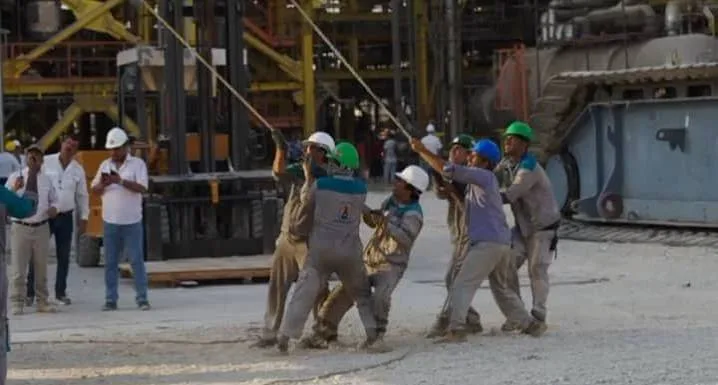
Informed sources also report damage to some new equipment due to inadequate training and lack of experience among maintenance personnel. If this account is true, Hengam Petrochemical is simultaneously paying for two inefficiencies: first, hiring personnel lacking sufficient skills, and second, incurring repair costs for equipment that has failed prematurely due to improper maintenance.
The issue becomes more concerning when this tender is considered alongside previous questions about the expansion of appointment circles, the creation of an expensive Tehran office, and controversial contracts at Hengam Petrochemical. A thousand-billion-toman contract without the publication of detailed estimates, human resource criteria, and precise contractor commitments can become a new source for distributing benefits among the same network of managers organizing the tender.
The management of Hengam Petrochemical and the Persian Gulf Holding must publish the full tender documents, contract duration, list of services, number of personnel, employer and contractor commitments, technical committee composition, and price estimation basis before awarding the contract. The scale of the amount and the transfer of a significant portion of ancillary costs to the employer have turned this tender into a warning that cannot be overlooked by the public relations silence.