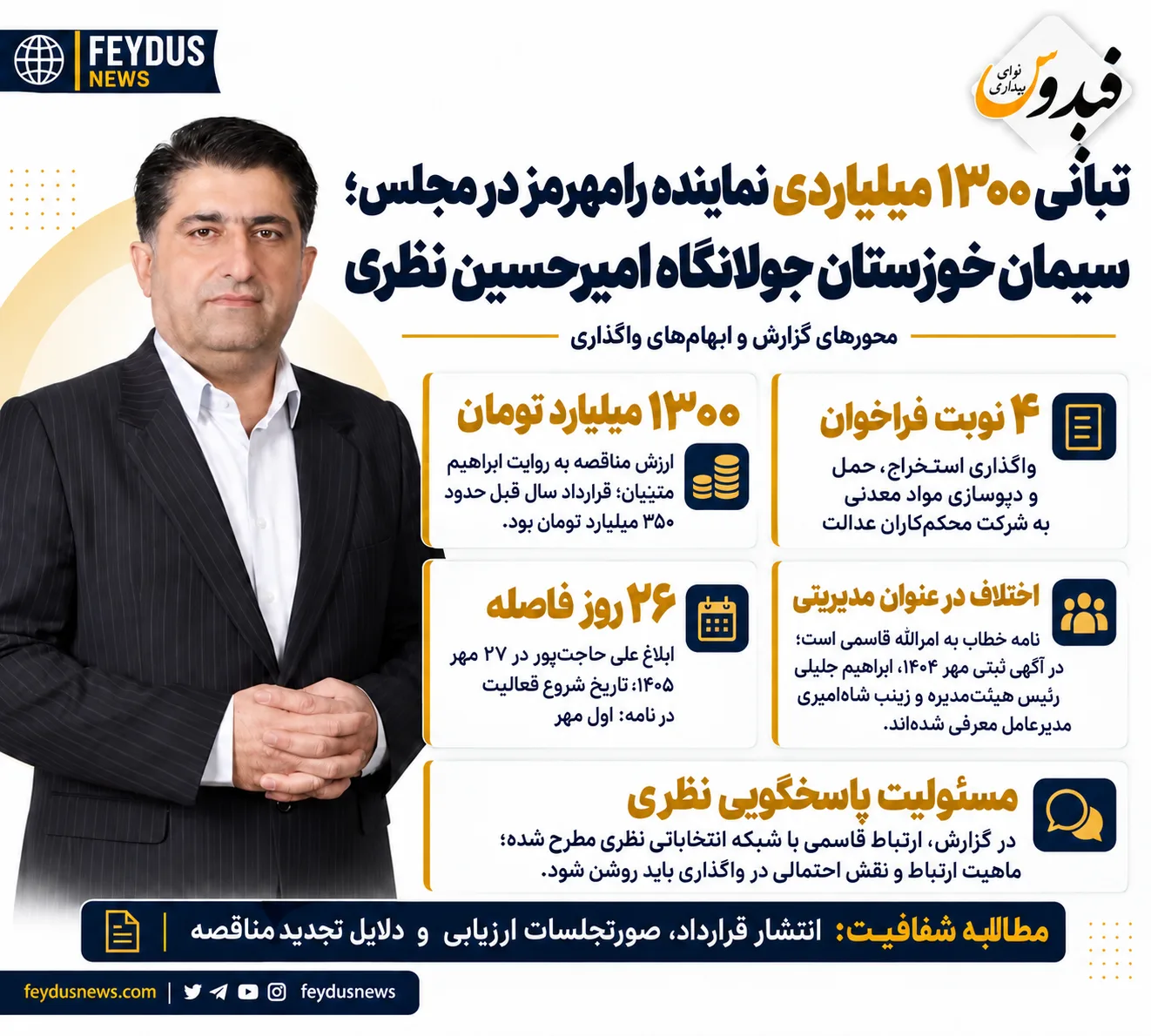
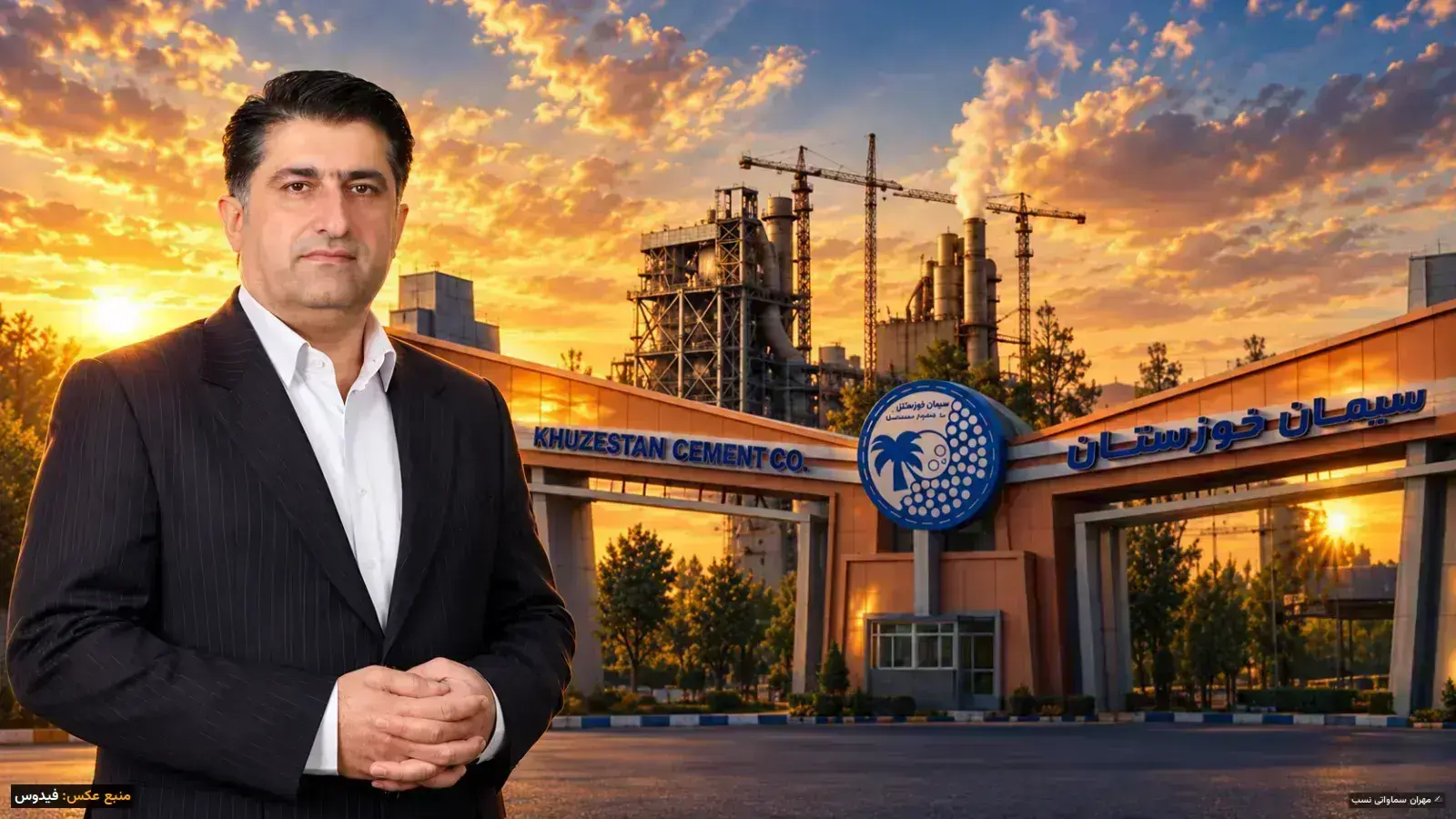
The awarding of the tender for the extraction, transportation, and storage of mineral materials by Khuzestan Cement Company to 'Mohkamkaran Edalat' has placed a series of financial, managerial, and political ambiguities in front of this company. In the contractor's records, the name Amrollah Ghasemi appears; an individual whose connection with the electoral network of Amirhossein Nazari, the representative of Ramhormoz and Ramshir, indicates shared interests in this case. Clarifying the nature of this connection and its potential role in the awarding process is part of the accountability responsibility of the parliamentary representative and company managers.
This contract was awarded after four calls and under conditions where Ebrahim Matinian, the former representative of Ramhormoz and Ramshir, announced the value of the new tender to be over 1,300 billion tomans and warned about the contractor's qualifications, tax status, and the potential for political influence. Now, the letter announcing the tender result, in addition to the price and competition quality issues, has raised ambiguities about the start date of operations and the managerial title of the contract addressee.
Notification on 27 Mehr, Start of Activity from First of Mehr
According to letter number 1405-22-6, dated 27 Mehr 1405, Ali Hajjatpour, CEO of Khuzestan Cement, announced the tender result to Amrollah Ghasemi with the title 'Chairman of the Board of Mohkamkaran Edalat'. The correspondence states that the board of Khuzestan Cement agreed with the selected company's price proposal after applying a 10 percent discount.
However, the start date of the contractor's activity in the same letter is set for the first of Mehr 1405, which is 26 days before the notification date. This time gap necessitates a clear explanation from managers about the workshop handover time, the actual start date of operations, and the legal basis for any contractor activity before the notification.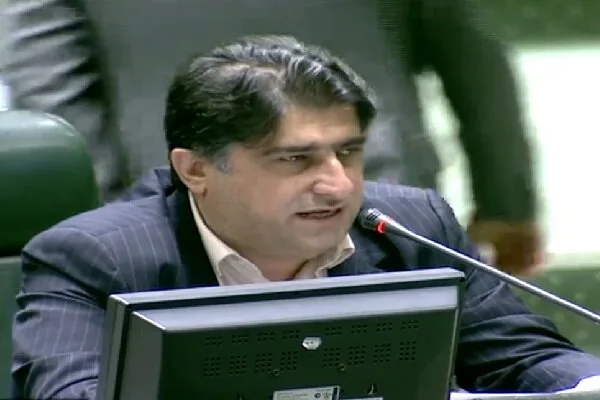
Clarifying the sequence of decisions in such a contract is important: the time of tender result approval, contract signing, workshop handover, and operation start must be reconcilable. The published letter alone does not clarify this sequence, and publishing documents related to each stage is necessary to assess compliance with the tendering procedures.
950 Billion Toman Discrepancy and Amirhossein Nazari's Political Responsibility
Ebrahim Matinian previously announced the value of the new tender to be over 1,300 billion tomans; a figure that, compared to last year's approximately 350 billion toman contract, shows at least a 950 billion toman discrepancy. He, pointing to ambiguities regarding the contractor's qualifications, tax status, and potential political influence, has called for the intervention of the Minister of Cooperatives, Labor, and Social Welfare.
On the other hand, comparing the two figures of 350 and 1,300 billion tomans, without knowing the contract duration, operation volume, transportation distance, quantity schedule, and service rates, is not sufficient to conclude about the unconventional cost increase. Khuzestan Cement managers must clarify what portion of this discrepancy is due to changes in the scope of operations and what portion is related to the increased cost of service execution.
In the political section of the case, the mentioned connection between Amrollah Ghasemi and Amirhossein Nazari's electoral network highlights the necessity for the representative of Ramhormoz and Ramshir to provide an explanation. Nazari must clarify the nature of this connection and any potential follow-up, correspondence, or recommendation related to the awarding. Merely suggesting an electoral connection does not determine his role in the tender result; defining the extent of this role depends on clear documents and responses.
Four Calls and Information That Must Be Published
Reviewing public advertisements, according to this case's information, shows that Khuzestan Cement published the first call for the tender for the extraction and transportation of mineral materials on 16 Khordad 1405. Renewed advertisements in Mordad and the fourth call on 28 Shahrivar are also registered in the tender archive. Four calls for a major industrial awarding increase the importance of publishing the reasons for tender renewal. Until the evaluation minutes, reasons for rejecting previous proposals, and any changes in tender conditions are published, the ability to assess competition quality and winner selection method remains limited.
Publishing the quantity schedule, unit prices, qualification criteria, and proposal evaluation report can clarify what changes occurred between the first call and the fourth and on what basis the final proposal was accepted. Announcing a 10 percent discount without publishing the base price proposal and calculation details does not provide a complete picture of the contract's economic savings.
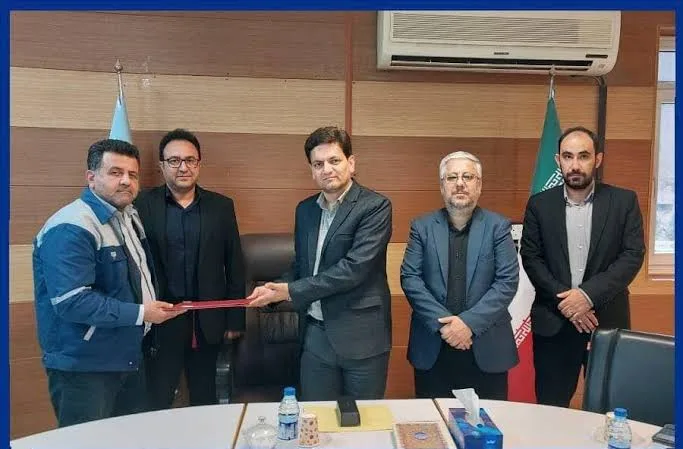
Discrepancy in Ghasemi's Title with Mohkamkaran Edalat's Registered Records
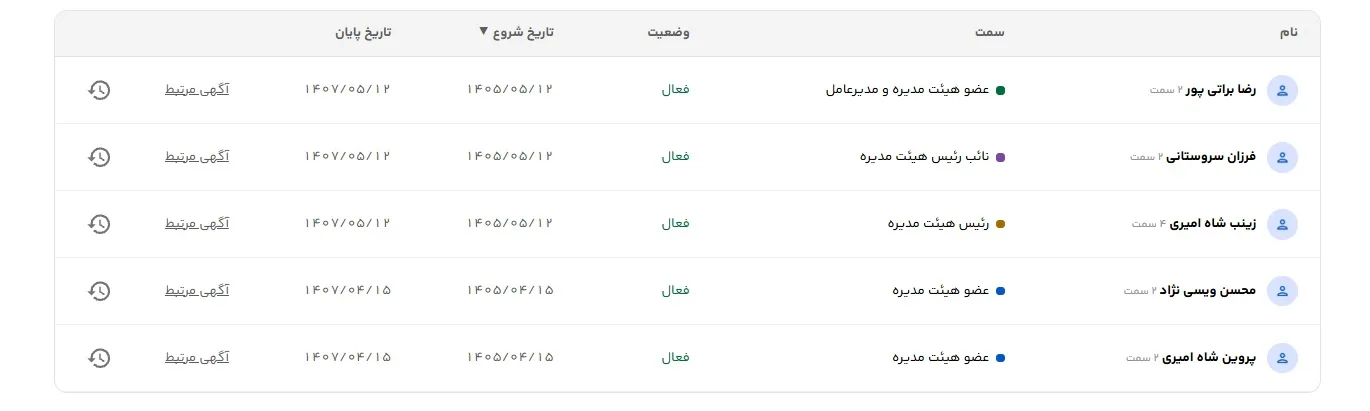
The company 'Mohkamkaran Edalat' was registered as a private joint-stock company in Khuzestan in 1387. The company's official records show that Amrollah Ghasemi previously chaired its board, but in the registered advertisement published on 17 Mehr 1404, Ebrahim Jalili is introduced as the chairman of the board and Zeinab Shah-Amiri as the CEO.
Nevertheless, the Mehr 1405 letter from Khuzestan Cement still addresses Amrollah Ghasemi as 'Chairman of the Board'. This discrepancy must be clarified by providing the latest company change advertisement and documents related to authorized signatories to clarify the letter addressee's position and the legal authority of the contractor's representatives.
The registration information also indicates the existence of a valid contractor certificate until Dey 1406. However, the certificate's time validity alone does not demonstrate the contractor's qualification compliance with the contract subject; the certificate's field and rank must also be matched with the tender requirements.
Hajjatpour, Tender Legal History, and Insured Parties' Interests
Ali Hajjatpour, CEO of Khuzestan Cement and the signatory of the notification letter, has previously held managerial responsibilities at Karoon Cement, Behbahan Cement, Iran Carbon Company, and Farsit Ahvaz. His management background at the factory and deputy position at Khuzestan Cement is also noted in his record. His position in decision-making and tender result notification highlights the direct responsibility of company management in explaining the awarding process.
The legal history of this factory's transactions has also increased the sensitivity of the new contract. Feydus published a report in Azar 1404 about the verdict of the first branch of the Haftkel Public Court, based on which six former and current managers and a contractor were sentenced to one year in prison in a collusion case in transactions. This history shows the necessity for more precise oversight of the factory's subsequent transactions; however, the responsibility of individuals in the previous case must be separated from the new awarding process.
Simultaneously with contractor disputes, reports of Khuzestan Cement workers' protests over reduced pay, benefits, and payment discrepancies were published in Esfand 1404. The juxtaposition of livelihood protests and the awarding of a contract with such financial dimensions increases the importance of accountability regarding managerial priorities and the use of company resources. Khuzestan Cement is part of the chain of companies related to Shasta and the Social Security Organization. The resources of this complex are linked to the interests of shareholders, workers, and insured parties, and the transparency of its contracts is part of the managers' responsibility towards these stakeholders.
Accountability in this case must lead to the publication of the final contract, transaction commission minutes, proposal evaluation reports, reasons for call renewals, and contractor qualification documents. Ali Hajjatpour and Khuzestan Cement managers are responsible for explaining executive decisions, and Amirhossein Nazari must also explain the mentioned political connection with Amrollah Ghasemi and his potential role in this awarding. Until these documents and responses are published, ambiguity about the contractor selection process and the boundary between political influence and economic decision will remain.