Kohgiluyeh and Boyer-Ahmad is a province rich in
natural resources yet plagued by deprivation, unemployment, migration, and thousands of unfinished projects.
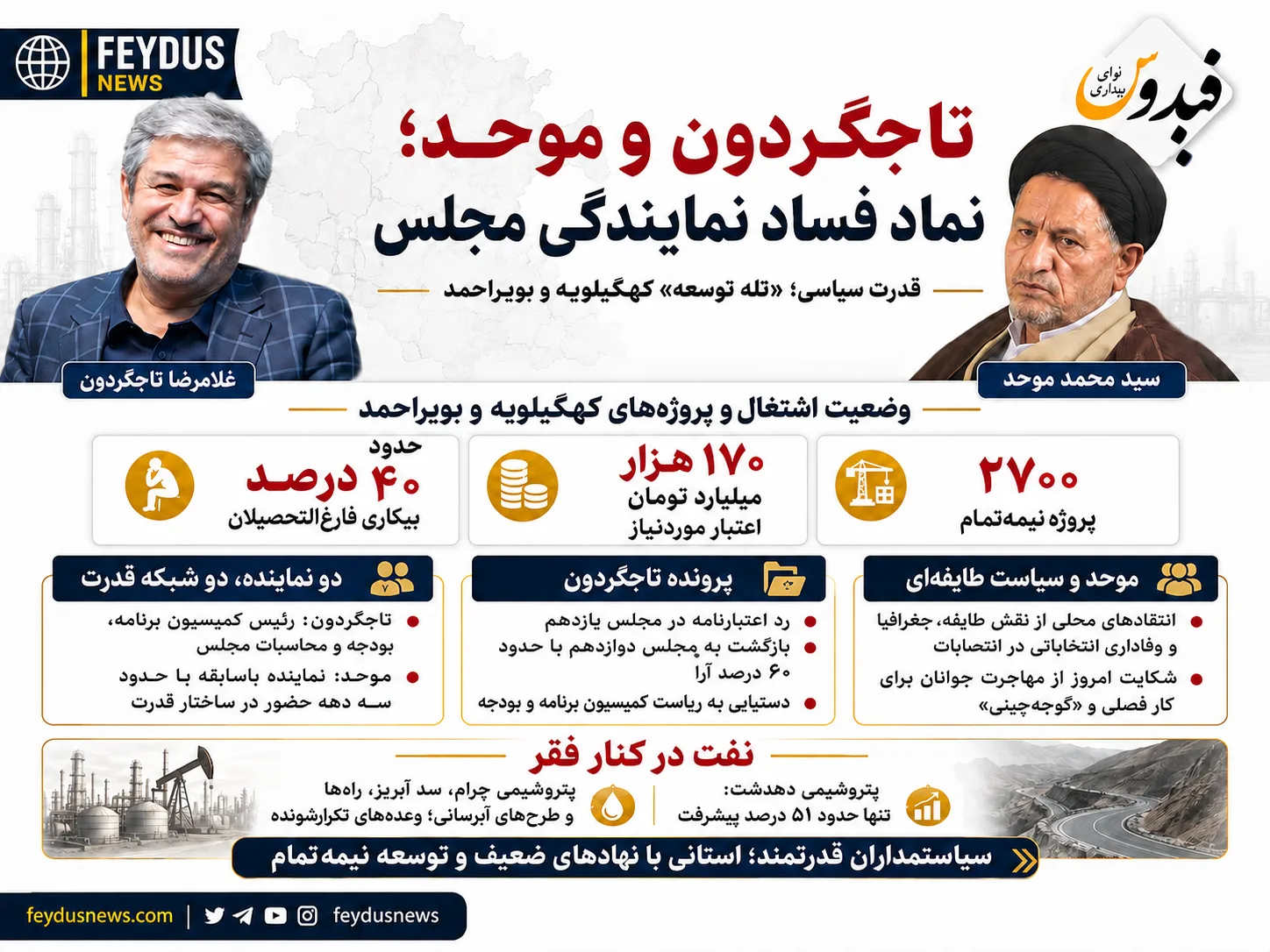
The governor of this province recently announced that there are about 2700 unfinished projects in
Kohgiluyeh and Boyer-Ahmad, requiring about 170 trillion tomans of
funding for completion; while only a few months later, provincial officials spoke of about 40
percent unemployment among university graduates.
In such circumstances, a question has been repeated for
years in the political atmosphere of the province: How is it that a province with such
abundant oil, gas, water, and human capacity still faces such a level of backwardness?
Some critics seek the answer not only in the
inefficiency of various governments but in the personalization and tribalization of local
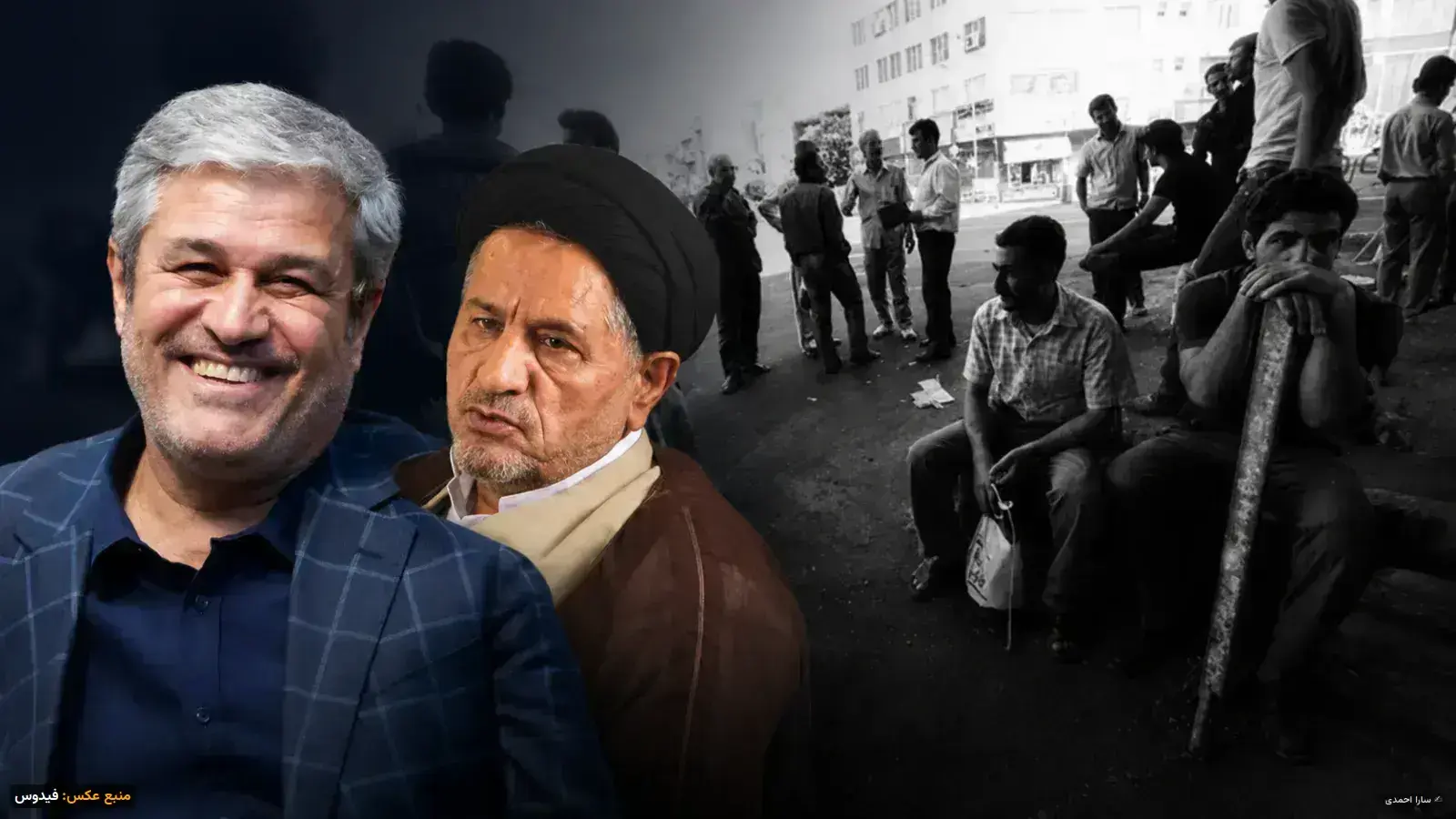
politics; a structure where two names are repeated more than many others, Gholamreza
Tajgardoon, representative of Gachsaran and Basht, and Seyed Mohammad Mohaad, representative
of Kohgiluyeh, Bahmai, Charam, and Lendeh.
Two Representatives, Two Power Networks
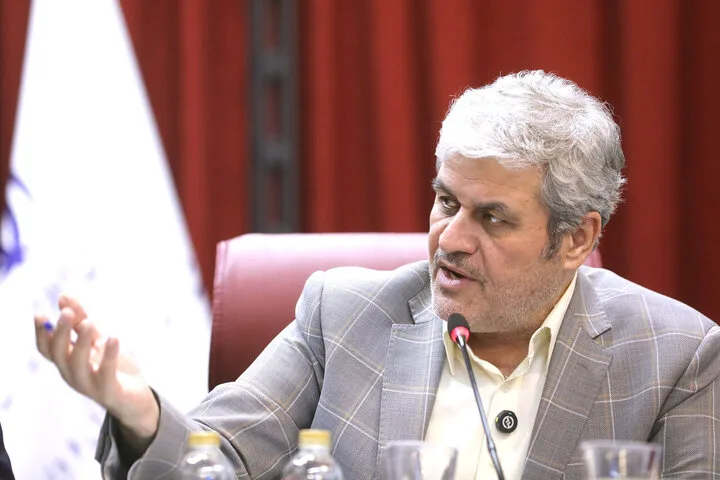
Tajgardoon today is not just a county representative.
He is the head of the Parliament's Program, Budget, and Accounts Commission and is in one
of the most important decision-making points regarding the country's financial resources.
Mohammad Mohaad is also one of the most experienced
representatives of this province; a politician who has been in Parliament for several
terms and has been one of the most influential political figures in Kohgiluyeh for about
three decades.
On the surface, such a level of political influence
should be considered an opportunity for a deprived province. But the issue raised by
critics is exactly here, has the political power of these two figures really led to the
institutional development of the province, or has it made development more dependent on
relations with the representative, political networks, and electoral considerations?
The Case That Took Tajgardoon Out of Parliament
Tajgardoon's name has been tied for years with one of the most controversial credential cases in the history of the Islamic Republic's Parliament. In the eleventh Parliament, a group of representatives accused him of economic corruption, creating a family network, and using political influence, and eventually, his credentials were rejected in the Parliament. Tajgardoon denied all these accusations, and the Parliament's investigation committee had also announced before the final vote that it had reviewed the claims of the protesters with security agencies, the Ministry of Intelligence, and the Guardian Council.
Four years later, however, Tajgardoon ran again, his qualifications were approved, he returned to the twelfth Parliament with about 60 percent of the votes, and this time even took over the chairmanship of the Program and Budget Commission.
This powerful return is seen by his supporters as a
sign of public trust and the invalidity of past accusations; but for critics, it is an
example of the networked power of politics in Iran, a politician whose rejection of
credentials could not stop his presence at the highest levels of decision-making.
Mohaad and Clan-Based Politics
Criticism of Mohammad Mohaad has a different nature.
Local media have repeatedly written over the years about the role of clan, geography, and
electoral loyalty in the political structure of his constituency. "Aftab Zagros"
has written that a significant part of the criticism of Mohaad's various terms of
representation relates to the manner of appointments. Some local critics have also accused
him of preferring certain groups and areas in appointments.
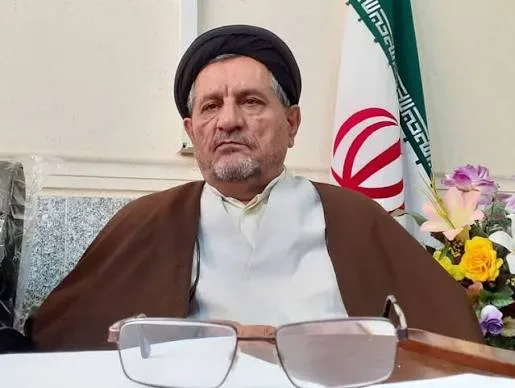
Another media outlet has even linked Mohaad's long presence in elections to the strengthening of ethnic and tribal divides. Mohaad himself has rejected such a narrative, saying that entering into ethnic and tribal disputes is "an injustice to the people of Kohgiluyeh." He also stated in a press conference that he does not interfere in county and provincial appointments and only negotiates for the promotion of provincial forces in ministries. But what critics ask is, after all these years of political power, what has been the practical outcome?
Just this week, Mohaad himself spoke in Parliament
about the conditions where young people from Kohgiluyeh are forced to migrate to other
provinces for seasonal work and even "tomato picking." These remarks perhaps
highlight the existing contradiction more than any other criticism, a representative who
has been in power for decades, today himself complains about a deprivation that critics
attribute part of the responsibility for its continuation to the same political
structure.
Oil Alongside Poverty
The contradiction of Kohgiluyeh and Boyer-Ahmad is not
limited to unemployment statistics. This province is located in one of the most important
oil and gas regions of Iran and is adjacent to Khuzestan and Bushehr; yet many of its
cities are still struggling with poor roads, water, downstream industries, and
employment.
Even Mohammad Bahrami, another representative of the
province, recently said that the wealth of Kohgiluyeh and Boyer-Ahmad should be turned
into public welfare and spoke of youth migration due to lack of jobs.
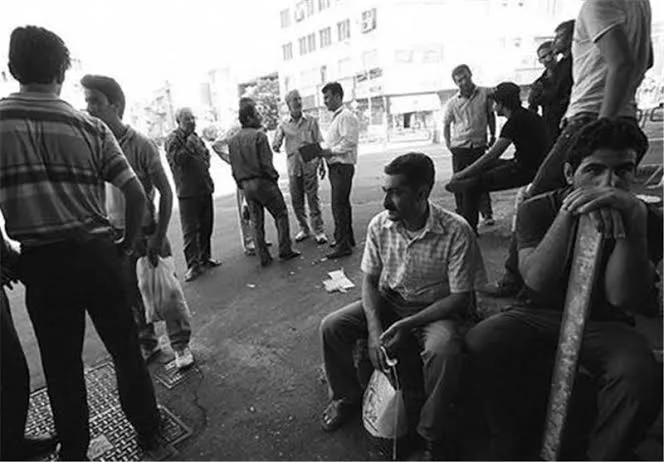
In Kohgiluyeh, projects like Charam Petrochemical, Dehdasht Petrochemical, Abriz Dam, communication routes, and water supply projects have been repeated in the political
literature of elections for years. The governor says Dehdasht Petrochemical still has
about 51
percent progress, and many other projects still require funding.
Here, one can speak of a phenomenon called the development trap or hook. On the surface, having influential representatives like Tajgardoon and Mohaad should be a great advantage for the province. One has access to the heart of the country's budget, and the other has built political and administrative networks for decades.
But if the development of a region becomes dependent on
the presence of an individual, relations with the representative's office, clan, campaign
headquarters, or network of loyalists, the same power that was supposed to be the engine
of development can become an obstacle to institutional development. The result is a
province where its politicians are powerful, but its institutions have not necessarily
become powerful; it has abundant natural resources, but its young people migrate to find
work; hundreds of managers and officials have emerged from it, but thousands of projects
remain unfinished.
Therefore, the issue is not just Tajgardoon or Mohaad.
The issue is a model of politics where personal influence replaces institutions, loyalty
replaces merit, and elections replace development programs. Until this cycle is broken,
Kohgiluyeh and Boyer-Ahmad may continue to have powerful politicians without the province
itself becoming equally powerful.